
Snorkeling Oahu in April: Where to Go and What to Check
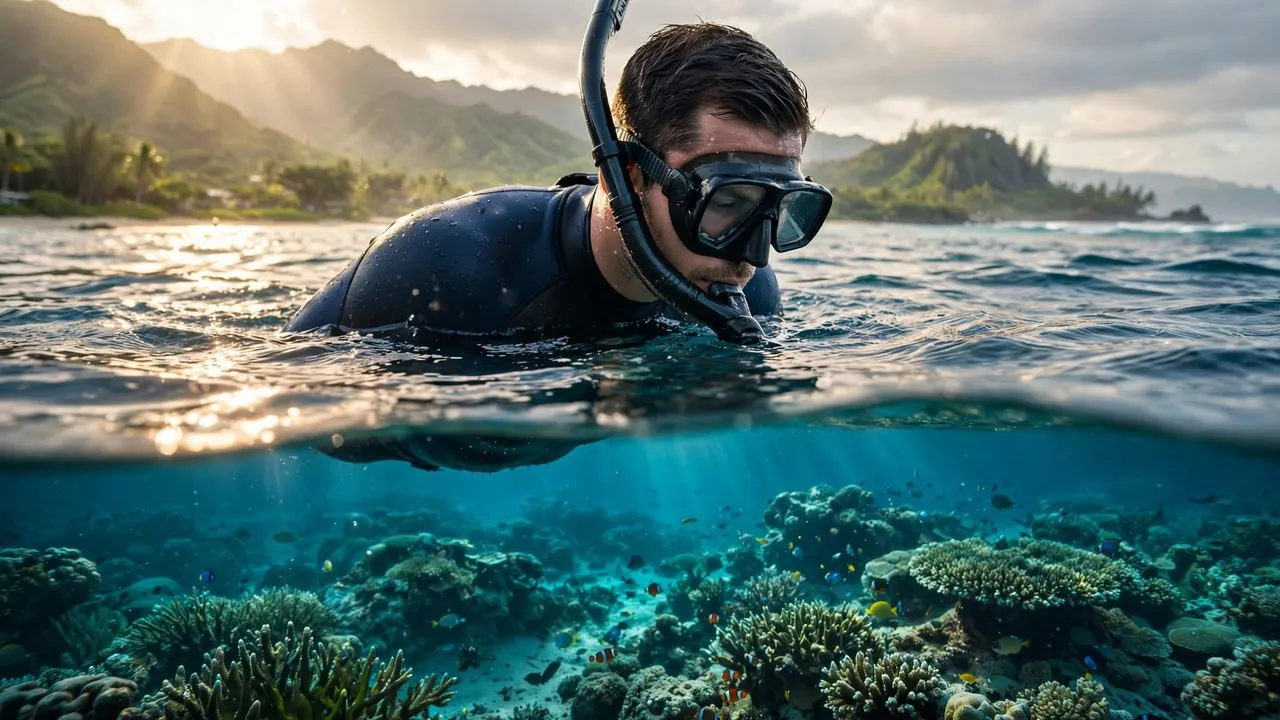
April can give you a beautiful morning on an Oahu reef, but a sunny sky doesn’t tell you what the water is doing. Winter swell may still reach exposed shores, while wind or recent rain can change a promising snorkel plan.
If you’re snorkeling Oahu in April, choose the day’s conditions before you choose the beach. Living Ocean Tours offers guided trips near Waikiki when you’d rather have a crew handle the offshore access and help you get comfortable in the water. Whether you go by boat or from shore, a few checks will make your spring outing more enjoyable.
What changes when you’re snorkeling Oahu in April
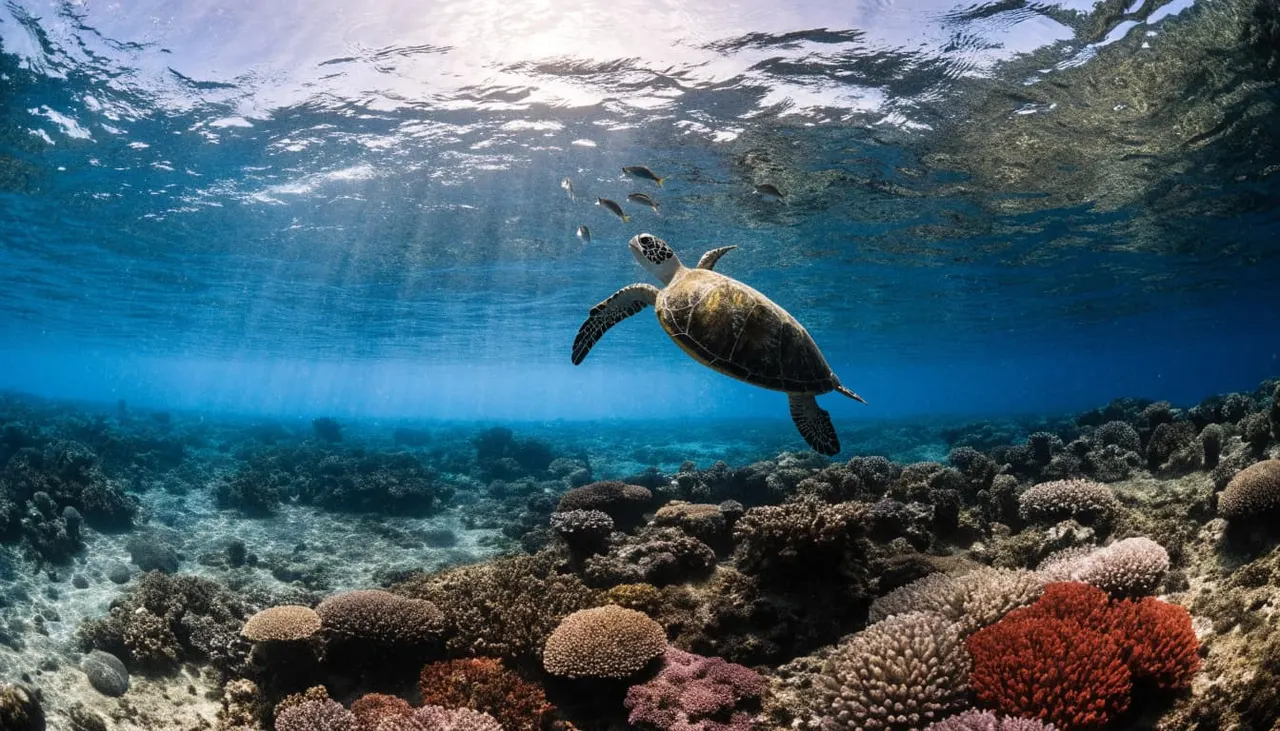
April is a transition month. The water begins warming, but winter surf patterns don’t disappear on a schedule. You’ll get a better trip by treating the date as a starting point, then checking the ocean on the morning you plan to enter.
Winter surf can linger
Oahu’s North Shore is famous for powerful winter waves, and exposed north and west shore spots can still see swell in April. Waimea Bay, Sunset Beach, Sharks Cove, and Three Tables may look tempting in photos, but none is an automatic spring snorkel choice.
Even when waves appear manageable from a parking area, watch how water moves through the entry and across the reef. If you’re unfamiliar with the site, don’t use other swimmers as your safety test. Conditions that suit an experienced local may be wrong for your family.
The water warms before summer arrives
A Honolulu-area April average is about 76.5°F, although the temperature you feel will vary with depth, wind, and time in the water. Many visitors are comfortable in swimsuits. If you chill easily, a rash guard or light wetsuit top can make a longer float more pleasant.
Trade winds can also make you feel cold once you’re back on a boat. Pack a towel and dry cover-up, even if the water felt warm when you stepped in. Warm water, however, tells you nothing about current, surf, or visibility.
Choose a shore spot that fits the day’s water
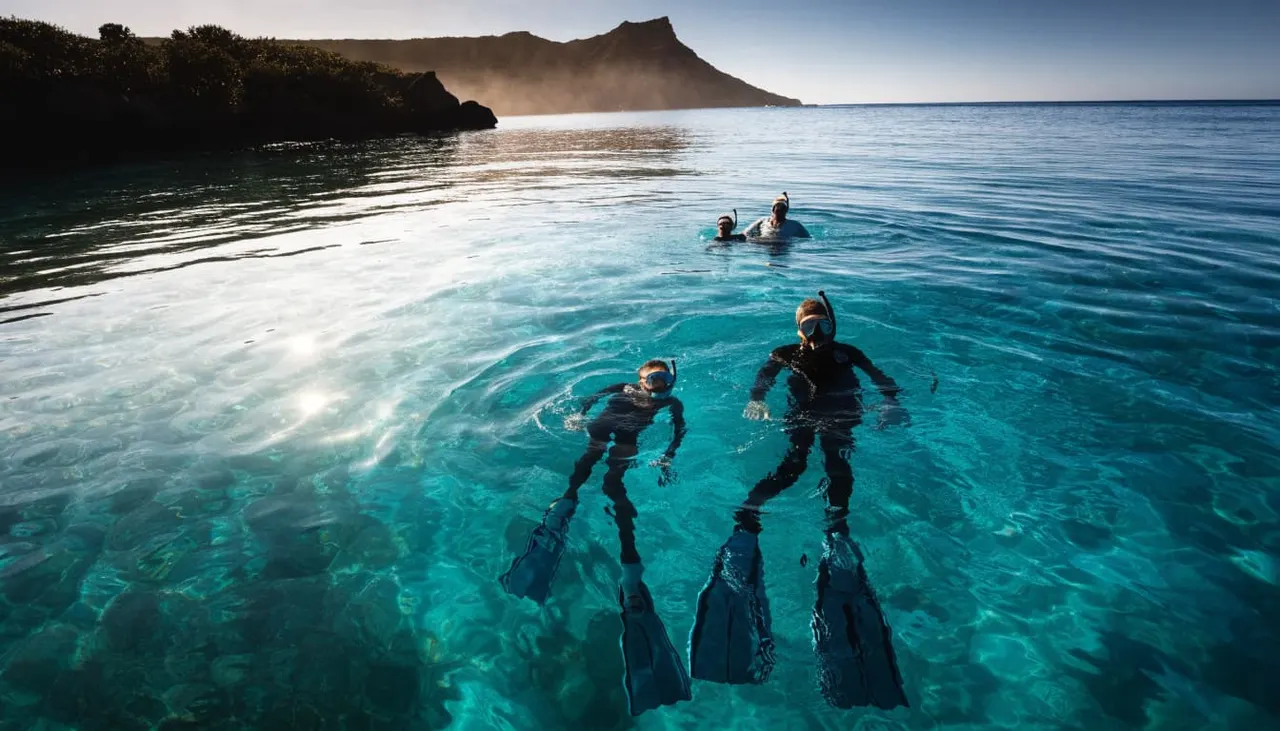
When you’re snorkeling Oahu in April, keep more than one location in mind. A good backup lets you change plans without feeling pressured to enter rough water at the beach you drove to see.
Start with south-shore possibilities
Waikiki-area locations, including Kaimana Beach and Sans Souci, can offer a more manageable starting point when exposed northern shores have swell. Still, a south-facing beach can get its own surf, current, or cloudy water. Check the entry and exit before putting on your fins.
Magic Island Lagoon at Ala Moana Beach Park is useful when your priority is protected swimming or getting used to a mask. Don’t expect it to offer the same reef experience as an offshore snorkel site. Choose the place for the experience it can provide, rather than forcing every swim to become a wildlife search.
Treat famous sites as conditional
Hanauma Bay is a marine conservation area with controlled access. If it’s on your list, check its current reservation requirements and visitor rules before building your day around it. Once there, follow staff guidance and stay off the reef.
Sharks Cove and Three Tables draw snorkelers when conditions settle, but their rocky entries deserve extra caution. For a first-time snorkeler, an easy exit matters as much as clear water. If waves are breaking across your route back to shore, save that site for another day.
Check the ocean, not only the weather icon
A forecast that says “sunny” doesn’t describe what you’ll meet at the shoreline. Before snorkeling Oahu in April, review wind, swell, recent rain, and any beach warnings. Then look at the water yourself or ask the crew and lifeguards about current conditions.
The National Weather Service coastal marine forecast helps you check changing winds and seas around Hawaii. For water levels and coastal observations, NOAA Tides and Currents offers another planning reference. Neither replaces a close look at your intended entry point.
Morning often gives you a chance to get out before afternoon trade-wind chop builds, but it isn’t a guarantee of calm water. If heavy rain has sent runoff into the ocean, skip brown or murky water and follow local advisories. Waiting about 72 hours after significant runoff is a cautious planning rule; visible water quality and official notices still matter most.
Finally, leave yourself permission to cancel. If you can’t identify a safe way in and out, or you feel uneasy about the current, spend that time on shore. April offers other opportunities without asking you to push past a clear warning.
Pack for comfort, then settle in slowly
A comfortable snorkel starts before you reach the reef. Bring a mask that seals without being pulled painfully tight, fins that won’t rub, sun protection, drinking water, and something dry for afterward. If equipment is provided on a tour, tell the crew about fit problems before you enter.
Make your first minutes easy
If you’re new to snorkeling, practice breathing through the snorkel while you can still stand or hold a stable support. Keep your face near the surface, float at a relaxed pace, and return to your entry point or boat whenever you need a break. You don’t have to keep up with the strongest swimmer in your group.
Go with a buddy for shore snorkeling, and stay aware of where you are in relation to your exit. Flotation can help you rest, but it doesn’t make difficult conditions safe. Hawaii Ocean Safety’s snorkeling safety guidance is worth reviewing before your trip.
Dress for the ride back
That April water average can feel different after a long, mostly motionless float. A long-sleeve rash guard adds sun coverage, while a light wetsuit top can help if you usually get cold. Bring a towel and cover-up for the breezy return to shore or harbor.
If you’re prone to motion sickness, prepare before boarding rather than waiting until you feel unwell. Ask your tour operator about the vessel and schedule, then choose an outing length that suits your group. A shorter, relaxed snorkel is better than staying out until everyone is exhausted.
Let a Waikiki crew handle the offshore details
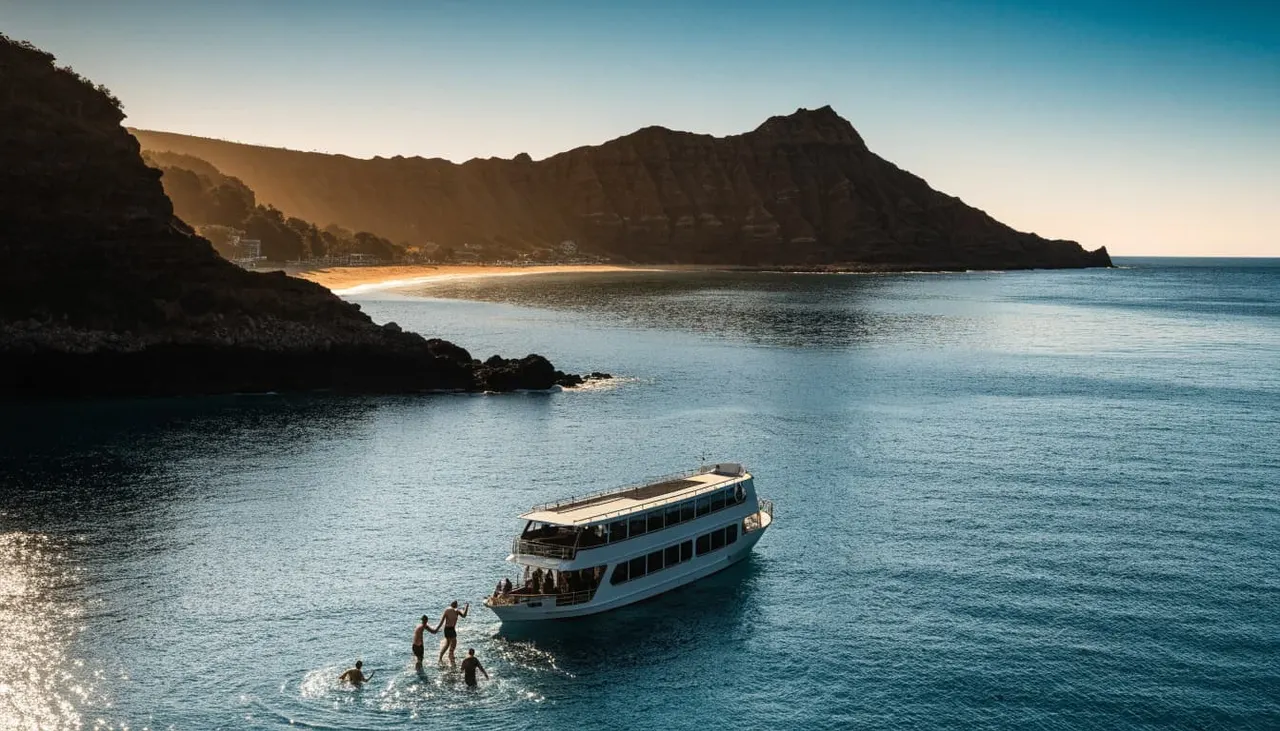
Living Ocean Tours departs from Kewalo Basin Boat Harbor, minutes from Waikiki. Its Coast Guard-inspected double-decker vessels offer shaded seating, restrooms, dry storage, and sturdy ladders. You can compare the company’s Honolulu ocean tours if an organized reef outing sounds easier than choosing a shore entry.
Living Ocean Tours is the only Oahu tour company with professional snorkel guides. That in-water help is valuable when you’re learning to fit a mask, use flotation, or give wildlife room. The crew still assesses conditions on the day; a booked trip never overrides an ocean safety decision.
Pick the guided outing that matches your group
Both snorkel trips leave the shoreline logistics to the crew, but they offer different days on the water. Decide whether your group most wants time near turtle habitat or a longer outing with room for water play.
Turtle Canyons puts wildlife first
The Turtle Canyons Snorkel Excursion visits a natural turtle cleaning-station area off Waikiki. Living Ocean Tours reports a 95% historical turtle-sighting rate, but Hawaiian green sea turtles are wild animals. You may see one, several, or none on a given trip.
For couples and families who want a focused snorkel, the crew provides gear guidance and professional in-water support. You can CHECK AVAILABILITY for a Turtle Canyons trip that fits your schedule.
The Deluxe cruise adds water play
The Deluxe Waikiki Snorkeling and Wildlife Cruise visits a less-crowded reef and adds a boat-mounted water slide, water trampoline, and floating lily pad. It’s a good match when some people in your group want to snorkel while others want more ways to enjoy the water.
The Lokahi’s SeaKeeper stabilization system helps reduce boat roll, which may add comfort if you’re sensitive to movement. You can CHECK AVAILABILITY for the Deluxe cruise before settling the rest of your day’s plans.
Give the reef and its wildlife room
A turtle encounter is better when the animal sets the distance. If one swims toward you, stay calm, avoid blocking its path to the surface, and let it pass. Never chase, feed, or touch a turtle for a closer look or photo. Hawaii’s sea turtle guidance explains how close contact can stress these protected animals.
The same hands-off rule applies to coral. Keep your fins above the reef, and don’t stand on coral to adjust your mask. If you need a pause, use your flotation or return to the boat or a suitable sandy area. Observe fish without following them into shallow coral.
When you’re snorkeling Oahu in April, visibility can change after rain or as wind stirs the water. Poor visibility makes it harder to judge your distance from the reef and other swimmers. Head back if you can’t comfortably see where you’re going.
Build an April plan with room to change it
Give yourself an early option, a backup location, and enough time to check conditions before getting wet. If you have several days on Oahu, avoid leaving your only snorkel opportunity until the final afternoon. A flexible plan gives you a better chance to wait out wind or runoff without rushing into poor water.
For a shore day, inspect the entry, watch the water for several minutes, and agree with your buddy on when to turn back. For a boat day, arrive ready to tell the crew about your swimming comfort and any gear concerns. Their guidance can help you enjoy the reef at your own pace.
The best spring memory may be a turtle passing beneath you, or it may be a calm first float with Diamond Head in view. Either one depends on making a sound decision before you enter.
Plan for the water you find
April’s warming water makes Oahu inviting, but the season still calls for care with swell, wind, and runoff. Same-day conditions should decide where and whether you snorkel.
Choose a manageable entry, give wildlife space, and ask for guidance when you need it. You’ll enjoy more of the reef when you aren’t fighting the ocean to get there.


