
Snorkeling Oahu With a Swim Diaper: What Parents Should Know
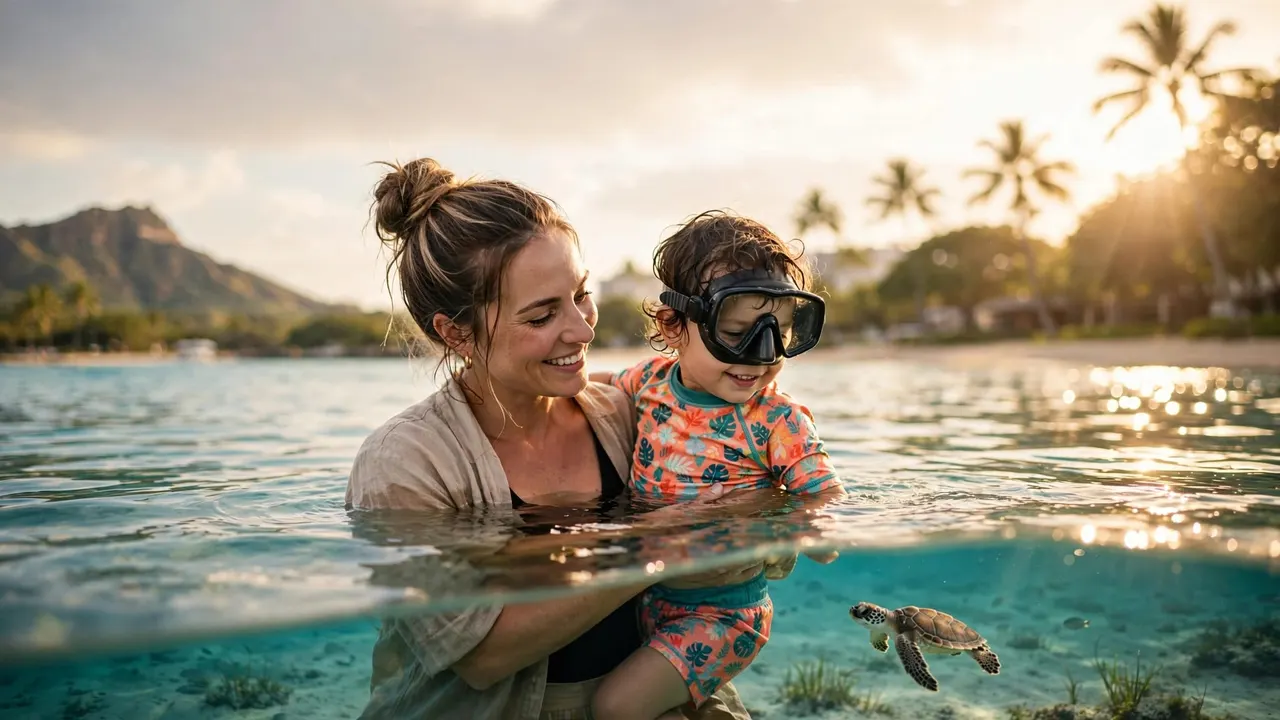
A swim diaper can make beach logistics easier, but it doesn’t turn a toddler into a ready snorkeler. For snorkeling Oahu with a young child, calm water, close supervision, and a flexible plan matter far more than any one piece of gear.
Living Ocean Tours is Oahu’s top-rated and most-reviewed snorkel company, offering family-focused boat outings near Waikiki. It is also the only tour company with professional snorkel guides in the water with you, which gives first-time families direct support with gear, flotation, and comfortable water entry.
Your child’s happiest first ocean experience may be ten minutes of floating, looking at fish, and returning to the boat for a snack. Let comfort set the pace.
Key takeaways for a family snorkel day
- A swim diaper is for containment during a short outing. It does not prevent all water contamination or replace frequent checks and prompt changes.
- Living Ocean Tours welcomes guests ages 3 and up. Babies and toddlers under 3 can’t join its tours, even if they wear a swim diaper.
- For snorkeling Oahu, morning often gives young children fresher energy and may bring calmer conditions. Still, check the water on the day.
- Your child doesn’t need to enter the water to enjoy a boat trip. Watching turtles, fish, and the Waikiki shoreline from shaded seating can still feel special.
- Keep children near a trusted adult, use appropriate flotation, and stop before they become cold, tired, or overwhelmed.
A short, relaxed float is a better first snorkel than a long session that leaves your child scared of the water.
What a swim diaper can and cannot do
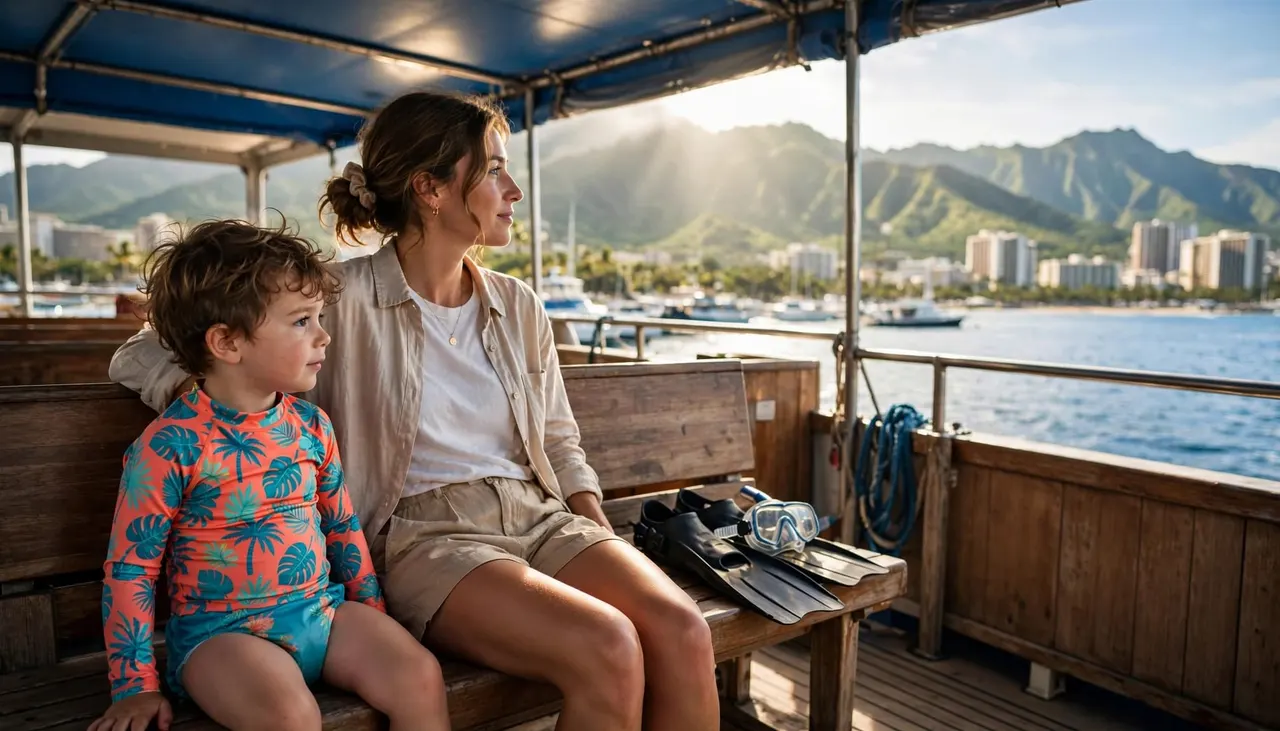
A properly fitted swim diaper is helpful for a diaper-aged child during beach play or a short water session. However, it is not a hygiene guarantee, and it is not safety equipment.
Swim diapers do not block every germ
The CDC’s tips for using swim diapers explain that swim diapers and swim pants do not keep germs such as Cryptosporidium from contaminating the water when a child has diarrhea.
Skip ocean time if your child is sick, has diarrhea, or seems unwell. Bring clean diapers, wipes, disposal bags, and a full change of dry clothes. Change diapers well away from the water and wash hands before returning to the beach or boat.
A reusable swim diaper should fit snugly around the waist and legs without leaving deep marks. Test it at home first, because an unfamiliar fit can distract a child before the fun begins.
A diaper is not flotation or supervision
A swim diaper does not provide buoyancy, sun protection, or reassurance in moving water. Pair it with a rash guard, hat for time aboard, and flotation gear that your child has worn comfortably before.
Stay within arm’s reach when your child is in the water. If you are traveling with another adult, decide who has child duty before anyone enters. Switching roles later gives each adult time to snorkel without losing focus on the child.
Pack for comfort, not complexity
You don’t need a giant bag for a successful family reef outing. You need items that let your child warm up, hydrate, and change quickly.
Bring familiar gear whenever possible
Many preschoolers prefer their own goggles or mask because they already know the fit. If your child dislikes a snorkel, don’t force it. Face-down fish watching in a mask can be a positive first step.
Pack a lightweight towel, dry shirt, drinking water, simple snacks, and a warm cover-up. A rash guard also helps limit sun exposure while your child plays near the water.
Before departure, ask about children’s gear sizes and flotation choices. Living Ocean Tours supplies snorkel equipment and guidance, but telling the crew about a small face, sensory sensitivity, or water nerves helps them support your family.
Plan for a short first session
Young children often have fun in the water for less time than parents expect. Give them a clear signal for a break, such as raising a hand or tapping your arm.
A seat in the shade, a towel, and a snack can reset the mood fast. Don’t frame a return to the boat as quitting. It is good judgment, especially when you are snorkeling Oahu with a preschooler in open water for the first time.
Choose family support for snorkeling Oahu
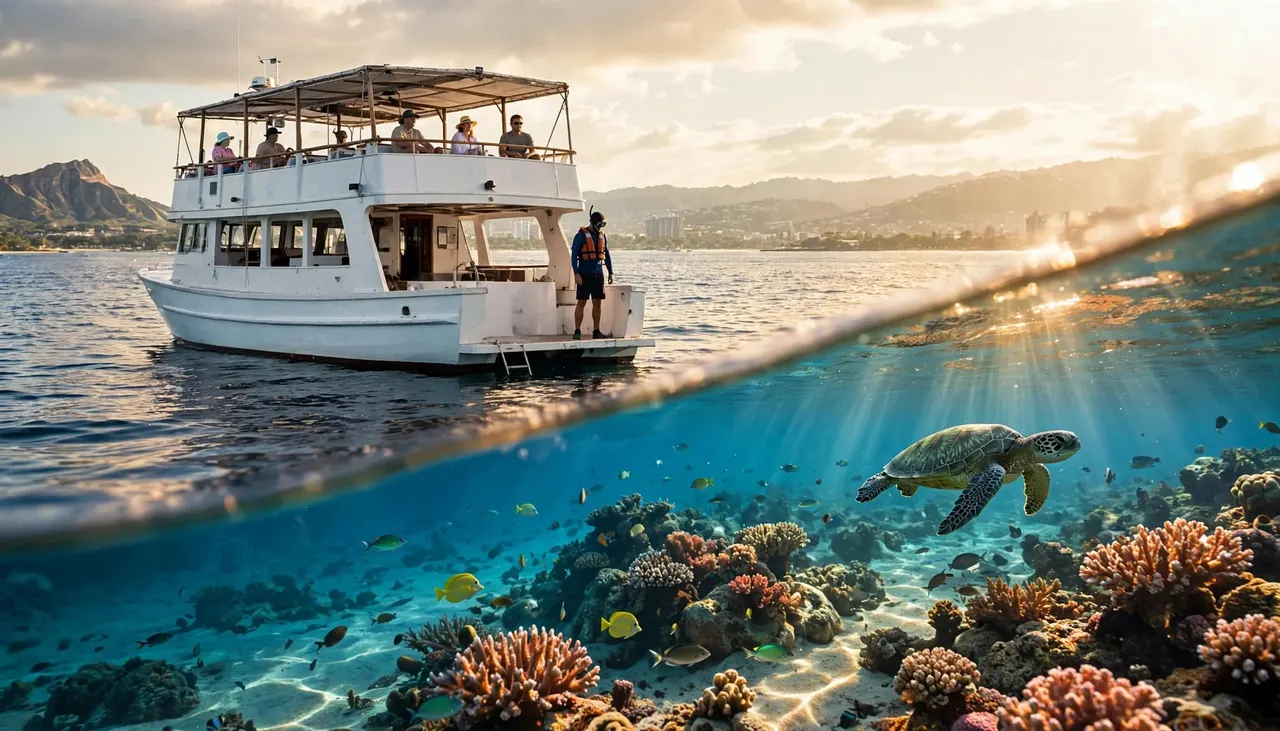
A guided trip can remove several hard parts of a shore snorkel: finding a suitable entry, carrying equipment, handling shore break, and deciding where to swim. It also gives a nervous child a clear place to rest.
Ask about age rules before booking
Every operator has its own minimum-age policy, so confirm it before making plans. Living Ocean Tours lists its family-friendly turtle snorkeling trips for ages 3 and up, with a two-hour duration for the listed outing.
The company departs from Kewalo Basin Boat Harbor, minutes from Waikiki. Its double-decker vessels have shaded seating, onboard restrooms, dry storage, and sturdy ladders, which can make a family ocean day feel less demanding.
You can compare family-friendly Turtle Canyon snorkeling tours before choosing an outing that fits your child’s age and confidence.
Pick a turtle-focused trip when wildlife is the goal
The Turtle Canyons Snorkel Excursion travels along Waikiki’s coast to a natural turtle cleaning station where Hawaiian green sea turtles may visit. Living Ocean Tours reports a 95% turtle-sighting success rate, although no wildlife encounter is guaranteed.
Professional snorkel guides can help with mask fit, breathing, body position, and where to wait after a swim. Tell them if your child is new to the ocean or if you want to remain aboard during the water portion.
For a turtle-focused family outing, you can CHECK AVAILABILITY before building the rest of your Waikiki schedule.
Check conditions before your child enters
Daily conditions should overrule a fixed itinerary. Wind, swell, visibility, current, and shore break can change quickly around Oahu.
Review the local beach forecast
Check Hawaii Ocean Safety before heading out, especially if you plan to snorkel from shore. Its beach-condition resources help you check current information for lifeguarded beaches.
When you arrive, look beyond the color of the water. Whitewater over the reef, wind-blown chop, murky runoff, or a strong shore break are reasons to change plans. Beach play, sightseeing, or staying on the boat can still make for a great day.
Let your child’s behavior guide you
A child who is hungry, overtired, cold, or afraid doesn’t need encouragement to push through. They need a break. Return to shade, offer water, and let the ocean remain a positive place.
Morning can work well because children are often rested and winds may be lighter. Yet the right time is the time when conditions are calm and your child feels ready.
Teach reef and turtle respect before the swim
Snorkeling Oahu gives your child a close look at a living reef. A few simple rules protect the wildlife and make the experience calmer for everyone.
Give turtles plenty of space
Hawaiian green sea turtles are protected wildlife. Stay at least 10 feet away, whether you are in the water or standing on shore. Never touch, feed, chase, surround, ride, or block a turtle’s path.
If a turtle changes direction, stop moving forward and let it pass. Your child will learn more from a quiet observation than from trying to get closer for a photo.
Keep hands and fins off coral
Coral is living habitat, not a handhold. Explain that your child should float, hold a flotation device, or return to the boat when they need a rest.
Don’t stand on the reef to clear a mask or adjust a fin. Professional snorkel guides can help solve a gear issue while you and your child stay safely above the coral.
FAQ about swim diapers and snorkeling Oahu
Can a child wear a swim diaper on a snorkel tour?
A child who meets the operator’s age requirements can wear a properly fitted swim diaper during a tour. However, the diaper does not replace supervision, flotation, or a calm ocean plan. Living Ocean Tours requires guests to be at least 3 years old.
Should my child snorkel if they cannot swim?
A child who cannot swim should not enter open water without close adult supervision and suitable flotation support. On a boat trip, they can enjoy the view from the deck until they are comfortable enough for a brief, guided water session.
Is a longer cruise better for a young family?
It depends on your child. Some families prefer a focused turtle outing. Others may enjoy the Deluxe Waikiki Snorkeling and Wildlife Cruise because it adds a waterslide, water trampoline, and floating lily pad alongside reef time.
What should we do if my child wants to stop snorkeling?
Return to the boat or shore without debate. Offer a towel, water, and shade. A child who ends their first snorkeling Oahu session feeling safe is more likely to want another ocean adventure tomorrow.
A calm first snorkel is the win
A swim diaper is one small part of preparing for snorkeling Oahu with a young child. The stronger plan is to choose gentle conditions, pack for easy breaks, stay close, and give your child full permission to stop early.
When you choose support, respect wildlife, and follow your child’s pace, you create a positive first ocean memory that lasts much longer than a single swim.


