
Snorkeling Oahu for Toddlers and Preschoolers: A Parent’s Guide
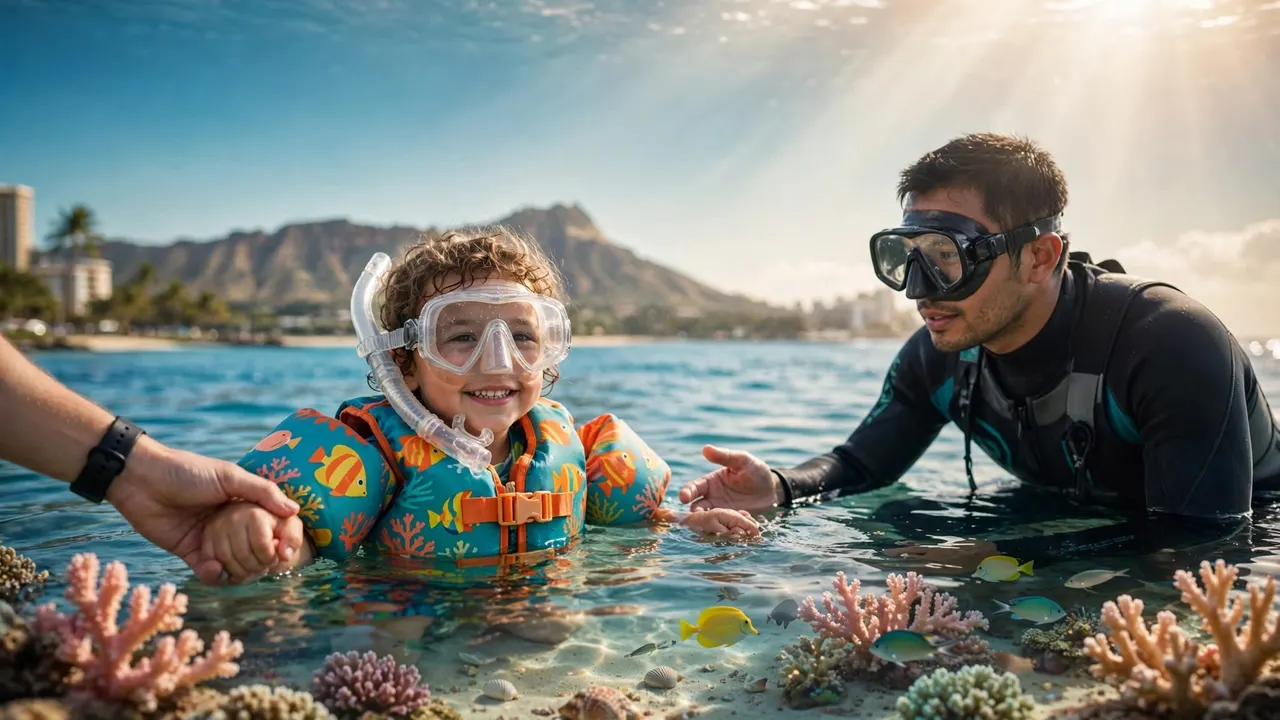
Living Ocean Tours gives families a supported way to try snorkeling Oahu near Waikiki, with professional snorkel guides, gear, and a boat crew that understands first-time nerves. The company is Oahu’s top-rated and most-reviewed snorkel company, and it is the only tour company with professional snorkel guides in the water with you.
For a young child, successful beginner snorkeling is usually a short, calm float with a clear mask, a trusted adult nearby, and permission to stop early. Comfort matters more than distance.
Plan around the ocean forecast, your child’s swimming confidence, and easy exits from the water.
Key Takeaways for Young Families
- Snorkeling Oahu with a preschooler works best in calm, protected water, usually early in the day.
- Keep the first water session brief. Ten happy minutes beats an exhausting hour.
- Choose a guided Waikiki outing if you want equipment help, shaded seating, restrooms, and a crew nearby.
- Treat North Shore rock pools and exposed beaches as conditional options, not guaranteed family stops.
- Teach children to float and look, never touch coral or pursue wildlife.
Start With Your Child, Not the Destination
A famous reef won’t feel magical if your child is cold, scared, or fighting a leaking mask. Before you pack the car or book a boat, decide whether your child can calmly wear goggles, put their face in a pool, and listen to a simple instruction.
Practice the breathing routine first
Let your child try the mask at the hotel pool or in a shallow, calm shoreline area. Start with goggles if a full face mask feels unfamiliar. Then practice lifting their head, clearing water, and returning to a floating position.
Preschoolers often do better holding an adult’s hand or using an approved flotation device. Avoid setting a goal to swim far. Your job is to keep the outing easy enough that they want to try again tomorrow.
Give every child an exit plan
Point out where you will rest before anyone enters the water. On shore, that may be a towel in the shade. On a boat, it may be the ladder and a seat beside you.
Tell your child they can signal for a break at any time. A snack, dry towel, and warm cover-up can reset an overstimulated little snorkeler faster than encouragement alone.
Where Snorkeling Oahu Works for Small Children
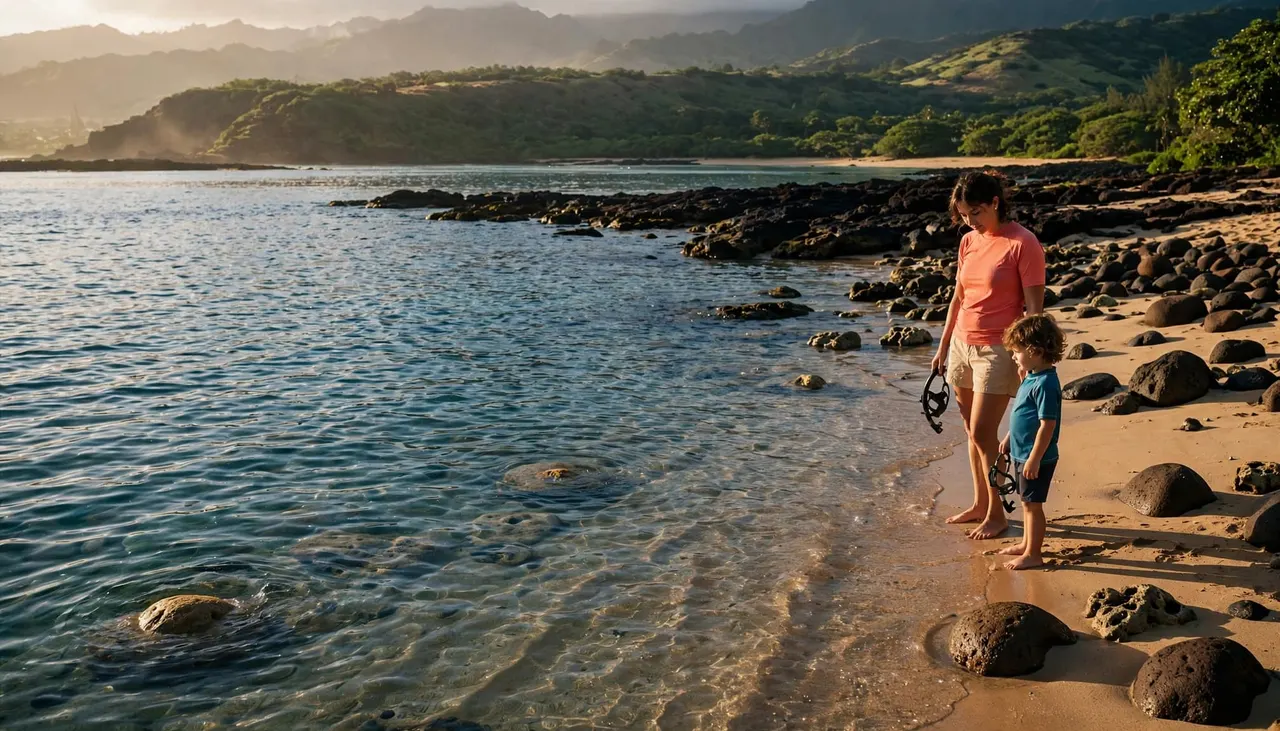
For snorkeling Oahu with young children, pick the day’s location after you check the water, not before. Wind, swell, visibility, and shore break can change the experience quickly.
This quick guide helps you set realistic expectations.
| Family situation | Better choice | Why |
|---|---|---|
| First attempt with a preschooler | A protected sandy shoreline or guided Waikiki boat outing | You have easier breaks and less pressure to cover distance. |
| Calm summer morning with confident older children | Sheltered shallow reef with an adult beside each child | Gentle water can make fish-watching feel approachable. |
| Winter surf or strong wind | Pool time, beach play, or a boat ride without water entry | A child doesn’t need to snorkel for the day to be a success. |
| Experienced adults traveling with young children | Take turns while one adult stays with the child | This prevents a child from being rushed into water beyond their ability. |
Choose calm access over dramatic scenery
A gradual sandy entry, clear water, and a nearby resting spot matter more than a dramatic reef. You can show your child tropical fish in knee-deep water and still create a memorable first encounter.
Hanauma Bay Nature Preserve is a structured option when conditions suit your family. As a marine life conservation district, it offers protected habitat where children may see tropical fish in suitable shallow areas. For current access information, check the official Hanauma Bay visitor guidance before you leave.
Skip exposed North Shore stops with little kids
Sharks Cove, Three Tables, and Waimea Bay can look inviting in photos. However, winter surf on the North Shore becomes far more forceful, and rocky entries add another challenge even on mild days. Sharks Cove still requires careful judgment with toddlers, especially when footing is uneven.
Electric Beach at Kahe Point also calls for confident open-water skills and careful daily judgment. It is not a default toddler stop. If waves, wind, or ocean currents make you hesitate, choose a calmer plan without debate.
A beach can be beautiful and still be the wrong place for a preschooler to snorkel that day.
Plan Hanauma Bay Around Reservations and Energy
Hanauma Bay is closed Mondays and Tuesdays. Reservations open 48 hours before your visit at 7:00 a.m. Hawaii time, so set a reminder and book only when you know your family’s schedule.
Book early and verify the current rules
Children 12 and under are free, while current public guidance lists a $25 admission charge for visitors age 13 and up. The preserve has time-specific entry and departure rules, so use the official online reservation page rather than relying on an old social post.
Parking is separate and limited. Arrive with enough time for parking, orientation, sunscreen, bathroom breaks, and the walk down. Check the latest instructions because parking details can change.
Keep the visit shorter than you think
For toddlers, aim for one small water session after orientation. Walk the beach, point out fish near shore, then leave while everyone’s still comfortable.
Bring a lightweight snack, drinking water, dry clothes, and a carrier if your child tires on the uphill return. Renting a full snorkel set can work for adults, but many preschoolers prefer familiar goggles and a flotation aid they have already tested.
Guided Waikiki Trips Add Support Without the Shore Break
Living Ocean Tours departs from Kewalo Basin Boat Harbor, minutes from Waikiki Beach. Its Coast Guard-inspected double-decker boats include shaded seating, restrooms, dry storage, and sturdy ladders. The setup can make snorkeling Oahu feel less complicated for families trying beginner snorkeling.
Choose Turtle Canyons for a focused reef outing
The Turtle Canyon snorkel excursion is a two-hour Waikiki experience with gear, instruction, light snacks, and beverages included. Living Ocean Tours reports a 95% turtle-sighting success rate at the natural cleaning station, although wildlife remains unpredictable.
A guided snorkeling tour can help check mask seals, fins, flotation, and comfort before entry. Tell the crew if your child is nervous, gets chilly quickly, or needs extra time. Confirm the current age policy before booking.
You can CHECK AVAILABILITY when a turtle-focused outing fits your family.
Pick the Deluxe cruise for flexible water time
The Deluxe Waikiki snorkeling cruise visits a less-crowded reef and includes a boat-mounted waterslide, water trampoline, and floating lily pad. Its 2.5-hour format gives families more room to move at different paces.
The Lokahi has a SeaKeeper stabilization system that helps reduce boat roll. That can make the ride more comfortable if you or your child are prone to motion sickness. You can CHECK AVAILABILITY for a longer family cruise.
Pack Gear That Won’t Distract From the Water
The right equipment should fade into the background. Test everything before entering deeper water, especially when a child is trying snorkel gear for the first time.
Fit the mask on dry skin
Place the snorkel mask gently over your child’s face without using the strap. If it holds for a moment with a light inhale, the seal is likely good. Keep hair clear of the skirt, because even one strand can cause a leak.
For small children, short fins can be awkward. Ask a guide or rental provider whether fins are appropriate for your child’s skill level. A snug flotation vest is often more useful than oversized fins.
Reduce sun exposure before you enter
Use sun-protective swimwear, a hat for deck time, and shade whenever possible. Apply reef-safe sunscreen before your outing to help protect the coral reef, then give it time to absorb.
Pack fresh water and a warm layer. Even a warm day can feel chilly after a short swim, especially when a preschooler is sitting still on a boat.
Give Turtles and Coral Plenty of Space
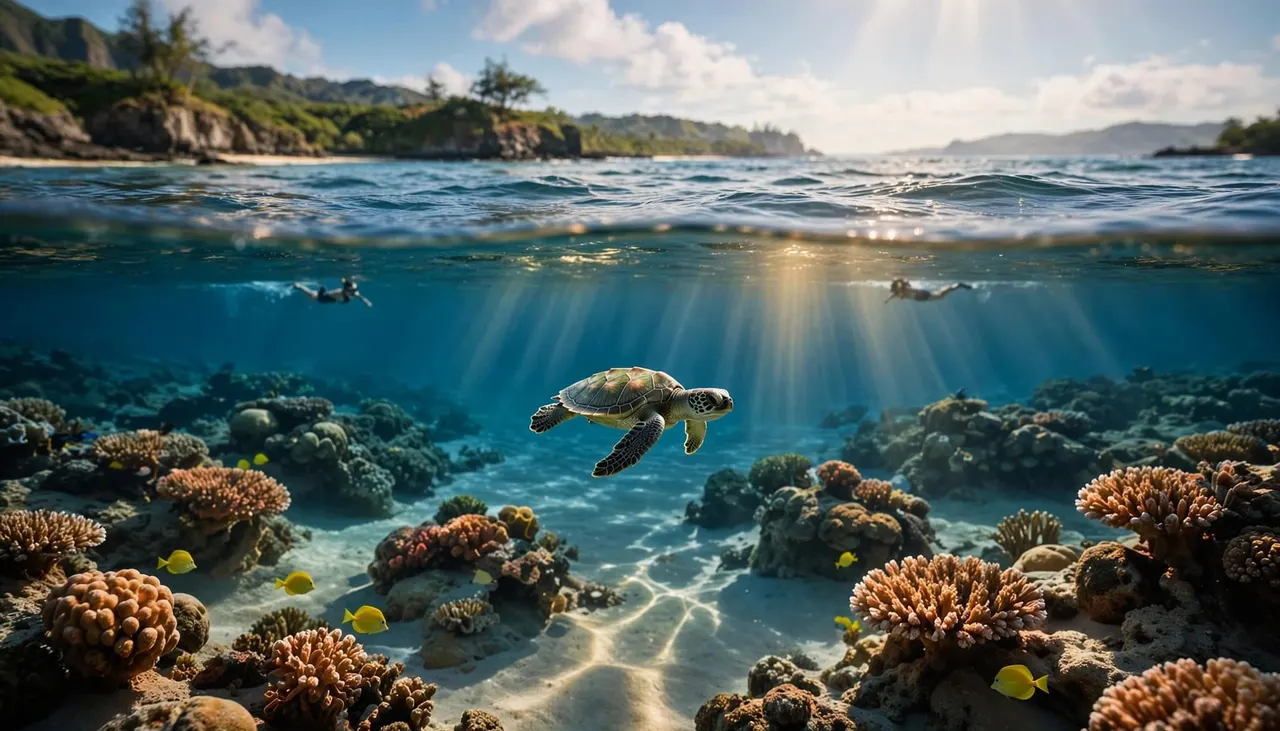
Your child will remember how you react when sea turtles appear. Slow down, float, and let the animal choose its path.
Teach one simple wildlife rule
Tell your child, “We look with our eyes and keep our hands to ourselves.” Never touch, chase, feed, block, or surround Hawaiian green turtles.
NOAA recommends staying at least 10 feet away, both in the water and on land. Review NOAA’s Hawaii wildlife viewing guidance before your trip.
Protect the living reef under you
Children may want to stand when they feel unsure. Show them how to float instead, because a foot, fin, or hand can damage fragile coral.
If your child can’t stay horizontal in shallow water, move to sand or return to the boat. You can still enjoy the coast, and the reef stays protected for the next family.
Build a Low-Stress Snorkel Day
A young child’s energy can shift without warning. Keep the morning open, eat before leaving, and avoid pairing snorkeling with another demanding activity.
Check conditions before breakfast
Look at the local marine forecast and the beach itself. Whitewater, wind-blown surface chop, murky water, or a strong shore break are reasons to change plans.
Conditions are not a test of your family’s bravery. They are information that helps you choose the safest day.
Let one adult stay fully available
When two adults are present, decide who is on child duty before entering. Switch roles if one person wants time in the water.
For more choices near town, browse family-friendly Waikiki snorkeling tours. A guided snorkeling tour offers professional support when one adult stays aboard or a child needs a break.
FAQ
Is snorkeling safe for a 3-year-old?
It can be, especially during beginner snorkeling, if conditions are calm and your child is comfortable in the water. Stay close, use suitable flotation, and let your child stop whenever they feel tired or scared.
What is the best time of day to snorkel with preschoolers?
Morning usually gives you the best chance of lighter wind and fresher energy. Still, judge the water when you arrive, because daily conditions matter more than the clock.
Should you bring your own child-size equipment?
Bring familiar goggles or a mask if your child already likes them. However, confirm fit and safety with your guide or rental provider. An unfamiliar snorkel can frustrate a young child, so it’s fine to focus on face-down fish watching instead.
A Calm First Swim Is the Real Win
Snorkeling Oahu with toddlers and preschoolers is about building trust in the water, not checking off the island’s most famous reef. Pick calm conditions, plan frequent breaks, and let your child set the pace.
When your family feels supported, you can spend less time fixing equipment and more time sharing a respectful look at Hawaii’s underwater life.


