
Snorkeling Oahu: How to Choose a Reef-Safe Camera Strap
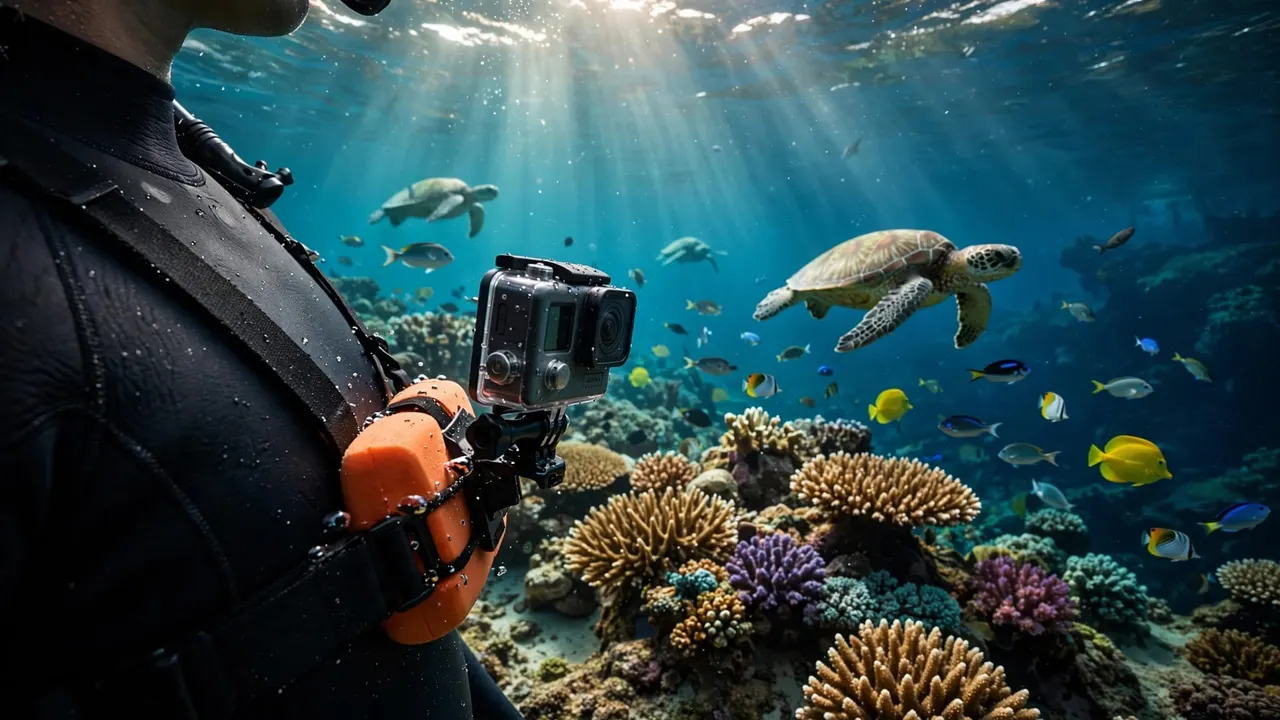
A camera strap can decide whether you spend your reef time watching turtles and fish or chasing loose gear through the water. For snorkeling Oahu, choose a setup that stays close to your body, doesn’t trail across coral, and lets you return your camera to a secure position quickly.
Living Ocean Tours brings beginners, families, and experienced swimmers out from Kewalo Basin Boat Harbor near Waikiki. As Oahu’s top-rated and most-reviewed snorkel company, it is also the only tour company with professional snorkel guides in the water to help you manage gear, flotation, and reef etiquette.
A reef-safe strap isn’t a formal product certification. It is a practical choice and a careful way of using your camera around living coral and wildlife.
What “reef-safe” means for a camera strap
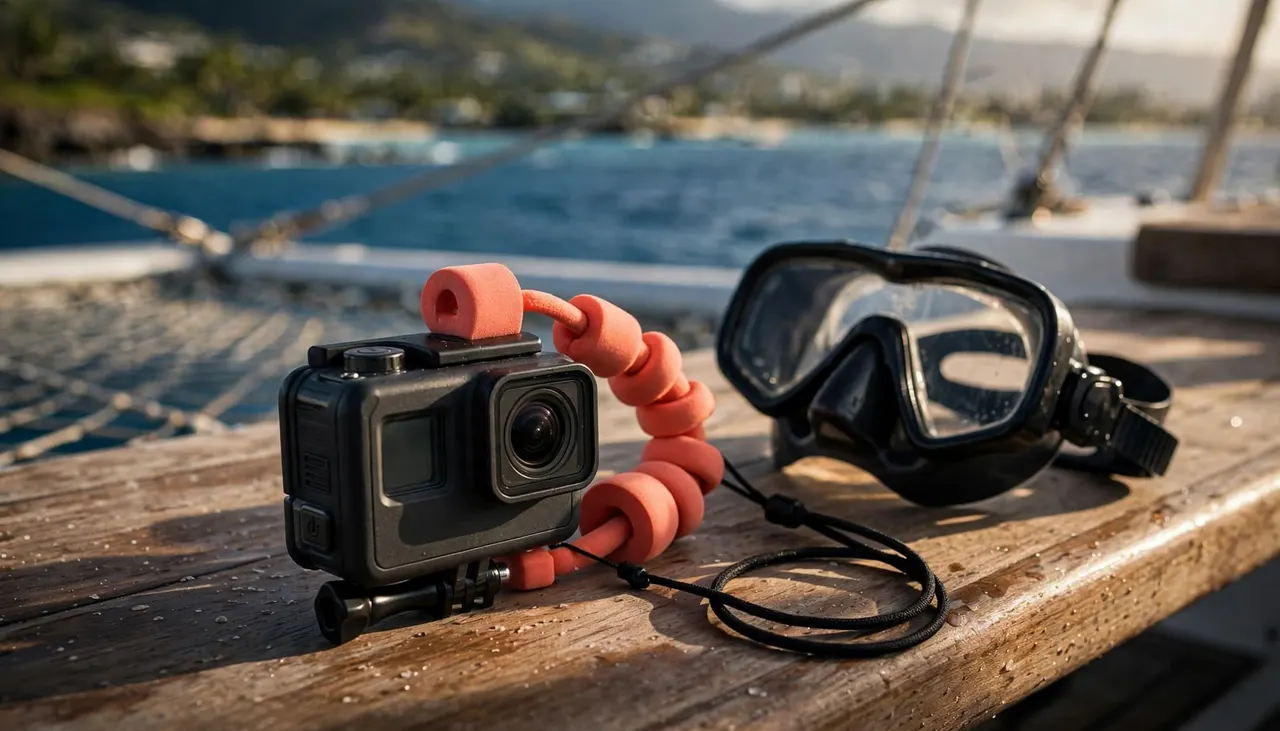
Marketing language can make any ocean accessory sound harmless. However, the strap alone doesn’t protect a reef. Your fit, movement, camera position, and awareness do.
Avoid loose or trailing pieces
Skip straps with long, free-hanging cords that can drift below your waist. A short, controlled strap is easier to keep clear of your mask, fins, flotation vest, and the reef below.
Before you enter the water, remove decorative charms, dangling clips, loose lanyards, and anything that could snag. If a component is not needed for secure camera use, leave it in dry storage.
Treat the label with healthy skepticism
“Reef-safe” should mean you can use the item with minimal clutter and maximum control. It does not mean you can let it drag over coral or bring your camera too close to wildlife.
Hawaii’s coastal resources guide puts the responsibility on every visitor to help care for the shoreline and ocean. A compact camera setup supports that goal because it gives you less equipment to manage while you float.
Compare camera strap features before you buy
The best strap is the one you can attach, adjust, and check without taking your attention away from the water. Choose for control first, then comfort.
Floating wrist straps and secondary tethers
A floating wrist strap may be a useful option when the manufacturer states that it is compatible with your camera and housing. It should fit your wrist without slipping or cutting into your skin.
A secondary tether can add another point of retention, but keep it short. Test both attachment points on land, then inspect them again before each snorkel. Never assume a clip is secure because it clicked once.
Low-tangle construction
Look for a simple loop with a smooth adjustment point. Thick buckles, excess cord, and multiple accessories can catch on your gear or swing around when you kick.
A strap should sit close to your wrist or flotation vest when you are not filming. If it hangs near your knees, it is too long for comfortable reef snorkeling.
Camera-housing compatibility
Check the attachment point on your waterproof housing before you buy a strap. Some action cameras use a small mounting loop, while others rely on a case with a dedicated tether point.
Never attach a strap to a cover, door, or accessory that was not designed to carry the camera’s weight. If you are unsure, use the camera maker’s instructions or ask a knowledgeable guide before departure.
| Feature to compare | What to look for | What to avoid |
|---|---|---|
| Length | Short and easy to control | Cord that hangs near your fins |
| Attachment | A connection made for your housing | Clips attached to removable covers |
| Adjustability | A secure fit over bare skin or a rash guard | A loop that slides loose |
| Design | Simple, visible, and easy to inspect | Extra charms, cords, and bulky accessories |
A camera strap should make your setup calmer, not give you one more piece of gear to worry about.
Set up your camera for snorkeling Oahu
For snorkeling Oahu, prepare your camera before the boat reaches the reef. Trying to adjust a strap while treading water can pull your attention away from your breathing, fins, and surroundings.
Test it while dry
Attach the camera, close the housing, and give the connection a gentle check on the boat. Put the strap on over the same rash guard or swim shirt you plan to wear in the water.
Then practice returning the camera to your wrist or chest without looking down. You want that movement to feel automatic before you are floating above coral.
Keep a simple backup plan
If your camera feels awkward once you enter, return to the ladder or ask a guide for help. You don’t need to force a long snorkel with gear that distracts you.
For first-time snorkelers, a flotation device can make it easier to stay horizontal while you learn how your camera feels in the water. A relaxed body position also helps keep your fins away from the reef.
Your best footage comes after you have checked your position, your fins, and the water around you.
Use your camera without disturbing the reef
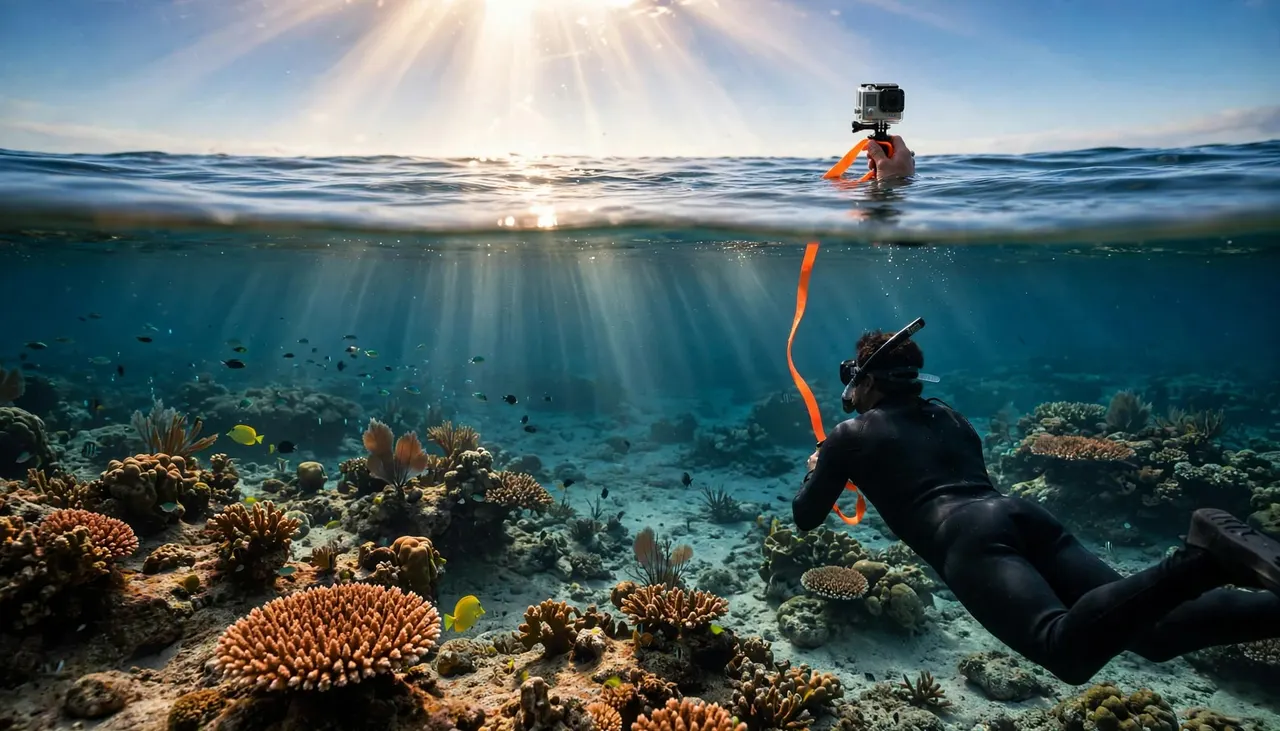
A camera can help you remember a reef day, but it should never become the reason you drift too close. Slow down before you frame a shot.
Stay horizontal above coral
Keep enough buoyancy to float rather than stand. If your mask fogs, a fin strap slips, or your camera needs adjustment, move to clear water or hold onto approved flotation support.
Coral is living habitat, not a handhold. Even shallow reef areas need space above them, so use gentle fin strokes and keep your body level.
Give turtles room to move
Hawaiian green sea turtles need clear water to surface, travel, and rest. Keep your body, camera, and fins out of a turtle’s path.
Do not touch, chase, feed, surround, or block a turtle for a closer image. If one turns toward you, stay calm and let it pass. A photo taken from a respectful distance often shows more natural behavior than a close approach ever could.
Choose guided support for your camera day
A guided trip can make snorkeling Oahu easier when you are carrying a camera, helping a child, or returning to the water after a long break. You get an organized entry plan instead of figuring out every detail alone.
Start with gear help and clear instruction
Living Ocean Tours provides gear, instruction, and in-water support for guests at different comfort levels. Professional snorkel guides can help you check a mask, flotation device, or camera strap before you begin exploring.
Tell the crew if you feel nervous in open water, get seasick, or need extra time with your equipment. Asking early gives you a better chance to settle in before the reef becomes the focus.
Pick a tour that fits your group
A Turtle Canyon snorkel tour in Waikiki is a good fit when you want guided reef time near a natural turtle cleaning station. Wildlife sightings depend on ocean conditions and the animals’ own movements, so enjoy the full reef rather than chasing a single moment.
Families who want more time on the water can choose a Deluxe Waikiki Snorkeling and Wildlife Cruise, which includes a less-crowded reef stop, waterslide, water trampoline, and floating lily pad. Both options let you bring a controlled camera setup while guides help you stay aware of the reef.
If a turtle-focused outing suits your plans, CHECK AVAILABILITY.
Key takeaways for your reef day
For snorkeling Oahu, choose a short camera strap that fits your housing, stays close to your body, and has no unnecessary dangling parts.
Test every attachment while dry. Keep your camera under control, especially while entering and exiting the water.
Use flotation support if it helps you stay horizontal. Never stand on coral to fix a mask, recover your balance, or adjust your camera.
Finally, put wildlife first. A turtle swimming freely and a reef left untouched are better memories than any rushed close-up.
Frequently asked questions
Is a floating camera strap automatically reef-safe?
No. A floating strap is not automatically reef-safe, and “reef-safe” is not a formal certification for camera straps. It may be useful if it fits your camera housing correctly and remains easy to control.
Your behavior matters more than the label. Keep the camera and strap close to you, avoid dangling cords, and never let your gear touch coral or wildlife.
Should you use a wrist strap or a neck lanyard?
A wrist strap is usually easier to keep close to your body while snorkeling. A neck lanyard can hang lower, swing as you kick, and become harder to manage around a mask and snorkel.
Whatever option you choose, test it before entering the water. If it feels distracting, bulky, or loose, store the camera and enjoy the snorkel without it.
Can beginners bring a camera while snorkeling?
Yes, although beginners should master calm breathing, mask comfort, and horizontal floating before focusing on photos. Start with short clips or a few still images near the boat.
A professional guide can help you settle your gear and stay aware of where your fins are. If the camera keeps pulling your focus away from the reef, put it away for the rest of the swim.
A Better Camera Setup Leaves More Reef Untouched
The right camera strap is simple, secure, and easy to manage. It supports a calm snorkeling Oahu experience because you spend less time untangling gear and more time floating safely above the reef.
Keep your equipment close, give wildlife room, and let the reef set the pace. Respectful observation will always outlast a perfect photo.


