
Snorkeling Oahu: Share the Water Safely With Boat Traffic
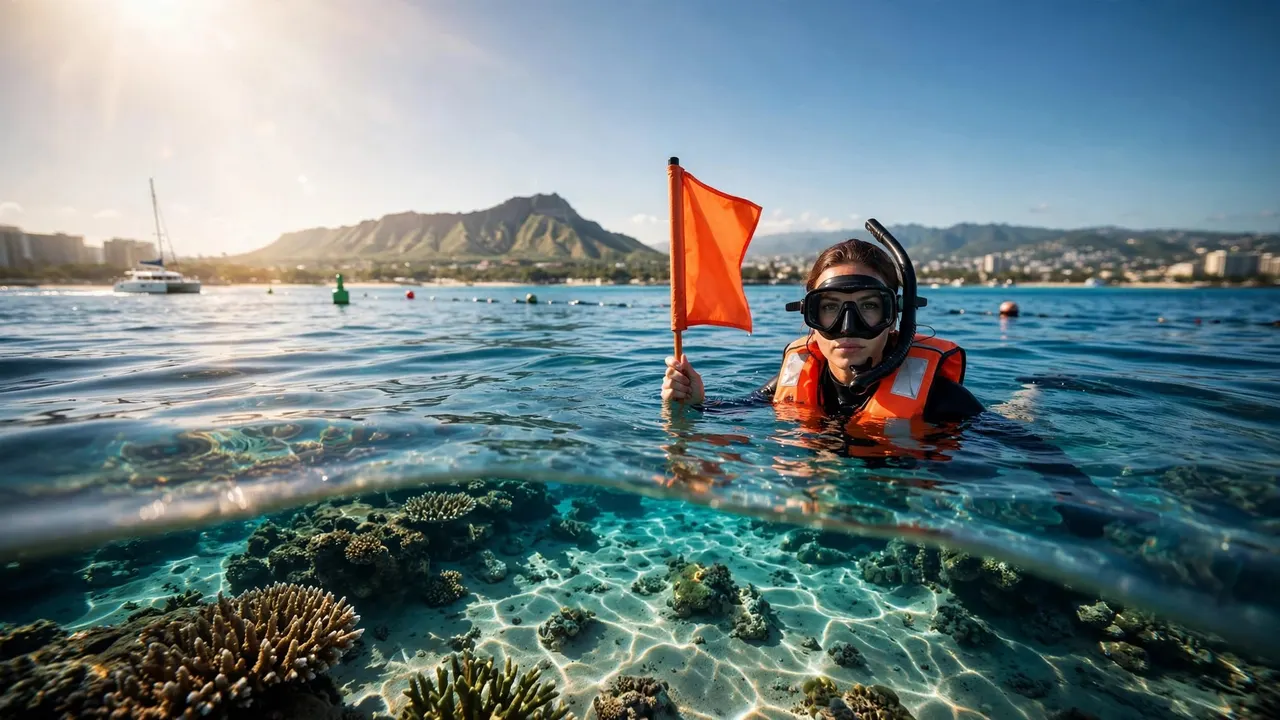
Boat traffic can change a relaxing reef swim in seconds, especially near harbors, offshore reefs, and busy Waikiki Beach waters. Stay visible, learn where boats travel, and use the safety tips below to stay prepared.
A popular beach isn’t automatically a good snorkel site when you arrive. Wind, swell, visibility, currents, and your comfort level should determine whether you enter the water.
Key Takeaways for a Safer Reef Day
Living Ocean Tours departs from Kewalo Basin Boat Harbor, minutes from Waikiki, with guided outings for beginners, families, and experienced swimmers. The company is the only tour operator with professional snorkel guides, so you have direct support in the water rather than trying to manage gear and boat activity alone.
Keep these priorities in mind before you enter:
- Stay out of navigation channels, harbor entrances, and any marked boat route.
- Choose the ocean conditions over a fixed vacation schedule.
- Float above coral and use sandy areas when you need to adjust your gear.
- Tell a guide or companion early if you feel tired, cold, dizzy, or unsure.
- Return to shore or the boat before fatigue affects your judgment.
A calm-looking surface can hide surge, current, and boat movement farther from shore.
Snorkeling Oahu Around Boat Traffic
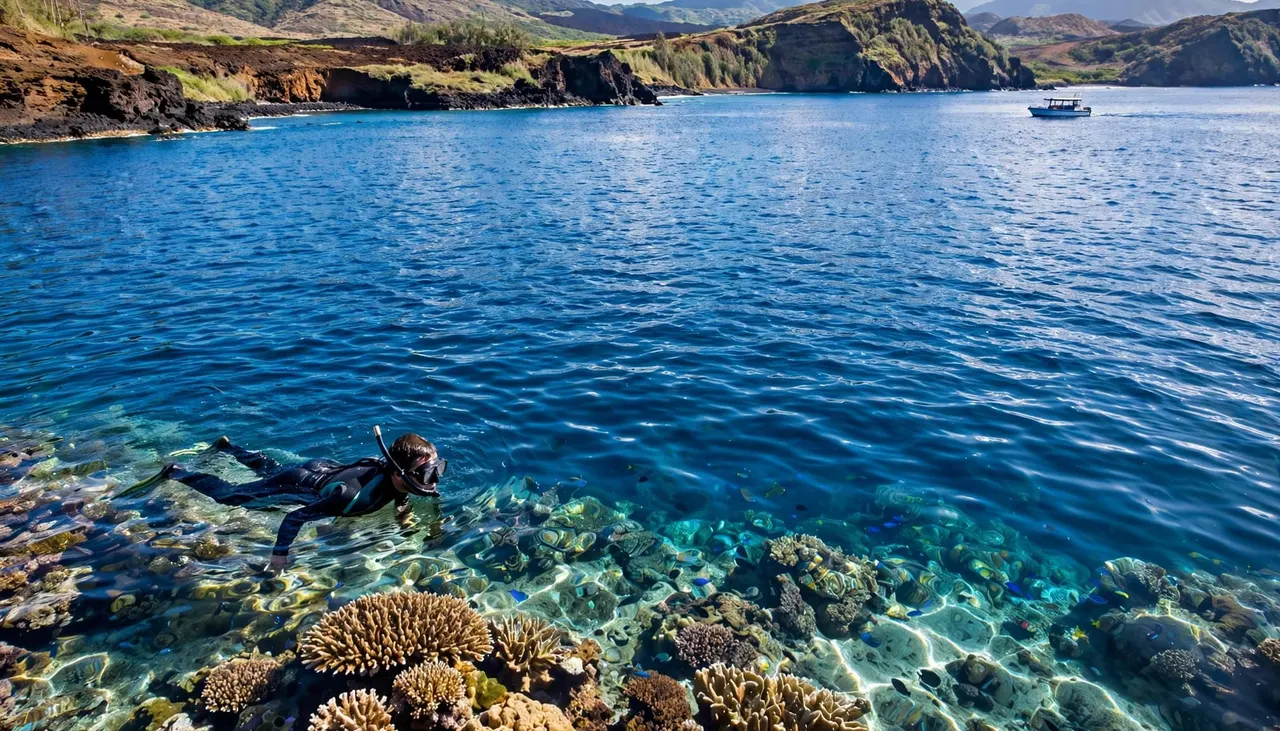
Safe snorkeling around Oahu means treating boats as a real part of the ocean environment. Captains watch for swimmers, but glare, surface chop, and captain blind spots can make a person difficult to see. Account for ocean currents as well as boat movement, and avoid predictable traffic areas instead of assuming every vessel has seen you.
Stay outside marked channels
Never drift into a marina entrance, a channel marked by buoys, or a route boats use to reach open water. These areas may look clear, yet a vessel can arrive quickly and has limited room to change course.
If your group starts moving toward a channel, turn around early. Swim parallel to shore or back toward your entry point instead of crossing a route used by boats. At an offshore reef, listen to the captain’s boundaries and stay within the area the crew identifies.
Use a diver flag the right way
Hawaii’s snorkeling and diving flag guidance gives boaters and swimmers a shared safety signal. Groups of two or more snorkelers may share one flag, and each person must stay within 100 feet of it.
Vessels generally shouldn’t approach within 100 feet of a diver flag, though slow, no-wake access and marked-channel rules can create exceptions. A flag isn’t permission to linger in a channel. It helps others see you in a suitable area.
Keep the boat in your awareness
Look up often, especially before changing direction or swimming farther from shore. Engine noise, wakes, vessel shadows, and a captain’s blind spots are signals to pause and reassess your location.
When you join a tour, wait for the crew’s invitation before using the ladder. Keep clear of the stern and propeller area, then move to the designated swim zone without lingering beside the hull.
Choose Your Snorkeling Spots by Conditions
The best snorkeling Oahu plan changes with the season, your swimming ability, and site exposure to surf or vessel traffic. For beginner snorkeling, choose a reef that matches your skills and today’s conditions. Pick the water that fits today, not the photo you saw online.
Hanauma Bay offers a protected shoreline setting
This protected shoreline setting is managed as a conservation district, with watercraft barred from the designated swimming and snorkeling area, according to the Hanauma Bay marine managed area rules.
That protection does not remove normal ocean hazards. Stay over sand when possible, never stand on coral, and avoid pushing beyond the bay’s comfortable swimming area. A few extra fin strokes can protect fragile reef habitat.
North Shore reefs need seasonal judgment
The North Shore’s Pupukea area includes Sharks Cove and Three Tables. These reefs can offer excellent visibility and tropical fish during calmer months, often from roughly May into early fall.
However, winter surf can make rocky entries at Sharks Cove and Waimea Bay dangerous. Don’t treat a summer reputation as a safety guarantee. If waves are breaking over the reef, visibility is poor, or water pulls strongly through channels, choose another activity. The ocean will still be there when conditions improve.
Electric Beach requires open-water confidence
Electric Beach, also called Kahe Point, attracts strong swimmers because of its offshore access and changing water movement. It is not a year-round beginner site.
Avoid this area if you are uneasy in deeper water, unfamiliar with current changes, or unable to manage a longer swim. Nearby boat activity and an exposed coastline make conservative choices especially important.
Plan Hanauma Bay Reservations and Arrival
Hanauma Bay is open Wednesday through Sunday and closed Monday and Tuesday. Admission reservations open two days ahead at 7:00 a.m. Hawaii Standard Time, and every visitor, including children, needs an entry ticket.
Use the preserve’s Hanauma Bay reservation information before setting your schedule. Your timed entry isn’t a parking reservation, so arrive with a backup transportation plan.
Parking can be the weak link
The parking area is first-come, first-served. The preserve lists standard passenger vehicle parking at $3, while Hawaii residents with valid identification pay $1. The booth is cash-only.
If parking fills before you arrive, don’t rush or make an unsafe roadside decision. Arrange a ride, return another day, or choose a different snorkel plan near your hotel.
Start early, but inspect the water
Morning often brings lighter wind and a smoother surface on Oahu’s south shore. Still, look at the water after you arrive. Rain runoff, a shifting wind, or unexpected chop can reduce water visibility and change your comfort level.
A flexible plan rewards you with safer choices. A shorter, calm session is always better than forcing a long swim through conditions that don’t feel right.
Gear That Helps You Stay Calm and Visible
These snorkeling tips make it easier to focus on your surroundings. The right snorkeling gear includes a low-volume mask that seals comfortably, a tested snorkel, and fins that fit without painful rubbing.
Check the fit before you enter
Test your snorkeling equipment before entering the water. Press the mask lightly against dry skin and inhale through your nose. It should stay in place without an overly tight strap. Ask for help immediately if water leaks in or your fins slip.
A rash guard and reef safe sunscreen protect your back and shoulders from sun exposure. You should also bring drinking water, a towel, secure swimwear, and a light layer for the return ride.
Protect the reef while you rest
Use flotation support if it helps you relax. Hover horizontally and keep your fins above coral reefs. If you need to clear your mask, move over a sandy patch or hold a flotation device.
Never grab reef rock for balance. Coral can cut you, and even a quick handhold can damage living habitat. Keep your distance from fish and sea turtles, then let wildlife choose its own path.
Guided Snorkel Tours Add Structure Near Waikiki
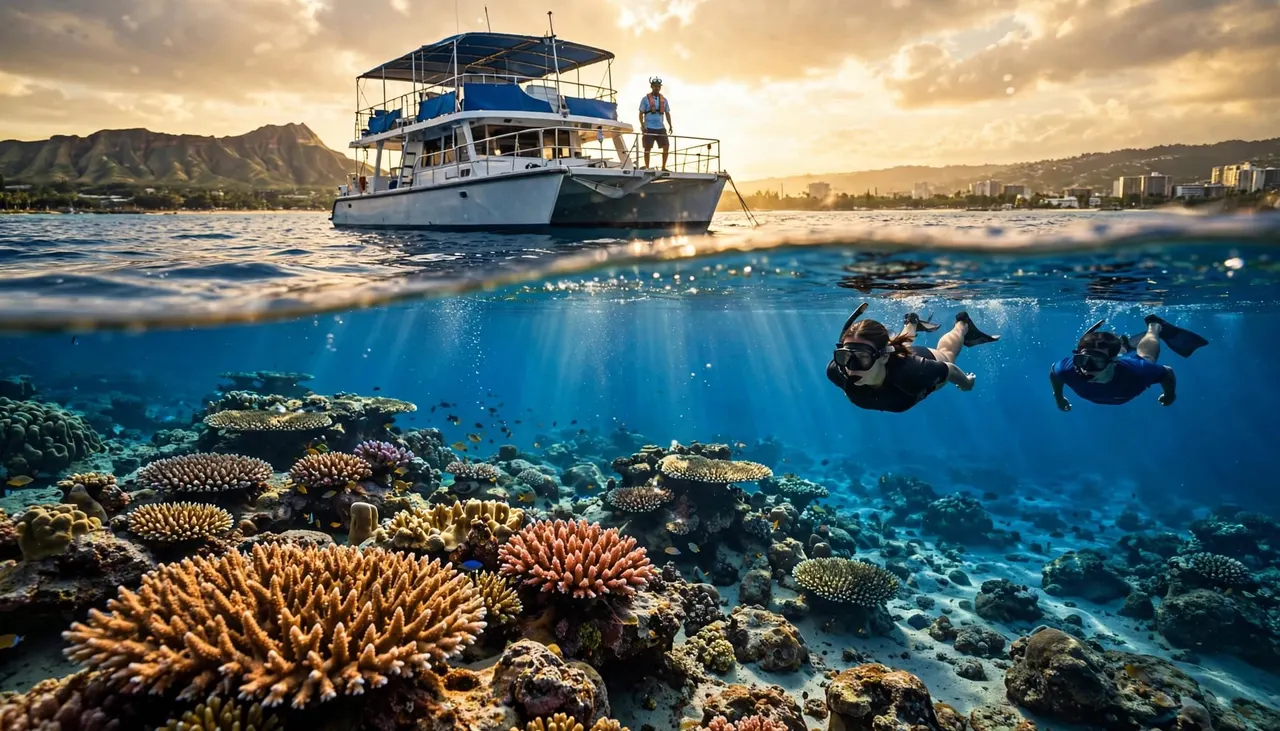
A guided snorkeling tour is useful when you want a clear entry plan, gear help, and crew members who monitor the activity area. Living Ocean Tours uses Coast Guard-inspected double-decker vessels with shaded seating, restrooms, dry storage, and sturdy ladders.
Living Ocean Tours is the only tour operator with professional snorkel guides. You can review the available outings before choosing one that suits your group and the day’s conditions.
Turtle Canyons suits many first-time snorkelers
The Turtle Canyons Snorkel Excursion visits Waikiki’s natural turtle cleaning area. Living Ocean Tours reports a 95% historical turtle-sighting rate, but marine wildlife remains unpredictable, and no encounter is guaranteed.
Professional snorkel guides help with mask fit, flotation, breathing, entry procedures, and reef etiquette. That support is valuable when you want to stay close to the boat or need help deciding when to take a break.
You can review the tour details and CHECK AVAILABILITY when your dates are set.
A family cruise gives you more room to reset
The Deluxe Waikiki Snorkeling and Wildlife Cruise visits a less-crowded reef and can showcase marine life. It also adds a water slide, trampoline, and floating lily pad. The Lokahi has a SeaKeeper stabilization system that reduces boat roll.
Let the crew know if you get motion sick, have a nervous swimmer, or need extra time with equipment. You don’t need to stay in the water longer than feels comfortable.
Make a Same-Day Go or No-Go Decision
Before leaving your hotel, check the wind, swell, weather, and beach warnings. Then assess the water in person. If waves break across your intended entry, the current looks strong, or water visibility is poor, skip the swim.
When snorkeling Oahu, the most reliable safety skill is changing your plan without disappointment. You can enjoy shoreline views, a boat ride, or another island activity while waiting for a better window.
If you do enter, agree on a meeting point with your group. Stay close enough to communicate, avoid separating to chase wildlife, and follow these safety tips: tell someone as soon as you feel tired or cold.
Frequently Asked Questions
Is beginner snorkeling near Waikiki safe?
It can be, especially on a guided snorkeling tour with favorable water conditions and flotation support. You should have basic swimming ability, follow the crew’s boundaries, and stay close enough to hear instructions.
Boat access can also spare you a difficult rocky entry. However, surface chop and changing conditions can still limit water time.
Can you see turtles or dolphins while snorkeling?
You may see turtles at offshore cleaning areas, but sightings depend on the animals and conditions. Give every turtle plenty of room and never touch, block, or pursue it.
Dolphins are also wild animals, not a promised part of any snorkel session. Enjoy a sighting from a respectful distance if one occurs.
Do public lifeguards cover every snorkel site?
No. Lifeguard coverage is limited to designated beaches and operating hours. A boat crew manages its passengers and immediate activity area, while Honolulu Ocean Safety handles public beach and near-shore emergencies.
Carry a charged phone when you snorkel independently, and call 911 for immediate danger.
Put Safety Ahead of the Perfect Photo
A safer Oahu snorkel day starts with choosing a site that matches the conditions. Respect boat routes, leave coral untouched, and don’t prove your confidence by swimming farther or staying out longer.
The best memories come from a relaxed float, a clear route back, and good judgment when the ocean asks you to wait.


