
Snorkeling Oahu: Fins That Fit Wide Feet
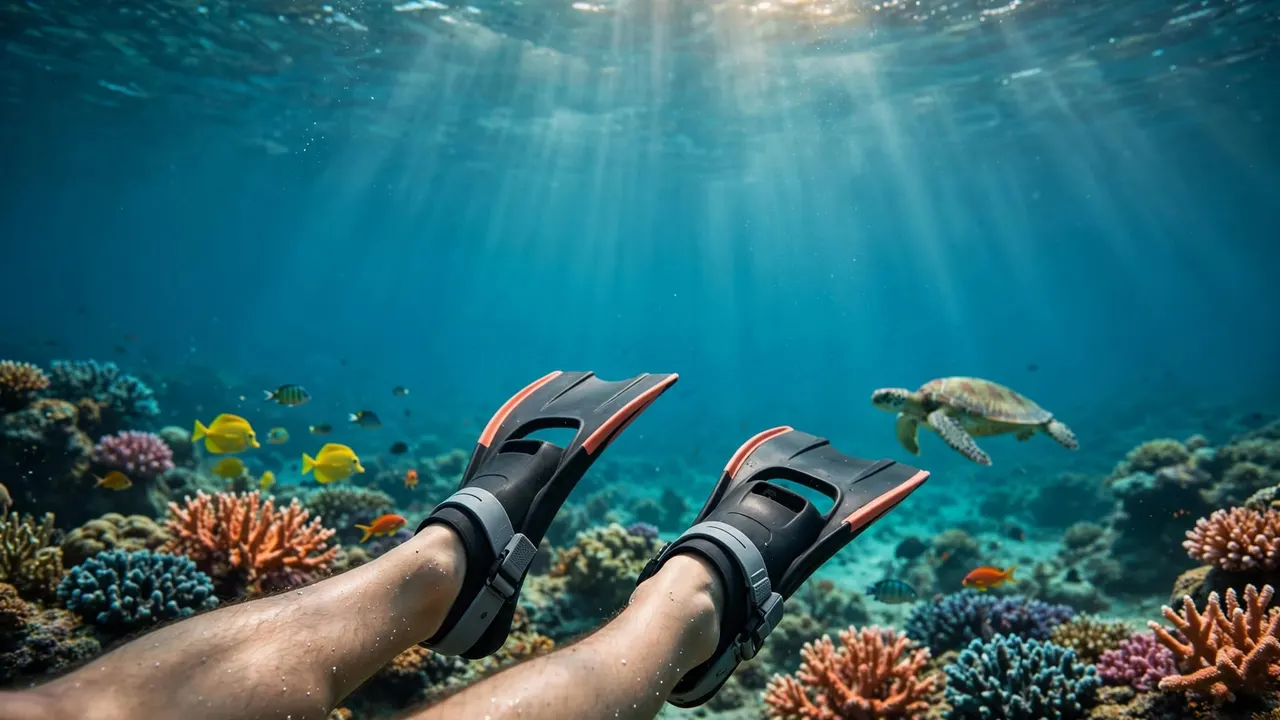
A loose fin can turn a clear-water reef swim into a tiring struggle within minutes. When you’re snorkeling Oahu with wide feet, the right fin should stay put through a relaxed kick without pinching your toes, pressing your arch, or rubbing your heel.
Living Ocean Tours welcomes couples, families, first-time snorkelers, and confident swimmers near Waikiki. A few fit checks before you enter the water let you focus on tropical fish, sea turtles, and the view below you.
Why wide feet need more than a shoe-size match
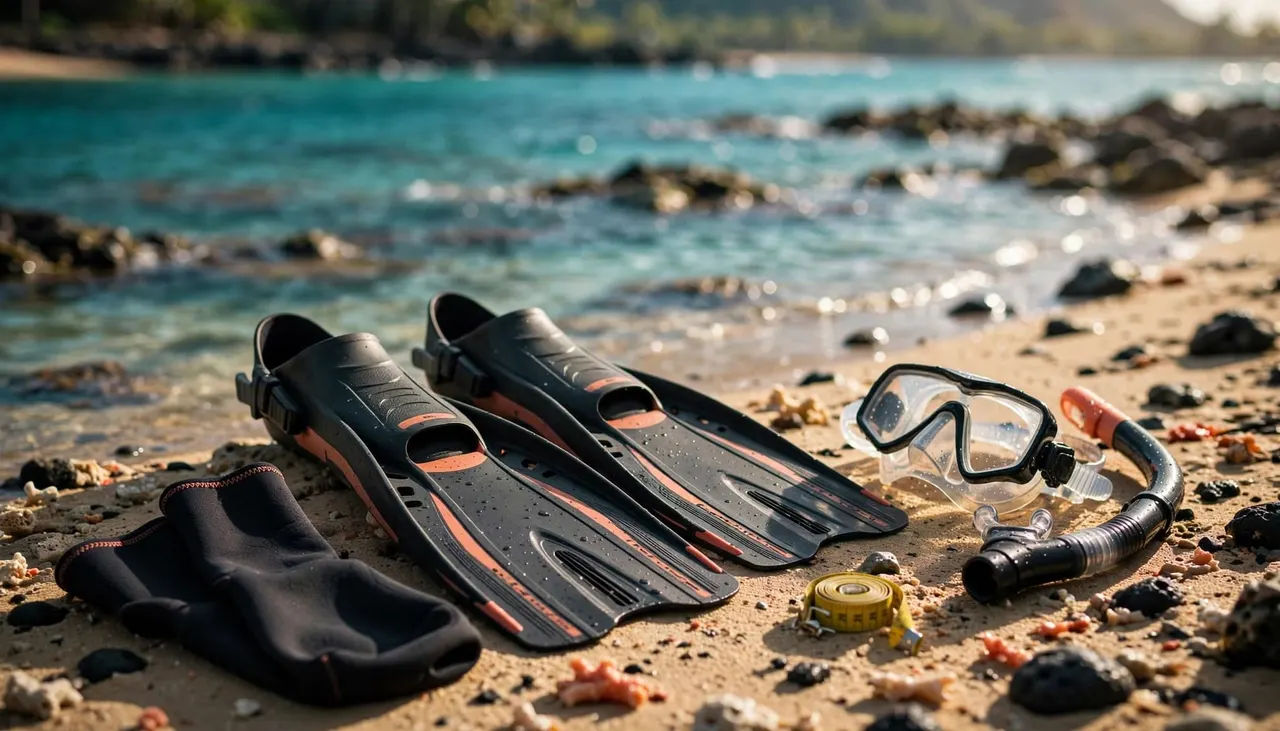
Shoe size gives you a starting point, but it doesn’t tell you how much room you need across the ball of your foot. Fin brands also shape their foot pockets differently. A pair marked for your shoe-size range can still feel narrow, shallow, or loose.
For snorkeling Oahu, choose the fin that feels stable before you worry about its blade color or length. You want easy, steady kicks that keep you horizontal above the reef.
Check the width across your forefoot
Slide your foot fully into the pocket, then wiggle your toes. Your toes should have room to lie flat without curling. Pressure across the top of your foot or a sharp edge near the big-toe joint means that pair isn’t right.
A good fin holds your foot without forcing it to work. If your toes grip the pocket to keep the fin on, it is too large or too wide around the heel. If your foot feels compressed, ask for another size or style.
Clear sand before it starts rubbing
Sand turns even a comfortable fin into a source of friction. Rinse your feet, look inside each pocket, and shake out any grit before you head to the swim step.
If you wear fin socks, smooth every fold around your heel and toes. A small wrinkle can create a painful hot spot after a few minutes of kicking.
A fin should feel secure while your foot stays relaxed. Tight toes are a sign that the fit needs attention.
Full-foot and open-heel fins for snorkeling Oahu
Both styles can work well. Your foot shape, whether you use socks, and the equipment available that day matter more than the label.
Full-foot fins work best with a comfortable bare-foot fit
Full-foot fins slip on like water shoes. They can feel simple and comfortable in Hawaii’s warm water when the pocket matches your bare foot.
Your heel should sit fully inside the pocket, without a gap that allows it to lift. A full-foot fin fit guide also recommends avoiding toe overhang and painful pressure points. A close fit is good. Numbness or burning is not.
Open-heel fins give you more adjustment room
Open-heel fins have an adjustable strap behind your heel. They usually work well with thin fin socks or booties, especially when a bare-foot pocket feels almost right but needs a little more comfort.
Set the strap flat across the back of your heel. It should hold the fin securely without digging into your Achilles tendon. Divers Alert Network also advises snorkelers and divers to avoid overtightening heel straps, since more tension doesn’t create a better fit.
Thin socks can reduce skin-on-rubber rubbing, but they also make the pocket smaller. Test the sock-and-fin combination together before you enter the water.
Test new fins before you leave the boat
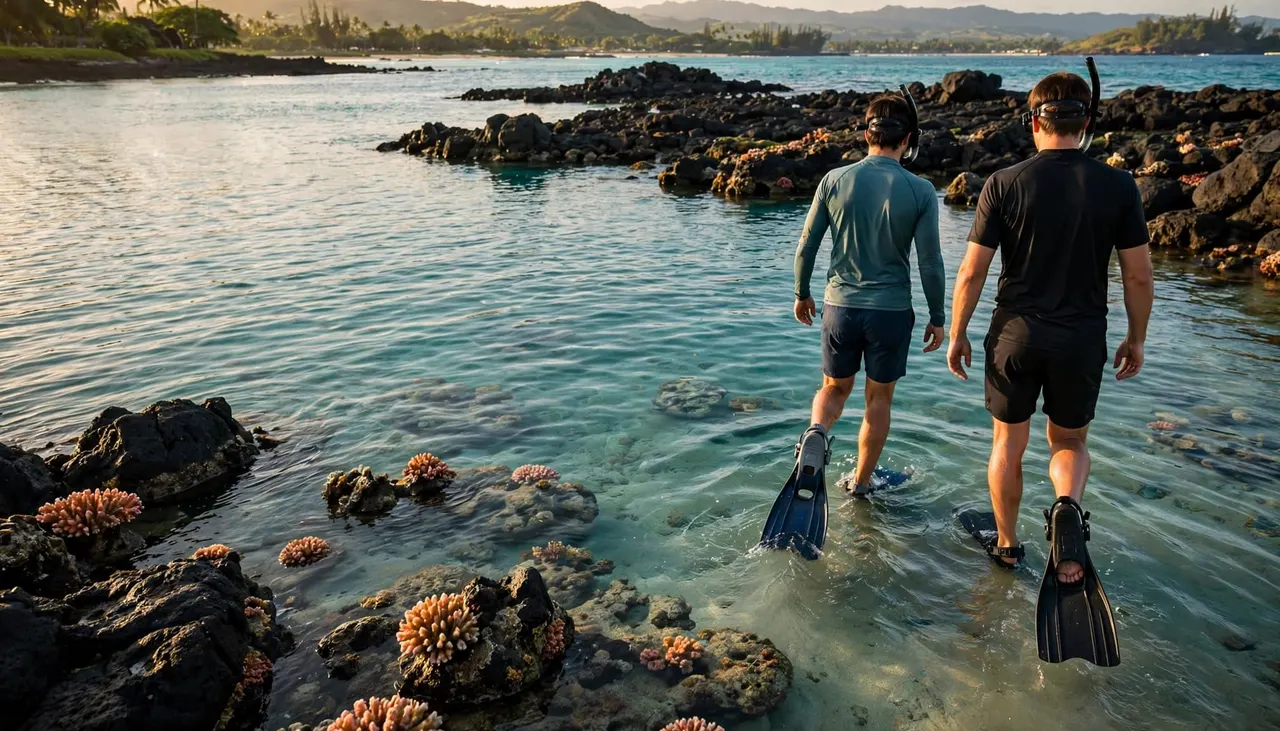
Don’t make a full reef session your first test with unfamiliar fins. Take a minute near the boat or shoreline to check how they feel while your feet are dry and again after they get wet.
Use slow kicks to find trouble spots
Sit at the swim step or hold a rail, then make several slow flutter kicks. Your heel shouldn’t rise out of the pocket, and your foot shouldn’t shift side to side.
Flex your ankles and point your toes. Notice whether an edge rubs your heel or presses into your arch. A fin that feels only slightly uncomfortable on deck can become painful in saltwater.
Too-tight fins can cause pressure and cramping, while loose fins can slide off or rub. That snug-but-comfortable standard appears in this snorkeling fin safety guidance.
Change gear at the first sign of pain
Burning, stinging, numbness, cramping, or repeated heel movement are reasons to stop. Don’t assume the fin will loosen up once you’re swimming.
Signal a guide, return to the ladder, and switch sizes if you can. A small adjustment early protects the rest of your snorkeling Oahu day, especially if you plan to walk around Waikiki afterward.
Fix the common causes of slipping fins
A slipping fin usually points to a sizing or setup issue. Kicking harder rarely fixes it. In fact, fast, tense kicking can tire you out and make your feet rub more.
Your heel lifts because the pocket is too roomy
If your heel rises with every kick, the foot pocket is likely too large. You may also feel your foot sliding from side to side when you turn your ankle.
Try a smaller size, a different fin shape, or a thin sock if the fin is only slightly loose. However, don’t add a sock to a fin that already squeezes your toes or arch.
Your foot hurts because the pocket is too narrow
Wide feet need room across the forefoot, not extra length at the toes. Sizing up can solve width pressure, but it may create heel movement.
Instead, try a different style with a more accommodating pocket. Open-heel fins often give you more flexibility because you can adjust the strap separately from the front of the foot pocket.
Keep your movements calm once you’re in the water. Long, gentle kicks from your hips help you stay level and reduce rubbing.
Get in-water help on a guided Waikiki snorkel
Living Ocean Tours departs from Kewalo Basin Boat Harbor, minutes from Waikiki. Its crew provides gear, instruction, flotation support, and sturdy ladder access, so you can take your time with a fin fit before you swim.
Living Ocean Tours is the only tour company with professional snorkel guides. You can ask for help with a loose heel, a pinching pocket, or a sock that changed the fit before a minor problem becomes a blister.
Choose a sea turtle outing with gear support
Guided sea turtle snorkeling in Waikiki gives you a simple way to reach Turtle Canyons without managing a shore entry. Living Ocean Tours supplies snorkeling gear and guidance for beginners, families, and experienced swimmers.
The reef is known as a natural cleaning-station area for Hawaiian green sea turtles. Wildlife sightings still happen on the animals’ terms, so give every turtle plenty of room to surface, feed, and travel.
If you want a Turtle Canyons outing during your stay, CHECK AVAILABILITY.
Give yourself time before entering
Tell the crew if you have wide feet, haven’t worn fins recently, or feel unsure about open-water snorkeling. Start close to the ladder and settle into your breathing before you swim farther from the boat.
Snorkeling is safer with a companion or guide nearby. Snorkeling safety tips also emphasize that it is a buddy activity. Stay within the range your guide recommends, and return to the boat before discomfort builds.
Protect your feet while protecting the reef
Comfortable fins give you better control over your body position. When your feet slide or cramp, you may kick harder and lose the relaxed, horizontal posture that helps keep fins away from coral.
Never stand on coral or use it for balance. If you need to adjust your mask or rest your feet, float face up, hold a flotation device, or return to the boat.
Keep your distance from turtles, fish, and coral. Watching wildlife without touching, chasing, feeding, or blocking it makes snorkeling Oahu more respectful for the animals and more rewarding for you.
Key takeaways for wide-foot snorkel fins
- Choose room across your forefoot without leaving extra space around your heel.
- Test fins with the socks or booties you plan to wear in the water.
- Clear sand from your feet and fin pockets before every entry.
- Make slow kicks near the ladder, then change fins if your toes curl or your heel lifts.
- Stop at the first hot spot, cramp, or rubbing sensation instead of pushing through it.
- Stay horizontal, move slowly, and keep your fins clear of coral.
FAQ about wide-foot fins and Oahu snorkeling
Should you wear fin socks with rental fins?
Thin fin socks can reduce friction and help fill a minor gap in a loose fin. They can also make a snug pair too tight. Put on the complete setup before you enter, then check that your toes, arch, and heel still feel comfortable.
Are open-heel fins always better for wide feet?
No. Full-foot fins can work well if the pocket fits your bare foot without pressure or heel movement. Open-heel fins give you more strap adjustment and often pair well with socks or booties. Your best choice is the pair that feels secure through a slow kick.
Can you keep snorkeling with a hot spot?
Stop and reassess as soon as you feel burning or stinging. Continued rubbing can turn a small hot spot into a painful blister. Ask for a different fin, return to the boat if needed, and keep the irritated area clean and dry afterward.
Comfortable fins make the reef easier to enjoy
The best snorkeling Oahu moments happen when your gear fades into the background. A fin with enough forefoot room, a stable heel, and no sharp pressure points lets you move calmly above the reef.
Check for sand, test each fin before you leave the swim step, and speak up when something doesn’t feel right. With a comfortable fit and respectful movement, you can spend more time watching Hawaii’s underwater life.


