
Best Snorkeling Oahu for Quiet Reef Wildlife Viewing
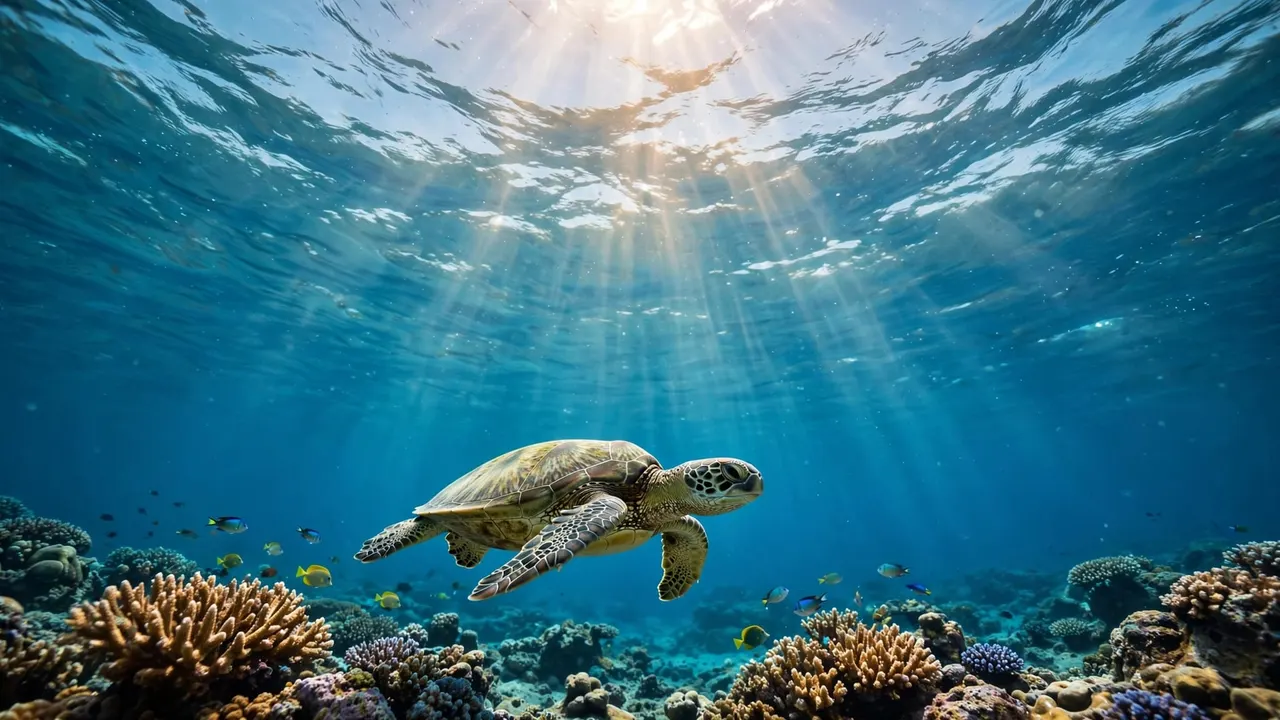
The best reef moments happen when you stop chasing them. With snorkeling Oahu, you can float above coral, watch fish move through the reef, and give a Hawaiian green sea turtle plenty of room to choose its own path.
A quiet outing doesn’t mean an empty ocean. It means less pressure, a comfortable pace, and guides who help you observe rather than crowd the wildlife. Living Ocean Tours departs from Kewalo Basin Boat Harbor, minutes from Waikiki, for boat-based reef experiences built around that approach.
Key Takeaways
- Choose a boat trip when you want to reach offshore reef habitat without managing a shore entry, surf, parking, or rental gear on your own.
- Turtle Canyons is the focused choice if seeing Hawaiian green sea turtles is high on your list, although wildlife sightings always depend on conditions and animal behavior.
- A less-crowded reef cruise is better when your group wants more space to watch reef fish and enjoy time in the water without making turtles the only goal.
- Keep at least 10 feet from turtles in the water. Never touch, chase, feed, block, or surround them.
- Comfortable gear, flotation support, and in-water guidance help you spend more time looking at the reef and less time fixing a leaking mask.
What Quiet Reef Viewing Means While Snorkeling Oahu
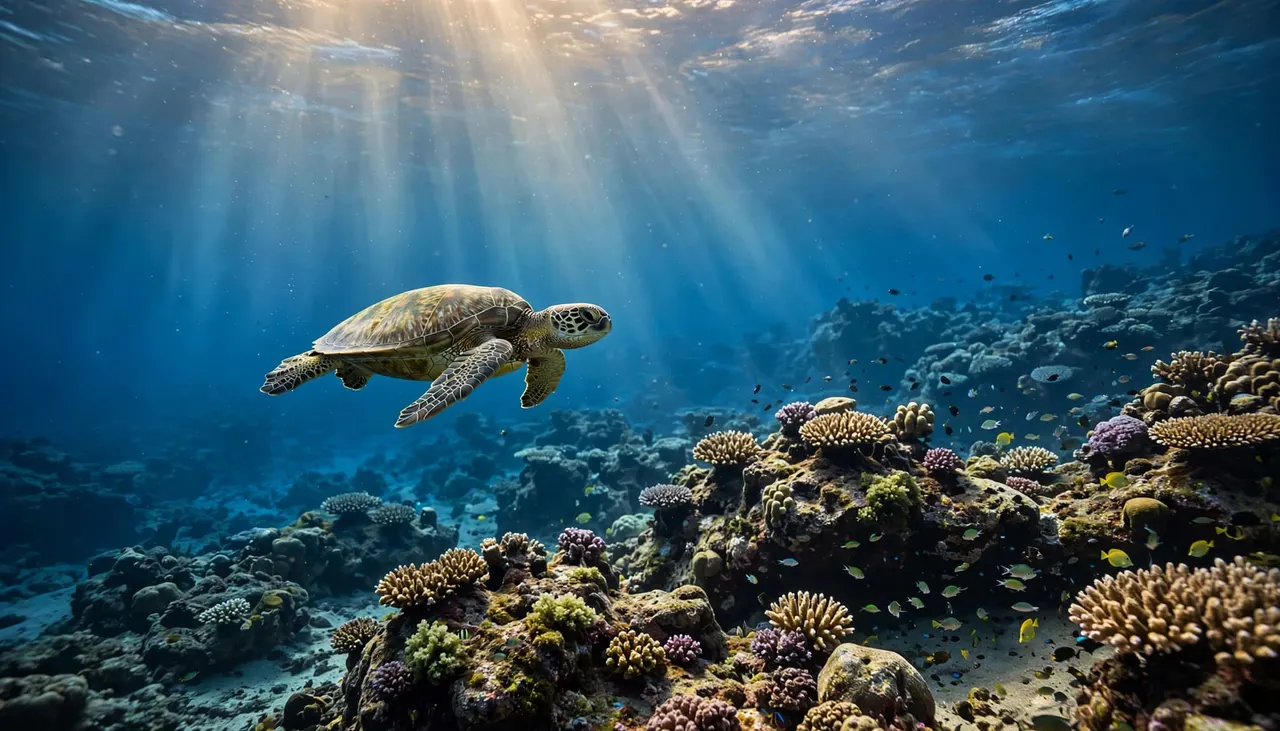
Quiet reef viewing starts with your expectations. You may see schools of reef fish, a turtle passing through, and sunlit coral formations. You may also have stretches where the most interesting thing is a single fish grazing along a coral head. That slower pace is part of the reward.
For snorkeling Oahu visitors, the best experience is rarely the closest possible encounter. Reef wildlife behaves more naturally when you float calmly, avoid sudden kicks, and leave open water around it. You also avoid turning a meaningful sighting into a stressful scramble.
A turtle that changes direction to avoid people is no longer following its natural route. Give it space before it has to ask for it.
Boat access can help because you arrive at offshore habitat with equipment, support, and a clear entry plan. It also lets you begin the day relaxed, instead of tiring yourself out before you reach the reef.
Best Snorkeling Oahu Choices for Wildlife-First Guests
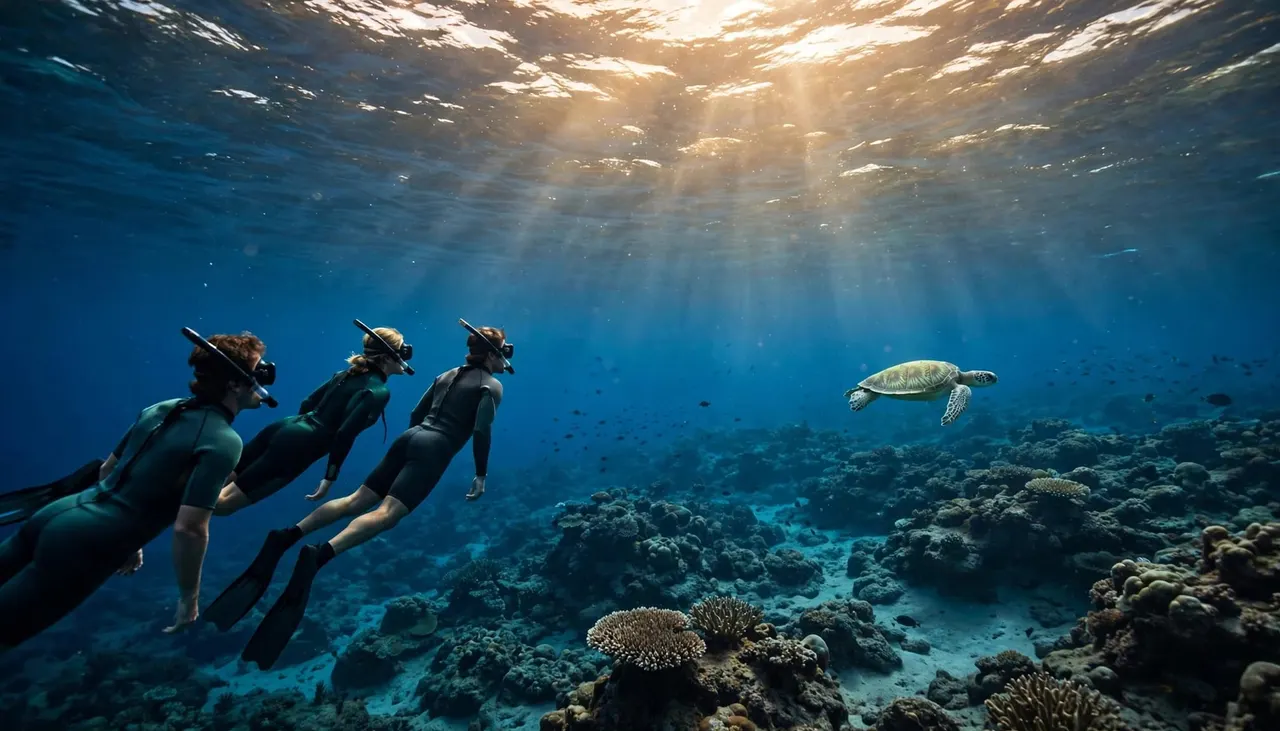
Living Ocean Tours offers two strong options near Waikiki, depending on whether you want turtle-focused reef time or a more open-ended day around a quieter reef. Both begin from Kewalo Basin and include the practical comforts that make a difference after you get wet, including shaded seating, restrooms, dry storage, and sturdy ladders for water entry.
Turtle Canyons for a focused honu encounter
The Turtle Canyons Snorkel Excursion visits Waikiki’s well-known turtle cleaning-station habitat. Hawaiian green sea turtles may pause around reef areas where fish remove algae and debris. You are still watching wild animals, so no sighting is guaranteed.
Living Ocean Tours reports a 95% turtle-sighting rate for this outing. Treat that as an operator-published figure, not a promise for your particular departure. Wind, visibility, and turtle behavior always shape the day.
The trip lasts about two hours, with roughly an hour in the water. Gear, flotation support, and instruction are included. If you are new to snorkeling, tell the crew before boarding or before entry. A better mask fit and the right flotation option can change your entire experience.
If turtles are your priority, you can CHECK AVAILABILITY for a preferred Turtle Canyons departure.
A less-crowded reef for fish, families, and flexibility
The Deluxe Waikiki Snorkeling and Wildlife Cruise is the better fit when you want a less-crowded reef and your group has mixed interests. Living Ocean Tours describes this route as visiting a reef where most other boats do not go, with tropical fish and the possibility of seeing turtles.
Turtles are often seen, but they are not guaranteed on this cruise. That distinction matters. Choose it for the reef itself, the space to observe marine life, and a relaxed boat day rather than a turtle-only mission.
Families can also use the boat-mounted waterslide, water trampoline, and floating lily pad between snorkel sessions. The Lokahi has a SeaKeeper stabilization system that helps reduce boat roll, which may make the ride more comfortable if you are prone to seasickness.
For a quieter version of snorkeling Oahu that still gives every member of your group something to enjoy, CHECK AVAILABILITY.
Pick the Tour That Matches Your Group’s Pace
A clear goal helps you choose. Pick Turtle Canyons when you want guided time at a known turtle habitat near Waikiki. Pick the Deluxe cruise when your family wants reef viewing with room for swimming, relaxing, and play.
Couples often enjoy the turtle-focused trip because it keeps the day simple. You can settle into the water together, follow the guide’s lead, and spend your energy watching the reef instead of organizing equipment.
Families may prefer the deluxe option when some people want to snorkel longer than others. Strong swimmers can explore while younger guests or cautious adults take a break on board. Nobody has to force their day into one pace.
Before you book, compare the available Waikiki snorkeling and wildlife cruises with your actual comfort level. A well-matched departure feels calmer than a highly rated trip that asks too much of a nervous swimmer.
Watch Hawaiian Green Sea Turtles With Respect
Give turtles a 10-foot buffer
Hawaiian green sea turtles are protected wildlife, not underwater photo props. NOAA’s marine wildlife viewing guidance recommends staying at least 10 feet, or 3 meters, away from turtles in the water and on land.
That distance lets you see more. A turtle may surface, descend, or move across the reef without having to dodge swimmers. If it approaches you, remain still and allow it to pass. Don’t swim toward it to close the gap.
The Hawai’i DLNR sea-turtle guidance gives the same 10-foot public viewing distance. Keep your fins controlled, and never hover directly above a turtle that needs to surface.
Protect the reef under your fins
Coral is alive and fragile. Avoid standing on it, grabbing it for balance, or pushing off with your hands. If you need a rest, signal your guide and use flotation support rather than searching for a place to stand.
Reef-friendly choices begin before you enter the water. Hawai’i’s Department of Land and Natural Resources has urged ocean users to consider reef-safe sunscreen choices. Covering up with a rash guard and applying sunscreen well before departure can also reduce what washes into the sea.
Get Comfortable Before You Enter the Water
Solve small gear issues on the boat
A fogged mask, loose fin, or awkward snorkel can pull your attention away from every fish and turtle. Ask the crew to check your fit before you step onto the ladder. If you have not snorkeled recently, practice breathing with your face in the water near the boat first.
Let the crew know if you get motion sick, feel uneasy in open water, or are traveling with a child. Flotation support lets you rest at the surface while you watch the reef. It is a tool for confidence, not a sign that you can’t snorkel.
Professional in-water guides can help you keep a steady pace, adjust gear, and return to the boat when you need a break. That support is especially useful when ocean conditions change during the outing.
Bring less and notice more
Leave jewelry and loose valuables in dry storage. Use a secure strap for glasses, bring a reusable water bottle if permitted, and keep your phone safely stored unless you have a proper waterproof case.
Once you are in the water, slow your kick and look beyond the largest animal. You may spot yellow tang, butterflyfish, or small fish cleaning along the reef. Those details are often what make snorkeling Oahu feel personal instead of rushed.
Frequently Asked Questions
Is Turtle Canyons good for first-time snorkelers?
It can be a good choice if you want boat-based access, instruction, gear help, and flotation support. Tell the crew about your experience level before you enter. Start near the ladder, focus on slow breathing, and stay close to your guide until you feel settled.
You do not need to free dive to enjoy the reef. Floating at the surface gives you a clear view of fish, coral formations, and turtles below.
When is the best time for quiet reef viewing?
The right conditions matter more than a fixed clock. Wind, swell, water clarity, and current can change the quality of a snorkel session. Morning trips often feel calmer, but your captain and crew make the final call based on the day’s ocean conditions.
You will have a better wildlife experience when you arrive rested, listen to the briefing, and keep your group close without clustering around animals.
A Better Reef Day Starts With Space
The best snorkeling Oahu experience is one where you feel comfortable in the water and wildlife can behave naturally around you. Choose Turtle Canyons for a focused turtle habitat visit, or choose a less-crowded reef cruise when fish viewing and flexible family fun matter more.
Give honu their distance, keep your fins off coral, and let your guides help you settle in. Respectful observation turns a good reef sighting into a memory that still feels right long after your trip ends.


