
Snorkeling Oahu: Choose a Rash Guard for Reef Days
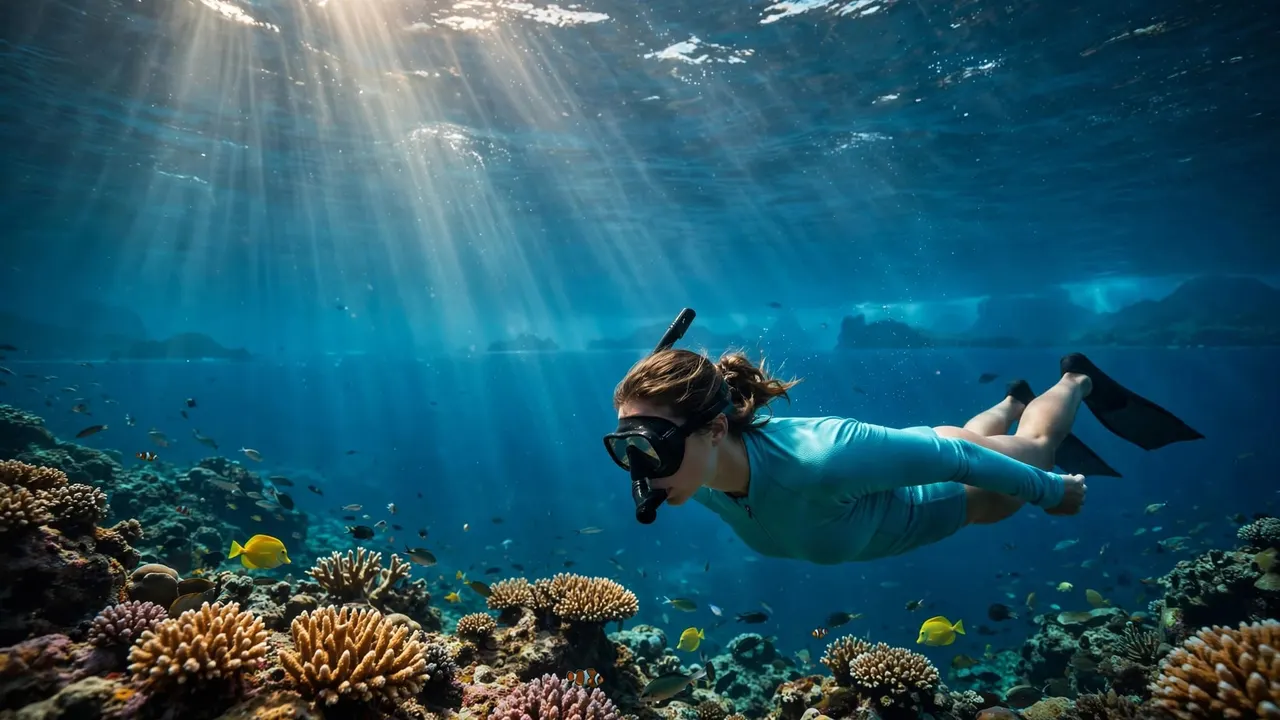
A rash guard can make the difference between a relaxed reef session and a day spent tugging at wet fabric or worrying about sun exposure. For snorkeling Oahu, the right choice should feel secure in moving water, work under flotation gear, and keep you comfortable on the boat ride back.
Living Ocean Tours departs from Kewalo Basin Boat Harbor, minutes from Waikiki, for welcoming guided outings with gear, instruction, and in-water support. You can enjoy the reef in the swimwear that helps you feel most like yourself, as long as it fits safely with your snorkeling equipment.
Your best layer is the one you can forget about once you enter the water.
Why a Rash Guard Helps With Snorkeling Oahu
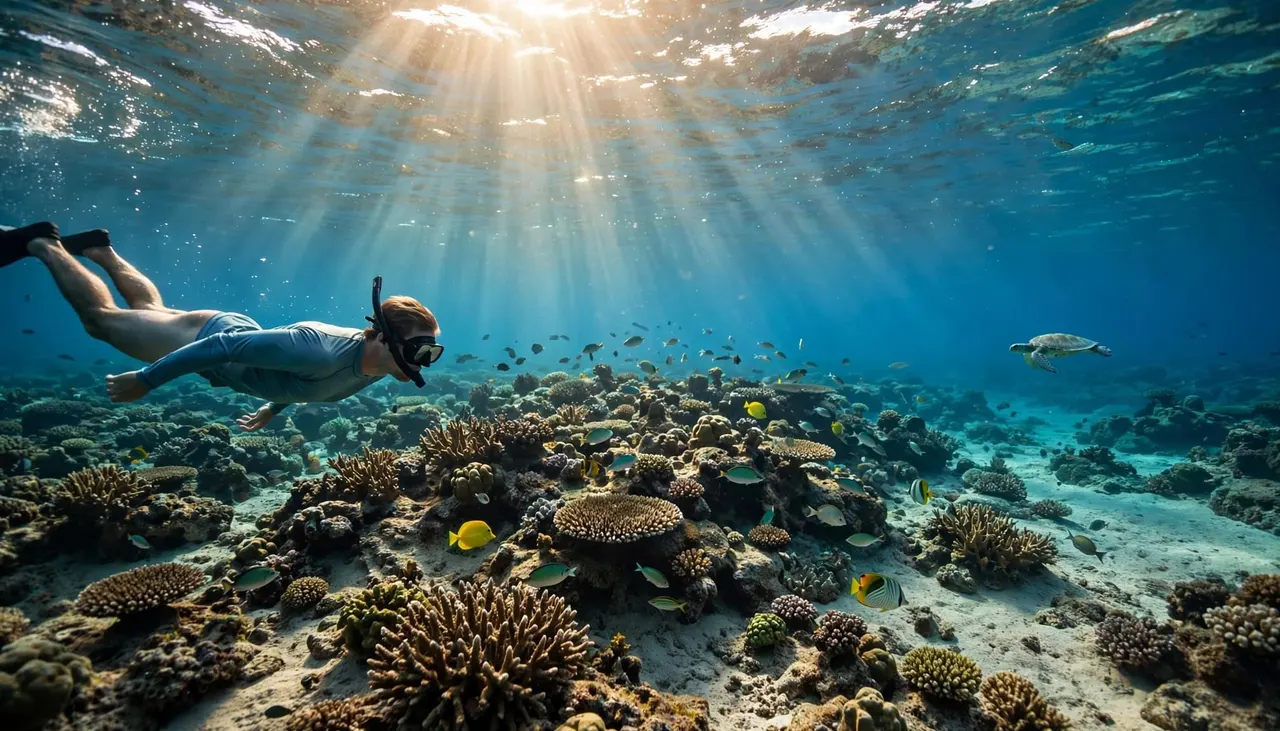
A rash guard is a close-fitting swim top made for water activity. It gives you practical coverage without the bulk of a wetsuit, which most visitors don’t need for a typical daytime reef outing.
Get more coverage where sun hits hardest
The Hawaiian sun can feel intense when you are floating face-down, especially across your shoulders, upper back, and arms. A long-sleeve rash guard covers those areas while you watch fish or wait near the boat.
You should still use sun protection on exposed skin, including your face, hands, lower legs, and feet. For extended outdoor sessions, the American Academy of Dermatology recommends at least SPF 30, as outlined in this sun-protection guide for surfing.
A rash guard does not replace sunscreen. It does reduce the amount of skin that needs frequent attention during a busy ocean day.
Stay comfortable without wearing a wetsuit
For most snorkeling Oahu trips, a secure swimsuit and rash guard are enough. However, comfort is personal. You may want a long-sleeve top if you get cold easily, plan to snorkel more than once, or feel chilled in the breeze after getting out.
Wind, cloud cover, time in the water, and a wet boat deck can affect you more than the forecast suggests. Pack a dry cover-up or lightweight layer for the ride back to the harbor.
A rash guard should feel comfortable under a flotation vest before you board, not merely look good in a hotel mirror.
Choose a Rash Guard That Moves With You
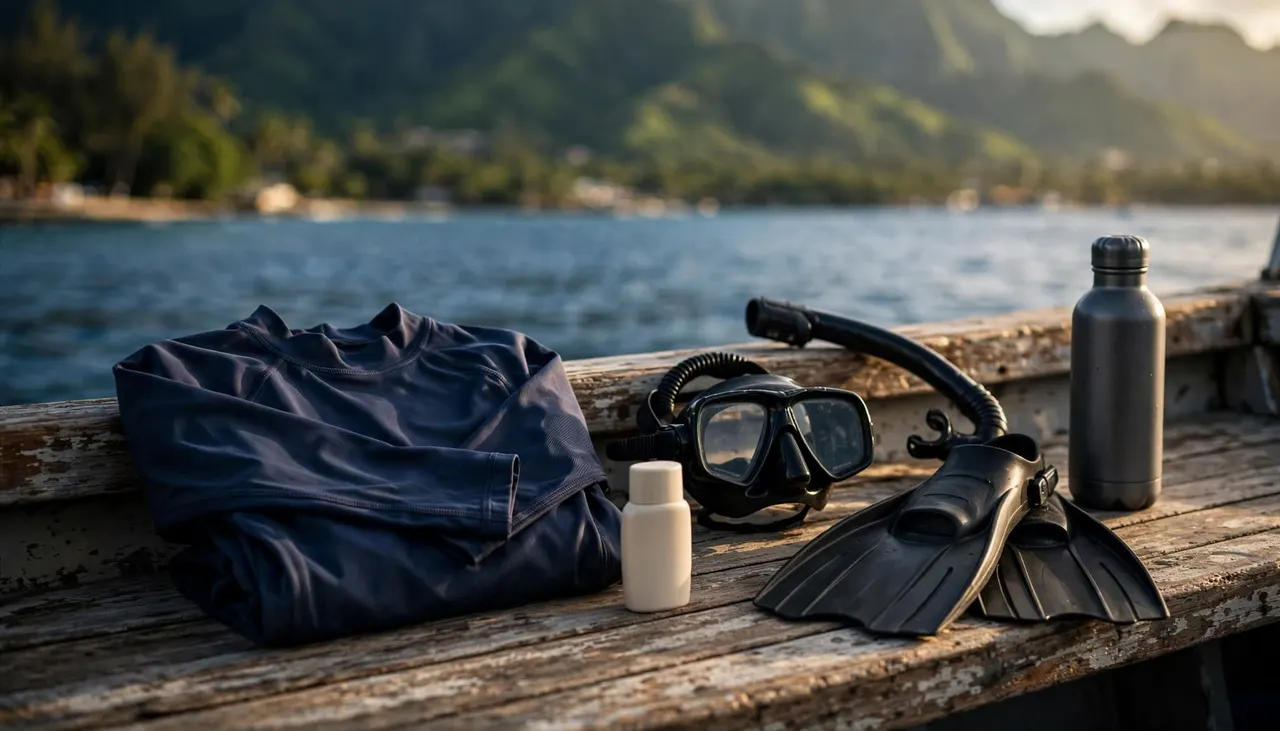
You don’t need a complicated technical wardrobe for a reef day. You need a piece that stays put while you kick, climb a ladder, and float face-down with your mask on.
Pick the sleeve length for your plan
A long-sleeve rash guard is often the strongest choice for a daytime snorkel because it adds arm coverage. A short-sleeve style can work well if you prefer less fabric or tend to feel warm quickly.
Check the garment’s UPF label if sun coverage is a priority. It tells you the fabric has been rated for ultraviolet protection. Still, no shirt protects the skin it doesn’t cover, and fabric protection does not remove the need for sunscreen elsewhere.
Avoid treating a rash guard as a medical guarantee. Choose coverage that fits your needs, then combine it with shade, a hat for time on deck, and broad-spectrum sunscreen.
Test the neckline, torso, and wrists
Your shirt should stay close to your body without squeezing your chest, shoulders, or neck. Raise both arms, twist your torso, and mimic a swimming motion before you pack it.
A loose hem may drift upward while you float. Tight wrists can become annoying once your skin is wet. Likewise, a high collar can rub beneath a flotation vest or catch mask straps.
If you prefer modest swimwear, a rash guard can pair well with fitted swim leggings, a one-piece, secure board shorts, or a swim skirt with attached shorts. Choose swim-specific fabrics rather than cotton, which gets heavy in water.
Make Sure It Works With Snorkel Gear
Your rash guard has to work with more than your swimsuit. Fins, a mask, snorkel, and flotation vest all need to fit properly before you enter the ocean.
Fit your vest over your chosen coverage
Tell the crew if you are wearing a thicker rash guard, full-coverage swimwear, or layers that change how a vest feels. A flotation vest should sit snugly without riding up toward your shoulders or rubbing your neck.
You should be able to breathe comfortably, lift your arms, and turn your head without restriction. A well-fitted vest helps you float calmly and use a relaxed kick, which also keeps your fins away from coral.
You don’t need to prove your confidence by skipping flotation support. Use it if it helps you conserve energy and enjoy the view.
Check your mask before the water entry
Press the mask gently against dry skin without the strap, then inhale through your nose. It should hold a brief seal. Long hair, sunscreen, and a poorly placed strap can interfere with that seal.
Ask for help if your mask leaks, fins pinch, or your vest feels awkward. Small adjustments on deck are much easier than fixing gear while you are already tired or nervous in the water.
For snorkeling Oahu, dependable fit matters more than expensive equipment. You will enjoy the reef more when your gear disappears from your attention.
Build a Reef-Conscious Sun Plan
A comfortable rash guard supports a lower-fuss sun routine. It also helps you make more thoughtful choices about what enters the water.
Cover up before reaching for more sunscreen
Wear your rash guard before you arrive at the harbor. Add a hat and sunglasses for the boat ride, then use broad-spectrum mineral sunscreen on exposed skin.
Hawai’i visitors can review these reef-safe sunscreen rules before packing. The practical approach is simple: cover as much skin as you comfortably can, apply sunscreen carefully where needed, and follow the product directions for reapplication.
A reusable water bottle and a towel also belong in your bag. Dehydration and sun exposure can make a short swim feel harder than expected.
Read “reef-safe” claims with care
The phrase “reef-safe” is not a promise that every product protects marine ecosystems. Some marketing claims are vague or misleading, which is why it helps to read guidance on sunscreen and coral reefs before buying a bottle.
Your behavior in the water matters, too. Never stand on coral, even in a shallow area. Keep your fins over sandy channels when possible, and hold onto flotation support if you need to adjust your mask.
Observe turtles and reef fish without touching, feeding, chasing, or blocking them. A respectful distance gives wildlife room to move naturally.
Prepare for Your Guided Waikiki Reef Day
A guided outing removes much of the guesswork from snorkeling Oahu. You can focus on your comfort, listen to the crew, and spend more time looking at the water instead of managing logistics.
Choose support that matches your confidence
Living Ocean Tours offers guided Waikiki reef snorkeling from Kewalo Basin Boat Harbor. The company welcomes beginners, families, couples, and confident swimmers, with shaded seating, onboard restrooms, dry storage, and sturdy ladders for water entry.
Living Ocean Tours is the only Honolulu tour company with professional snorkel guides. That means you can get in-water help with a mask issue, flotation comfort, or basic snorkeling technique rather than trying to sort it out alone.
The company’s Turtle Canyons experience visits Waikiki’s natural turtle cleaning station. Living Ocean Tours reports a 95% turtle-sighting rate, though wildlife behavior and ocean conditions always vary.
Pack light, then speak up early
Bring a towel, reusable water bottle, dry cover-up, secure sandals, and your rash guard. Leave loose jewelry and unnecessary valuables ashore.
Before departure, tell the crew if you get cold easily, feel nervous about open water, need equipment sizing help, or have had motion sickness. You can also let them know if you want to stay close to the boat.
For a turtle-focused Waikiki outing with professional guidance, you can CHECK AVAILABILITY.
Key Takeaways for Rash Guard Shopping
- Choose a secure rash guard that lets you lift your arms, kick freely, and climb a boat ladder without pulling or shifting.
- Long sleeves give you useful coverage for a sunny reef day, while a dry layer helps on a breezy return ride.
- Make sure your rash guard fits comfortably under a flotation vest before you enter the water.
- Pair covered skin with sunscreen on exposed areas, and don’t rely on broad “reef-safe” marketing language alone.
- For snorkeling Oahu, tell your crew about any comfort concerns early. A quick gear adjustment can save your entire water session.
FAQ About Rash Guards for Oahu Snorkeling
Do you need a wetsuit for snorkeling Oahu?
Most visitors can skip the wetsuit for a shorter daytime snorkel. A secure swimsuit, rash guard, and properly fitted flotation gear are often enough.
Consider a thicker layer if you get cold quickly, plan repeated swims, or visit during breezy conditions. Your comfort matters more than what other swimmers are wearing.
Can you wear leggings or modest swimwear while snorkeling?
Yes, provided each piece stays secure in moving water and fits safely under your flotation vest. Swim leggings, fitted swim skirts, long-sleeve swim shirts, and one-pieces can all work well.
Ask your operator about vest and fin sizing before booking if you have a specific fit need. Avoid loose layers that can billow underwater or feel tangled around your legs.
What if your rash guard feels uncomfortable in the water?
Return to the boat or get a guide’s attention before the problem becomes frustrating. You may need a different vest adjustment, a better-fitting size, or a break to warm up.
You should never stay in the water to push through cold, fatigue, dizziness, or anxiety. A relaxed snorkel is safer and far more enjoyable.
Make Comfort Part of Your Reef Plan
The best snorkeling Oahu memories come from floating calmly over the reef, not fighting with a shirt that rides up or gear that doesn’t fit. Choose coverage that moves with you, protect exposed skin, and give yourself permission to ask for help.
With a comfortable rash guard, properly fitted equipment, and respect for coral and wildlife, you can keep your attention where it belongs: on the water below.


