
Snorkeling Oahu: Stop Fin Blisters Before They Start
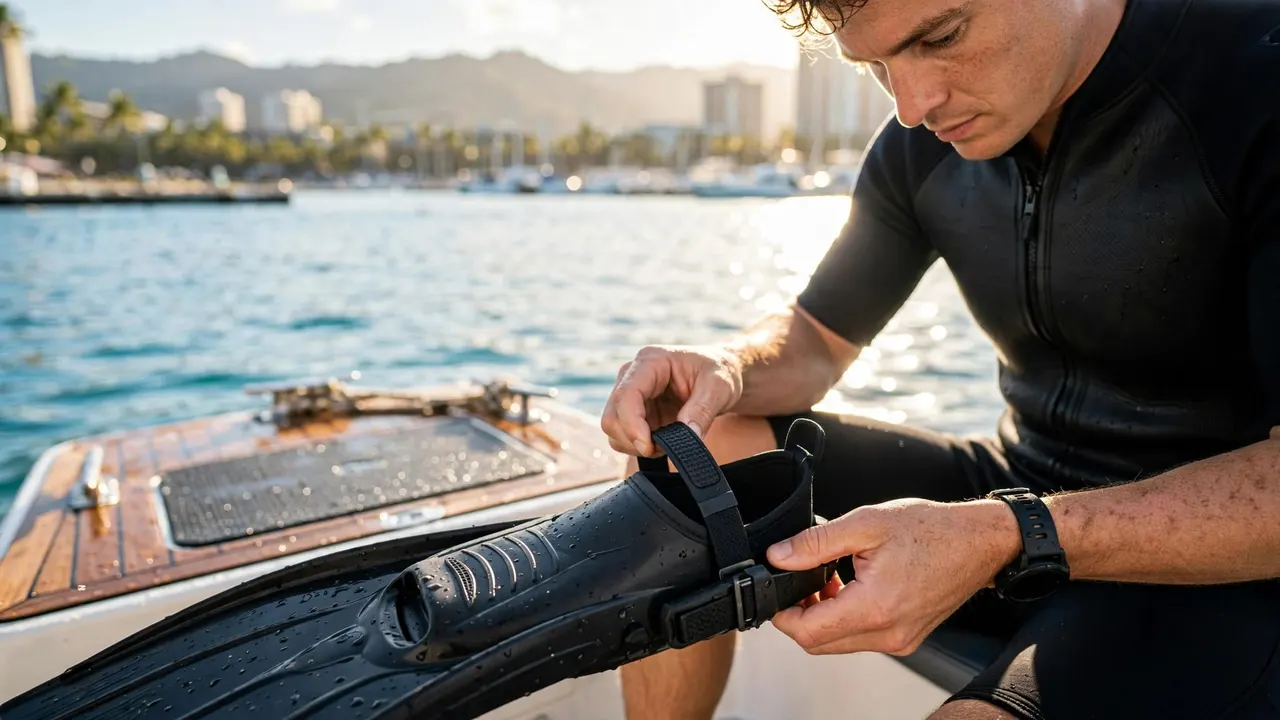
A painful heel rub can pull your attention away from turtles, reef fish, and clear Waikiki water fast. When you’re snorkeling Oahu, the best blister prevention happens before you step onto the swim platform.
Living Ocean Tours departs from Kewalo Basin Boat Harbor, minutes from Waikiki, with guided trips for couples, families, first-time snorkelers, and confident swimmers. Its crew includes the only tour company with professional snorkel guides, so you can ask for help with fin fit before discomfort becomes a problem.
A few practical checks will keep your feet comfortable and your attention where it belongs, on the water.
Key Takeaways for Comfortable Fins
Fit should feel secure, not restrictive
Your fins should stay on through a gentle kick without squeezing your toes, arch, or heel. A loose foot pocket creates friction with every movement. However, an overly tight fin can create pressure points and make your feet cramp sooner.
Test both fins while seated before you enter the water. Flex your ankles, point your toes, and notice whether the heel edge digs in. Ask for a different size before leaving the boat if anything rubs.
Small adjustments matter more than toughing it out
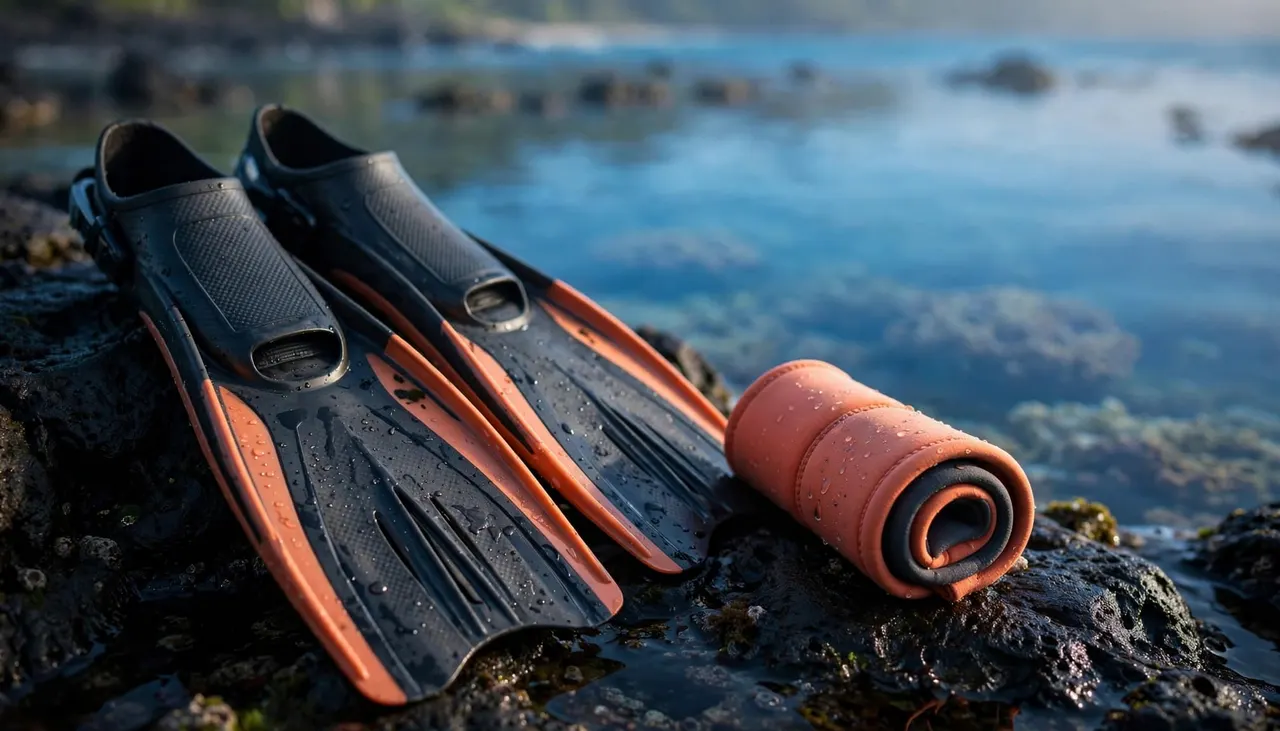
Thin neoprene or Lycra fin socks can add a smooth protective layer between your skin and the fin. They can also make rental fins feel more comfortable, though they change the fit slightly.
A fin that feels tolerable on deck may start rubbing after 20 minutes of kicking in saltwater.
Bring a rash guard, drinking water, a towel, secure swimwear, and sandals with grip. A light dry layer also feels good after a morning reef swim or a breezy return ride.
Why Fin Blisters Start Before You Swim
Friction builds at the heel and toe box
Blisters form when repeated rubbing separates layers of skin. In snorkeling fins, the usual trouble spots are your heel, the top of your toes, and the sides of your foot near the foot-pocket opening.
Saltwater doesn’t cause a blister by itself, but wet skin softens more easily. Sand trapped inside a fin adds another abrasive surface. Even a good pair of fins can become uncomfortable if you rush into the water with grit inside.
Before snorkeling Oahu, rinse sand from your feet and check the inside of each fin. If you use socks, smooth out folds around your heel and toes. A wrinkle can become a hot spot within minutes.
New gear deserves a short test
Don’t make a full reef session the first time you wear unfamiliar fins. Put them on at home or near the boat, then walk carefully and make a few slow kicks in clear, shallow water where you don’t need to stand on coral.
If you feel rubbing before you leave the swim step, speak up. Adjusting equipment early is easier than trying to fix it while floating offshore.
Choose the Right Fin Fit for Snorkeling Oahu
Know how full-foot and open-heel fins differ
Full-foot fins fit like a slip-on shoe. They often work well in warm water when the foot pocket matches your bare-foot size. If the opening presses into your heel or toe joints, though, try another pair instead of hoping it will loosen in the ocean.
Open-heel fins use an adjustable heel strap and usually pair with fin socks or booties. They give you more flexibility when a bare-foot fit feels too tight or too loose. Still, the strap should sit flat and secure without pinching your Achilles tendon.
Neither style is automatically better. Your comfort, foot shape, and the equipment available that day matter most.
Use a simple three-part fit check
Before you enter, check the fit in this order:
- Slide your foot in fully, then make sure the fin doesn’t slide side to side when you move your ankle.
- Press your heel gently into the back of the pocket. You shouldn’t feel a sharp edge or a folded sock.
- Kick slowly while holding the rail or sitting at the swim step. Your toes should stay relaxed rather than clenched.
Ask the crew for a larger or smaller fin if you notice pressure. On a guided Turtle Canyon snorkel excursion, gear and instruction are included, so you can sort out fit concerns before you follow the group into the water.
Keep Your Feet Comfortable During the Swim
Kick from your hips, not your knees
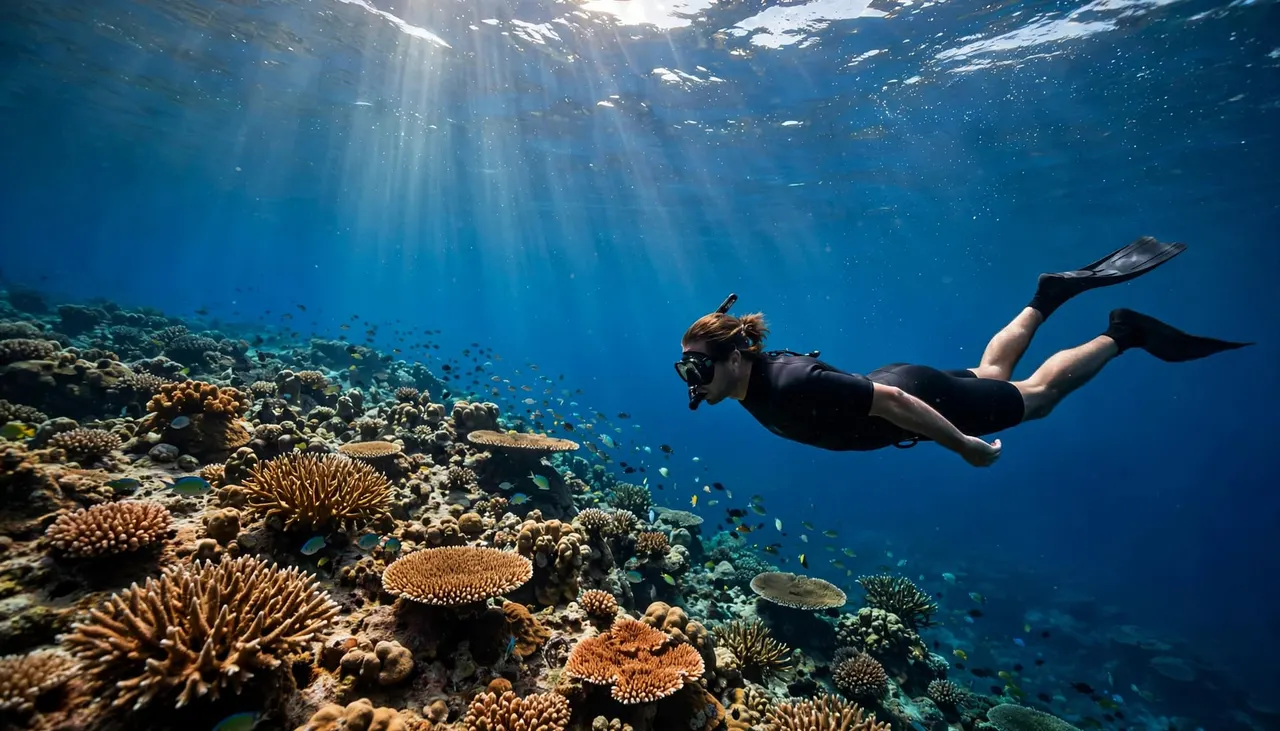
Fast bicycle-style kicking makes fins slap against your feet. It also uses more energy than a long, easy flutter kick. Instead, keep your legs fairly straight and move them from the hips with small, controlled motions.
A flotation vest can help you stay level at the surface and relax your legs. If you are new to open water, start near the boat and practice floating face-down before swimming farther along the reef.
When your legs relax, your fins track more smoothly. That reduces rubbing and lowers the chance that you will scrape a foot against equipment or coral.
Treat a hot spot as an early warning
Stop kicking if you feel a sting, burning spot, or shifting fin. Float, signal your buddy or professional snorkel guide, and return to the swim step if the discomfort persists.
Don’t try to finish the session through pain. A few extra minutes of rubbing can leave a raw blister that makes walking around Waikiki unpleasant. You can always enjoy the coastline from the shaded deck while your feet recover.
If you feel cold, dizzy, tired, nervous, or cramped, tell the crew early. Returning to the boat before you feel exhausted is good judgment.
Protect the Reef While You Protect Your Feet
A comfortable fin fit also helps you move with more control around coral. Hawaii Ocean Safety advises snorkelers to avoid standing on the reef or entering rocky, shallow areas where footing can become difficult. Read its snorkeling safety guidance before heading out on your own.
Stay horizontal at the surface and use sandy channels to rest when they are available. Safe to Swim Hawaii also advises keeping fins clear of coral and never using the reef for balance in its Hawaii beach etiquette guide.
Hawaiian green sea turtles deserve room to swim, surface, and rest without swimmers blocking their route. Follow your guide’s directions and review NOAA’s Hawaii wildlife viewing guidance before your trip.
Guided Snorkeling Lets You Focus on the Water
Get in-water help before a small issue grows
Living Ocean Tours provides gear, instruction, shaded seating, onboard restrooms, dry storage, and sturdy ladders on its Coast Guard-inspected double-decker boats. Professional snorkel guides are in the water with you, so you can get help with a rubbing fin, loose mask, flotation vest, or a change in comfort level.
The Turtle Canyons route visits a natural turtle cleaning station off Waikiki. Living Ocean Tours reports a 95% turtle-sighting rate there, although wild animals and ocean conditions always set the terms of every encounter.
For a wildlife-focused trip, you can CHECK AVAILABILITY for the Turtle Canyons outing.
Pick an outing that fits your group’s pace
If your family wants more time on the water, the Deluxe Waikiki Snorkeling and Wildlife Cruise includes 90 minutes for reef snorkeling. You can also enjoy the waterslide, water trampoline, and floating lily pad when conditions and crew direction allow.
The Lokahi has a SeaKeeper stabilization system that reduces boat roll. That can make your time aboard more comfortable if you are prone to seasickness or want a steadier place to adjust gear between water activities.
For any snorkeling Oahu outing, tell the crew if you haven’t worn fins recently. A calm start near the ladder gives you time to settle in before you focus on the reef.
FAQ About Fin Blisters and Oahu Snorkeling
Should you wear fin socks with rental fins? Thin socks can reduce skin-on-rubber friction and help with minor fit gaps. However, they can make a snug fin too tight, so test the full setup before entering the water.
Can you snorkel with a blister already forming? Stop and reassess when a spot starts to burn or sting. Continuing to kick can make it worse. Ask a guide for help, return to the boat, and keep the area clean and dry after your swim.
Do trade winds always make Waikiki snorkeling rough? No. Trade winds can create surface chop, but the effect depends on wind direction, strength, swell, location, and reef shelter. Follow the crew’s safety call and skip the water if conditions don’t match your comfort level.
Do you need to be a strong swimmer? You should have basic swimming ability before entering open water. Still, flotation support, instruction, and professional guidance can help you stay calm near the boat while snorkeling Oahu.
Make Comfort Part of Your Ocean Plan
The best snorkeling Oahu memories come from floating calmly over the reef, not pushing through a painful fin rub. Check your fit, clear out sand, use socks when they improve comfort, and slow down at the first hot spot.
With a relaxed kick, good communication, and respect for coral and wildlife, you can spend your day watching Hawaii’s underwater life instead of fighting your gear.


