
Snorkeling Oahu: Do You Need a Wetsuit in Hawaii?
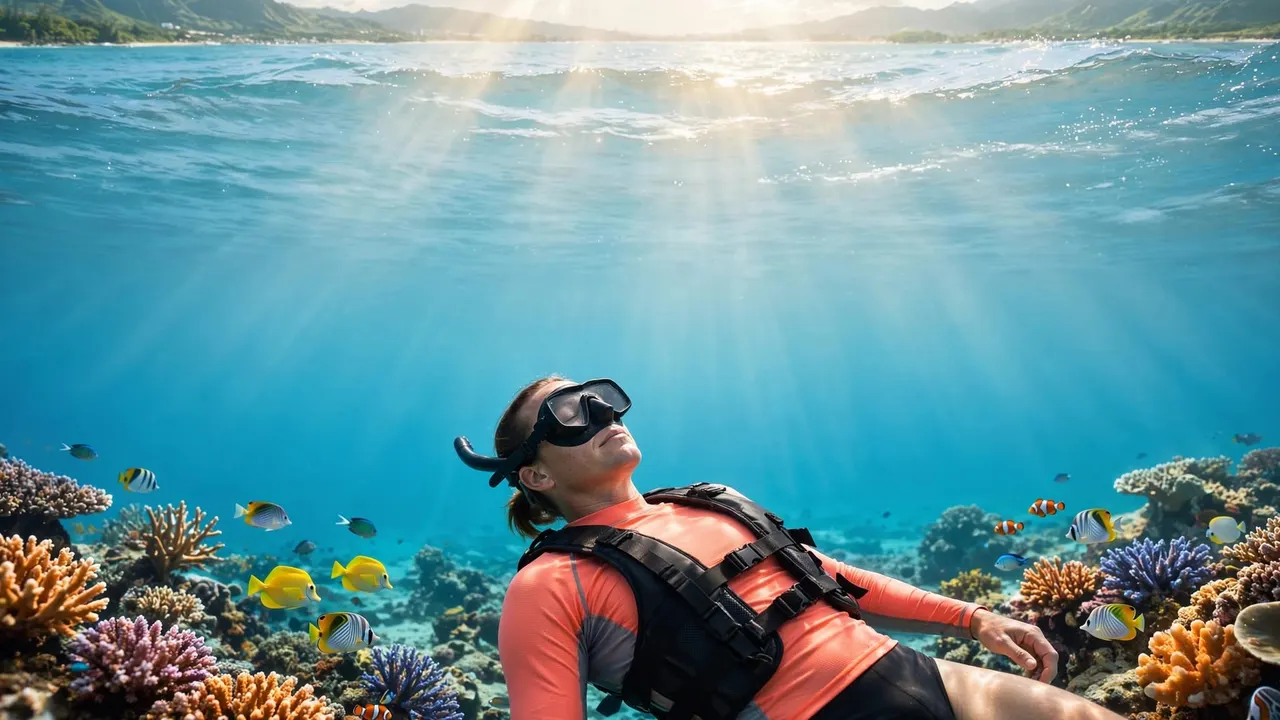
For most visitors, snorkeling Oahu doesn’t require a wetsuit. You can usually enjoy a comfortable reef swim in a secure swimsuit, rash guard, and properly fitted flotation gear.
Living Ocean Tours departs from Kewalo Basin Boat Harbor, minutes from Waikiki, with guided outings for couples, families, first-time snorkelers, and confident swimmers. Your comfort depends on the day, the site, and how your body responds once you’re in the water.
A little preparation helps you spend more time watching the reef and less time thinking about what you’re wearing.
Key Takeaways
- Most people can enjoy snorkeling Oahu without a wetsuit, especially on a shorter daytime outing.
- A rash guard is often the most useful extra layer for sun coverage and light wind protection.
- Consider a wetsuit or thicker swim layer if you get cold easily, plan several swims, or feel chilled after time in the water.
- Wind, clouds, depth, and time spent floating can affect comfort more than a weather app suggests.
- You should always tell your guide if you feel tired, cold, nervous, dizzy, or uncomfortable.
Do You Need a Wetsuit for Snorkeling Oahu?
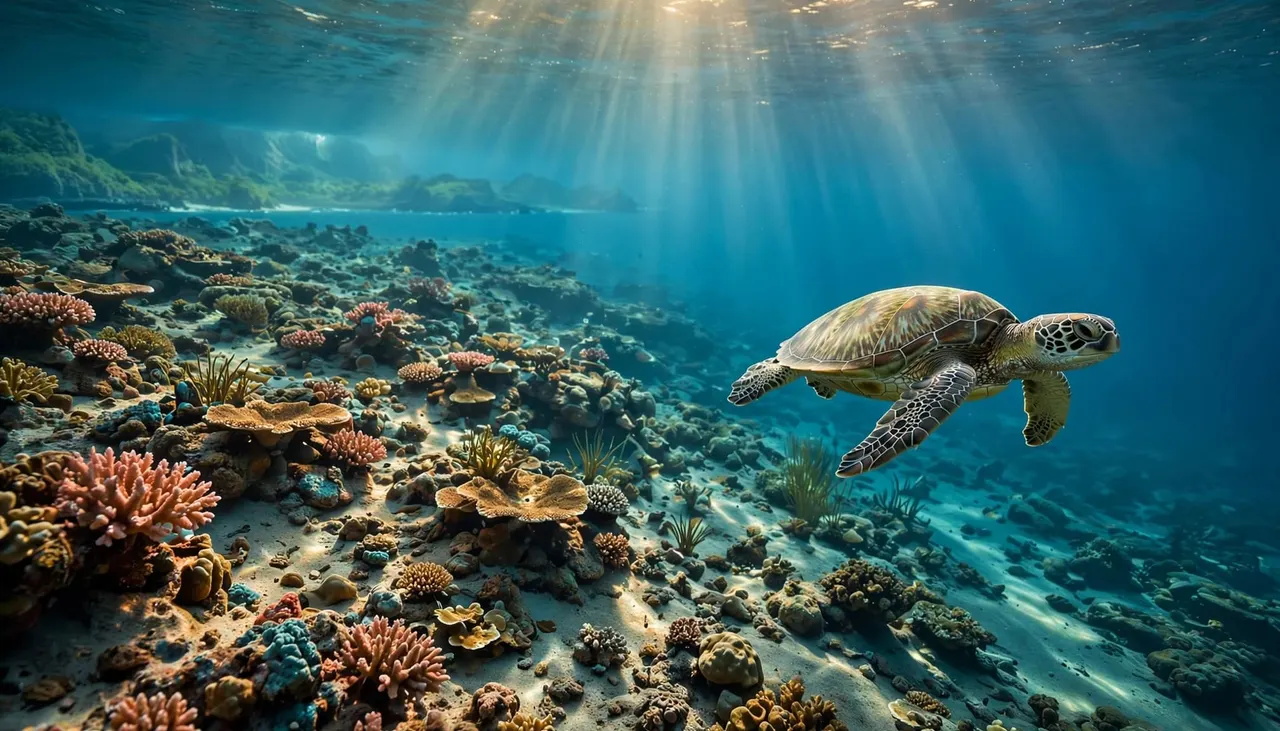
Most snorkelers can skip the wetsuit
A wetsuit is optional for most snorkeling Oahu trips. Hawaii’s ocean is comfortable for many visitors in normal swimwear, particularly when you are moving, floating with a vest, and returning to the boat within a reasonable time.
However, comfort is personal. One guest may feel great in a swimsuit, while another wants a long-sleeve top after 20 minutes. You don’t need to prove anything by staying in the water once you feel chilled.
If you are new to open-water swimming, prioritize a good mask seal, a secure flotation vest, and a swim outfit that lets you kick freely. Those basics matter more than buying a wetsuit for a single vacation snorkel.
Your body decides more than the calendar
A cool breeze on a wet boat deck can make you feel colder than the water itself. Shade, cloud cover, recent rain, and an early departure can also change how a swim feels.
Longer exposure matters, too. If you plan to snorkel repeatedly over several days, you may appreciate an extra layer by the end of the trip. Bring a towel and dry cover-up for the ride back, even if you don’t plan to wear a wetsuit.
Why Ocean Comfort Changes Around Oahu
Surface warmth can shift near a reef
The upper few feet of water can warm in the sun, especially on a bright Honolulu morning. Yet you may notice cooler water as you move over a reef slope or briefly dip below the surface.
That contrast can feel surprising on your arms and legs, but it doesn’t automatically mean conditions are unsafe. Ocean water mixes constantly through wind, waves, tides, currents, and changing depths.
NOAA uses subsurface recorders at permanent reef sites for its coral reef water-temperature monitoring. Those records show why a single temperature reading can’t describe every Oahu snorkel site.
Conditions matter more than a forecast icon
Look at the ocean, not only the forecast. Whitewater over a reef, brown runoff, heavy chop, or poor visibility can turn an otherwise pleasant swim into a tiring one.
A buoy reading gives you a useful starting point, but the reef, wind, and visibility at your actual site should guide the final decision.
On a boat tour, let the captain and crew choose the safest practical location. They are accounting for current conditions, boat traffic, guest ability, and water clarity.
When a Wetsuit Can Make Sense
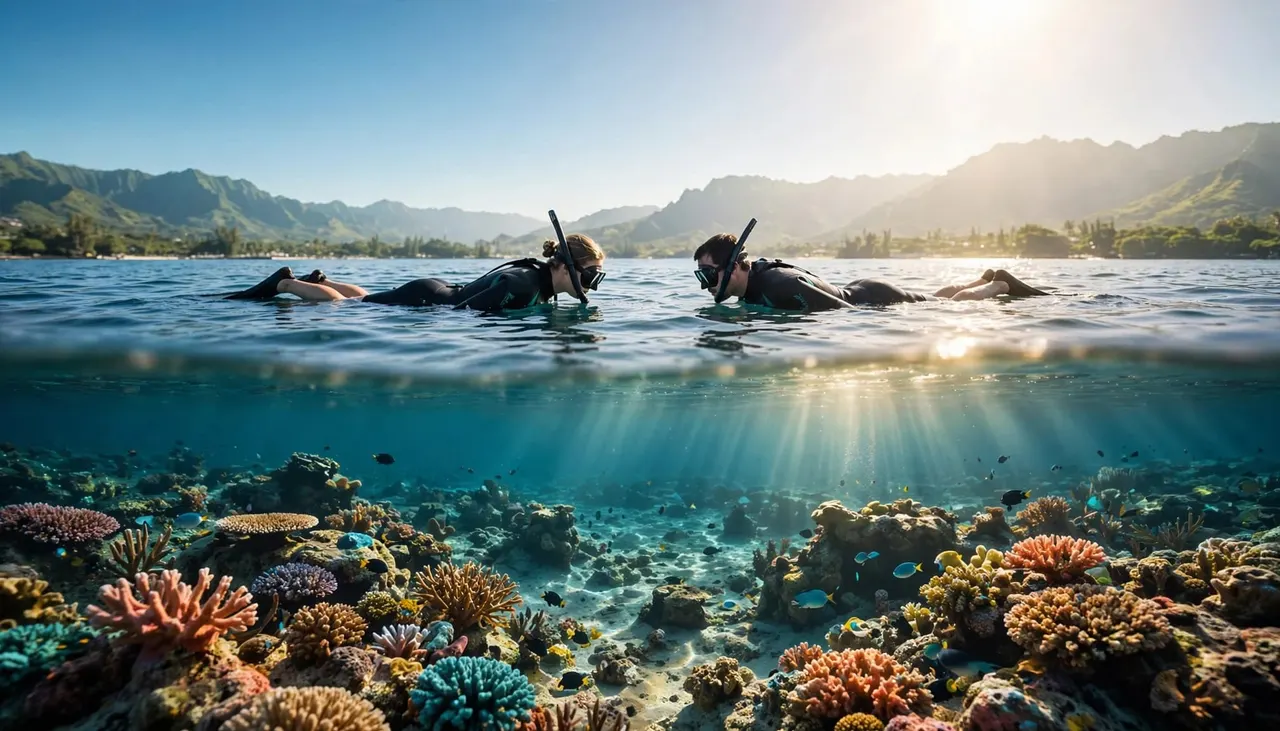
You tend to feel cold quickly
A wetsuit can be a smart personal choice if you get cold easily in pools or open water. It may also help when you expect to float near the surface for a while, since relaxed snorkeling involves less movement than lap swimming.
You don’t need a heavy layer for every Hawaii trip. A fitted rash guard, swim shirt, or full-coverage one-piece may provide enough comfort for many guests. Choose swim-specific fabric, not cotton, which becomes heavy when wet.
You are doing longer or repeated water activities
Your chances of feeling cold rise after multiple swims, long boat rides, or a full day in damp clothing. Families often notice this when children spend extended time alternating between snorkeling, floating, and water play.
A wetsuit may also be worth packing if you are visiting during a breezy stretch or want extra coverage for your arms and legs. Before bringing one, ask your operator whether it fits comfortably under the flotation vest they provide.
Build a Comfortable Snorkel Outfit
Start with secure swimwear
Your swimwear should let you raise your arms, climb a boat ladder, kick, and move on deck without pulling or shifting. A fitted one-piece, swim shirt, rash guard, swim leggings, or secure board shorts can all work well.
Avoid loose layers that billow underwater or make you feel tangled. Test your suit at home if possible. If it feels awkward while wet in a pool, it probably won’t feel better in moving ocean water.
For snorkeling Oahu, bring these practical extras:
- A rash guard or long-sleeve swim top for coverage.
- A dry cover-up for the return ride.
- Reef-conscious sun protection, sunglasses, and a hat for time onboard.
- Drinking water and a towel stored in a secure bag.
Fit your gear before you enter
A well-fitting mask can prevent more frustration than any expensive piece of equipment. Press it gently against dry skin without using the strap, then breathe in through your nose. It should hold a seal briefly.
Ask for help if your mask leaks, fins rub, or your vest feels restrictive. Small adjustments before you enter make your time over the reef far more enjoyable.
Choose a Guided Waikiki Snorkel Experience
Turtle Canyons offers focused reef time
For a wildlife-centered outing, Living Ocean Tours’ Turtle Canyons Snorkel Excursion takes you to Waikiki’s natural turtle cleaning station. The company reports a 95% turtle-sighting rate, although wild animal behavior and ocean conditions always vary.
The trip includes snorkeling gear, instruction, and one hour of in-water time. Living Ocean Tours is the only tour company with professional snorkel guides, so you can get in-water help with breathing, mask adjustments, body position, and staying within a comfortable area.
When Hawaiian green sea turtles are high on your wish list, you can CHECK AVAILABILITY.
A longer cruise gives families more options
The Deluxe Waikiki Snorkeling and Wildlife Cruise suits groups who want snorkeling plus more time on the water. This 2.5-hour trip visits a less-crowded reef and includes a boat-mounted water slide, water trampoline, and floating lily pad.
The double-decker Lokahi has shaded seating, restrooms, dry storage, sturdy ladders, and a SeaKeeper stabilization system that helps reduce boat roll. Those details can make snorkeling Oahu feel more relaxed when you are traveling with children or feel uneasy on boats.
Choose a family-focused reef day and CHECK AVAILABILITY.
Protect the Reef and Its Wildlife
Give sea turtles plenty of room
A turtle encounter feels more special when the animal can swim, surface, and feed without changing its route. Hawaii’s sea-turtle viewing guidance calls for at least 10 feet, or 3 meters, of distance.
Never touch, chase, block, or attempt to ride a turtle. Stay calm, move slowly, and let your guide position the group if a turtle swims nearby. A good photo is never worth disturbing wildlife.
Keep your fins off coral
Coral is living habitat, not a place to stand or push off. Float horizontally when the water becomes shallow, keep your kicks gentle, and use a flotation device if you need help staying at the surface.
Hawaii’s marine guidance also asks visitors not to feed turtles or encourage close contact with wildlife. Read the state’s advice on protecting marine species before your trip, then let the reef set the pace.
FAQ
Should you wear a rash guard instead of a wetsuit?
A rash guard is the better choice for many visitors. It provides lightweight coverage, dries faster than a wetsuit, and works well under a flotation vest. Bring a wetsuit only if you know you run cold or expect longer water exposure.
Do you need to be a strong swimmer?
You should have basic swimming ability before entering open water. However, you don’t need to be an expert swimmer to enjoy a guided trip with flotation support, patient instruction, and professional snorkel guides nearby.
Tell the crew about any concern before departure. You can practice near the boat, stay close to the ladder, take breaks, or remain onboard when conditions don’t feel right.
Can you snorkel if the water feels cold?
Yes, if you are comfortable and conditions are suitable. Still, return to the boat before cold turns into fatigue. Dry off, drink water, rest in the shade, and decide whether another swim feels good.
Make Comfort Your Priority
You probably don’t need a wetsuit for snorkeling Oahu, but you should bring layers that match your own comfort level. A secure swimsuit, rash guard, well-fitted gear, and a dry cover-up are often enough.
The best reef experience happens when you feel calm, listen to the crew, and respect the ocean’s changing conditions. Comfort and awareness will always matter more than staying in the water longer.


