
Snorkeling Oahu: Stop Mask Squeeze Before It Starts
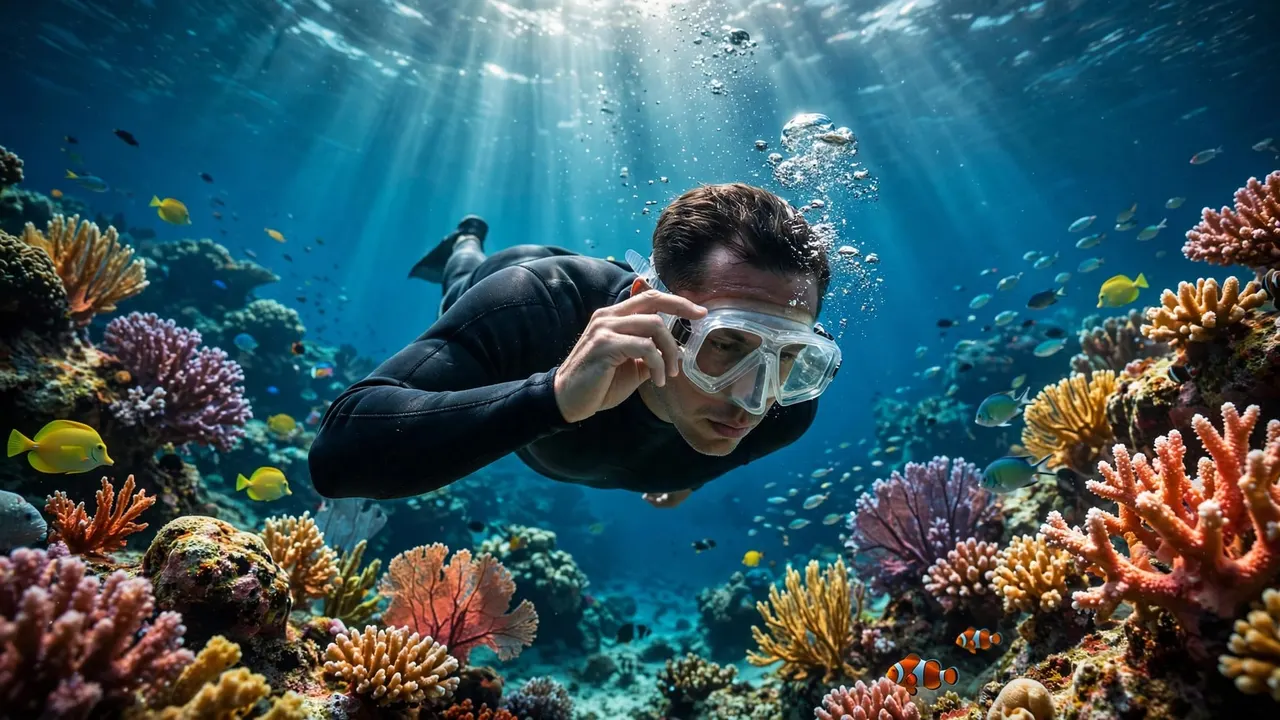
A mask should help you see the reef, not leave your face feeling pulled, sore, or distracted. During snorkeling Oahu, most people stay at the surface and never experience true mask squeeze, but a quick duck dive can create uncomfortable pressure if you don’t know what to do.
Living Ocean Tours welcomes beginners, families, and confident swimmers from Kewalo Basin Boat Harbor near Waikiki. As the only tour company with professional snorkel guides, the crew gives you in-water support when your mask fit or comfort needs attention.
A few calm breaths, a proper mask seal, and good judgment let you keep your focus on coral, reef fish, and the water around you.
Key takeaways for a comfortable mask
- Mask squeeze is pressure in the air pocket between your face and mask during descent. It is most associated with diving, though snorkelers can notice it during duck dives.
- A gentle exhale through your nose adds air to the mask space as you go down. You don’t need to force air into the mask.
- A painfully tight strap can cause pressure marks, headaches, and leaks. It does not create a better seal.
- Stop descending if your mask feels uncomfortable. Return to the surface, reset the fit, and try again only when you feel relaxed.
- Stay with a buddy, especially if you are new to snorkeling Oahu. A partner can help with fogging, leaks, cramps, or fatigue.
What mask squeeze feels like while snorkeling Oahu
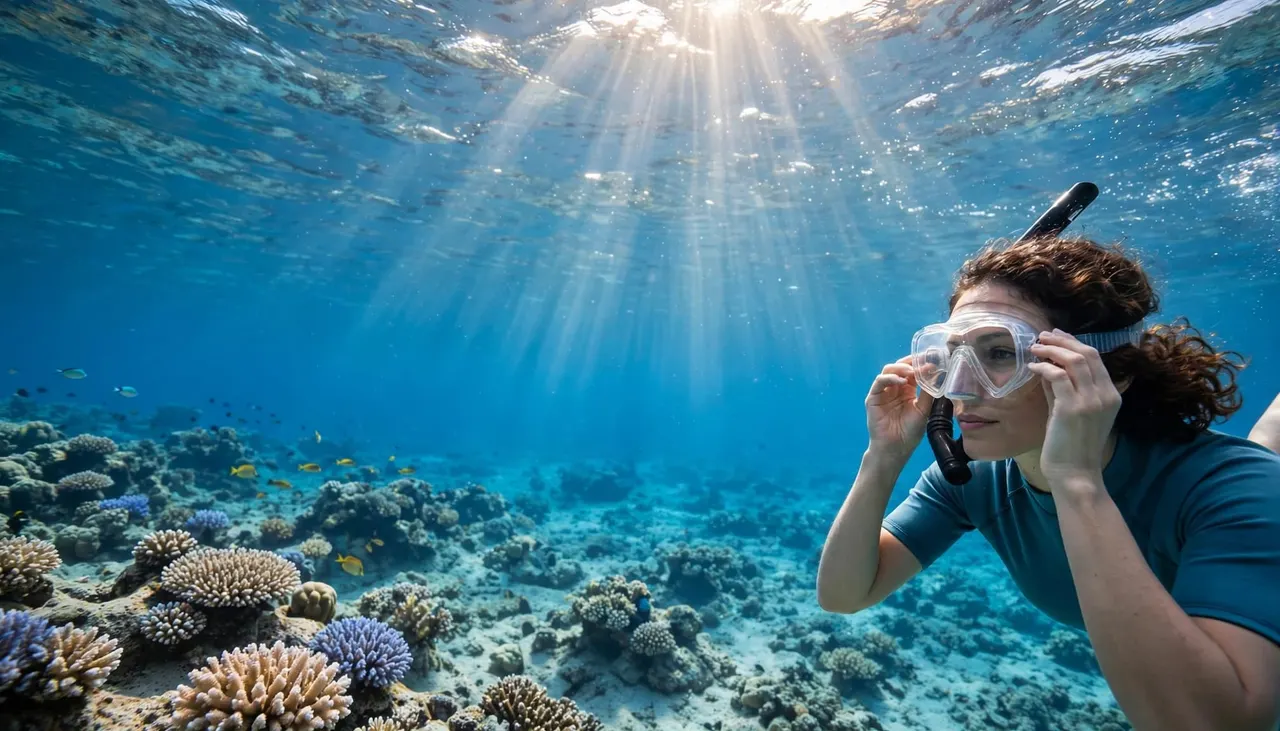
Mask squeeze happens when the air trapped inside your mask changes pressure as you descend. The mask can feel as if it is pressing more firmly against your face because the air space inside becomes smaller.
For most surface snorkelers, this isn’t a concern. However, it can become noticeable if you duck beneath the surface to look at a turtle, coral formation, or school of fish.
Pressure builds as you go down
Water pressure increases with depth, even during a short descent. Your mask traps a small pocket of air around your eyes and nose. If you don’t add a little air to that space, the mask can pull inward.
NOAA describes facemask squeeze as a pressure injury that occurs when someone descends without equalizing the mask’s air space. The concern is greater for scuba divers, who descend farther and stay down longer.
During a shallow snorkel dive, the feeling may be mild. Still, discomfort is useful feedback. Surface before it becomes a problem.
A tight mask can feel similar
Not every uncomfortable mask indicates pressure equalization. If your strap is too tight, the frame can leave deep marks around your cheeks or forehead. You may also feel a headache, constant pressure, or a strong urge to keep adjusting the mask.
A poor fit can also cause water to enter along your hairline or cheeks. Tightening the strap usually makes that worse because it can distort the silicone skirt.
A mask should seal with light, even contact. If it hurts before you enter the water, it will rarely feel better offshore.
Prevent mask squeeze with simple habits
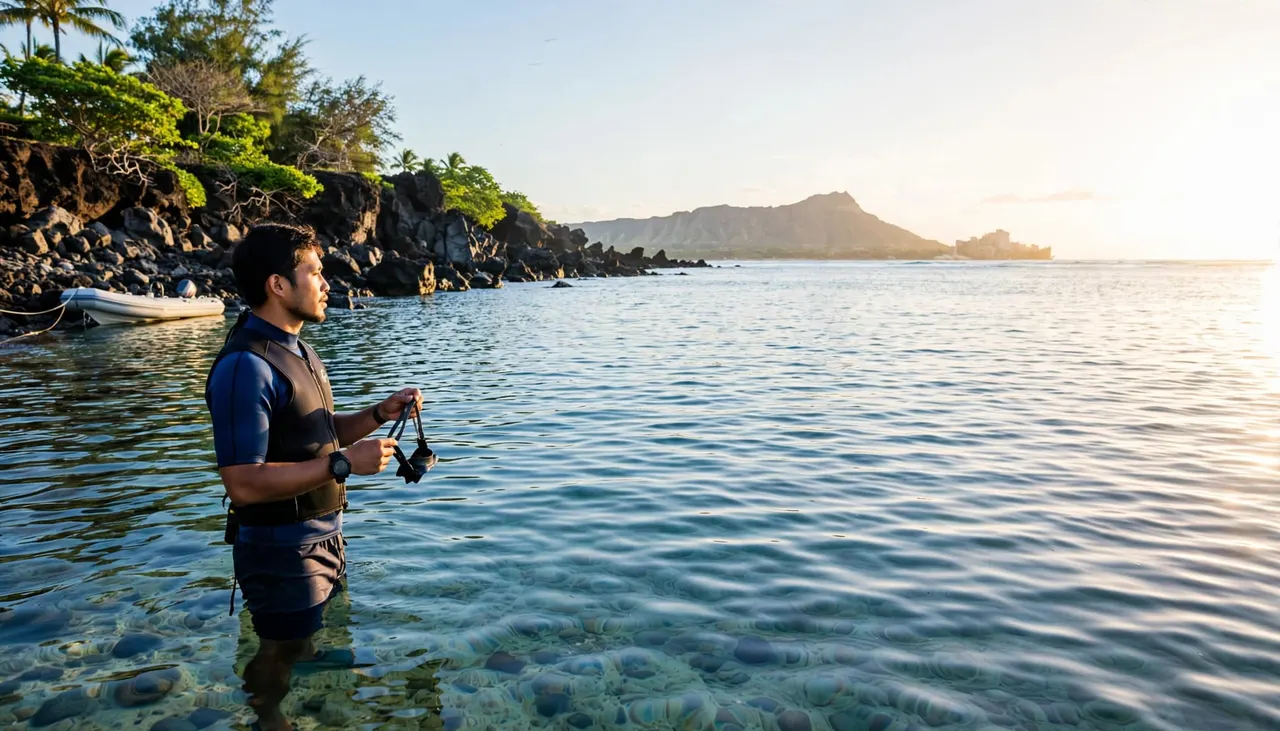
You don’t need to descend far to practice the right habit. Build it into your first shallow-water session, before you swim toward a reef or attempt a longer duck dive.
Exhale gently through your nose
As you descend, give a small, gentle exhale through your nose. That adds air into the mask and balances the pressure against your face.
The guidance for face-mask barotrauma prevention is straightforward: exhaling through the nose during descent prevents the mask’s air space from compressing. Keep the breath soft. Blasting air into the mask can break the seal and let water in.
Practice in water where you can stand. Put your face down, breathe slowly through the snorkel, and dip only a little below the surface. Then lift your head, reset, and repeat until the movement feels natural.
Descend slowly and stay relaxed
A rushed duck dive makes gear problems feel bigger. Instead, hold a flotation device or stay near the boat’s swim step while you get used to your mask and snorkel.
Move slowly enough to notice what your body is telling you. If your mask presses uncomfortably, come back up. Clear the mask if needed, check the strap, and remove hair or sunscreen from the sealing edge.
Divers Alert Network also advises adding air gently through your nose to avoid mask squeeze. Its mask-pressure guidance reinforces a useful rule for snorkelers: small corrections early are easier than pushing through discomfort.
Set up your mask before entering the ocean
Good fit prevents many problems that get mistaken for mask squeeze. Take two minutes at the dock, beach, or boat before you put your face in the water.
Test the seal on clean, dry skin
Hold the mask gently against your face without using the strap. Breathe in a little through your nose. A mask that fits should stay in place briefly without painful suction.
Keep loose hair away from the silicone skirt. Heavy sunscreen, sand, and a stray strand of hair can create a small gap that becomes a steady leak.
If you have a narrow face, ask for a smaller mask. Children and petite adults often need a different size than a standard adult rental. A correctly sized mask beats an expensive mask that doesn’t fit.
Adjust the strap with a light touch
The strap should sit flat around the widest part of the back of your head. Tighten it only enough to keep the mask in position. Then ask your buddy or guide to check that the skirt sits evenly against your skin.
Don’t let a leaking mask ruin the first few minutes of your swim. Pause, move back to shallow water or the boat, and ask for another size if the same leak keeps returning.
Keep your fins, towel, and bag contained before boarding or walking along wet paths. Loose gear becomes a trip hazard, especially when people are moving toward a swim step.
What to do when the pressure won’t go away
Your comfort matters more than getting a closer look at the reef. If pressure or pain starts, stop descending immediately and return to the surface.
Reset before trying again
Once you are floating comfortably, lift your mask slightly to release trapped pressure and check the seal. Look for hair, a twisted strap, or an overly tight fit.
Take several easy breaths through the snorkel. If you still feel tense or uncomfortable, skip the next duck dive and remain at the surface. You can see plenty of reef life without going underwater.
A buddy can watch for fatigue and help you stay calm. Children should remain within arm’s reach unless they are strong swimmers and you have agreed on clear boundaries.
Know when to end the swim
Don’t continue snorkeling if you feel dizzy, chilled, short of breath, overly tired, or unable to keep your mask comfortable. Let your guide or buddy know, then return to shore or the boat before exhaustion sets in.
Seek medical advice if discomfort persists after the swim or if you notice visible changes around your eyes or facial skin. Changes in vision deserve prompt medical attention.
You can still enjoy Waikiki’s coastline from the deck. Choosing to sit out part of a swim is sound ocean judgment.
Guided snorkeling gives you extra support
A guided outing removes much of the pressure around first-time equipment use. You can ask for help before entering the water instead of trying to troubleshoot while drifting over the reef.
Start at Turtle Canyons with a professional guide
On the Turtle Canyon snorkeling excursion, Living Ocean Tours cruises along the Waikiki coastline to snorkel near Turtle Canyons. The crew can help you check your mask, fins, and flotation gear before you enter.
Professional snorkel guides stay focused on your comfort in the water, reef etiquette, and responsible wildlife viewing. Give Hawaiian green sea turtles room to move naturally. Never touch, chase, feed, block, or surround them.
If a turtle passes below while your mask leaks, fix the fit first. A comfortable, clear view makes the encounter better for you and less disruptive for the animal.
CHECK AVAILABILITY for a Turtle Canyons outing when you want guided support close to Waikiki.
Choose a family-friendly reef cruise
For a longer family water day, the Deluxe Waikiki Snorkeling and Wildlife Cruise runs for 2.5 hours and welcomes guests ages 3 and up. The trip includes reef snorkeling along with a waterslide, trampoline, and floating lily pad.
Morning and afternoon departures are available daily, although times shift seasonally. The boat has shaded seating, a restroom, and dry storage, so you can take a break after your swim.
Kewalo Basin Boat Harbor parking is listed at $2 per hour. Arrive early enough to fit your gear without rushing and listen closely to the crew’s safety briefing.
CHECK AVAILABILITY for a Waikiki reef cruise with space for both snorkeling and play.
Frequently asked questions about mask squeeze
Can you get mask squeeze while surface snorkeling?
You can, but it is uncommon when you remain at the surface. Mask squeeze is tied to descending with an unbalanced mask air space. A short duck dive can create pressure, while surface floating usually will not.
If your face hurts at the surface, check for an overly tight strap or a mask that is the wrong size.
Should you blow air into your mask every time?
You only need a gentle nose exhale as you descend. At the surface, breathe normally through the snorkel. Forcing air into the mask can lift the seal and cause leaking.
Practice the motion in shallow water where you can stand before trying it near a deeper reef.
Can you snorkel with a leaking mask?
You can clear a little water and continue if the leak is minor and you feel calm. However, stop and adjust the mask if it keeps filling, distracts you from breathing, or makes you anxious.
A different mask size often solves a recurring leak faster than more strap tightening.
Enjoy the reef without fighting your gear
The best snorkeling Oahu memories come from feeling comfortable enough to slow down, float, and watch the reef. A well-fitted mask, gentle equalization during a duck dive, and a watchful buddy keep small gear issues from taking over your swim.
Respect your limits, stay off coral, and give wildlife plenty of space. When your mask feels right, the ocean gets your full attention.


