
Best Snorkeling Oahu Options for Plus-Size Swimmers
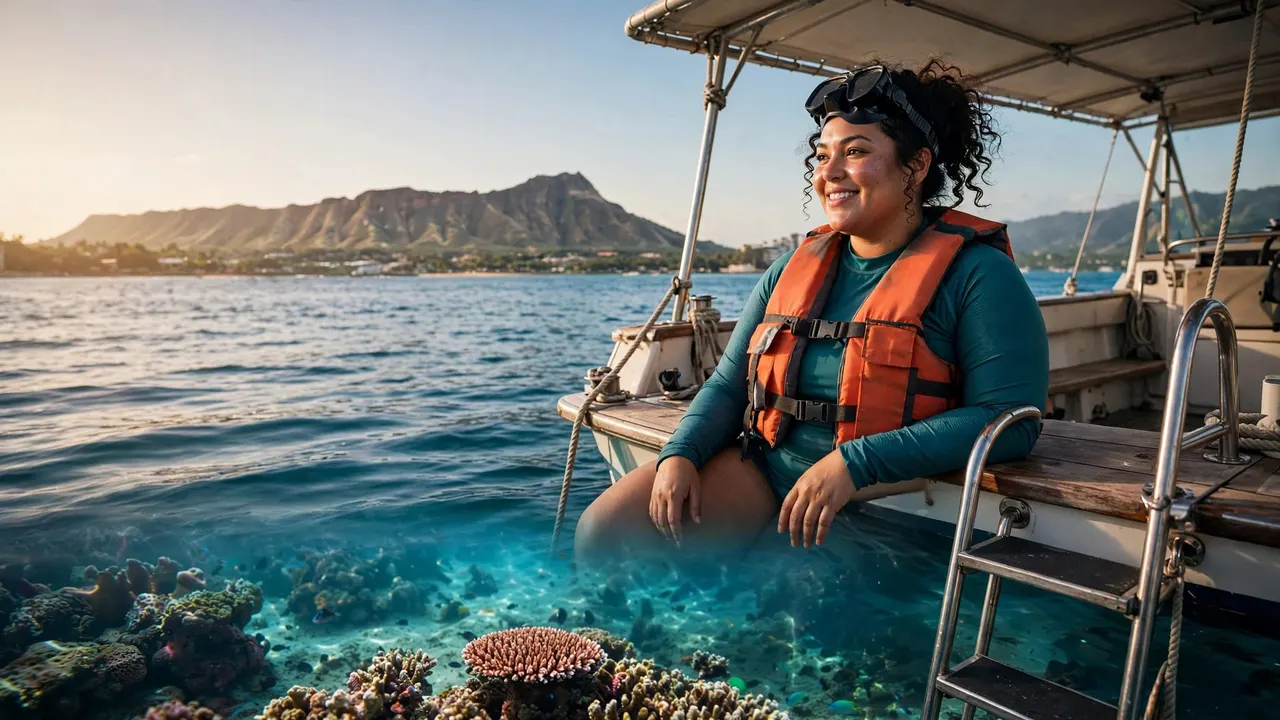
The best snorkeling Oahu experience is one where you can focus on the reef, not worry about cramped seating, a difficult exit, or being rushed into the water. You deserve clear information about the boat, flotation options, ladders, and guide support before you book.
Living Ocean Tours puts those details first from Kewalo Basin Boat Harbor, minutes from Waikiki. With the right boat and a crew that listens, snorkeling Oahu can feel relaxed, welcoming, and memorable.
What Makes Snorkeling Oahu Comfortable for Plus-Size Swimmers
Comfort starts before you put on a mask. A well-run tour gives you space to sit, shade when you need a break, a restroom onboard, and a clear plan for entering and leaving the water.
You don’t need to prove anything in the ocean. Tell the crew what will help you feel secure, whether that means extra time with your gear, flotation support, or staying closer to the boat.
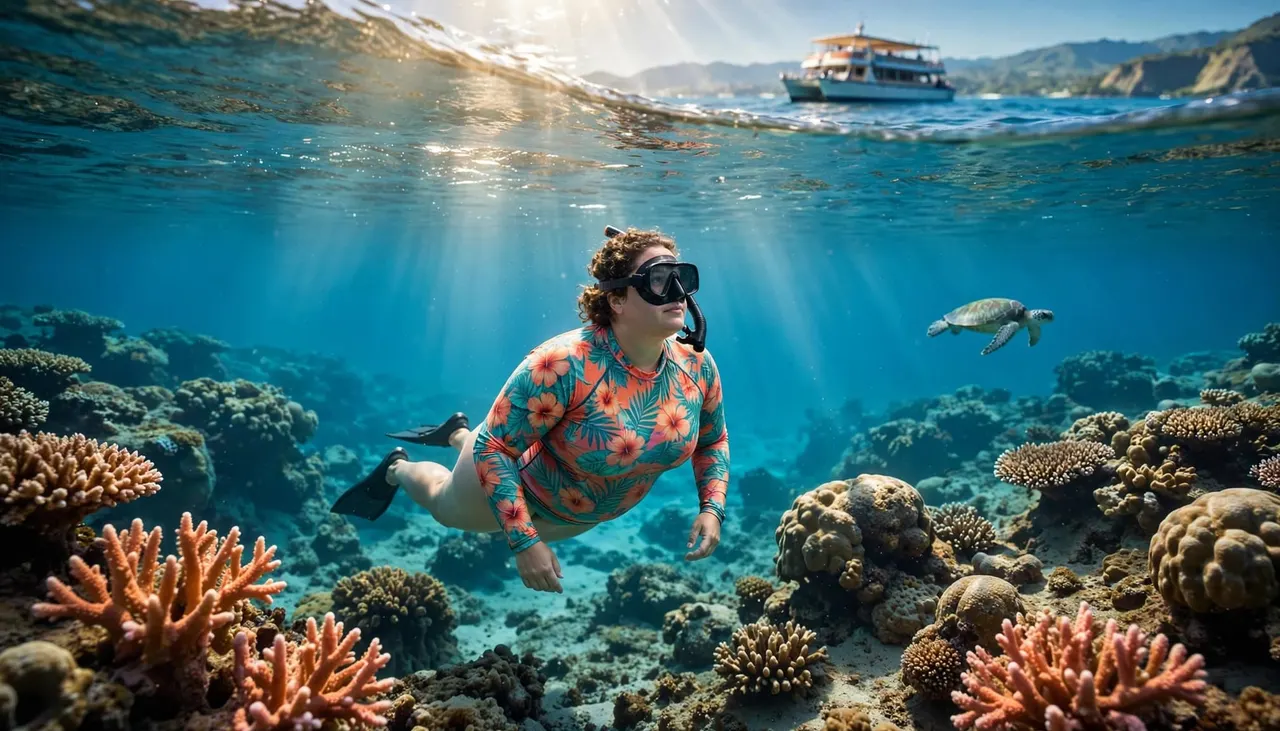
A boat trip removes the hardest shore-entry problems
Many Oahu beaches have rocky entries, shifting sand, shorebreak, or currents that make a swim feel harder before you reach the reef. A boat tour eliminates the need to carry gear across a beach and judge an unfamiliar entry on your own.
Turtle Canyons sits offshore from Waikiki, so you reach it by boat rather than a walk-up beach. That gives you a defined swim area, a nearby place to rest, and a crew watching conditions.
Ask clear questions before you reserve
No tour should make you guess about access or support. Contact the operator and ask whether the ladders have sturdy handholds, how crew assist with water entry, and what flotation devices are available.
Also ask about seating, shaded areas, deck pathways, restroom access, and the return-to-boat process. If you have a mobility concern, tell the company before booking. Living Ocean Tours’ boats are not listed as wheelchair accessible, so a direct conversation helps you make an informed choice.
The best time to discuss equipment fit and water-entry comfort is before departure, when you have time to choose a plan that feels right.
Why Living Ocean Tours Is a Strong Waikiki Choice
Living Ocean Tours operates Coast Guard-inspected double-decker vessels from Kewalo Basin Boat Harbor. You get shaded seating, dry storage, onboard restrooms, and heavy-duty ladders that make the transition between boat and water less intimidating.
The company is the only tour company with professional snorkel guides. That means you have trained in-water support for mask fit, buoyancy, reef etiquette, and a calm return to the boat if you need a break.
Choose Turtle Canyons for guided turtle viewing
The Turtle Canyons Snorkel Excursion heads to Waikiki’s natural turtle cleaning station, where reef fish may remove algae and debris from Hawaiian green sea turtles. Living Ocean Tours reports a 95% turtle-sighting rate, although wildlife sightings always depend on conditions and the animals’ behavior.
You can compare Waikiki Turtle Canyon snorkeling tours before choosing your departure. Gear and instruction are included, and the guides can help you settle your mask before you move away from the swim step.
When sea turtles are high on your vacation list, CHECK AVAILABILITY for the Turtle Canyons excursion.
Pick the deluxe cruise for more room to play
The Deluxe Waikiki Snorkeling and Wildlife Cruise visits a less-crowded reef and adds a boat-mounted waterslide, water trampoline, and floating lily pad. It works well when your family wants snorkel time without making the entire outing about snorkeling.
The Lokahi has a SeaKeeper stabilization system that helps reduce boat roll. You may appreciate that extra steadiness if you are prone to motion sickness or simply want a more settled ride.
For a longer family reef outing, CHECK AVAILABILITY for the Deluxe Waikiki Snorkeling and Wildlife Cruise.
Choose a Snorkel Boat That Lets You Reset
A comfortable boat gives you options. You may want to snorkel for a while, rest in the shade, drink water, and return for another look. That rhythm is easier when the vessel has clear walkways and places to sit.
Treat the ladder as part of your plan
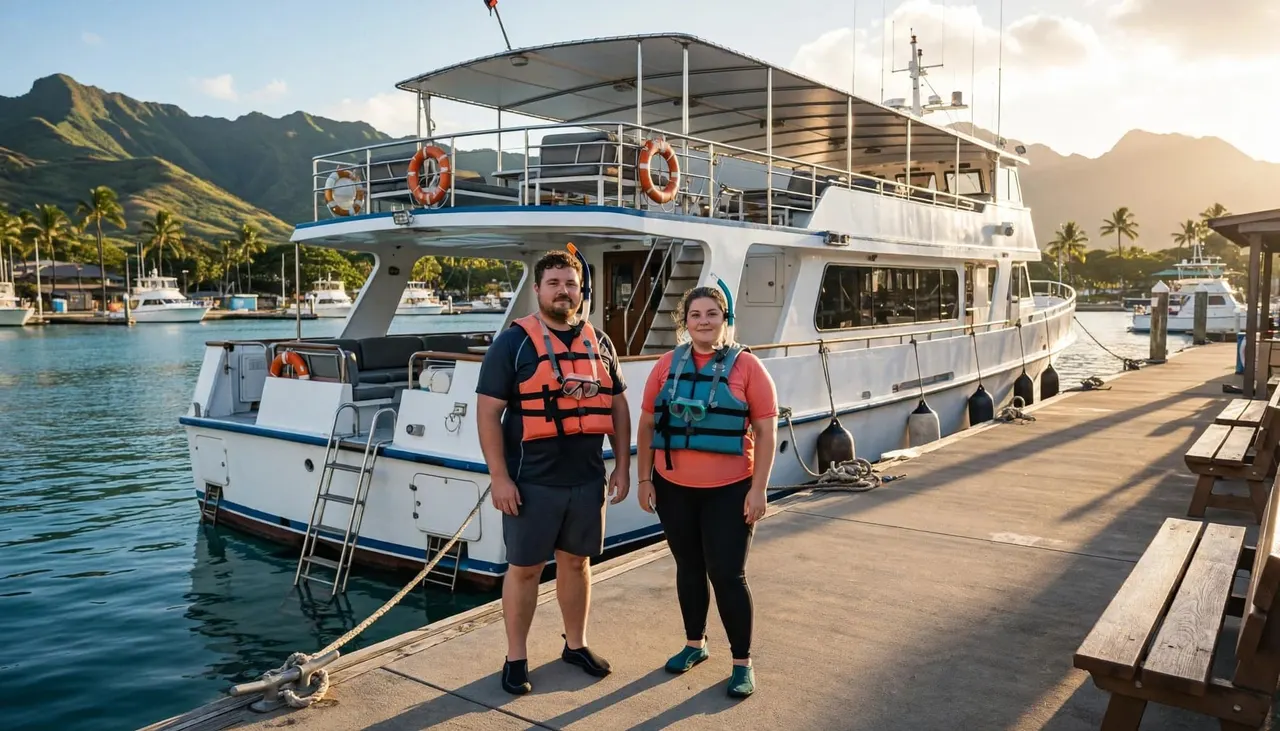
Getting back aboard often takes more energy than getting in. Ask where the ladder is located and whether a crew member stays nearby as guests return. Let the crew know if you want to enter after the first group, so you can move at a comfortable pace.
You should return before your legs feel exhausted. A short break on deck still gives you ocean views and time to enjoy the day with your travel companions.
Use the boat’s comfort features
Choose a shaded seat if direct sun drains your energy. Keep your cover-up, water bottle, and any medication in an easy-to-reach bag rather than buried under towels.
Fresh air and a horizon view can also help if the boat’s movement bothers you. On the Lokahi, the stabilization system may make the ride more comfortable, but the ocean can still change quickly. If you feel unwell, let a deckhand know early.
Gear Choices That Support a Better Swim
Your swimsuit should stay secure when you climb a ladder and move through water. A rash guard can reduce sun exposure, while swim leggings or board shorts may help you feel more covered and comfortable.
Ask for fins that feel secure without squeezing your feet. Tight fins cause cramping, while loose fins can slip off. Test the mask seal against dry skin before you enter the water, then speak up if it leaks.
Traditional masks and snorkels are a practical choice because you can practice breathing at the surface before moving farther from the boat. Living Ocean Tours does not permit full-face masks. A guide can help you correct a small fit issue while you are still near the swim step.
Bring a light snack if it fits your dietary needs, drink water before departure, and eat a modest meal beforehand. If you take motion-sickness medication, follow your doctor’s guidance and take it early enough to work.
Snorkel Around Turtles and Coral With Care
A turtle encounter should never become a pursuit. Hawaiian green sea turtles need room to surface, feed, rest, and move across the reef without people blocking their path.
Keep at least 10 feet from turtles
Stay at least 10 feet, or 3 meters, away from a turtle in the water. Don’t touch, feed, chase, surround, or swim directly above it. Let the animal choose its route.
Hawaiian turtles are protected wildlife, not photo props. The NOAA marine turtle conservation information explains why careful viewing matters for threatened and endangered turtle species.
Protect the reef beneath you
Float horizontally and keep your fins above coral. Never stand on reef, grab it for balance, or use it as a handhold. Even a brief touch can damage living coral or stir sand across it.
The NOAA Coral Reef Conservation Program supports reef protection and restoration work. You can help by giving the reef space, using a rash guard to reduce your sunscreen needs, and following your guide’s route.
Build a Personal Plan Before You Get Wet
You don’t need special athletic credentials to enjoy a guided reef swim. You do need basic swimming ability, comfort putting your face in water, and enough energy to return to the boat safely.
Before your tour, share any relevant concern with the crew. Tell them if you are nervous in open water, have had motion sickness, need more time with equipment, or want to stay near a guide.
A simple plan can make the first few minutes feel much easier:
- Arrive early enough to move around the dock without rushing.
- Wear footwear with grip for wet surfaces and bring a dry layer for the ride back.
- Practice slow breaths through the snorkel while holding a flotation device near the boat.
- Stay close to your guide until you feel settled, then keep your group in sight.
- Leave the water immediately if you feel dizzy, chilled, short of breath, or overly tired.
You can always enjoy Waikiki’s coastline from the deck if you decide not to snorkel. Respecting your limits is part of a great ocean day.
FAQ: Plus-Size Snorkeling in Oahu
Do you need to be an expert swimmer?
You don’t need to be an expert, but you should have basic swimming ability if you plan to enter the water. A guided trip is helpful because you can practice with your mask, snorkel, and flotation support near the boat before exploring farther out.
If you are not comfortable swimming, contact the operator before booking. You may still enjoy the boat ride and ocean views, but confirm current participation requirements first.
What should you ask about equipment sizing?
Ask about the availability and fit range for flotation vests, fins, wetsuits if offered, and masks. Describe your needs clearly, including shoe size and any fit concern that affects comfort.
Don’t assume every piece of rental gear will fit the same way. A good operator will answer directly or tell you what personal gear you should bring.
Will you definitely see a sea turtle?
No wildlife sighting is guaranteed. Turtle Canyons is known for Hawaiian green sea turtles, and Living Ocean Tours reports a 95% turtle-sighting rate, but ocean conditions and turtle behavior vary each day.
Treat the turtle sighting as a welcome possibility. The reef fish, blue water, and time on the boat can still make the outing worthwhile.
Can you take breaks during the snorkel?
Yes, tell your guide as soon as you want to rest. You can hold a flotation device, stay near the boat, or return onboard for water and shade.
Taking a break early helps you avoid fatigue. You will enjoy more of the trip when you listen to your body.
Find the Snorkel Experience That Feels Good
The best snorkeling Oahu trip for you has less to do with pushing limits and more to do with feeling supported. Choose a boat with comfortable amenities, ask direct questions about entry and equipment, and give yourself permission to move at your own pace.
With professional guidance, respectful turtle viewing, and a clear plan for breaks, you can spend more time enjoying the reef and less time worrying about the next step.


