
Snorkeling Oahu: A Complete Guide for 2026
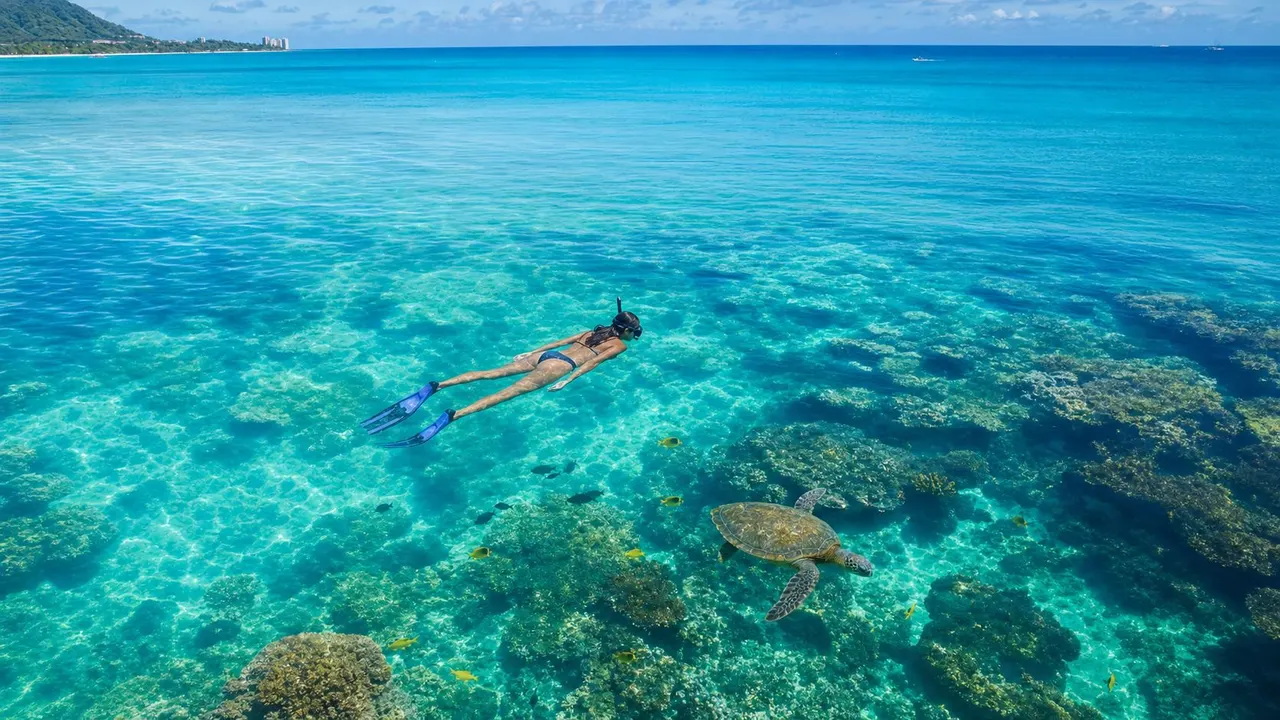
You're probably in one of two camps right now. You've either got a family group trying to decide whether a famous beach is a good idea for the least confident swimmer, or you're staying in Waikiki and want one great snorkel day without wasting half of it on parking, rough entries, and bad visibility.
That decision matters more than most visitors realize. Oahu has beautiful snorkeling from shore, but the “easy” spots online often look simpler than they feel once you're carrying gear, watching the water, and trying to keep kids calm. Good snorkeling Oahu planning isn't just about where the fish are. It's about choosing the kind of entry, support, and conditions that fit your group.
Welcome to Oahu's Underwater Paradise
A lot of people arrive expecting one postcard moment. Clear water. Bright reef fish. Maybe a turtle gliding past. What surprises them is how quickly the island gives you that if you choose the right setup.
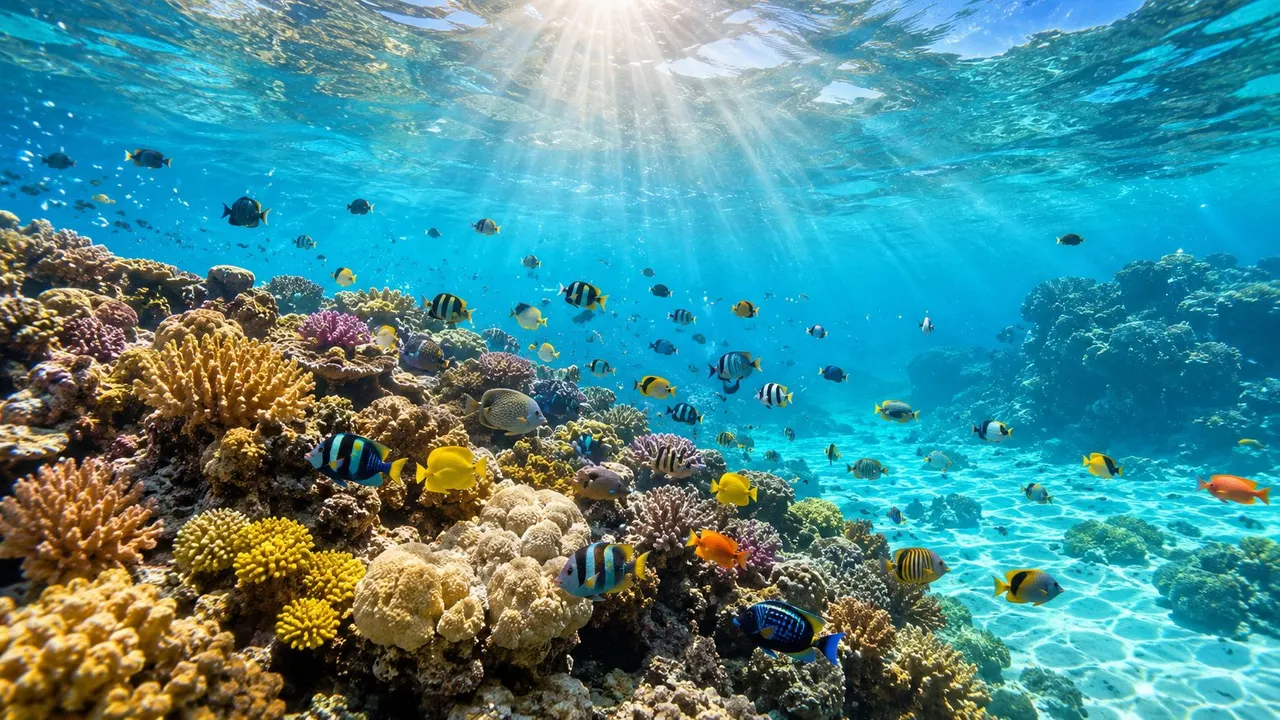
Drop your face in the water off the right stretch of coast and the whole scene changes. The surface glare disappears. Blue turns into layers. Reef fish move in and out of coral heads, and the ocean feels less like a beach stop and more like another world running on its own schedule.
That's why snorkeling Oahu stays with people. It isn't just the color. It's the calm that comes when you stop fighting the water and start floating with it.
What first timers usually get wrong
Most beginners focus on the map. They ask which beach has turtles, which cove is famous, or where they can rent cheap gear. Those aren't bad questions, but they skip the one that matters most. Is this the right kind of snorkel for the weakest swimmer in my group?
That's where trips go sideways. A protected bay can still feel intimidating if visibility is poor and the entry is crowded. A beach that looks shallow can still have surge that unsettles children and nervous adults.
Practical rule: Choose the experience first, then the location. Calm entry, support, and visibility matter more than a famous name on the map.
The choice that shapes the whole day
On Oahu, the big split is simple. You can snorkel from shore and manage the details yourself, or you can step onto a boat where the crew handles gear, timing, and site selection.
Both can work. They do not deliver the same day.
If you're a confident swimmer traveling light, shore snorkeling can be excellent. If you've got kids, grandparents, or anyone who's unsure in open water, guided snorkeling usually produces a calmer and more enjoyable morning because the hard parts are handled before anyone gets in.
When Is the Best Time for Snorkeling in Oahu
Conditions decide everything. The same site can feel smooth and inviting one day, then murky and tiring the next. If you want the best shot at a good snorkel, plan around season, tide, and time of day instead of just picking a beach and hoping.
Pick the right season for the right coast
For the south shore, guides target mid-tide to high tide, and summer from April to October offers peak water clarity, with a morning start before 10 a.m. helping you avoid afternoon winds and congestion, according to this Oahu visibility and calm-water guide.
That matches what works on the water. Early departures usually give you flatter surface conditions, easier mask clearing, and less chop for beginners. By late morning or afternoon, the ocean can still be swimmable, but it often stops feeling relaxed.
For seasonal planning, I break Oahu into two practical windows:
- Summer on the North Shore: Spots like Shark's Cove usually make more sense when the water is calmer and clearer.
- Winter on the South Shore: Protected areas near Waikiki and Hanauma Bay are the safer call when North Shore surf gets serious.
- Shoulder months: Stay flexible. Look at the day's conditions instead of forcing the beach you picked last week.
If you want a better sense of what the ocean feels like through the year, this guide to Oahu water temperature by season helps with comfort planning.
The best hour is earlier than most people think
Visitors often assume noon means the warmest and easiest snorkel. It usually doesn't. By then, wind tends to rise, more people are in the water, and nearshore visibility can get kicked up.
A better routine looks like this:
- Be parked or checked in early. Rushed groups make bad decisions.
- Aim for water time before 10 a.m. That's when surface conditions are often friendlier.
- Avoid low tide at reefy shore spots. Less water over coral can mean worse visibility and a tougher entry.
- Have a backup plan. If the water looks poor, don't force it.
Calm mornings help beginners more than any piece of gear ever will.
That last point matters. A lot of disappointing snorkel days don't fail because Oahu lacks good reef. They fail because people commit to a place and time that don't match the ocean in front of them.
Top Oahu Snorkeling Spots You Can Access from Shore
Shore snorkeling has one huge advantage. It feels easy to organize. No departure time, no boat ride, no check-in line beyond whatever the location requires. But convenience on land doesn't always translate to comfort in the water.
If you want to go the DIY route, start with realistic expectations. Some shore spots are excellent for the right person on the right day. They just aren't all beginner-friendly in the way travel lists suggest.
Hanauma Bay for structure and easy planning
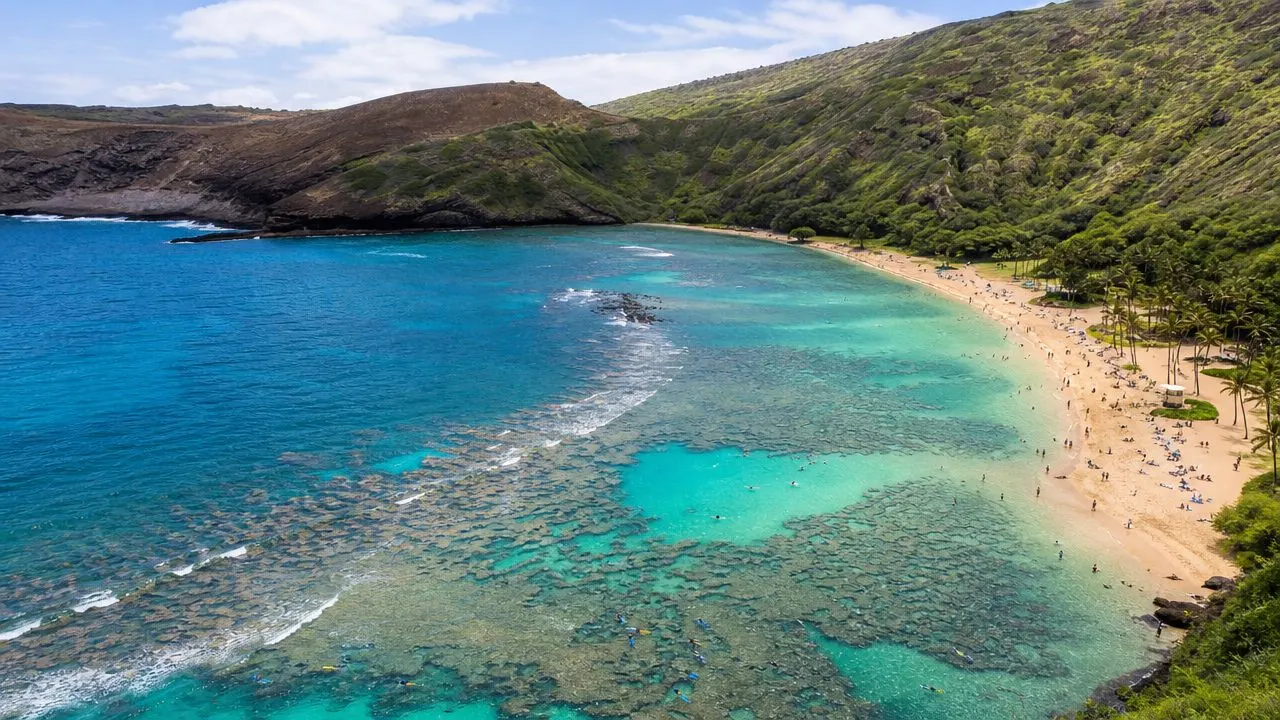
Hanauma Bay is the classic first stop. It's controlled, well known, and easy to understand from a visitor's point of view. It also comes with strict logistics. Hanauma Bay State Park limits daily entry to 1,000 visitors via a mandatory online reservation system, and entry costs $25 per adult, as noted in this VOA report on Hawaii snorkeling safety and access.
That structure helps, but it doesn't make the water risk-free. The bay is often treated like the automatic beginner choice, especially in winter when it's considered safer than North Shore spots like Shark's Cove. Even so, calm-looking water can still produce anxiety for first-timers, especially when visibility drops or people drift farther than intended.
What works here
- Early reservations: Don't wait. Entry is controlled and planning matters.
- Families who want guardrails: Rules, facilities, and a defined bay help.
- Winter visitors: This is usually a more sensible option than exposed North Shore entries.
What doesn't
- Late arrivals: Crowds and churned-up water make the experience weaker.
- People who hate logistics: Reservation timing is part of the deal.
- Non-swimmers without support: Shore access doesn't replace in-water coaching.
For travelers comparing beach options near town, this roundup of Waikiki snorkeling spots is a useful planning reference.
Sharks Cove for summer only
Shark's Cove gets a lot of attention for good reason. In summer, it can be fun, clear, and full of reef life. In winter, it's a different story. This is not a year-round beginner beach.
The mistake people make is treating the name recognition as a safety signal. It isn't. North Shore conditions can change the whole character of a shore entry, and a place that looks manageable in photos can be the wrong call on your actual day.
If you have to talk yourself into a North Shore entry in winter, skip it.
Kahe Point for strong swimmers
Kahe Point, often called Electric Beach, draws more confident snorkelers. Marine life can be good, but it's not the place I'd send a nervous family group to “just try it.”
The issue isn't hype. It's effort. Stronger water, open-ocean feel, and a more demanding entry can wear people out fast.
A simple filter helps:
- Experienced swimmers: Worth considering when conditions are favorable.
- Beginners: Usually better to pass.
- Mixed-ability groups: Build the day around the least comfortable person, not the most adventurous one.
That's the hidden trade-off with shore snorkeling on Oahu. You may save money or gain flexibility, but you also take on every decision the captain and crew would otherwise handle for you.
Why a Guided Tour Is Your Best Bet for Snorkeling Oahu
You park at a beach that looked calm in photos. Then the kids are hot, the rental masks are fogging, one person is uneasy about the shorebreak, and now someone has to decide whether the entry is safe. That is the first-timer safety gap on Oahu. The water can be beautiful and the plan can still go sideways before anyone sees a fish.
A common mistake for first-timers is assuming shore snorkeling is easier just because it starts from sand. In practice, a beach day often asks beginners to handle the hardest parts themselves: reading conditions, picking an entry point, timing the sets, managing gear, and keeping a mixed-ability group calm in open water.
The first timer safety gap is real
I see this with families all the time. One adult is confident. Another is trying to stay relaxed for the kids. A child is excited until the first splash in the face or a fin slips off. At that point, the day depends less on reef quality and more on whether the group feels supported.
A guided boat trip changes that equation. Crew members choose a site based on actual conditions that day. Gear is set up before you enter. The briefing covers what to expect in the water, how to use flotation, and where to stay relative to the boat and guide. Beginners spend more energy looking at the reef and less energy solving problems.
That convenience matters, but safety is the bigger reason. Shore snorkeling can absolutely be rewarding. It also puts all the decision-making on you. For a first visit, especially with kids or cautious swimmers, that trade-off catches people by surprise.
One local operator that fits this beginner-friendly model is Living Ocean Tours' Honolulu snorkel company page.
Shore Snorkeling vs Guided Tour Which Is Right for You
| Feature | Shore Snorkeling (DIY) | Guided Tour (Living Ocean Tours) |
|---|---|---|
| Entry | You judge the beach, timing, and footing | Crew manages boat access and briefing |
| Gear | Rent or bring your own | Gear is included |
| Beginner support | Limited to whoever came with you | Structured help and flotation options |
| Conditions | Whatever the beach is doing that day | Site choice is based on current conditions |
| Wildlife viewing | Can be hit or miss | More controlled and focused |
| Stress level | Often higher for families | Usually lower from the start |
The decision isn't merely financial; it's about responsibility. DIY shore snorkeling gives you flexibility and can save money, but you take on site selection, water assessment, and group management. A guided tour costs more upfront and removes several failure points that tend to spoil first snorkel days.
Why Turtle Canyon changes the experience
If seeing turtles is high on your list, offshore access usually gives you a more reliable setup. Turtle Canyon off Waikiki is a known turtle area, which is why so many guided trips head there instead of waiting for luck from shore. As noted in this Turtle Canyon overview, the appeal is consistency and habitat, not just convenience.
That is a meaningful difference for beginners. From shore, you might spend half the session dealing with entry conditions and never settle in. On a boat trip, you arrive where the snorkeling is the main event.
If turtle snorkeling is your priority, the Turtle Canyons Snorkel Excursion is the direct option. If your group wants a broader family outing near Waikiki, this Waikiki snorkel waterslide cruise is another option.
Your Essential Snorkeling Gear and Packing Checklist
Bad gear ruins more snorkel sessions than bad fish life. If the mask leaks, the fins are awkward, or you're getting cooked by the sun, people stop looking at the reef and start managing discomfort.
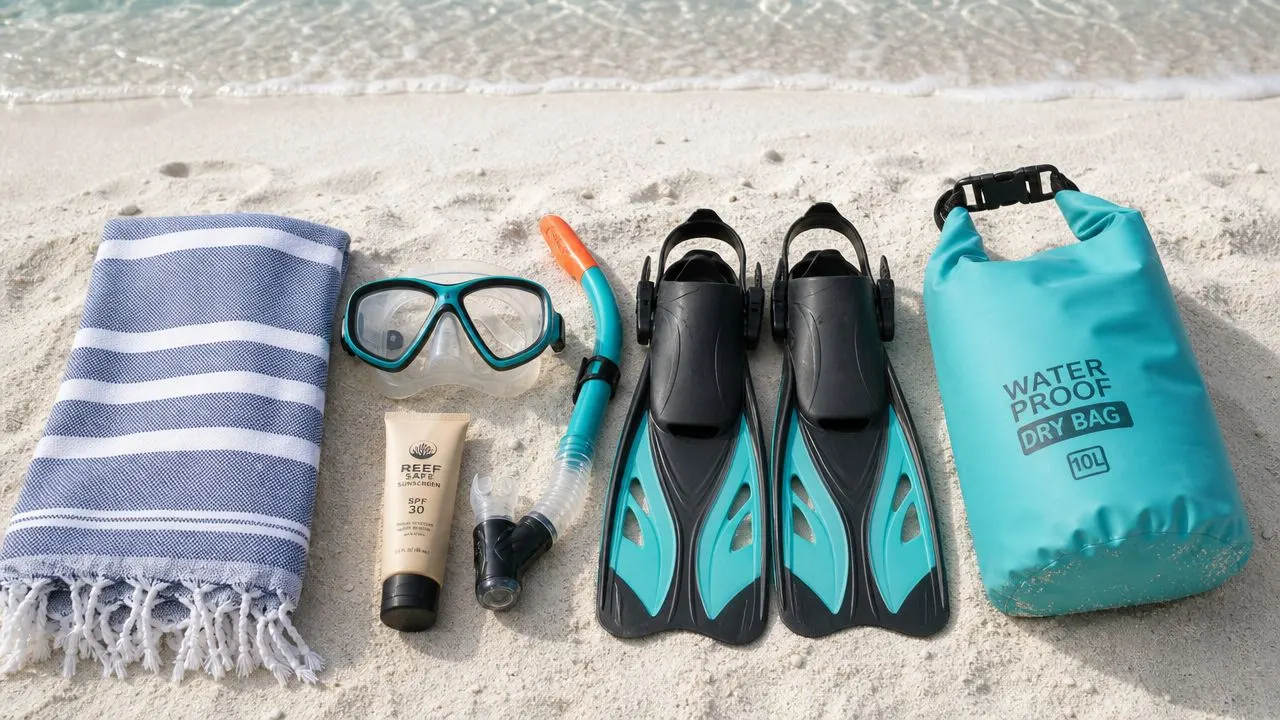
What to wear and bring
Start with what keeps you comfortable for the whole session, not just the walk from the car.
- Rash guard: Better than relying only on sunscreen. It covers your back and shoulders where visitors get burned fastest.
- Towel and dry clothes: Especially important after a boat ride or breezy morning session.
- Dry bag: Phones, keys, and wallets stay organized and out of the splash zone.
- Water: Dehydrated snorkelers tire out quickly.
- Simple footwear: Easy sandals beat bulky shoes for beach or harbor days.
I also like people to think about sun protection as part of safety, not just comfort. When someone gets overheated early, everything else feels harder.
What to rent and what to skip
Mask fit matters more than fancy features. If you own a mask that seals well on your face, bring it. If you don't, quality rental gear is often the better choice than buying cheap equipment for one trip.
A few practical calls:
- Bring your own mask if it already fits. Familiar gear lowers frustration.
- Rent fins locally if you're traveling light. They take up space and many visitors don't need to pack them.
- Use flotation if you're unsure. It saves energy and lets you focus on breathing.
- Skip overloaded gear lists. A pile of accessories is often not necessary to enjoy snorkeling.
Good snorkeling gear should disappear once you're in the water. If you keep thinking about the equipment, something is off.
If you want a more complete pre-trip checklist, this Oahu snorkel packing list is a helpful place to compare what you've already packed against what you'll use.
For photos, keep expectations realistic. Underwater cameras are fun, but they can distract first-timers. I'd rather see beginners get comfortable, float calmly, and remember the reef than spend the whole swim fumbling with buttons.
Snorkeling Safety and Responsible Wildlife Viewing
This is the part visitors skip until they need it. Don't. Oahu rewards people who stay humble in the water.
The risks visitors underestimate
Snorkeling is the leading cause of ocean drownings for tourists in Hawaii, and Hawaiian green sea turtles are protected under the Endangered Species Act, with violations carrying fines up to $100,000 and possible imprisonment, according to this KHON2 report on visitor snorkeling deaths and turtle protections.
That headline doesn't mean snorkeling is unsafe by default. It means visitors often overestimate their comfort and underestimate the ocean. New gear can create a false sense of security. Calm-looking water can still be tiring. People who are fine in a pool can get stressed when they can't stand up.
A few rules don't change:
- Never snorkel alone.
- If the entry looks questionable, don't go.
- Use flotation if you're anxious or rusty.
- Stop early if breathing feels labored or you feel unusually tired.
The medical issue many visitors haven't heard of is SI-ROPE, or snorkel induced rapid onset pulmonary edema. The practical takeaway is simple. If someone feels suddenly short of breath, weak, or distressed in the water, treat it seriously and get help.
How to watch turtles without harassing them
Snorkelers generally know not to touch turtles. Fewer understand how accidental pressure happens. It usually starts with crowding, diving down on top of a turtle, or drifting into its path because everyone wants the same photo.
Better behavior looks like this:
- Stay flat on the surface: Floating calmly is less intrusive than diving down.
- Leave the turtle a lane: Don't block where it wants to go or surface.
- Watch your fins: Coral damage often happens behind people, not in front of them.
- Don't chase the encounter: The best turtle moments happen when snorkelers hold position and let the animal move naturally.
This guide to Oahu reef etiquette is a useful refresher before any trip.
Respect in the water is active. You don't just avoid touching wildlife. You manage your position, your fins, and your excitement.
That matters at turtle cleaning stations especially. Good turtle viewing isn't about getting closer. It's about staying calm enough that the turtle keeps doing what it was already doing before you arrived.
Sample Oahu Snorkeling Itineraries for Every Traveler
A good snorkel day fits the people on it. Not the other way around. Here are three setups that work well for different kinds of visitors.
Family with young children
Keep it simple. Choose a morning guided snorkel near Waikiki so the crew handles gear and the adults aren't trying to troubleshoot masks while watching the shoreline.
The better family plan is usually a boat with built-in support and room to relax between water sessions. For many groups, a guided Waikiki snorkel cruise works better than forcing a crowded shore entry before everyone's awake.
Adventurous couple
In summer, start early with a North Shore shore snorkel only if conditions are calm and both of you are comfortable reading the water. After that, leave the afternoon open for a coastal drive, lunch, and a beach stop rather than trying to squeeze in a second hard swim.
This plan works because it respects timing. The best water often comes early, and the best couples' days don't feel rushed.
Ultimate turtle seeker
If turtles are the priority, don't build the day around luck. Book a morning offshore turtle snorkel, keep the rest of the schedule light, and give yourself time to enjoy the harbor area after the trip instead of sprinting to the next reservation.
That approach is especially smart for short stays. One organized morning can deliver the experience people often spend multiple beach attempts trying to find.
If you want a smoother snorkeling Oahu experience with less guesswork, Living Ocean Tours offers guided departures from Kewalo Basin near Waikiki with gear, instruction, and beginner-friendly support built into the day.


