
Snorkeling Oahu: How Storm-Damaged Coral Reefs Recover
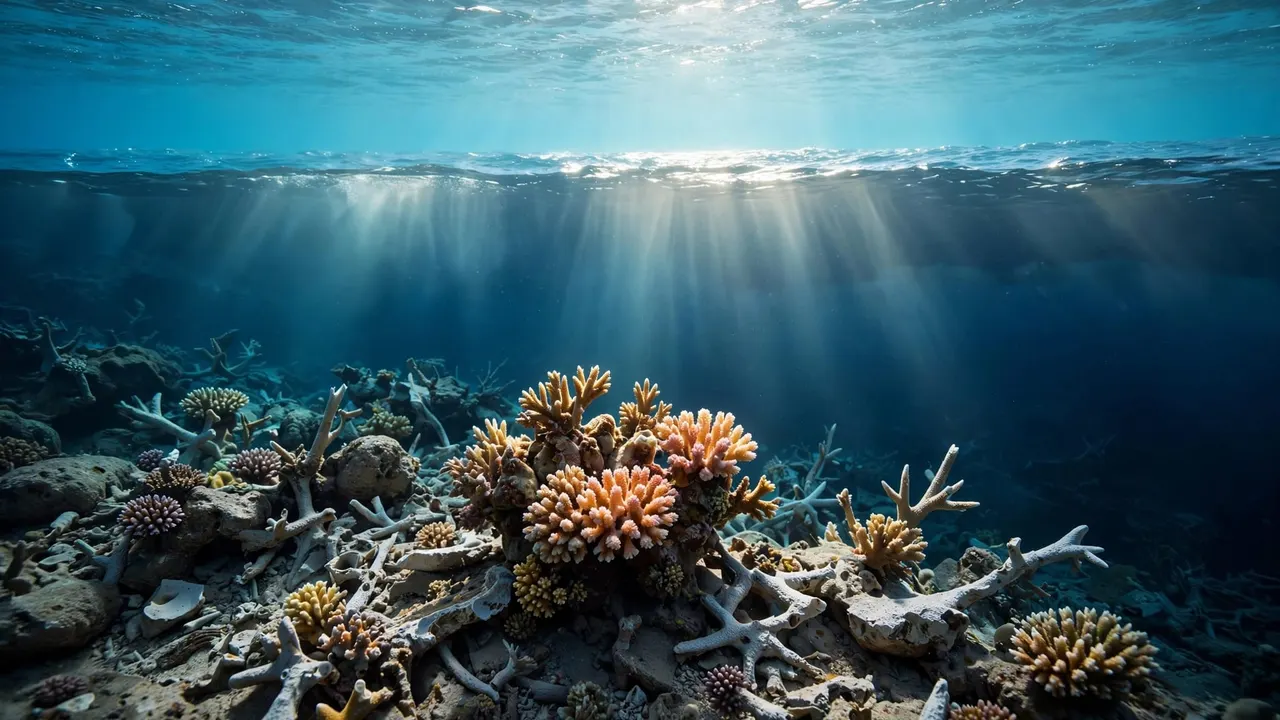
A calm blue surface can hide a reef that is still healing. When you go snorkeling Oahu, you may see broken coral branches, pale patches, or sand where a colorful coral garden once stood.
Storms are part of Hawaii’s ocean cycle, but recovery takes time and care. By understanding what happens below the surface, you can make safer choices and help give Oahu’s reefs the space they need.
What Storms Do to Oahu’s Coral Reefs
Powerful surf can reshape a reef in a few hours. Waves move coral rubble, snap delicate branches, and push sand across living coral tissue. Nearshore reefs also face runoff after heavy rain, which carries sediment and freshwater into the ocean.
Wave energy can break living coral
Branching corals are especially exposed during large swells. A broken fragment is not always dead, though. If it lands in a stable spot, stays uncovered, and avoids disease, it may reattach or continue growing.
Loose rubble creates a harder problem. It can tumble with every surge, scraping nearby coral and preventing young corals from gaining a foothold. In sheltered areas, calmer water eventually lets rubble settle.
Rainfall adds stress below the surface
Stormwater can cloud the water and lower salinity close to shore. Fine sediment blocks sunlight, while nutrient-rich runoff can fuel algae growth. Coral needs sunlight because tiny algae living inside its tissues provide much of its energy.
That is why a reef may look different for weeks after the waves stop. Clear water returning does not always mean the coral has recovered.
A reef can survive a storm and still need months or years to rebuild its living cover.
How Coral Reefs Recover After Storm Damage
Coral recovery is slow, but it is not passive. Surviving colonies regrow tissue, fish resume their roles in the food web, and coral larvae can settle onto stable surfaces. The speed of recovery depends on water quality, temperature, wave exposure, disease, and how much living coral remains.
Surviving colonies rebuild from the edges
A coral colony with partial damage may heal over exposed skeleton if conditions remain favorable. Massive corals tend to resist wave force better than thin branches, although they also grow more slowly.
Small fragments of some coral species can survive when they lodge securely in reef crevices. Hawaii restoration teams also use coral fragments of opportunity, meaning storm-broken pieces that are still alive and suitable for reattachment.
In April 2026, the Hawaii Department of Land and Natural Resources and Hawaii Tourism Authority announced coral restoration installations at Kewalo Basin and Maunalua Bay. The work includes an expected 100 corals across the two south-shore sites.
Fish help keep the reef open for new coral
Herbivorous fish graze algae that might otherwise blanket rock and coral skeleton. When algae stays controlled, coral larvae have a better chance to attach and grow.
Recovery can stall when sediment settles repeatedly or marine heat stress causes bleaching. NOAA Coral Reef Watch listed the Main Hawaiian Islands at Bleaching Watch on August 30, 2026, through its regional coral heat-stress gauges. A watch does not mean every reef is bleaching, but it is a reason to treat every reef with extra care.
Read Ocean Conditions Before You Snorkel
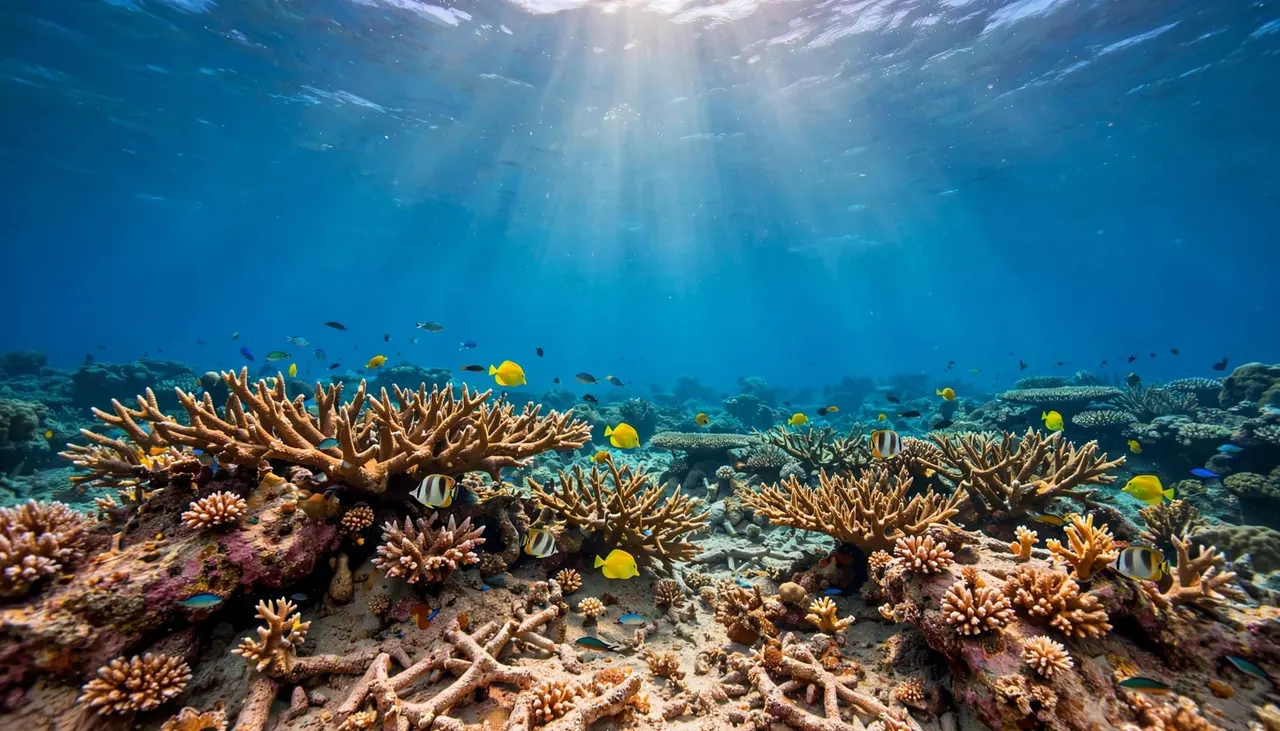
The best snorkeling Oahu experience starts before you reach the boat or beach. Recent rainfall, wind direction, tides, and surf can change visibility and current quickly. If the water looks unsettled, you don’t need to push through it.
Check forecasts and reef conditions
Use National Weather Service alerts and local ocean forecasts before leaving your hotel. Conditions can differ sharply between Oahu’s south shore, windward coast, and North Shore.
Also check NOAA’s daily satellite heat-stress monitoring when warm water is a concern. Satellite data cannot replace a real-time view of the ocean, but it helps you understand why a reef may need more protection.
After a storm, wait for water clarity to improve. Murky water makes it hard to see coral, judge depth, and spot incoming waves. It also increases the chance that you will accidentally stand on the reef.
Let the reef set your pace
A recovering reef deserves patience. Choose a protected site, stay in water deep enough to keep your fins clear, and turn back if waves push you toward coral.
Guided trips give beginners a practical advantage because a crew can assess the conditions, explain safe entries, and select appropriate areas. You can browse Oahu reef snorkeling excursions that depart from Kewalo Basin, close to Waikiki.
Snorkeling Oahu Without Adding More Damage
A few simple habits protect coral more than most people realize. Your body, fins, sunscreen, and choice of entry point all affect the reef. You can enjoy close views without making contact.
Keep your body horizontal and hands to yourself
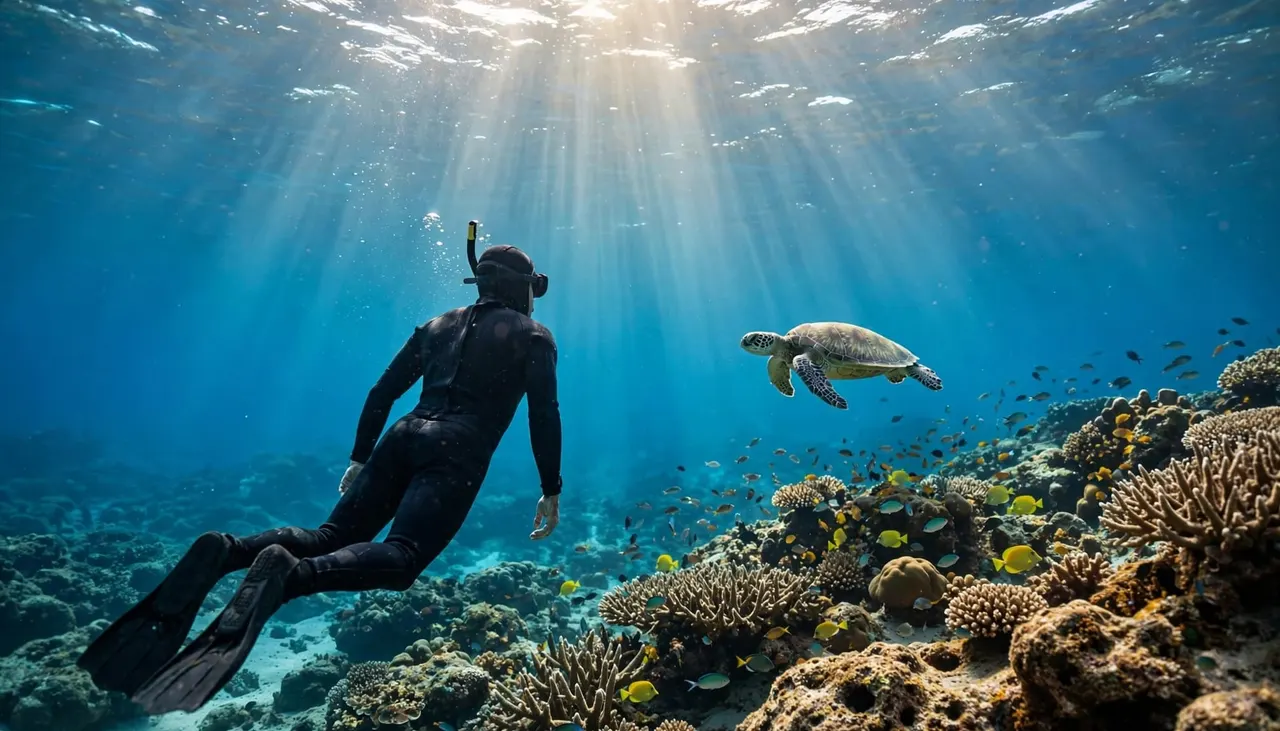
Float face-down with your legs near the surface. Bend your knees slightly and use short, controlled fin kicks. If you feel close to coral, stop kicking and drift away.
Never stand on coral, grab it for balance, or move a loose piece to inspect it. Coral can look like rock, yet even a light touch can remove its protective tissue.
Hawaiian green sea turtles also need room. Watch them from a respectful distance, never pursue them, and let them choose their own route through the water.
Skip the souvenir mindset
Leave shells, coral, and marine life where you find them. Even dead-looking coral structure provides shelter for fish, crabs, and other small animals.
If you spot pale coral, unusual tissue loss, or a wide field of broken branches, take a photo without touching anything. Resource managers use on-site observations alongside tools such as coral bleaching monitoring resources to track reef conditions.
See Turtle Canyons With Professional Snorkel Guides
Living Ocean Tours operates from Kewalo Basin Boat Harbor, minutes from Waikiki. The company is the only tour company with professional snorkel guides, so you get clear instruction, fitted gear, and in-water guidance that helps you stay comfortable without crowding the reef.
A closer look at Turtle Canyons
The Turtle Canyon snorkeling tour visits Waikiki’s well-known turtle cleaning station, where Hawaiian green sea turtles may pause while reef fish pick algae and parasites from their shells. Living Ocean Tours reports a 95% turtle-sighting success rate on this excursion.
You will learn how to enter and exit the water safely, manage your snorkel, and watch turtles without chasing them. That guidance matters when visibility shifts or currents pick up.
Book your place on the Turtle Canyons trip with CHECK AVAILABILITY.
Pick a Family-Friendly Reef Cruise
A boat trip can make snorkeling Oahu easier when you are traveling with children, first-time snorkelers, or anyone who prefers support close at hand. You avoid rocky entries, and the crew can help you choose the right gear before you enter.
A reef outing with room to relax
The Deluxe Waikiki Snorkeling and Wildlife Cruise travels the Waikiki coast toward Diamond Head and anchors at a less-crowded reef. Along with snorkeling, the Lokahi has a waterslide, water trampoline, and floating lily pad for family fun.
The Coast Guard-inspected double-decker vessel also has shaded seating, restrooms, dry storage, sturdy ladders, and a SeaKeeper stabilization system that reduces boat roll. You can spend less time worrying about balance and more time watching for fish, turtles, and seasonal wildlife.
Reserve the wildlife cruise with CHECK AVAILABILITY.
Give Oahu’s Reefs Their Best Chance
Storm damage is visible, but it is only one part of reef health. Warm water, sediment, algae, disease, and careless contact can keep a damaged reef from bouncing back. Your choices in the water have a real effect.
Choose calm conditions. Keep your fins off the bottom. Respect wildlife boundaries. Most of all, treat every coral head as living habitat, even when it looks weathered.
A Better Snorkel Starts With Respect
Oahu’s coral reefs can recover after storms when living corals survive, water clears, and new growth finds stable ground. That process is slow, so your best view of the reef comes with a responsibility to leave it undisturbed.
When you go snorkeling Oahu, let the reef set the rules. A careful float above coral and a respectful look at a sea turtle can become one of the most memorable parts of your Hawaii trip.


