
Snorkeling Oahu: What to Do If a Jellyfish Touches Your Skin
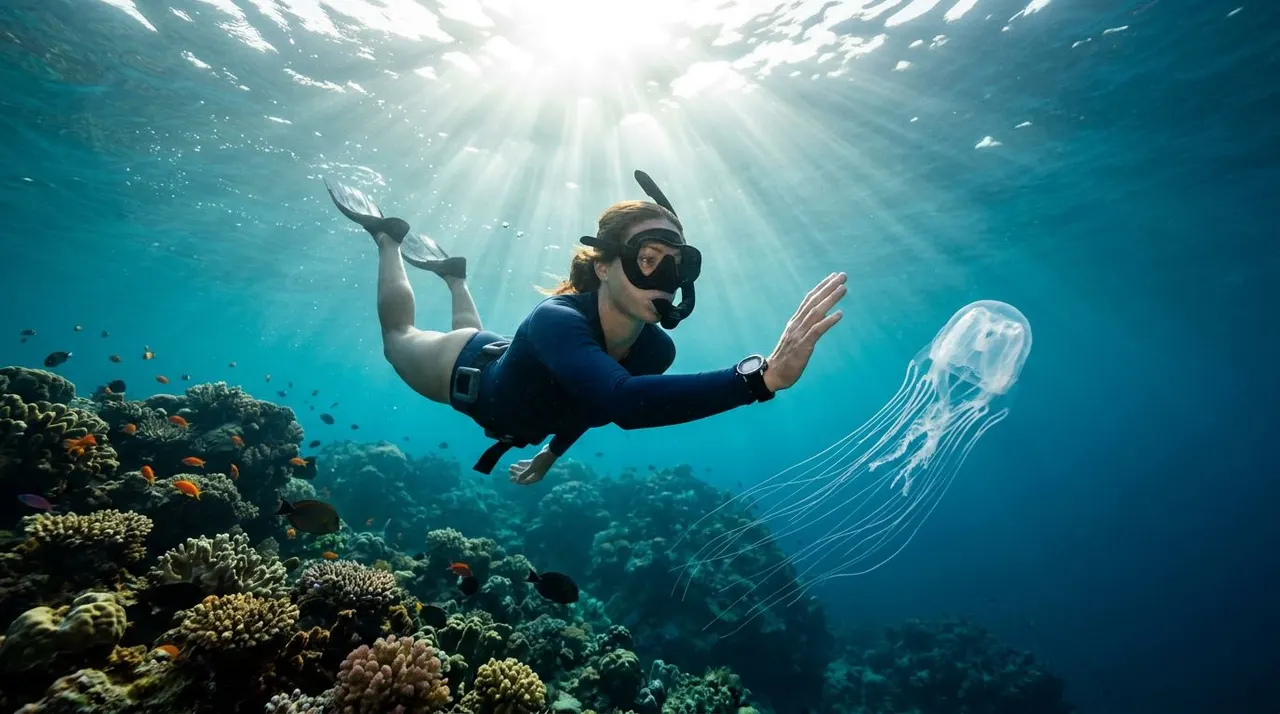
Jellyfish contact can turn a calm swim into a painful surprise, but the right response helps limit further stinging. If snorkeling Oahu is on your itinerary, learn what to do before you enter the water.
Most encounters cause burning, redness, or raised welts. Some stings can trigger serious symptoms, especially when many tentacles remain on your skin. Stay calm, leave the water, and get help from a lifeguard or professional guide.
Snorkeling Oahu: Why Jellyfish Sightings Happen
Jellyfish are part of Hawaii’s marine environment. You may encounter them in open water, near beaches, or around reefs, although sightings often follow a predictable seasonal pattern.
Watch the south shore after a full moon
Oahu’s south-facing beaches, including Waikiki, Ala Moana, and Hanauma Bay, can see box jellyfish arrivals about 8 to 12 days after a full moon. The highest-risk period often falls around days 8 through 10, and the influx may last several days.
That pattern isn’t a guarantee. Wind, currents, water temperature, and local conditions can change where jellyfish appear. Check a current beach advisory, ask a lifeguard, and confirm conditions with your tour operator before snorkeling Oahu.
You may also see Portuguese man-of-war, which have long blue-purple tentacles and can cause painful stings. Their appearance and treatment can differ from box jellyfish, so don’t assume every jellyfish-like animal requires the same first aid.
A touch can leave stinging cells behind
A jellyfish doesn’t need to remain on your skin to keep causing pain. Detached tentacles can continue releasing venom when you rub, scratch, or handle them with bare fingers.
You may feel a sharp burn immediately, followed by red lines, welts, itching, or swelling. A mild-looking mark can still become more painful over the next few minutes, so treat every suspected contact seriously.
What to Do Immediately After a Jellyfish Touch
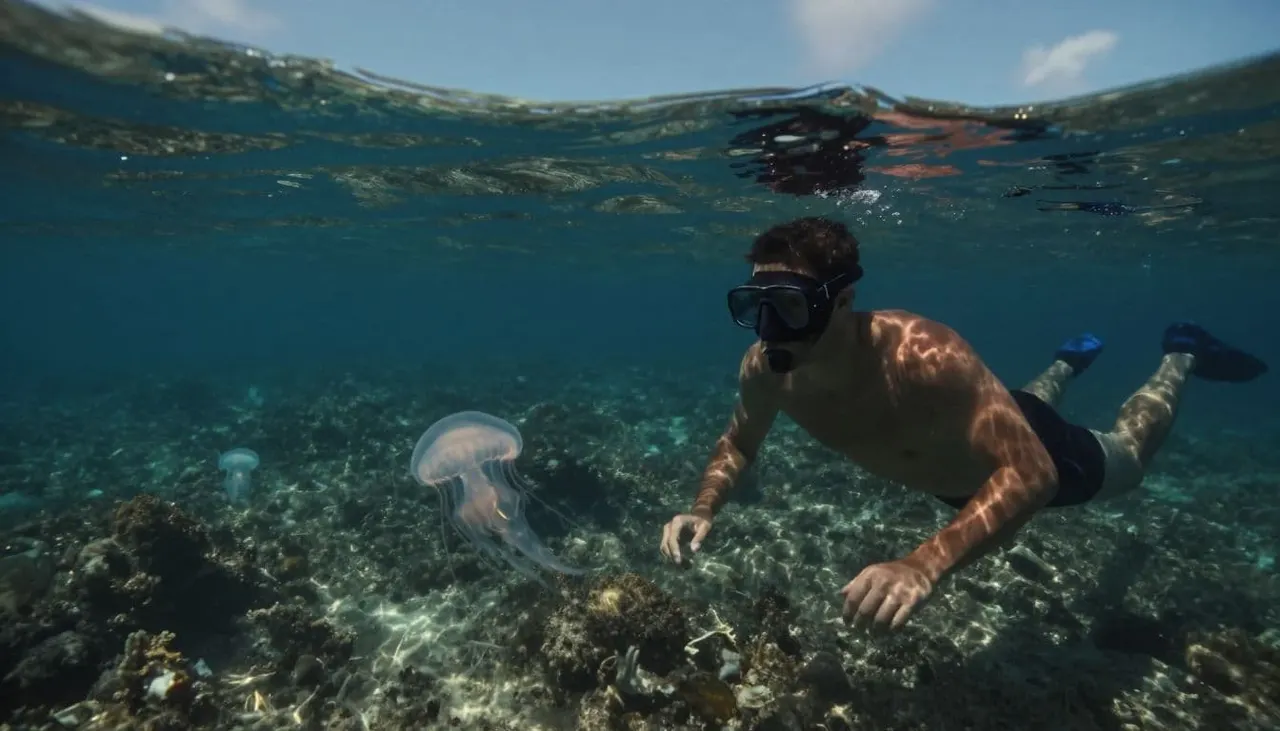
Your first priority is to stop contact with the animal and reach a safe place. Don’t try to swim through the pain or investigate the jellyfish underwater.
Leave the water without rubbing
Swim or walk toward shore, a boat ladder, or a lifeguard station. Use a buddy’s help if you feel weak, dizzy, or distracted by pain.
Once you’re out, keep your hands away from the affected area. Rubbing can press remaining tentacles against your skin and trigger more stinging. Don’t rinse the area with fresh water, and don’t apply urine, alcohol, or random household products.
If you see the jellyfish, point it out from a distance. Never pick it up, even if it appears dead or washed onto the sand.
Tell your guide or lifeguard
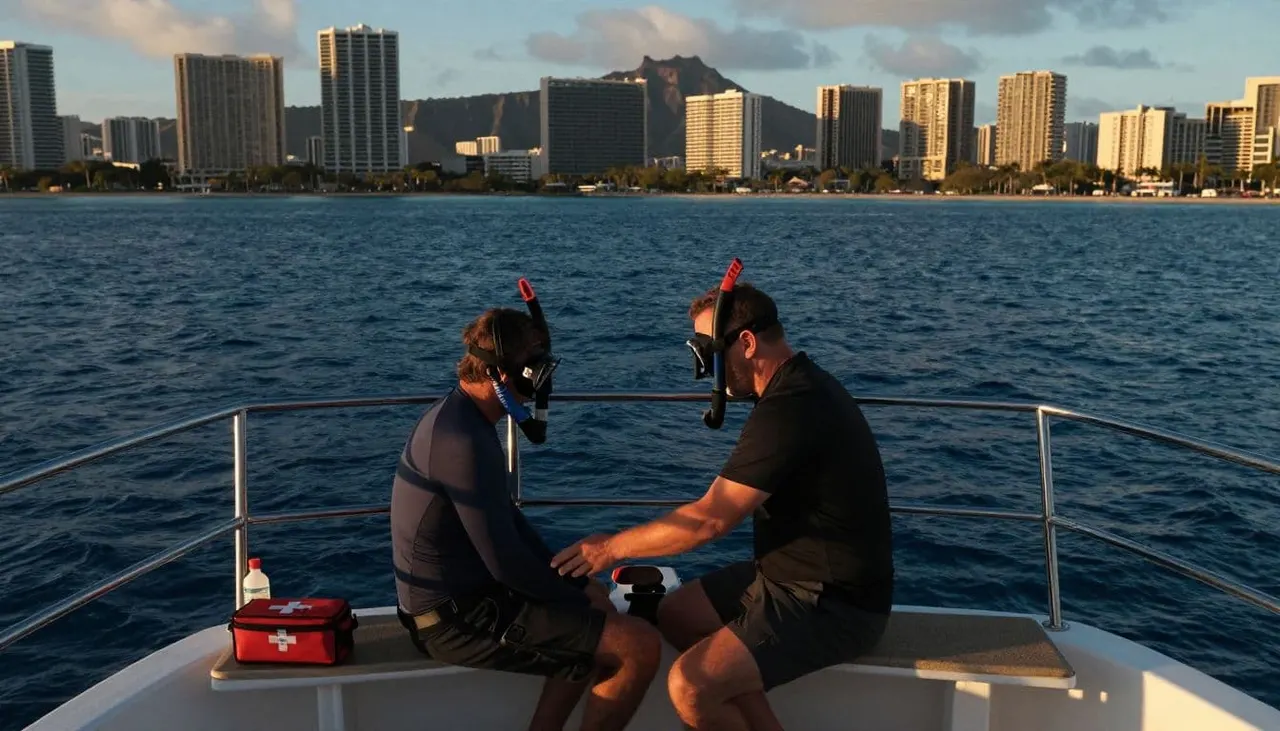
Alert a crew member, lifeguard, or beach safety worker as soon as possible. They can identify likely local species, provide supplies, and watch for symptoms that may be difficult for you to notice.
If you’re on a tour, tell the guide exactly where you felt contact and when it happened. Mention whether you see tentacles, how intense the pain is, and whether you feel short of breath, nauseated, faint, or confused.
A guide can also keep other swimmers away from the area. That matters because jellyfish may remain nearby even after the first person exits.
A jellyfish can continue stinging after the animal drifts away, because tentacles left on your skin may still contain active stinging cells.
First Aid for a Jellyfish Sting
Treatment depends on the species. Hawaii’s box jellyfish guidance differs from advice for some other jellyfish, so local instructions matter.
Rinse carefully and remove tentacles
For suspected Hawaiian box jellyfish, local first-aid guidance commonly recommends flooding the area with vinegar for at least 30 seconds. However, recommendations vary by species, and vinegar may worsen stinging from some jellyfish.
Ask the lifeguard or tour crew which protocol fits the animal involved. Medical research also continues to examine the best treatment for different species, as shown in this 2025 evidence review on box jellyfish stings.
Visible tentacles should be removed carefully. Use tweezers, a gloved hand, a stick, or the edge of a card. Don’t use bare fingers, and don’t scrape aggressively across the skin.
If you can’t remove every small fragment immediately, don’t delay emergency care. Getting help matters more than achieving perfect removal.
Use hot water for lingering pain
After the stinging material has been addressed, hot-water immersion can reduce pain from some jellyfish species. For Hawaiian box jellyfish, medical guidance commonly describes water around 109.4 to 113 degrees Fahrenheit for approximately 20 minutes.
The water should feel hot but never burn your skin. Test it carefully, and ask a guide, lifeguard, or medical professional to help. If hot water isn’t available, a warm compress may offer temporary comfort.
Read the University of Hawaii’s research on box jellyfish treatments for more detail on vinegar and hot-water treatment. The species caveat remains important, especially when you can’t identify what touched you.
When a Jellyfish Sting Needs Medical Care
Pain alone doesn’t always mean you need an ambulance, but you should take a rapid change in symptoms seriously. Children, older adults, and people with heart or breathing conditions may need help sooner.
Call 911 for severe symptoms
Call 911 immediately if you develop trouble breathing, swelling of your lips or tongue, chest tightness, fainting, collapse, confusion, severe weakness, or rapidly worsening pain. Widespread hives, repeated vomiting, or signs of an allergic reaction also require urgent attention.
Don’t drive yourself if you feel faint or confused. Ask someone to stay with you and tell emergency responders that jellyfish contact occurred.
If the sting covers a large area, affects your face or neck, or involves a child, seek prompt medical advice even when symptoms initially seem manageable. Take a photo of the jellyfish only if you can do so safely, without touching or approaching it.
Keep watching mild reactions
A small sting can leave redness and soreness for hours. Continue watching the area after first aid, especially if the pain increases instead of easing.
Contact urgent care if swelling spreads, blisters develop, the wound looks infected, or symptoms remain intense. The Mayo Clinic’s jellyfish first-aid guidance also recommends careful tentacle removal and hot water at the appropriate temperature.
Lower Your Risk Before Snorkeling Oahu
You can’t remove every ocean risk, but you can make a jellyfish encounter less likely and reduce confusion if one happens.
Check conditions before entering
Look for beach signs, lifeguard notices, and current jellyfish advisories. A calendar based on the full moon can help you plan, but it shouldn’t replace same-day conditions.
Ask these questions before your snorkeling session:
- Have jellyfish been reported at today’s location?
- What species are common in this area?
- Does the operator carry vinegar, gloves, and first-aid supplies?
- What should you do if you feel a sting in the water?
Avoid entering when visibility is poor, currents are strong, or local staff recommend staying out. You can still enjoy the shoreline, a boat ride, or another activity without forcing a swim.
Use a barrier and keep wildlife at a distance
A rash guard or full-coverage swim shirt may reduce exposed skin, although it can’t guarantee protection. Wear properly fitted goggles, secure your flotation equipment, and stay close to your buddy or guide.
Responsible snorkeling also means observing, not touching. Keep your hands away from turtles, coral, fish, jellyfish, and floating marine life. That protects you while respecting Hawaii’s fragile reef ecosystem.
A recent Hawaii News Now jellyfish advisory shows why local warnings deserve your attention before you swim.
Choose a Guided Snorkeling Oahu Trip
A guided trip gives you more support than swimming from an unfamiliar beach. You get safety instructions, local knowledge, equipment guidance, and a crew that can respond quickly if conditions change.
Why Living Ocean Tours helps
Living Ocean Tours operates from Kewalo Basin Boat Harbor, a short drive from Waikiki Beach. Its Coast Guard-inspected double-decker vessels, Coral Kai and Lokahi, include shaded seating, restrooms, dry storage, and sturdy ladders for easier water entry.
Living Ocean Tours is the only tour company with professional snorkel guides. That means you can ask questions before entering the water and receive practical help during the excursion, whether you’re a first-time snorkeler or an experienced swimmer.
The Lokahi also includes a SeaKeeper stabilization system, which reduces rolling and can make the ride more comfortable for guests who worry about seasickness. You can review the company’s Oahu marine wildlife tours before choosing your outing.
Turtle Canyon snorkeling with professional guides
The Turtle Canyons Snorkel Excursion visits a natural underwater cleaning station where Hawaiian green sea turtles often gather. Living Ocean Tours reports a 95% success rate for turtle sightings, although wildlife encounters always depend on natural conditions.
Your guide can explain how to keep a respectful distance and avoid blocking a turtle’s path to the surface. Before snorkeling Oahu, confirm current conditions and review the operator’s safety instructions.
Use the Turtle Canyon tour availability link to check departure times.
A family-friendly alternative
The Deluxe Waikiki Snorkeling and Wildlife Cruise visits a less-crowded reef and adds a boat-mounted waterslide, water trampoline, and floating lily pad. Those features give families another way to enjoy the ocean if jellyfish conditions make swimming less appealing.
You can check the Deluxe Waikiki cruise availability before booking. Ask the crew about current conditions, available safety gear, and the best option for your children’s comfort level.
Conclusion
A jellyfish touch doesn’t have to ruin your day on the water. Leave the water, avoid rubbing, alert a guide or lifeguard, follow species-appropriate first aid, and call 911 for severe symptoms.
When snorkeling Oahu, check local advisories and moon-cycle patterns before you swim. With professional guidance and a conservation-minded approach, you can enjoy Waikiki’s reefs while giving marine life the space it needs.


