
Snorkeling Oahu With Contact Lenses: Clear-Water Tips
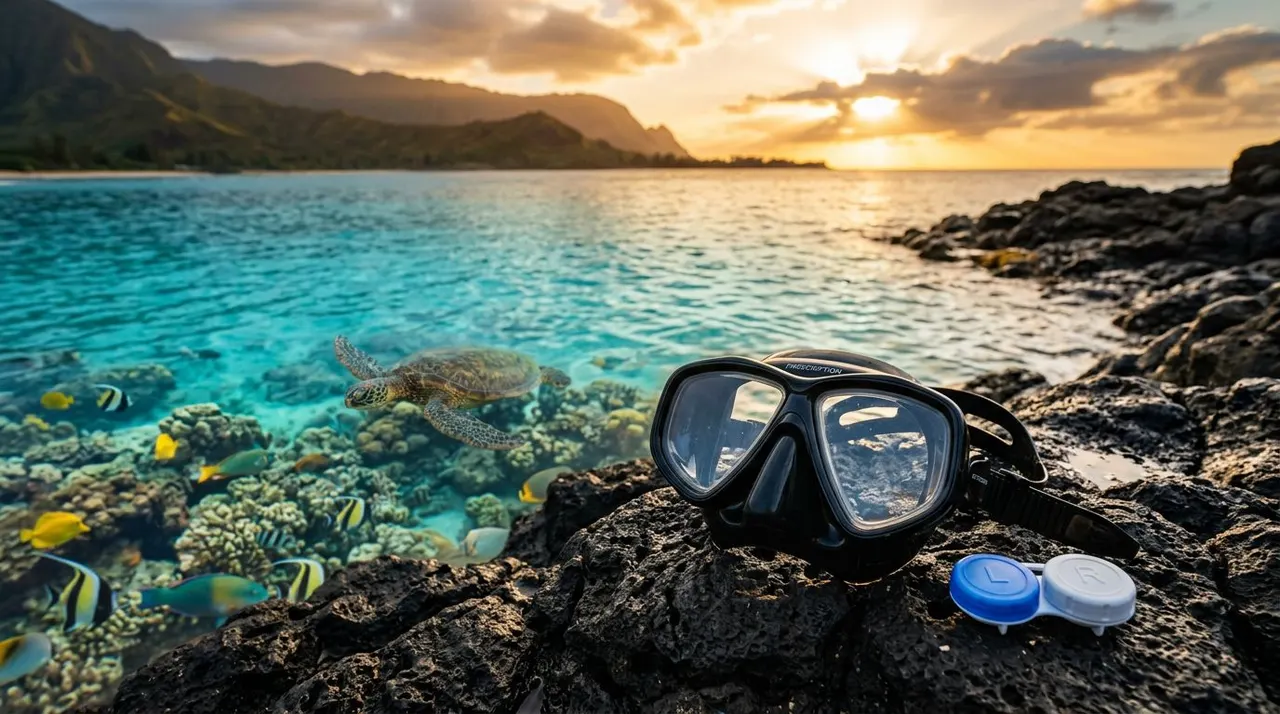
Your plans for snorkeling Oahu shouldn’t be derailed by contact lenses. They may give you sharp vision on land, but ocean water can turn them into a comfort and eye-health problem once you enter the Pacific.
The safest plan is simple: leave contacts out of the water and use prescription goggles or a prescription snorkel mask instead. Once your vision setup is settled, you can focus on coral, reef fish, and Hawaiian green sea turtles without squinting through saltwater. Start with the water rule, then prepare your gear.
Can You Go Snorkeling Oahu With Contact Lenses?
Why ocean water and contacts don’t mix
The short answer is no. The CDC and FDA advise removing contact lenses before swimming, showering, or entering any water, including the ocean.
Saltwater isn’t sterile. A soft contact lens can hold microorganisms against your cornea, increasing the risk of eye irritation and infection. One serious concern is Acanthamoeba keratitis, a rare corneal infection that can threaten your vision.
Water can also make lenses shift, dry out, fold, or wash away. Salt may leave your eyes burning, while sunlight and wind add more irritation. Even if a lens stays in place, you might finish your swim with redness, discomfort, or blurry vision.
A 2017 study found that 62% of 1,016 soft contact lens wearers reported swimming while wearing their lenses. The habit is common, but it isn’t safe. The water-exposure study shows why you shouldn’t treat a sealed snorkel mask as permission to wear contacts in the sea.
Clear water can still contain microorganisms, so underwater visibility doesn’t make contact lenses safe.
Daily disposable lenses aren’t a water-safe exception. If ocean water reaches them, remove and discard them. Never rinse a lens with seawater, bottled water, or tap water.
Safer vision choices for the water
Prescription goggles are often the simplest option if you need clear vision underwater. Prescription snorkel masks with corrective lenses can also work, depending on your prescription and the model available.
Ask your optometrist or ophthalmologist which option fits your eyes. This is especially important if you have a strong prescription, astigmatism, dry-eye symptoms, or a history of eye problems.
Keep your everyday glasses for the boat and shoreline. Store them in a hard case rather than leaving them on a seat where spray or sun can damage them. A vacation vision guide also recommends prescription eyewear for people who need reliable vision during water activities.
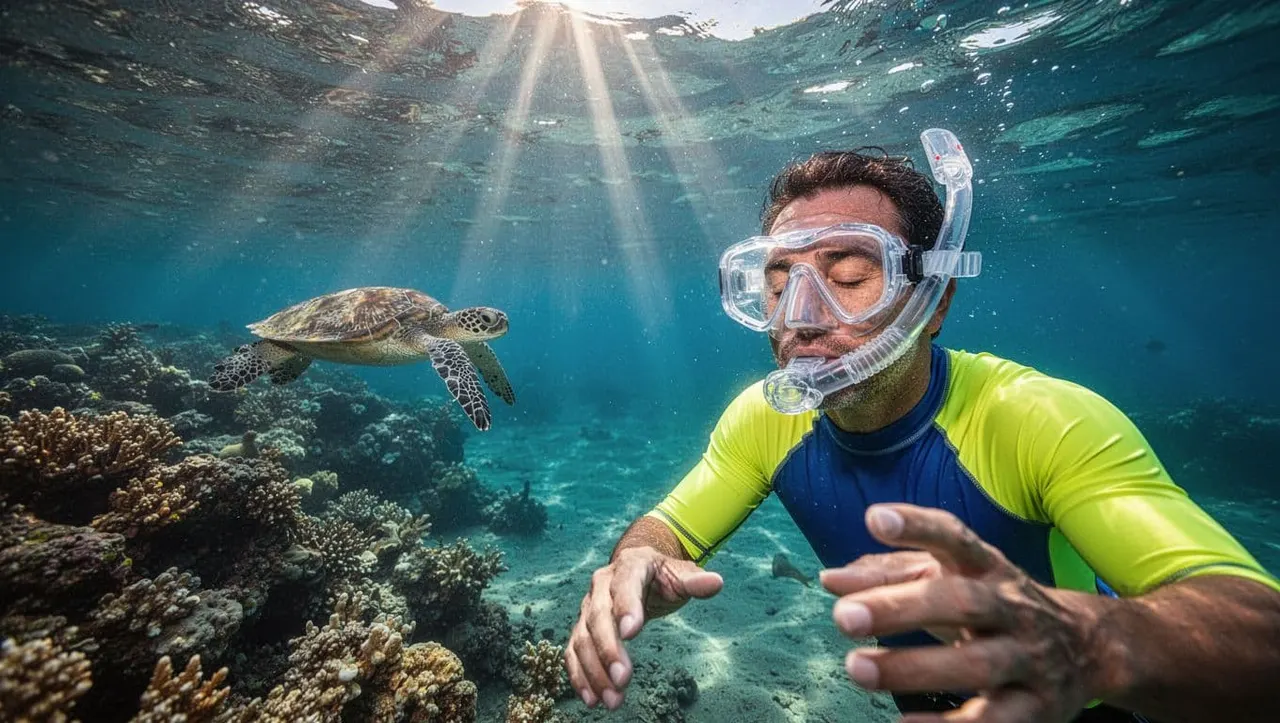
Prepare for a Comfortable Oahu Snorkeling Day
Take your contacts out before you leave shore
Remove your lenses with clean, dry hands before boarding your boat or entering the ocean. If you wear reusable lenses, place them in fresh contact solution inside a clean case. Never fill the case with water or rinse it at the beach.
You can wear prescription glasses while traveling to the harbor, then switch to prescription goggles or a prescription snorkel mask for the water. If you plan to use contacts again after your tour, wait until your hands, face, and lenses are completely clean and dry.
Tell your snorkel guide that you need vision correction. That information helps the crew understand your comfort level during the mask check, boat entry, and swim. You should feel comfortable asking for assistance before you enter the water.
Pack a small vision backup kit
A few simple items can prevent a vision problem from interrupting your day:
- A hard case protects your glasses from scratches, spray, and accidental drops.
- A sealed pair of replacement lenses can help after the tour, but never reuse a lens that touched ocean water.
- Travel-size contact solution keeps reusable lenses safe without relying on questionable water sources.
- A microfiber cloth clears spray from glasses on the boat.
- A dry bag keeps your glasses, case, and solution away from saltwater.
Pack these items in your carry-on or beach bag instead of checking them with larger luggage. You may need them before the boat departs or immediately after you return.
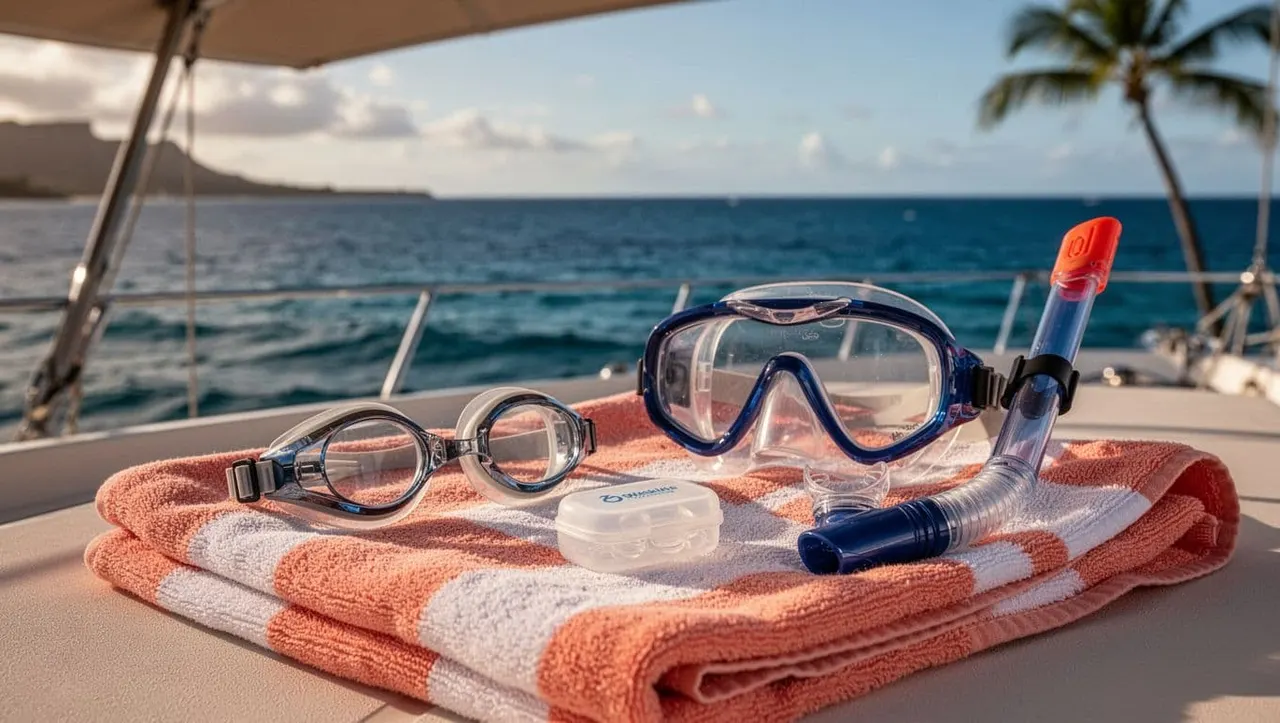
Make Clear Water Easier on Your Eyes
Get the mask fit right
A properly fitted mask keeps water away from your eyes and reduces the temptation to adjust it underwater. Before entering, place the mask against your dry face and inhale gently through your nose. The mask should hold briefly without the strap pulled tight.
Keep hair away from the silicone skirt. Check the seal again after you position the strap. An overtightened mask can press unevenly against your face and create leaks rather than prevent them.
If you’re using a prescription snorkel mask, check the fit before the boat leaves the harbor. During snorkeling Oahu’s reefs, your mask should feel secure enough that you can look down, turn your head, and breathe through the snorkel without constant adjustments.
Living Ocean Tours provides professional in-water snorkel guides who can help you check your equipment and get comfortable. The company identifies itself as the only tour company with professional snorkel guides, which gives first-time snorkelers an extra source of support.
Manage glare, sun, and dryness
Wear sunglasses and a hat while you’re on deck. Bright glare can make your eyes feel tired before you even enter the water, especially after a flight or a long day outdoors.
If your eyes feel dry, take a break in the shade. Use eye drops only if they are appropriate for you and approved by your eye-care professional. Don’t rub your eyes with salty hands or a damp towel.
Small comfort choices matter because clear water doesn’t prevent irritation. You want your eyes to feel calm before you begin looking for turtles below the surface.
What to Do If Water Gets Under Your Mask
Even with a good seal, a wave can push water beneath your mask. If you wear contacts, respond quickly:
- Stop swimming and signal the crew. Keep your face above water and avoid rubbing your eyes.
- Remove the lens with clean, dry hands. Ask a guide for help if you can’t remove it comfortably.
- Discard a daily disposable lens. If you use a reusable lens, disinfect it overnight with approved solution before wearing it again.
- Watch for symptoms after the tour. Pain, redness, light sensitivity, discharge, or persistent blurry vision require prompt advice from an eye-care professional.
Never rinse the lens with ocean water, bottled water, or tap water. Do not place it back in your eye immediately after exposure. Cleaning and disinfecting a reusable lens overnight is safer than saving it in water, but discarding the lens is the simplest option when you can do so.
You should also follow general water-safety practices, including crew instructions and local conditions. The CDC’s ocean safety guidance covers practical ways to reduce risks during visits to oceans, lakes, and rivers.
Choose a Guided Oahu Snorkel Tour for Better Comfort
When you want extra help in the water, Living Ocean Tours is a practical choice for snorkeling Oahu. The company operates from Kewalo Basin Boat Harbor, just minutes from Waikiki Beach in Honolulu. That convenient location gives you more time for the ocean and less time crossing the island.
The signature Turtle Canyons Snorkel Excursion visits a natural Hawaiian green sea turtle cleaning station. Living Ocean Tours reports a 95% success rate for spotting turtles. The Turtle Canyon snorkel excursion includes snorkeling equipment, professional in-water guides, water, cold drinks, and light snacks. The experience lasts about two hours, with approximately one hour in the water.
Sea turtles are found around Oahu year-round. May through September typically brings calmer conditions and better underwater visibility. Whenever you snorkel, observe wildlife without touching or chasing it. Giving turtles space protects the animals and keeps your encounter respectful.
Boat comfort also matters if your eyes or stomach are sensitive. Living Ocean Tours operates Coast Guard-inspected, custom-built double-decker vessels. The Lokahi includes a SeaKeeper stabilization system designed to reduce rolling, along with shaded seating, restrooms, dry storage, and heavy-duty ladders for easier water entry.
Before snorkeling Oahu, tell the crew about your vision plan and listen to their instructions. You can then enter the water with prescription eyewear, a properly fitted mask, and a clear backup plan.
For a Turtle Canyons outing, you can CHECK AVAILABILITY before finalizing your vacation schedule.
Conclusion
Clear-water snorkeling starts with clear preparation. For snorkeling Oahu, keep contacts away from the ocean, choose prescription goggles or a prescription mask, and carry glasses with a clean backup kit.
A secure mask and professional guidance can make the experience easier for beginners, families, and experienced swimmers alike. When you protect your eyes and give marine life space, you can spend more time watching turtles and less time managing saltwater discomfort.


