
Snorkeling Oahu: How Coral Builds Limestone Reefs
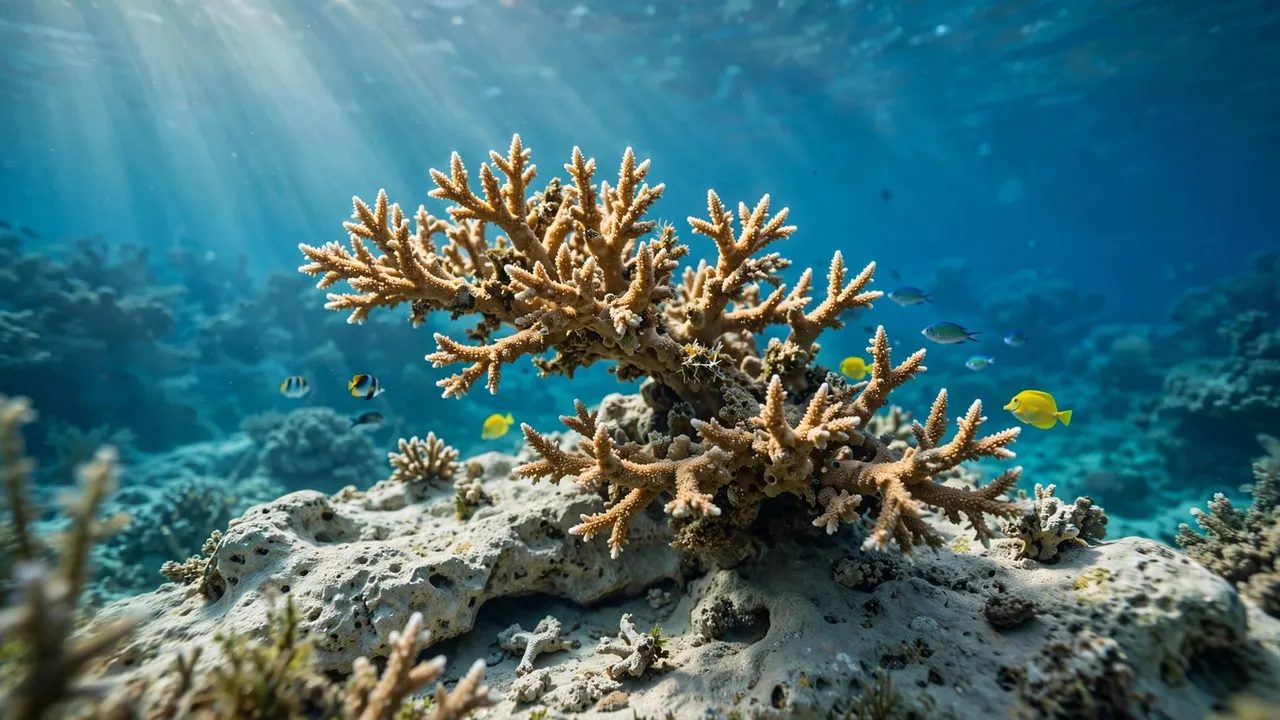
When you’re snorkeling Oahu’s waters, the reef beneath you is built in part by tiny animals that produce hard calcium carbonate skeletons. Over time, those skeletons can accumulate and become part of a limestone foundation.
At Living Ocean Tours, we help you experience these living communities with guidance and respect for marine life. Understanding how the reef grows gives you a new way to appreciate what you see through your mask.
Explore the reef with our snorkel guides
If you’re snorkeling Oahu for the first time, a little guidance can make your experience more comfortable. Our professional snorkel guides help you get familiar with your equipment and observe marine life without disturbing it.
We’re the only tour company on Oahu with professional snorkel guides. Our guided snorkeling trips welcome beginners and experienced ocean lovers alike, with an emphasis on responsible wildlife viewing.
You can also CHECK AVAILABILITY for a guided snorkeling experience.
How coral polyps build reef framework
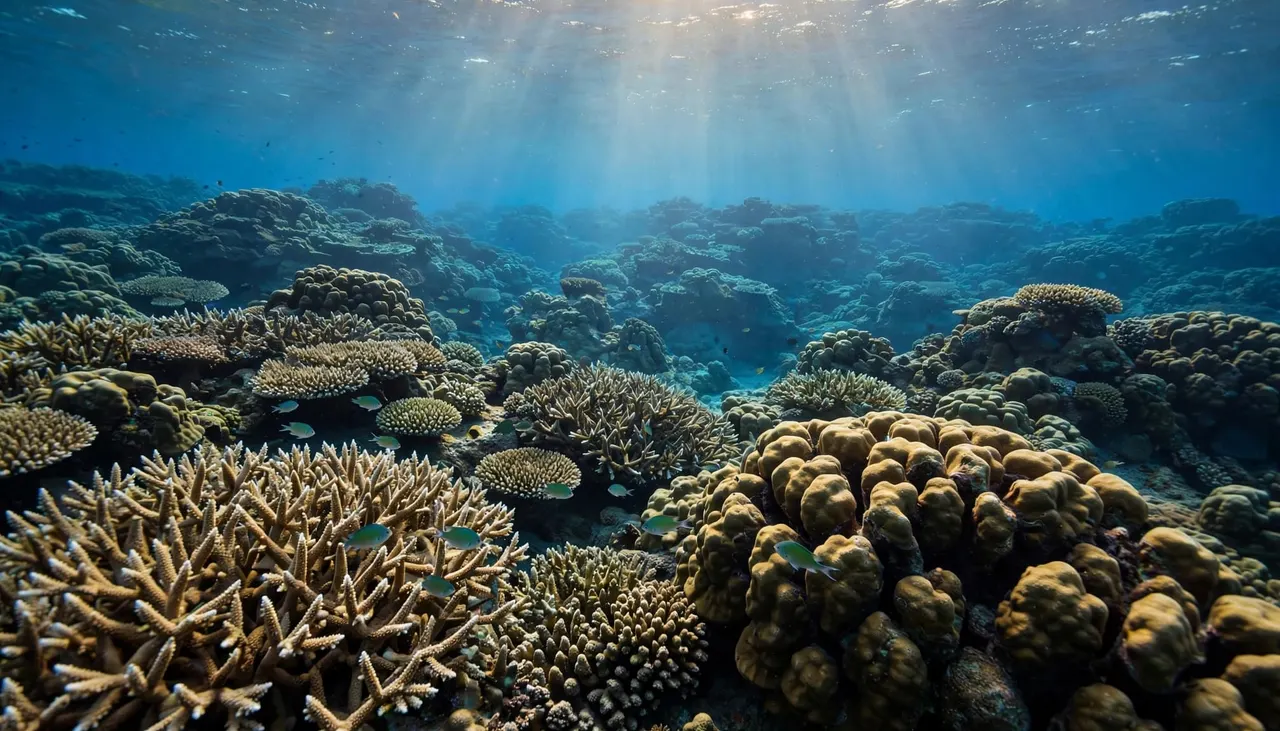
The rounded and branching forms you see on a reef often look like underwater rocks. Their surfaces, however, can be covered by living coral tissue made up of tiny animals called polyps.
Tiny animals produce hard skeletons
Each stony coral polyp makes a skeleton of calcium carbonate, the mineral material that gives reef-building coral its structure. Many polyps live together as a colony, adding to a shared framework as they grow.
According to NOAA’s coral growth guide, these skeletons can form substantial reef structures over many years. A single polyp contributes only a small amount, but a colony’s growth adds up.
Colonies grow in different shapes
Coral colonies can spread across a surface, form rounded heads, or grow into more complex shapes. Their appearance depends on the type of coral and the conditions around it.
When snorkeling Oahu’s reefs, look for the outline of a colony against nearby sand. Its shape can help you distinguish a living coral head from the broader seafloor, although an underwater view alone won’t always tell you what is alive.
Why sunlight matters to reef-building coral
Many shallow-water corals have a close partnership with microscopic algae called zooxanthellae. These algae live within coral tissue and use sunlight to make food through photosynthesis. They pass some of the products of that process to their coral hosts.
Corals also capture food, including tiny organisms in the water, with their tentacles. The partnership with algae supplies an important source of energy for many reef-building species.
That relationship helps explain why water clarity and sunlight matter. When sediment clouds the water or settles on coral, it can make life harder for the animals and their algae. Changes in temperature can also disrupt the partnership.
You can’t see the algae working while you float above a reef. You can, however, appreciate that the surface below you is a living community with needs that reach beyond its hard skeleton.
How coral skeletons become limestone
A reef’s foundation develops as calcium carbonate material builds up over long periods. Living coral is only one part of that larger structure.
Older skeletons remain beneath new growth
When individual coral polyps die, their hard skeletons can remain. Other corals and reef organisms may grow on or around those surfaces, adding more calcium carbonate to the framework.
The process doesn’t produce a neat stack of identical layers. Waves can break material apart, while organisms bore into or graze on the reef. The surface you see may include living colonies alongside older skeletons and loose fragments.
Reef material can become rock
Fragments of coral skeletons and other calcium carbonate material can collect in spaces within a reef. Over time, mineral cement can bind some of that material together, creating limestone.
Encrusting organisms, including certain algae that deposit calcium carbonate, can also help bind parts of the reef framework. The result is a structure made through both biological growth and the accumulation of older material.
The living coral you see is part of a reef that also contains material left by earlier generations of organisms.
A snorkel gives you a view of the reef’s surface, not a reliable way to date the foundation below it. The shape of a ledge or a coral head alone can’t tell you when it formed.
What keeps a reef growing?
For a reef to build upward or outward over time, the addition of calcium carbonate must outweigh its loss. Coral growth adds material, while waves, grazing animals, boring organisms, and chemical processes can wear it down.
That balance varies across a reef. A sheltered area may collect loose material, while a more exposed section experiences stronger wave action. Water movement can bring food to corals, but forceful waves can also break colonies.
Space matters too. Young corals need suitable surfaces on which to settle and grow. If a surface becomes covered by sediment or other organisms, a new coral may have less room to establish itself.
You may notice the results as you float: one area has raised coral heads, while another has open sand or scattered rubble. Each patch offers a different view of the reef community.
Hawaii’s reefs come in different forms
Hawaii has both fringing reefs, which develop near shore, and barrier reefs, which are separated from land by a wider area of water. The U.S. Coral Reef Task Force reports approximately 640 square miles of coral reef across the main Hawaiian Islands.
That figure covers the main island group, not Oahu alone. It also includes different reef environments, so you shouldn’t expect every snorkeling location to look alike.
Some areas have broad stretches of reef close to shore. Others include separated coral formations, channels, and sandy patches. Water depth and exposure change what can grow in each place.
For you, those differences make snorkeling Oahu an opportunity to observe more than fish. The contours below your fins can also reveal where animals find shelter and where waves move across the reef.
What to notice while snorkeling Oahu
You don’t need to identify every coral species to enjoy a closer look. Start by floating calmly and allowing your eyes to adjust to the shapes below.
Look for changes in texture
Living coral can appear smooth, bumpy, or patterned, depending on the colony. Nearby, you may see algae-covered surfaces, pale sand, or pieces of older reef material. Colors and textures vary, so avoid judging a reef’s health from one small patch.
Instead, notice how separate features fit together. A coral head may rise above the bottom, with narrow spaces around its base where small fish can shelter.
Watch how fish use the structure
Reef fish use coral habitat in different ways. You may see butterflyfish moving close to coral or parrotfish feeding on reef surfaces. Small fish can disappear into gaps and reappear once a swimmer has passed.
Give the scene time. If you stay relaxed and avoid chasing animals, you have a better chance of watching their natural behavior. Keep enough space between your fins and the bottom as you look.
How the reef supports ocean life
A limestone framework creates more than a solid base for coral. Its holes, ledges, and uneven surfaces provide places for marine life to shelter and feed.
Small fish can use gaps in the reef for protection. Other animals find food on exposed surfaces or in the water moving around the structure. Living coral adds another layer of habitat as colonies grow over older material.
You may also encounter Hawaiian green sea turtles, known as honu, while snorkeling Oahu. Watch them from a respectful distance and let them choose their own path. A turtle needs room to swim and reach the surface to breathe.
The connection between reef structure and marine life makes a slow look worthwhile. You might notice one fish near a coral head first, then spot others moving through the spaces around it.
Snorkeling without damaging the reef
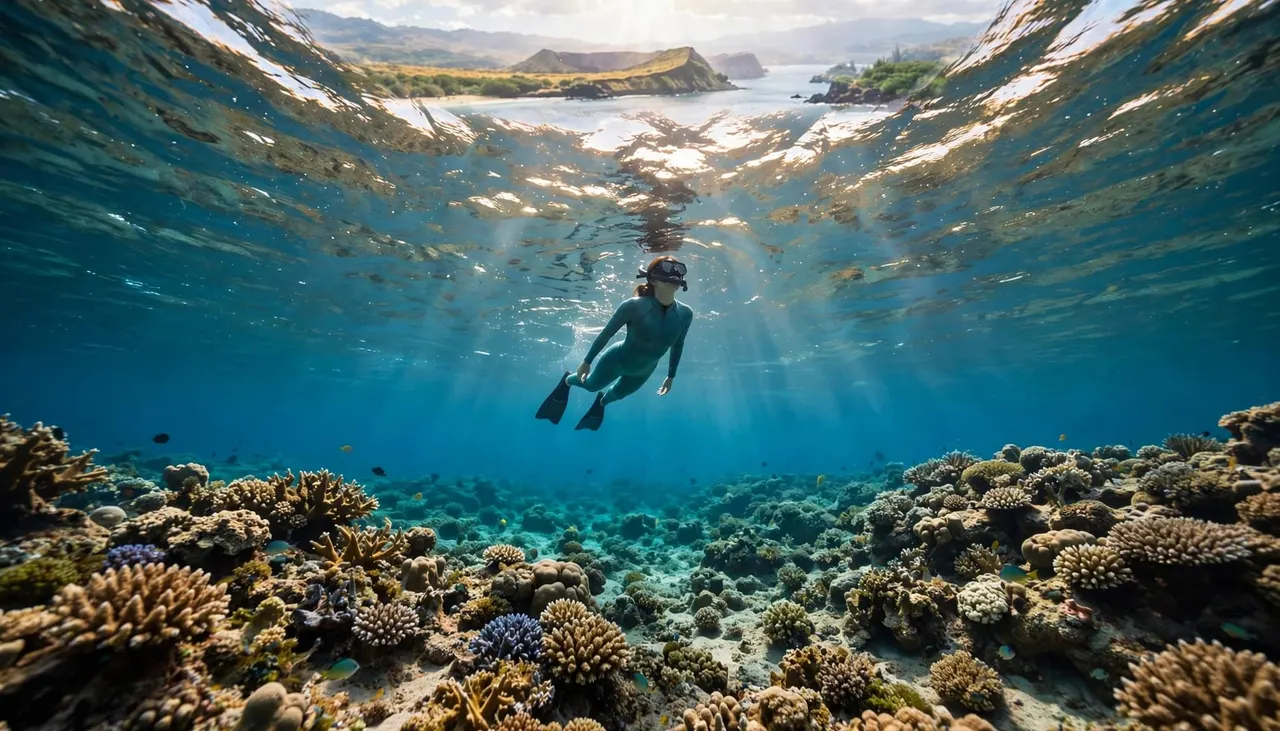
Coral’s hard skeleton can make it look tougher than it is. The living tissue on its surface is vulnerable to contact, including an accidental kick from a fin.
Give coral plenty of room
Float above the reef rather than standing on it. Keep your fins high enough to avoid contact, especially when the water is shallow or moving.
If you need a break, return to your boat or a suitable sandy area away from coral. A flotation aid can also help you stay comfortable at the surface. NOAA’s marine life viewing guidelines advise snorkelers not to touch, kick, or stand on coral.
Let wildlife go about its day
Observe fish and turtles without touching, feeding, or following them. Give each animal enough space to move freely, and never block its route to the surface or through the reef.
A calm approach protects the habitat and gives you more time to notice its details. If you’re snorkeling Oahu with our guides, you can ask for help with your equipment or positioning before entering the water.
What puts reef builders under pressure?
Corals face several pressures that can affect their ability to grow. Warmer water can cause bleaching, a stress response in which corals lose the algae living in their tissues. Bleached coral is alive, but it has lost an important food source and may die if stressful conditions persist.
Sediment and pollution can also affect coral, while physical damage can break the structures colonies have spent years building. Ocean acidification makes it harder for many organisms to build and maintain calcium carbonate skeletons.
Scientists monitor these changes over time. NOAA’s Hawaii reef assessments continued in 2024, building on surveys of the main Hawaiian Islands that began in 2005.
Your own snorkeling habits are one part of reef care. Staying clear of coral and giving wildlife space help reduce direct disturbance during your visit.
Take a closer look at the reef
When you’re snorkeling Oahu, the coral beneath you is both a living community and part of a structure built over time. Tiny polyps add calcium carbonate, while older skeletons and other reef material can become limestone.
Bring your curiosity and leave room for the animals around you. A relaxed float gives you time to appreciate the living surface and the foundation beneath it.


