
Snorkeling Oahu: How to Find Your Shore Exit
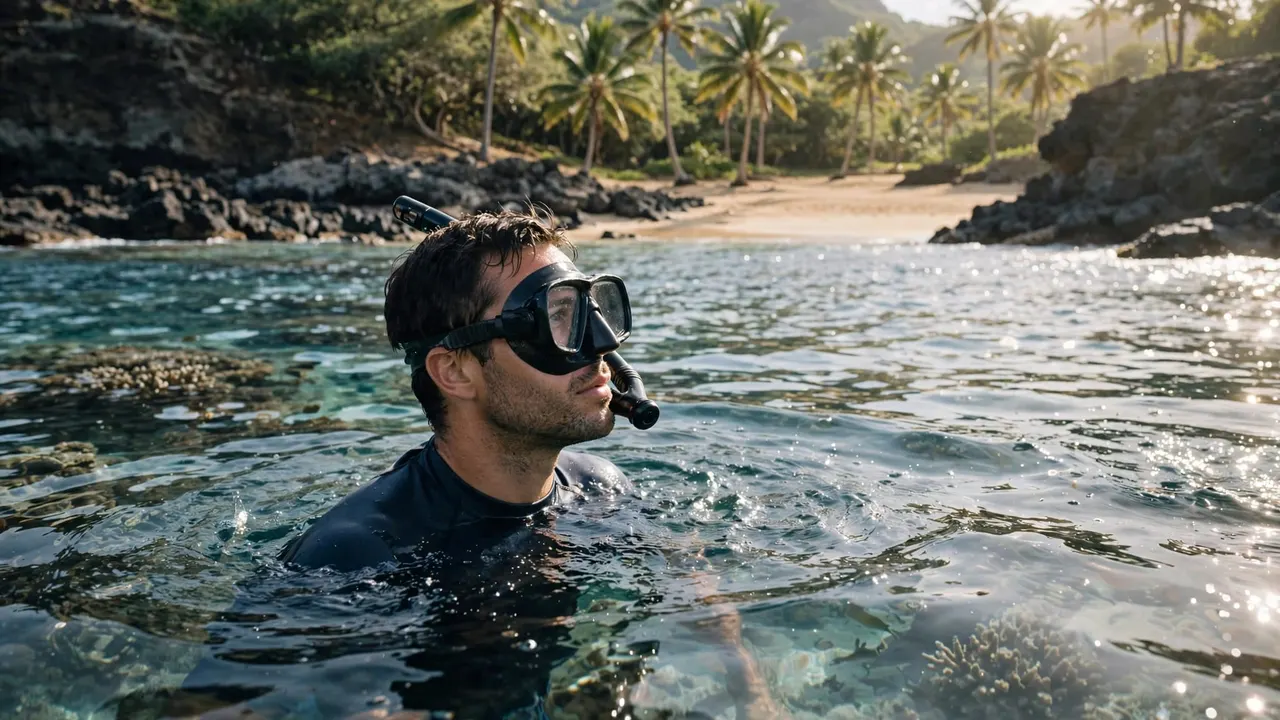
Snorkeling Oahu’s reefs is easier to enjoy when you choose a shore exit before entering and keep it in view during your swim. At Living Ocean Tours, we know that a clear return plan matters as much as what you see underwater.
A familiar-looking beach can be harder to recognize once you’re floating offshore. Pick your exit early, share the plan with your buddy, and leave yourself plenty of energy to get back.
Key Takeaways for Finding Your Exit
A little planning gives you more time to enjoy the reef and less reason to worry about your return.
- Choose a recognizable exit before you enter, and make sure everyone in your group knows where it is.
- Look back toward shore throughout your swim, using fixed landmarks to keep your position in mind.
- Turn around while you have energy to spare, and ask for help early if you need it.
- Keep your fins clear of coral and give marine animals room to move.
Choose Your Exit Before Snorkeling Oahu’s Reefs
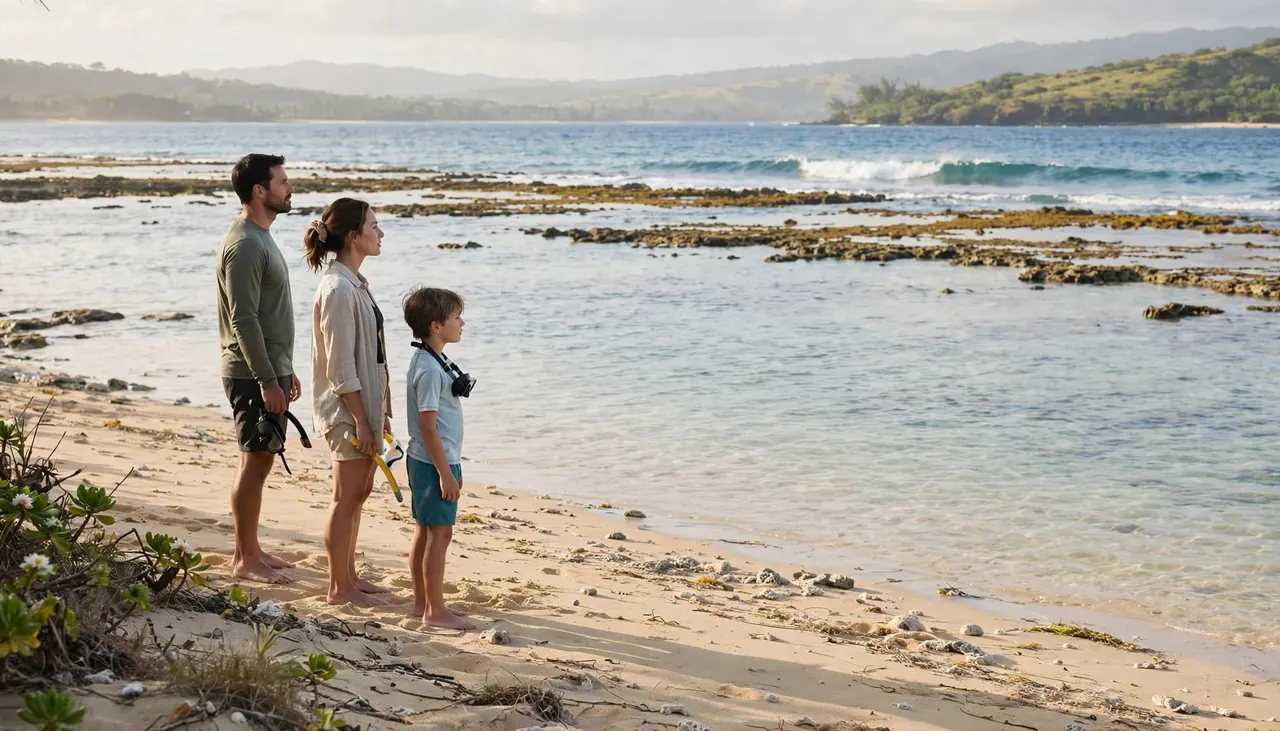
Your exit deserves a close look while you’re still on land. Choose a lifeguarded area suited to your group’s abilities, and speak with the lifeguard before entering when one is available.
Find a route you can use on the way back
Look for a legal shore access point with a clear approach and a place where you can leave the water without stepping on coral. Consider how the route will feel after your swim, when you may have less energy or need to help a child.
If you can’t identify a comfortable way out, stay on shore. You can enjoy another activity or assess a different location on its own merits.
Agree on the plan with your buddy
Point out the exit to your buddy and make sure you both recognize it. Decide how you’ll communicate when either person wants to return, and stay close enough to see and assist each other.
The Hawaii Division of State Parks’ snorkeling guidance recommends staying in close visual contact with a friend and learning about the area before you swim. For families, assign an adult to stay with each child rather than assuming someone else is watching.
Keep a Shore Landmark in View
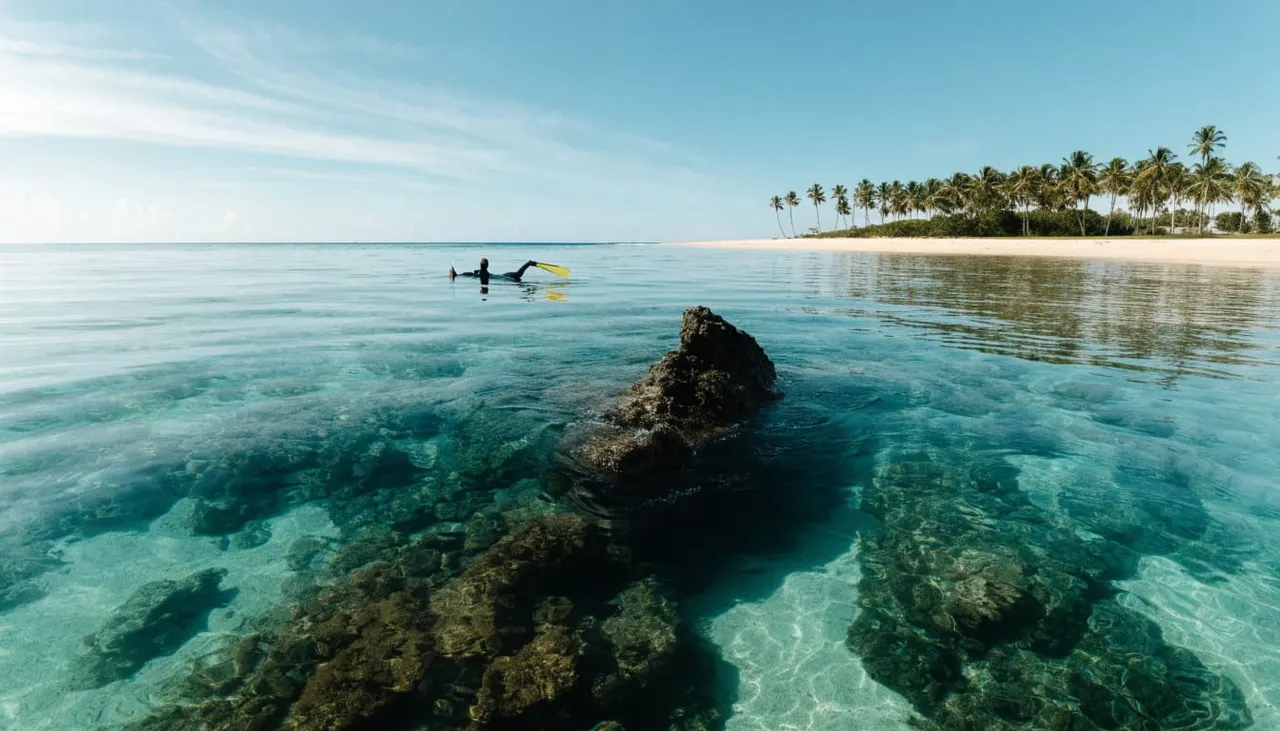
While snorkeling Oahu’s coastline, your view of shore looks different from the view you had on the beach. Take a moment to establish your bearings before following the reef.
Use fixed features to recognize your exit
Look for a recognizable feature on land near your chosen exit. Then identify a second fixed feature that helps distinguish it from the surrounding shoreline. Remember how the two look together from the water.
Avoid relying on a towel, umbrella, or other item that someone might move. Your buddy should know the same reference points, so you can compare what you see if either of you feels unsure.
Look back throughout your swim
After entering, turn around and locate your exit while you’re still close to shore. Repeat that habit as you explore. A brief look above water helps you notice where you are before you become absorbed in the fish below.
If the exit no longer looks familiar, pause with your buddy and reorient. Don’t continue farther until you both understand where you are and how you’ll return.
Build a Short, Reversible Route
A rewarding snorkel doesn’t require a long swim. When snorkeling Oahu’s reefs, choose an area that lets your whole group return comfortably without relying on a long search for a way out.
Keep your turnaround simple
Plan an out-and-back route rather than trying to cover as much reef as possible. Stay together, keep your shore references in mind, and turn back while you feel comfortable.
Your return should account for the least confident swimmer in your group. If a child wants to stop or your buddy feels tired, head back together. You can always enjoy the beach after leaving the water.
Leave room above the reef
Choose a route that gives your body and fins clearance over coral. If you can’t continue without touching the reef, turn back toward an open area where you can float and swim without contact.
At Pupukea’s Three Tables marine area, the state reports an average depth of about 15 feet near the tables. That detail is a reminder to plan a swim you can complete without assuming you’ll be able to stand.
Prepare Your Family and Your Gear
For families snorkeling Oahu’s waters, a shared plan works best when everyone understands it. Take a few minutes before entry to address equipment and swimming comfort.
Make sure everyone can use their equipment
Adjust your mask before entering and practice breathing through the snorkel in a comfortable, supervised setting. A mask that leaks or a snorkel that feels unfamiliar can distract you when you need to pay attention to your surroundings.
Flotation can help you rest, but it doesn’t replace swimming ability or close supervision. Choose an outing that fits the person who needs the most support, and keep children within reach of their assigned adult.
Agree that anyone can end the swim
Tell your buddy that either of you can call for a return at any time. You don’t need to explain why or wait until you feel exhausted. A short swim can still include plenty of time to enjoy the reef.
If you feel dizzy, short of breath, or unwell, stop snorkeling and signal for assistance. Give yourself permission to leave the water before discomfort becomes harder to manage.
Return Before You Need Your Last Bit of Energy
Knowing where to go is only part of the plan. You also need enough energy to reach the exit and leave the water with control.
Approach the exit together
As you return, keep your buddy close and identify the same shore references you chose at the start. Continue toward the planned exit rather than separating to look for different landing spots.
Once you reach a clear area where you can stand safely on sand, take your time. Remove your fins where you have stable footing, and help children or less confident swimmers as needed. Avoid standing on coral, even if it looks like rock.
Pause and signal if you’re unsure
If you lose your bearings, stop, float, and look for your buddy and shore landmarks. Signal a lifeguard or another person for help if you can’t identify a safe route or don’t feel able to return.
Don’t guess at an unfamiliar exit or keep swimming while you’re struggling. If someone on shore needs to call for emergency help, the number in Hawaii is 911.
Give Coral and Wildlife Space
Snorkeling Oahu’s reefs gives you a close view of a living habitat. You can protect it by observing without touching, standing on coral, or chasing animals.
Keep your fins high enough to avoid contact, and let fish and turtles move without following them. If an animal approaches, give it space and enjoy the encounter without reaching out.
Your exit plan supports that same care. A route with enough clearance means you won’t need to use the reef as a place to rest. If you need a break, float in an open area with your buddy or return to shore.
Try a Guided Boat Snorkel Near Waikiki
A boat trip gives you a different return point: the vessel and its boarding ladder. At Living Ocean Tours, we depart from Kewalo Basin Boat Harbor, near Waikiki, and welcome beginners as well as experienced snorkelers.
We’re the only tour company on Oahu with professional snorkel guides. Before entering, listen to your crew’s briefing, identify the ladder, and learn the boundaries of the swimming area. Tell your guide if you’d like flotation support or need extra time with your gear.
You can browse our ocean outings and choose the experience that fits your group.
Turtle Canyon Snorkel Tour
Our Turtle Canyon Snorkel Tour takes you to an offshore area known for Hawaiian green sea turtles. The trip lasts two hours, with approximately one hour of snorkeling, and starts at $79.
Wildlife sightings aren’t guaranteed. When you see a turtle, give it space and enjoy watching without touching. CHECK AVAILABILITY for the Turtle Canyon trip.
Deluxe Waikiki Snorkeling and Wildlife Cruise
If your group wants more time on the water, our Deluxe Waikiki Snorkeling and Wildlife Cruise combines snorkeling with a boat-mounted slide and other water activities. The 2.5-hour outing starts at $79.
Your guide will explain the return procedure before you enter. CHECK AVAILABILITY for the deluxe cruise.
Shore Exit Questions
Should you use the same place to enter and exit?
A single, recognizable access point can make an out-and-back plan easier to follow. Choose it before entering and make sure you can use it comfortably on your return. If you can’t identify a suitable exit, stay out of the water.
What if you lose sight of your exit?
Pause, float with your buddy, and look for the landmarks you chose before entering. If you can’t reorient or don’t feel able to return, signal for help rather than continuing to swim without a plan.
Do you need an exit plan on a boat tour?
Yes. Identify the vessel’s return ladder, listen to the crew’s instructions, and stay within the designated swimming area. If you feel tired or uneasy, tell your guide and return aboard with assistance when needed.
Make the Return Part of Your Snorkel Plan
A clear exit plan lets you enjoy the reef with a better sense of where you are. Choose your landing point before entering, keep it recognizable, and return while you still have energy to spare.
Whether you enter from shore or a boat, stay with your buddy and give yourself time to enjoy the ocean without pushing your limits.


