
Snorkeling Oahu: A Beginner-to-Advanced Skill Ladder
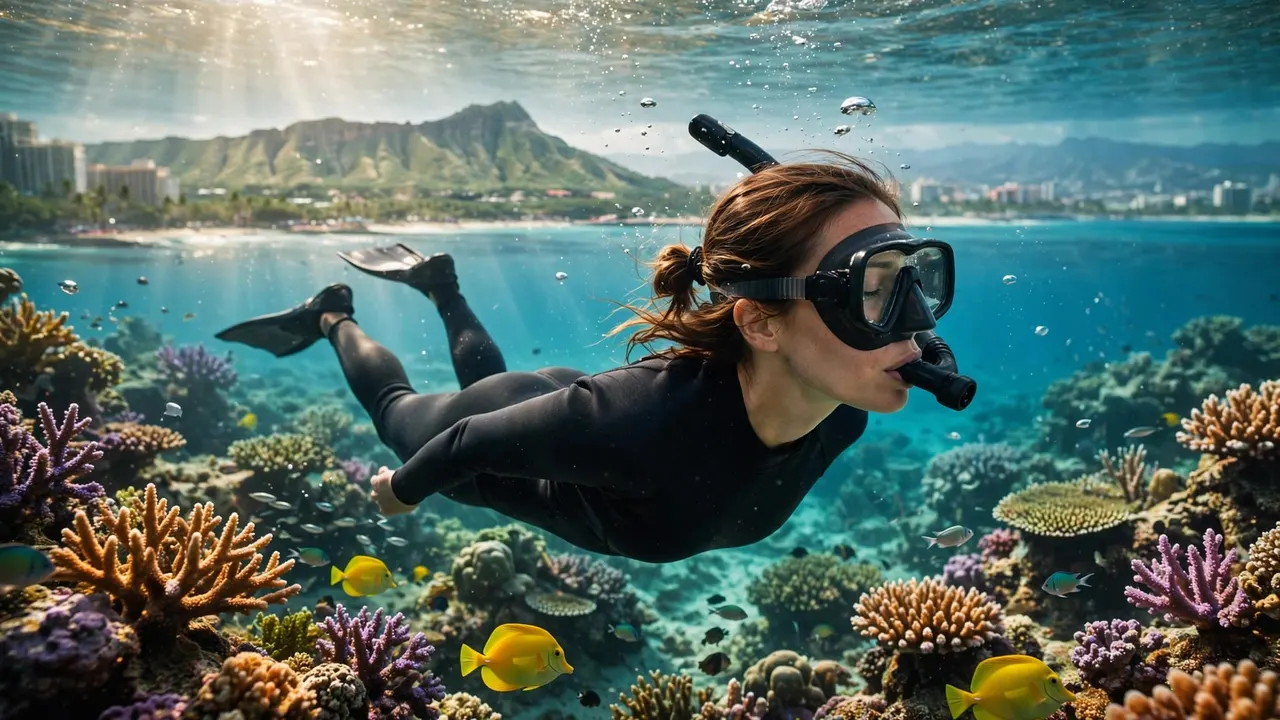
Snorkeling Oahu’s reefs becomes more enjoyable when you build skills in the right order. Start with comfortable breathing and floating, then add fin control, awareness, and sound judgment about ocean conditions.
At Living Ocean Tours, our professional snorkel guides help you practice those skills on the Waikiki coast. Whether you’re planning a family outing or looking to become a more confident swimmer, control matters more than distance.
Use this skill ladder to find your starting point and decide what to practice next.
Choose Your Starting Point on the Skill Ladder
Your swimming background matters, but it doesn’t tell the whole story. A confident pool swimmer may need time to adjust to a mask, salt water, and moving waves.
You don’t need to reach an advanced level to enjoy snorkeling Oahu’s waters. Many rewarding experiences take place at the surface, with a guide and a comfortable flotation aid.
Level 1: Get Comfortable Breathing and Floating
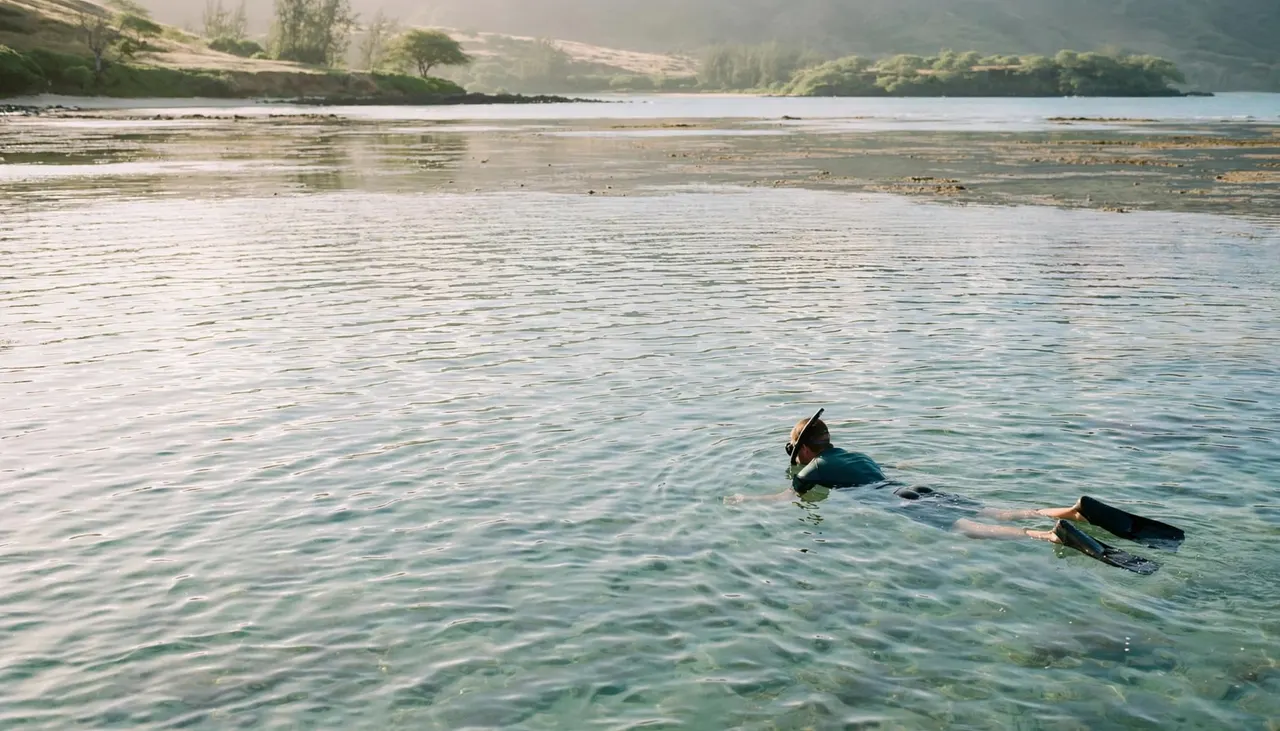
Your first goal is simple: feel comfortable with your face in the water. Practice in a pool or another calm, supervised setting before adding waves or a reef to the mix.
Find a Mask Fit That Feels Secure
Place the mask against your face and adjust the strap so it sits comfortably. Tightening it as much as possible can create discomfort without fixing a poor seal.
Make sure hair isn’t caught under the mask skirt. If water enters, lift your head, stand in a safe sandy area or hold a flotation aid, and adjust the fit. Ask your guide for help if it continues to leak.
Practice Slow Breathing at the Surface
With your face in the water, breathe slowly through the snorkel. Start with short periods and lift your head whenever you want a break. You can also practice floating with a suitable flotation aid while someone stays close.
If water enters the snorkel, lift your head and remove the mouthpiece before taking your next breath. You can practice clearing the tube with guidance once you’re comfortable.
You’re ready to progress when you can float, breathe steadily, and communicate without rushing. Take as much time as you need.
Level 2: Move Gently and Manage Your Gear
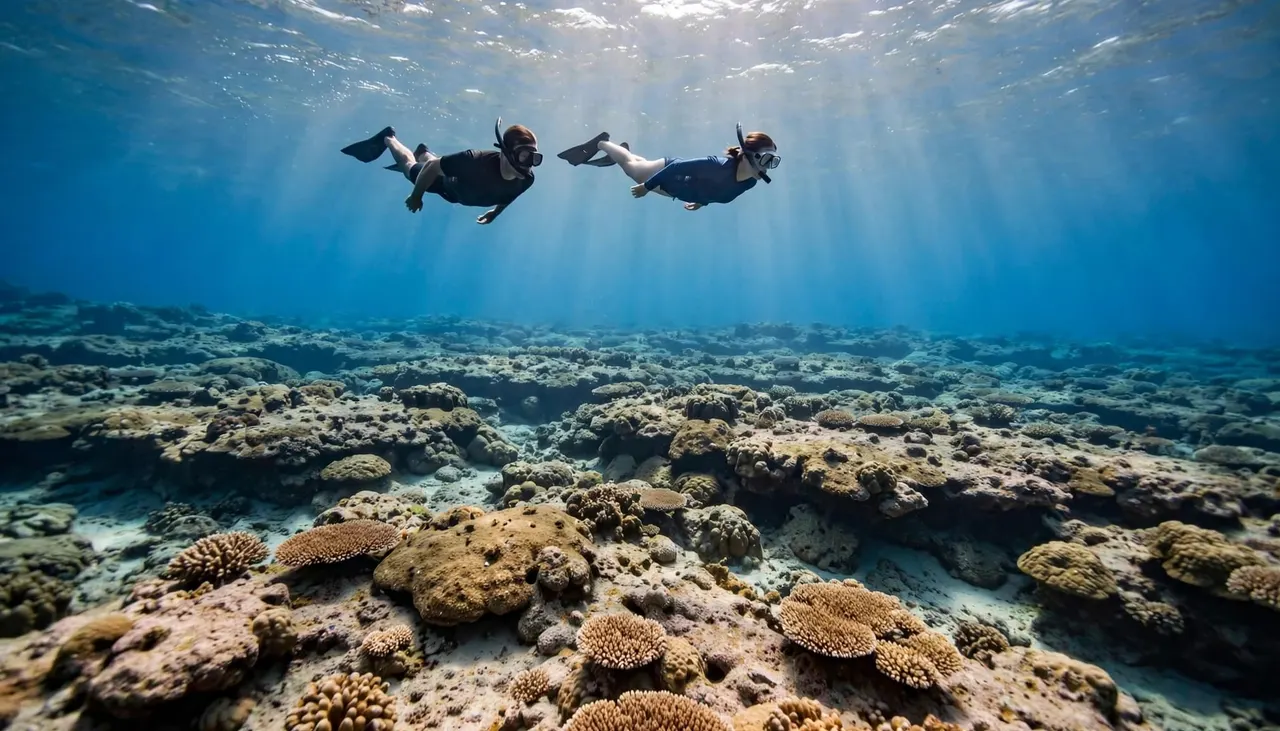
Once breathing feels natural, focus on moving without splashing or tiring yourself. Efficient movement gives you more time to watch the reef and makes it easier to stay with your buddy.
Build a Relaxed Fin Kick
Keep your body near the surface and use small, controlled kicks. Let the movement come mainly from your hips, with a slight bend in your knees. Large, frantic kicks waste energy and make it harder to avoid contact with the reef.
Fins should feel secure without pinching. If they rub or slip, adjust them before you travel farther. In shallow water, be especially aware of where the fin tips are pointing.
Learn to Pause Without Standing on Coral
Choose sandy areas for standing or resting, and keep your fins off the bottom. When you need a break over deeper water, use your flotation aid or return to a suitable exit with your buddy.
Practice looking up regularly to find your partner and your shore or boat. A beautiful fish can hold your attention long enough for your position to change. Once you can pause, look around, and resume calmly, you’re ready to add more reef awareness.
Level 3: Watch the Reef While Staying Aware
Snorkeling Oahu’s reefs rewards a slower pace. At this level, you’re combining movement, navigation, and observation instead of focusing on each skill separately.
Set a Simple Route With Your Buddy
Before entering, agree on where you’ll swim, how you’ll communicate, and where you’ll exit. Stay close enough to see and assist each other, and choose a route that both of you can complete comfortably.
Look up frequently to locate your exit and notice other swimmers or boats. If you find yourself drifting away from your planned area, turn back early rather than waiting until you’re tired.
On a guided trip, stay within the area your crew identifies. Tell a guide promptly if your mask leaks, you’re cold, or you need assistance.
Give Coral Plenty of Room
Coral is living habitat. Even an accidental fin kick can damage it, so maintain enough clearance for waves or a change in position.
Avoid reaching toward the bottom for balance, and keep cameras or loose equipment from dragging. If the water becomes too shallow to float without touching the reef, turn toward a deeper, clear route or return the way you came.
Your goal is to leave the reef as you found it. You can enjoy the view without following every fish or moving closer to the bottom.
Level 4: Make Advanced Decisions About Conditions
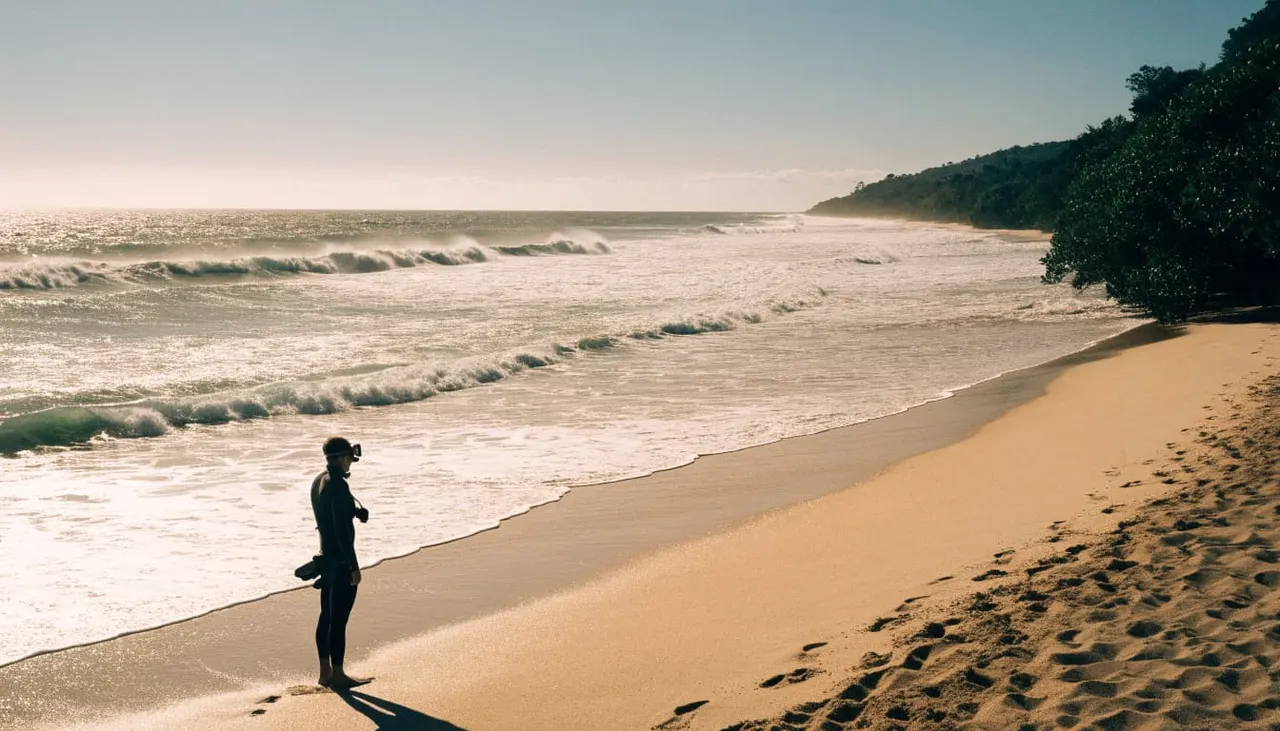
Advanced snorkeling Oahu’s coastline depends on judgment as much as swimming ability. Even familiar locations can feel different when swell, wind, or visibility changes.
Read the Water Before Entry
Spend time watching the water and your intended exit. Breaking waves, strong surge, murky water, and warning signs are reasons to reconsider your plan. North Shore conditions can become especially hazardous during winter swells.
Look for an exit that will remain usable if you’re tired. A rocky entry that seems manageable going in can be much harder on the way back.
A calm morning or a protected-looking bay doesn’t guarantee safe conditions. If you can’t identify a comfortable entry, route, and exit for everyone in your group, stay on shore.
Keep a Reserve of Energy
Plan a shorter swim than you think you can manage. Wind or current may make the return harder, so turn around while you still feel comfortable.
Never snorkel alone, including when you feel experienced. Your buddy needs to know the plan and be comfortable with the same conditions. If either of you wants to stop, return together.
Surface snorkeling doesn’t require breath-hold diving. If you choose to develop underwater diving skills, seek qualified instruction and never practice breath-holds alone or after hyperventilating.
Practice Wildlife Viewing at Every Level
The best wildlife encounter is one that lets the animal continue its normal behavior. Watch without touching, feeding, chasing, or blocking its path.
Hawaiian green sea turtles, known as honu, visit Turtle Canyons, where fish clean material from their shells. You can enjoy that interaction from the surface while leaving the animals room to move. Sightings are never guaranteed, so appreciate the reef around you as well.
Give Turtles Generous Space
NOAA’s Hawaii wildlife-viewing guidance recommends staying at least 10 feet from sea turtles on land and in the water. Its separate photography and video guidance recommends a minimum of 50 yards.
Those recommendations differ, so give turtles as much room as possible, especially when taking photos. If one approaches you, remain calm and move away without pursuing or touching it.
Protect the Reef Before You Enter
A rash guard covers skin without requiring sunscreen on those areas. For exposed skin, consider a mineral-based sunscreen without oxybenzone or octinoxate. A “reef-safe” label alone doesn’t guarantee that a product has no environmental impact.
Secure loose gear before entering, and leave shells, coral, and animals where you find them. Small choices help keep the reef a welcoming place for marine life and future visitors.
Help Kids and New Swimmers Progress at Their Own Pace
When you’re snorkeling Oahu with children, begin with their comfort rather than a destination. Practice mask use and floating in a supervised pool or calm setting first. Let each child decide when they’re ready to put their face in the water.
An adult should stay close enough to provide immediate help. A flotation aid can add comfort, but it doesn’t replace supervision or swimming ability. Agree on a simple signal for “I need help” before entering.
For couples or families with mixed abilities, choose the plan that suits the least experienced swimmer. That may mean a shorter outing, a flotation aid, or watching from the boat until someone feels ready.
It’s also fine to stop after a few minutes. A calm first experience can make the next one more enjoyable than pushing through discomfort.
Choose a Guided Waikiki Snorkeling Trip
Our guided snorkeling tours give you a chance to practice with professional guidance while exploring the Waikiki coast. We depart from Kewalo Basin Boat Harbor, near Waikiki, and provide gear for your time in the water.
Our Turtle Canyon Snorkel Excursion is a two-hour trip with approximately one hour of snorkeling. It’s a good choice if you want to practice surface skills while looking for turtles at their natural cleaning station. You can CHECK AVAILABILITY for your preferred date.
For a longer family outing, our Deluxe Waikiki Snorkeling and Wildlife Cruise lasts 2.5 hours and includes a boat-mounted waterslide. You can CHECK AVAILABILITY for that trip, too.
Tell our crew about your experience level before entering. We’ll help you find a comfortable way to participate and remind you how to observe marine life respectfully.
Build Confidence One Comfortable Swim at a Time
Your progress snorkeling Oahu’s coast starts with calm breathing and grows through practice. Gentle finning, buddy awareness, and respectful wildlife viewing make each outing more rewarding.
Choose conditions that suit your group, and give yourself permission to stop when something doesn’t feel right. The strongest skill you can bring to the water is good judgment.


