
Snorkeling Oahu: Rip Currents vs. Reef Channels
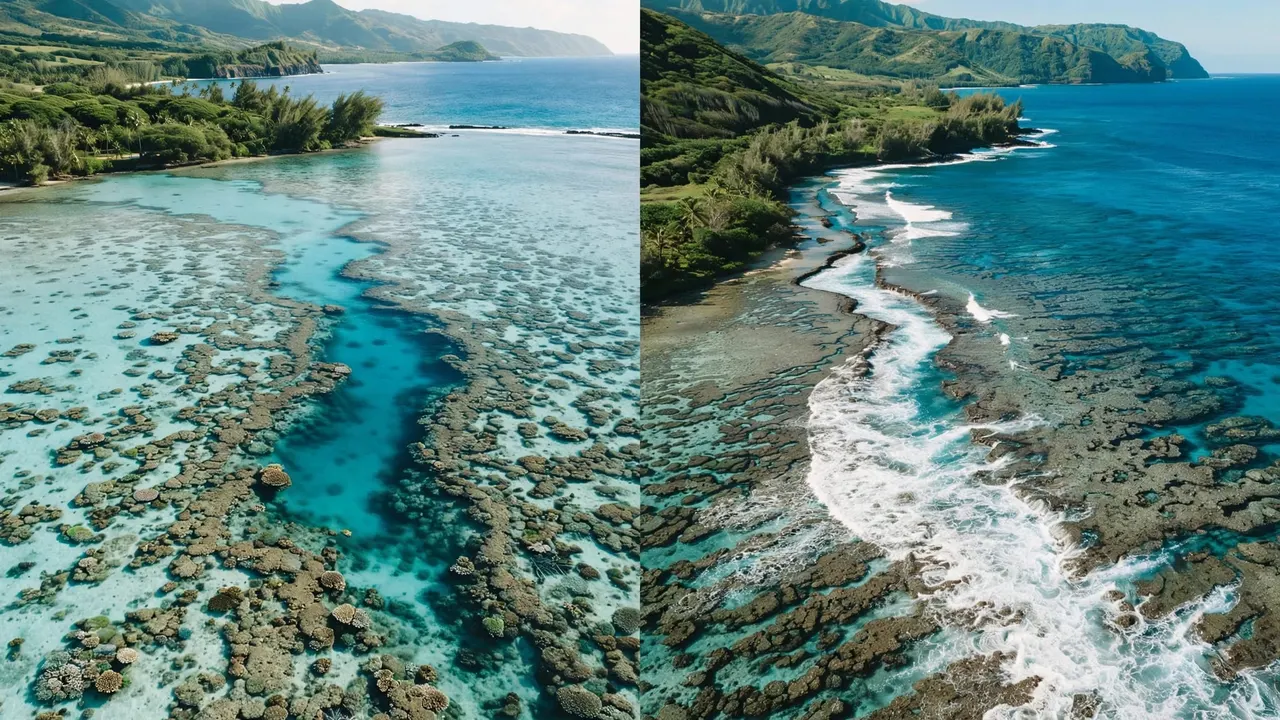
A reef channel is a gap in the reef, while a rip current is moving water that can carry you away from shore. The two can overlap, so you can’t reliably tell whether a channel is safe by looking at it.
When you’re snorkeling Oahu’s reefs, that distinction matters. At Living Ocean Tours, we want you to enjoy the underwater scenery with a clear plan for getting in and back out.
Start by learning what the water can tell you, and what it can’t.
Can You Tell a Rip Current From a Reef Channel?
A reef channel is a physical feature: a deeper or less obstructed passage through an area of reef. A rip current is a flow of water moving away from shore. One describes the shape of the seabed; the other describes what the water is doing.
A channel can exist without a noticeable rip current. It can also funnel moving water, including a rip current, through the reef. Hawaii’s Department of Land and Natural Resources notes that rip currents often occur in reef channels and near the centers of bays.
Why the Difference Matters
If you see an opening between shallow coral, you may be tempted to treat it as a natural swimming route. But an opening doesn’t tell you how quickly water is moving through it or whether you can swim back against that movement.
Likewise, learning that an area is called a reef channel doesn’t rule out a current. You need information about the conditions at your intended entry point and along your return route.
What a Rip Current Can Do
A rip current can carry you away from shore, sometimes faster than you can comfortably swim against it. The main danger is being swept farther out and becoming exhausted. Rip currents generally don’t pull swimmers underwater.
For snorkelers, the risk can be easy to miss while your face is down. You may be focused on fish or coral until you look up and realize the shore or your boat is farther away than you expected.
What the Water Can Tell You From Shore
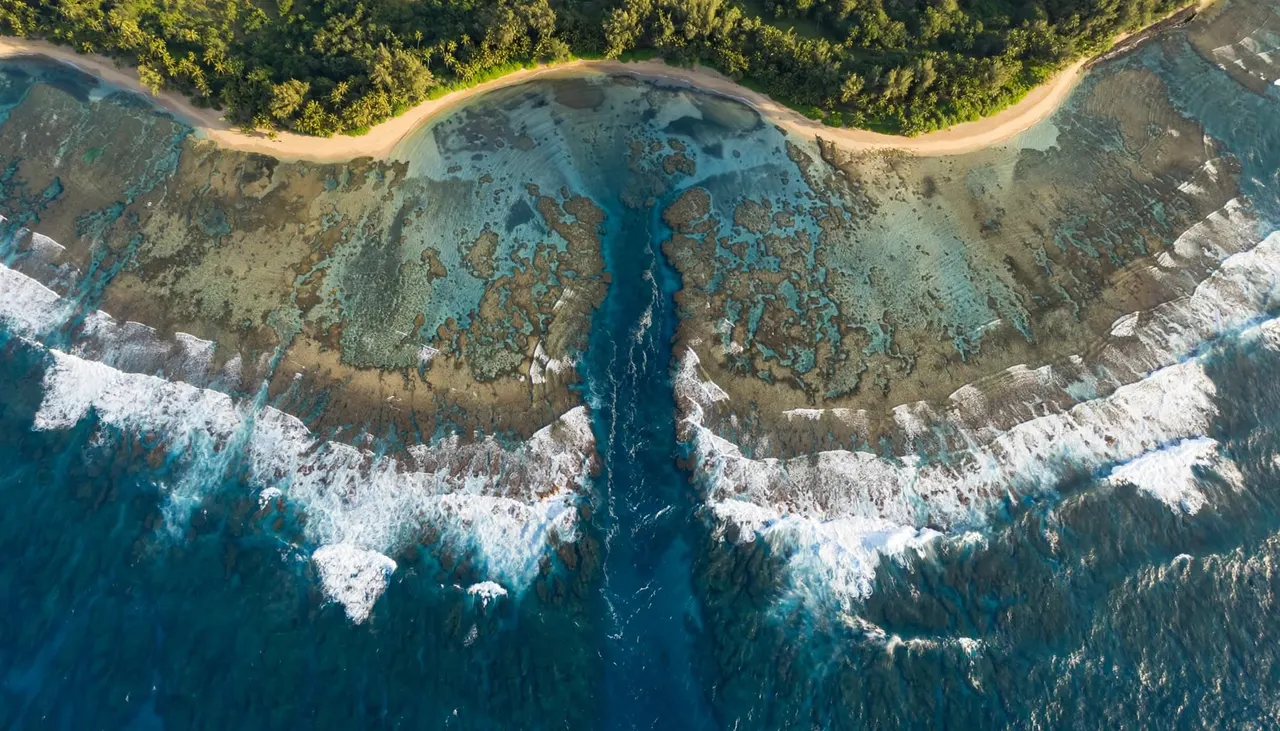
Spend several minutes observing before you enter. You may see an area of darker water, a break in the line of waves, or water that looks churned up. Those observations can help you decide where to ask questions, but appearance alone can’t establish that the water is safe.
Dark water can indicate greater depth. A gap in breaking waves can form over a channel because waves behave differently there than over shallow reef. Neither feature tells you whether a strong current is present.
Watch Several Sets of Waves
A quiet moment between sets can make an entry look easier than it is. Watch long enough to see waves arrive repeatedly, including how they break across your planned route back to shore.
If waves are breaking over the exit or pushing water across shallow reef, postpone your snorkel. Getting into the water is only half of the trip. You also need a manageable way back when you’re tired or conditions have changed.
Look for Movement Beyond the Surface
Foam, floating seaweed, or sediment moving steadily away from shore can alert you to moving water. However, strong currents aren’t always visible, and clear or smooth-looking water can still be dangerous.
Use your observations as a reason to pause, not as a test you have to pass. When a lifeguard is on duty, point out your intended swimming area and ask about the conditions there.
How to Choose a Safer Snorkeling Area
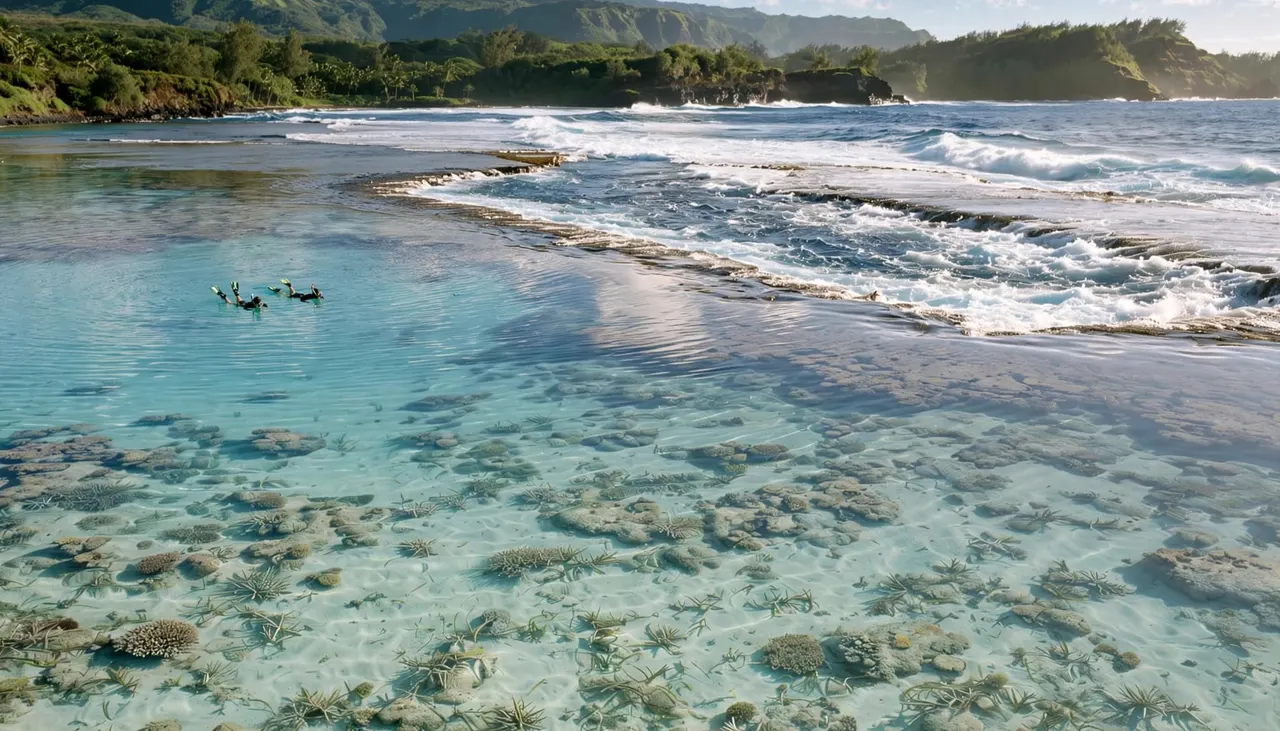
Before snorkeling Oahu’s shoreline, consider the whole route rather than choosing the most inviting patch of water. A protected-looking area may still have currents, shallow coral, or a difficult exit.
Hawaii Ocean Safety provides local ocean-hazard and snorkeling guidance. Use that information alongside posted signs and advice from a lifeguard at the beach.
Let Conditions Set the Plan
Avoid snorkeling in high surf, strong winds, heavy shorebreak, or strong currents. Cloudy water after rain can also make it difficult to see the reef, your buddy, and your surroundings.
A sunny forecast doesn’t describe everything happening in the water. Pay attention to the surf and wind at the side of Oahu you’re visiting, then observe your actual entry point. Conditions on the North Shore can be especially different during periods of large swell.
If you can’t assess the water or the swim exceeds your ability, choose another activity. A different beach isn’t automatically safer, so make the same assessment before entering there.
Choose Your Exit Before You Enter
Identify an exit you can recognize from the water. Look for a clear route that doesn’t require you to cross breaking waves or stand on coral.
If you’re joining a boat trip, listen for the crew’s instructions about the swimming area and return ladder. Currents can affect boat snorkeling too, so stay inside the area your crew identifies and tell them if you feel the boat drifting farther away.
Prepare Yourself and Your Buddy
Snorkeling Oahu’s coastal waters takes more than a comfortable mask. You also need enough swimming ability and energy to handle the conditions, stay aware of your position, and return without pushing your limits.
Never snorkel alone. Choose a buddy who can stay close enough to communicate, and agree on where you’ll swim before entering. Looking for your buddy regularly matters more than assuming they’re nearby while both of you watch the reef.
Get Comfortable With Your Equipment
Adjust your mask before you enter, and practice breathing through your snorkel in an appropriate supervised setting. If a mask leaks or your fins feel uncomfortable, fix the problem before you move away from your entry point.
Tell your guide or buddy if you’re nervous, cold, tired, or short of breath. Flotation can help you rest, but it doesn’t replace swimming ability, supervision, or suitable conditions.
Keep Track of Your Position
Lift your head regularly and locate your buddy, boat, or shore exit. If you’re moving away from your planned area, act early rather than waiting until the return swim feels difficult.
Stay clear of shallow coral, including when you’re adjusting gear. If you need help, signal your guide or buddy instead of standing on the reef. Give turtles and other marine life room to move, and observe without touching or chasing them.
What to Do If a Current Carries You Away
A current can be frightening, but fighting directly against a strong flow can quickly exhaust you. Your immediate priorities are to stay afloat, conserve energy, and signal for help.
Try to keep your breathing controlled and attract attention by waving and calling for assistance. Your response depends on the water and your ability to move, so avoid committing to a route through breaking waves or across shallow reef.
Move Out of the Current When You Can
Hawaii’s DLNR guidance for rip currents advises swimming parallel to shore until you’re out of the current. Once free of its pull, you can work toward shore when conditions allow.
If you can’t make progress, stop fighting the flow. Float, conserve your strength, and continue signaling. General Hawaii Ocean Safety guidance emphasizes going with the current and seeking help rather than exhausting yourself against it.
Help Someone Else Without Entering
If you see someone in distress, alert a lifeguard immediately. If no lifeguard is available, call 911, give the location, and describe what you can see.
Don’t enter dangerous water to attempt a rescue. If you can safely provide flotation from shore without putting yourself at risk, do so, then follow the dispatcher’s instructions and keep the person in sight.
Snorkeling Oahu With Professional Guides
When you’re unfamiliar with a reef, a guided trip gives you a crew to turn to before and during the swim. You can ask about the day’s conditions, the swimming boundary, and the route back to the boat.
Our Deluxe Waikiki Snorkeling and Wildlife Cruise departs near Waikiki. Our professional snorkel guides can help you get comfortable with your equipment and understand the plan before you enter.
You can also explore the Waikiki snorkeling tour details before choosing your trip. The cruise includes a boat-mounted waterslide, a water trampoline, and a floating lily pad.
A guide’s support doesn’t remove ocean hazards. You should still stay with your buddy, follow the crew’s directions, and speak up if you’d rather remain aboard. Our approach to wildlife is simple: enjoy the view without touching or disturbing marine animals.
For the deluxe cruise, CHECK AVAILABILITY.
You can also browse availability for Living Ocean Tours trips.
Key Takeaways for Your Reef Visit
Keep these points in mind when you’re snorkeling Oahu’s reefs:
- A reef channel describes the underwater terrain. A rip current describes moving water, and it can occur in that channel.
- Calm-looking or darker water doesn’t tell you whether a current is present. Watch the water, heed warnings, and ask an on-duty lifeguard about your intended route.
- Stay with a buddy and identify your exit before entering. If a current carries you away, conserve energy and signal for help.
Frequently Asked Questions
Is a Gap in Breaking Waves Safe for Snorkeling?
You can’t determine that from the gap alone. Waves may break differently over deeper water, and a current may also move through the area. Ask an on-duty lifeguard about the specific location and avoid entering if conditions exceed your ability.
Can You Snorkel in a Reef Channel?
A channel isn’t automatically safe or unsafe under every condition. Its depth and shape don’t tell you how strong the current is. Before entering, consider the surf, visibility, your swimming ability, and whether you have a manageable return route.
Should You Swim Straight Back to Shore in a Rip Current?
Don’t exhaust yourself fighting a strong current. DLNR advises swimming parallel to shore until you’re out of a rip current. If you can’t make progress, float, conserve energy, and signal for help.
Does a Guided Tour Make Currents Harmless?
No. Professional guidance gives you support and a clear swimming plan, but the ocean still sets the conditions. Listen to your crew, stay within the designated area, and tell them early if you feel uncomfortable.
Make the Water Your First Priority
A reef channel and a rip current aren’t opposites. You may encounter both in the same place, and a visual inspection can’t guarantee a safe swim.
When you’re snorkeling Oahu with family or friends, give yourself permission to change plans. A clear exit, suitable conditions, and a buddy nearby leave you better prepared to enjoy the reef.


