
Snorkeling Oahu: Why You Feel Colder at Rest
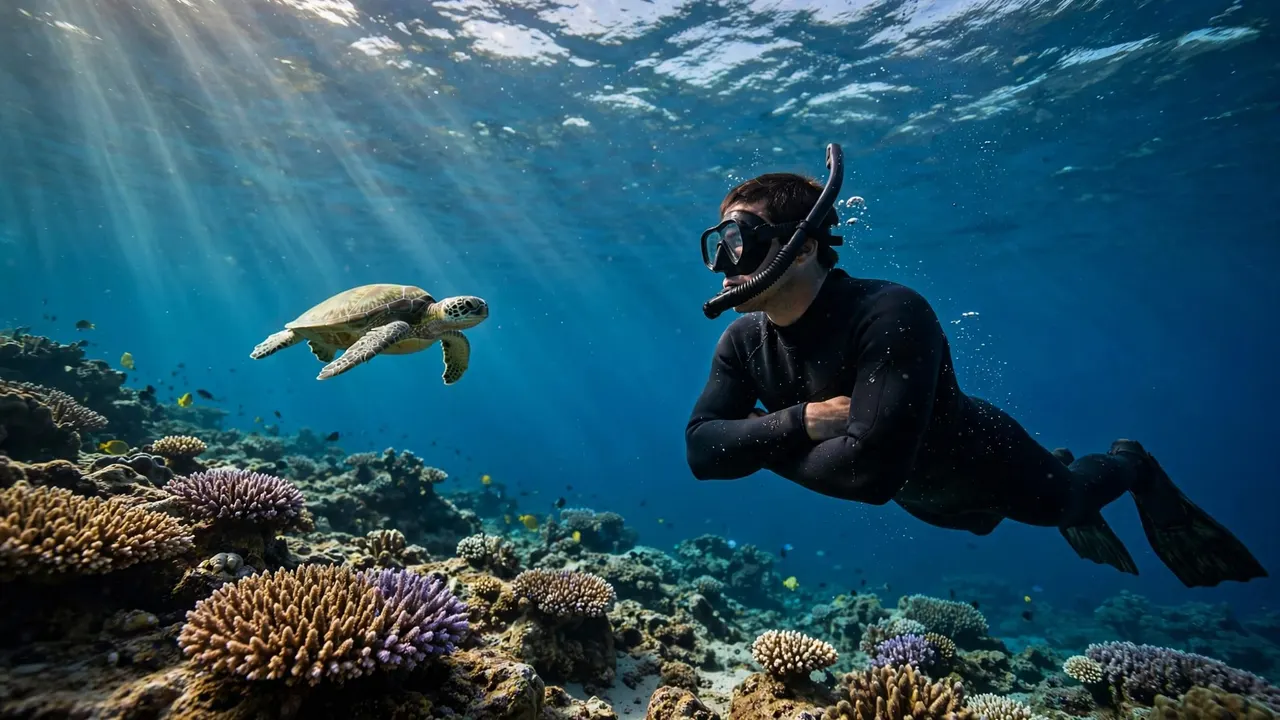
When you stop moving while snorkeling Oahu’s reefs, the water can feel colder even if its temperature hasn’t changed. Your comfort depends on more than the number on a forecast: time in the water, your activity level, and your personal tolerance all matter.
At Living Ocean Tours, we want you to enjoy Waikiki’s underwater scenery without feeling pressured to stay in when you’re chilled. A few simple choices can make your time in the ocean and your ride back more comfortable.
Why the water can feel colder when you pause
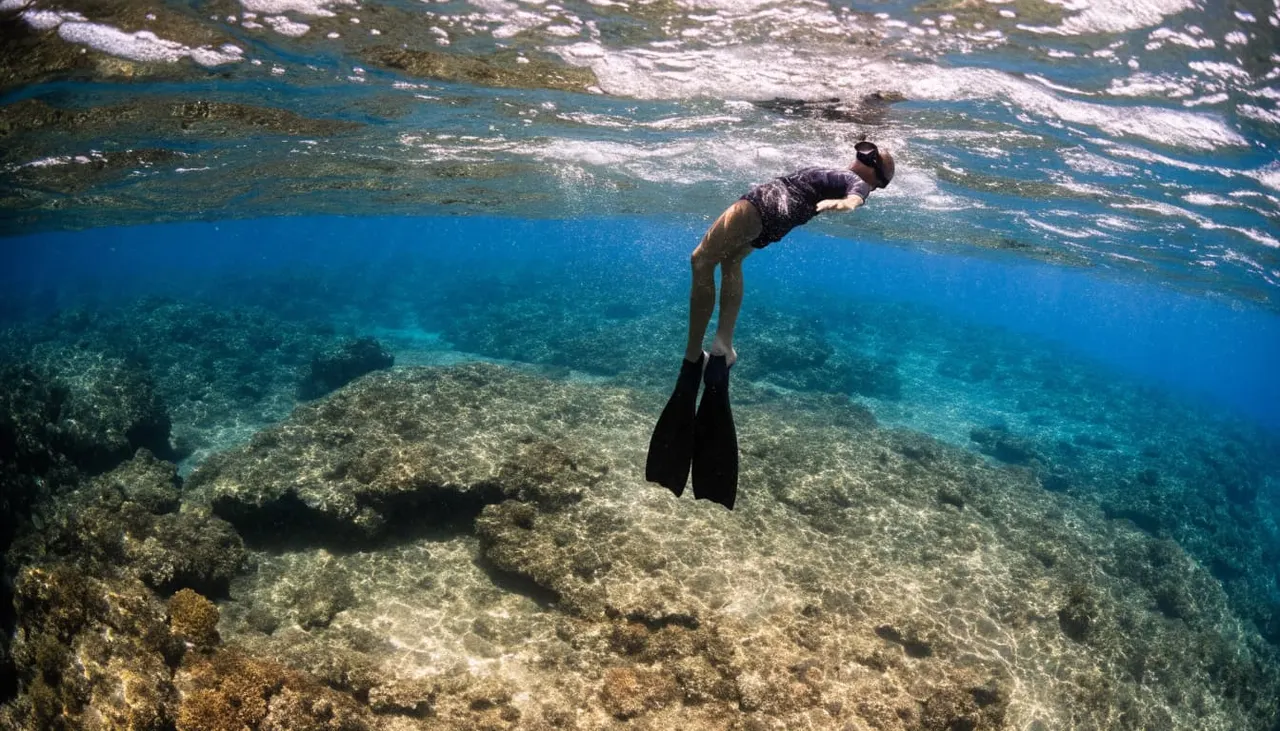
You might feel fine while gently finning along a reef, then notice a chill when you pause to watch a sea turtle. That change in sensation doesn’t necessarily mean you’ve reached colder water.
Your comfort changes during a swim
The water you entered may have felt refreshing at first. After a longer float, the same water can feel less comfortable, especially when you stop to take in the view.
That’s useful to remember when snorkeling Oahu’s reefs with a group. One person may be happy floating for another 20 minutes while another is ready for a towel. Neither reaction is unusual.
A cool patch can feel different, too
The ocean isn’t always the same temperature at every depth or across every part of a reef. You may also drift into a cooler patch as water moves around the reef.
A brief change doesn’t tell you everything about the conditions. Pay attention to how you feel, where your buddy is, and how easily you can return to the boat or shore.
What Oahu water temperatures tell you
Honolulu-area coastal averages give you a starting point for packing. They generally fall around 75°F to 80°F across the year, with cooler water in winter and warmer water in late summer and early fall.
Those averages aren’t a promise for your swim. A reading for Honolulu doesn’t tell you the exact temperature you’ll find at Turtle Canyon or how the water will feel after you’ve been floating for a while.
NOAA’s coastal water temperature guide is useful for comparing broad coastal patterns. Your experience at a particular reef can still differ because ocean water moves and conditions change.
If you’re sensitive to cold, a few degrees may affect what you want to wear. If you usually run warm, a swimsuit may feel comfortable for a shorter outing. Either way, bring a dry layer for the trip home.
Warm water also doesn’t guarantee calm water. Wind, swell, current, and visibility deserve attention whenever you’re snorkeling Oahu, regardless of the season.
How to recognize when you’re getting cold
It’s easy to stay focused on the reef and overlook your own comfort. Take a moment during your swim to notice how you’re feeling, especially after you’ve been in the water for a while.
Notice the early signs
You may begin to shiver, feel uncomfortable, or find that you’re less interested in staying in. Your hands may feel clumsy when you adjust your mask. Those are good reasons to tell your buddy or guide and return to the boat or shore.
Don’t wait until you’re exhausted to head back. Leave yourself enough energy to swim at a relaxed pace and use the ladder or exit point safely.
Give children room to call it early
Children and adults can respond differently to the same water. A child who enjoyed the first part of a swim may want to get out before everyone else.
Agree on a simple signal before entering, and keep children close enough to communicate. If your child says they’re cold, help them exit, dry off, and warm up. The reef will still be there for another visit.
What to wear for snorkeling Oahu
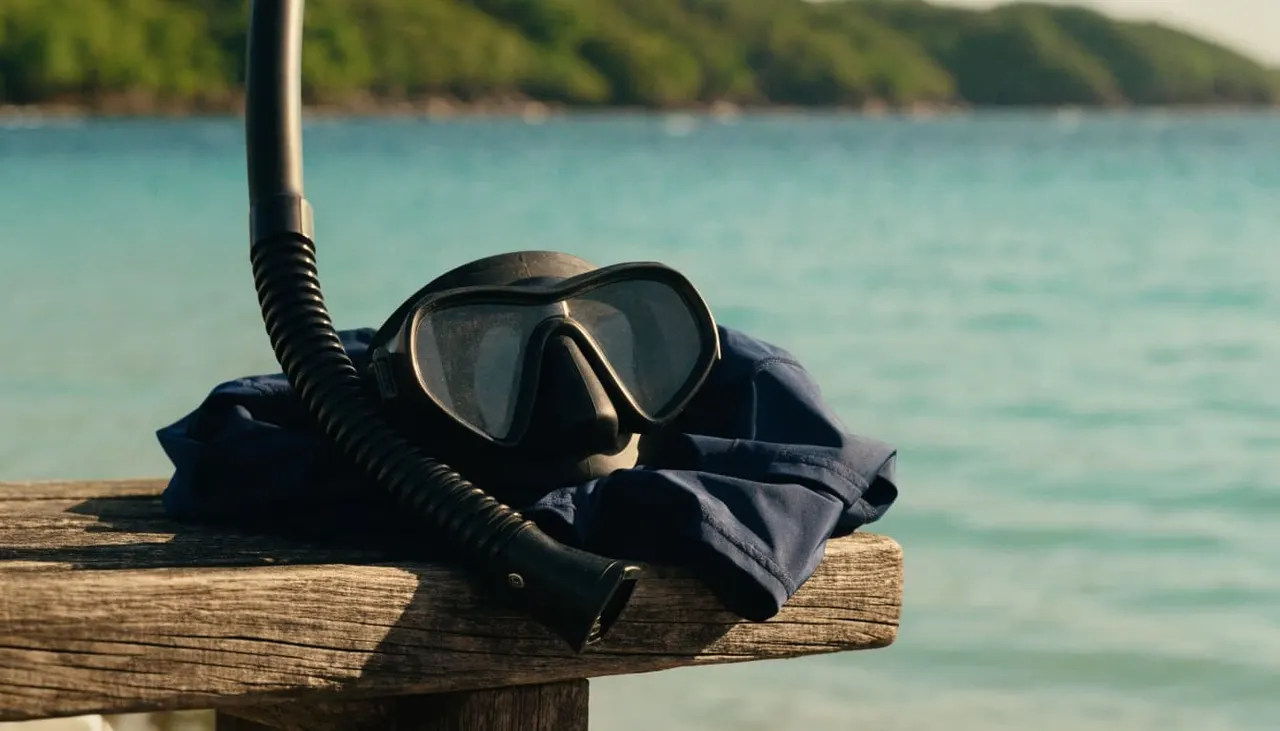
The right layer depends on your comfort, the season, and how long you expect to spend in the water. You don’t need to dress like a scuba diver for every snorkel trip, but an extra layer can make a difference.
Choose a rash guard for coverage
A long-sleeve rash guard covers your shoulders, back, and arms while you float face down. It can also reduce rubbing from gear.
Rash guards vary in fabric and sun-protection rating. Choose one that fits comfortably without restricting your breathing or arm movement. A thin shirt provides less insulation than a wetsuit, so it may not be enough if you chill easily.
Add a wetsuit layer if you get cold easily
A light wetsuit top or shorty wetsuit can be a useful choice for a longer snorkel or a cooler-season trip. Try it on before your outing so you can move your shoulders and breathe comfortably.
Your fit matters more than wearing the thickest layer available. If the suit restricts movement or feels uncomfortable on land, it may distract you once you’re in the water.
Plan for the ride after your swim
The chill doesn’t always start in the ocean. Once you’re back aboard, wet skin and clothing can feel cooler in the breeze, even on a sunny day.
Pack a towel and keep a dry shirt or cover-up where you can reach it. After your swim, dry off, change out of wet layers when practical, and move to a sheltered area if the wind feels uncomfortable.
A wind-resistant layer can be helpful if you tend to get cold. For families, a separate dry cover-up for each child makes the ride back easier, especially if everyone finishes swimming at a different time.
Bring drinking water, too. Sunshine and time outdoors can leave you thirsty even when you don’t feel hot. Avoid relying on a sunny sky alone as your plan for warming up.
Know when a chill needs more attention
Feeling cool is a cue to take a break. Persistent shivering or a change in someone’s behavior deserves a faster response.
Get out before discomfort becomes a problem
If you’re shivering and uncomfortable, signal your guide or buddy and leave the water. Once you’re out, remove wet clothing, dry off, and use dry towels or clothing to warm up.
The CDC’s hypothermia guidance notes that hypothermia can occur in cool conditions when someone is wet. You don’t need to diagnose yourself in the water to decide that your swim is over.
Treat confusion or slurred speech as an emergency
Severe symptoms can include confusion, slurred speech, unusual drowsiness, or difficulty moving. If someone shows these signs, call 911 and follow the dispatcher’s instructions.
Move the person gently to a sheltered place, remove wet clothing, and cover them with dry blankets or towels. Don’t use direct high heat or rub their limbs. Offer a warm, nonalcoholic drink only if they’re fully awake and able to swallow.
The Mayo Clinic’s hypothermia first-aid guidance describes additional steps while you wait for medical help.
Enjoy the reef without overdoing it
A comfortable snorkel begins with an honest assessment of your swimming ability and the day’s conditions. Go with a buddy, stay within the area your crew recommends, and choose an entry and exit you can manage.
When snorkeling Oahu’s coast, keep an eye on wind, waves, current, and visibility. A warm, sunny day can still bring water movement that makes swimming more demanding. Follow your captain’s instructions if conditions change or the group needs to return.
You can also make your swim easier by using slow, relaxed movements rather than rushing across the reef. Floatation support can help you rest at the surface, but it doesn’t replace swimming ability or make a difficult ocean safe.
Give marine life space while you watch. Stay at least 10 feet from Hawaiian green sea turtles, and never touch, feed, chase, or block them. Keep your fins and hands away from coral, too. If you need a break, use your flotation support or return to the boat rather than standing on the reef.
Snorkeling Oahu with our guides
Our crew at Living Ocean Tours welcomes first-time snorkelers and experienced ocean lovers aboard near Waikiki. Our professional snorkel guides can help you understand the gear and let you know where to get support if you feel cold or ready to return.
Our trips depart from Kewalo Basin Boat Harbor, minutes from Waikiki. You can enjoy the reef at your own pace and take a break when you need one.
For a longer outing, our Deluxe Waikiki Snorkeling and Wildlife Cruise lasts approximately 2.5 hours and includes time to enjoy the water and the boat’s water slide. You can CHECK AVAILABILITY for your preferred date.
Make comfort part of your snorkel plan
A chill after you stop moving doesn’t automatically mean the ocean temperature has dropped. Your experience can change throughout a swim, so give yourself permission to take a break.
Bring the layers that suit you, stay aware of your comfort, and tell your guide when you’re ready to get out. You’ll have more freedom to enjoy snorkeling Oahu when your plan includes a comfortable way back.


