
Snorkeling Oahu: Reef Sand or Broken Coral?

When you’re snorkeling Oahu’s reefs, the easiest way to tell sand from broken coral is to look at the size and visible structure of the material. Sand appears as loose grains, while larger coral fragments may retain recognizable skeletal patterns.
At Living Ocean Tours, we love helping you notice the details beneath the fish and turtles. You can make these observations from the surface, without touching or collecting anything.
Key Takeaways
- Reef sand can contain tiny pieces of coral, along with material from other marine organisms.
- Broken coral rubble is generally larger and may retain the shape or texture of a coral skeleton.
- Color alone won’t tell you whether material is sand, coral rubble, or living coral.
- Stay above the bottom and leave everything in place, even when a fragment appears dead.
How Reef Sand Differs From Broken Coral
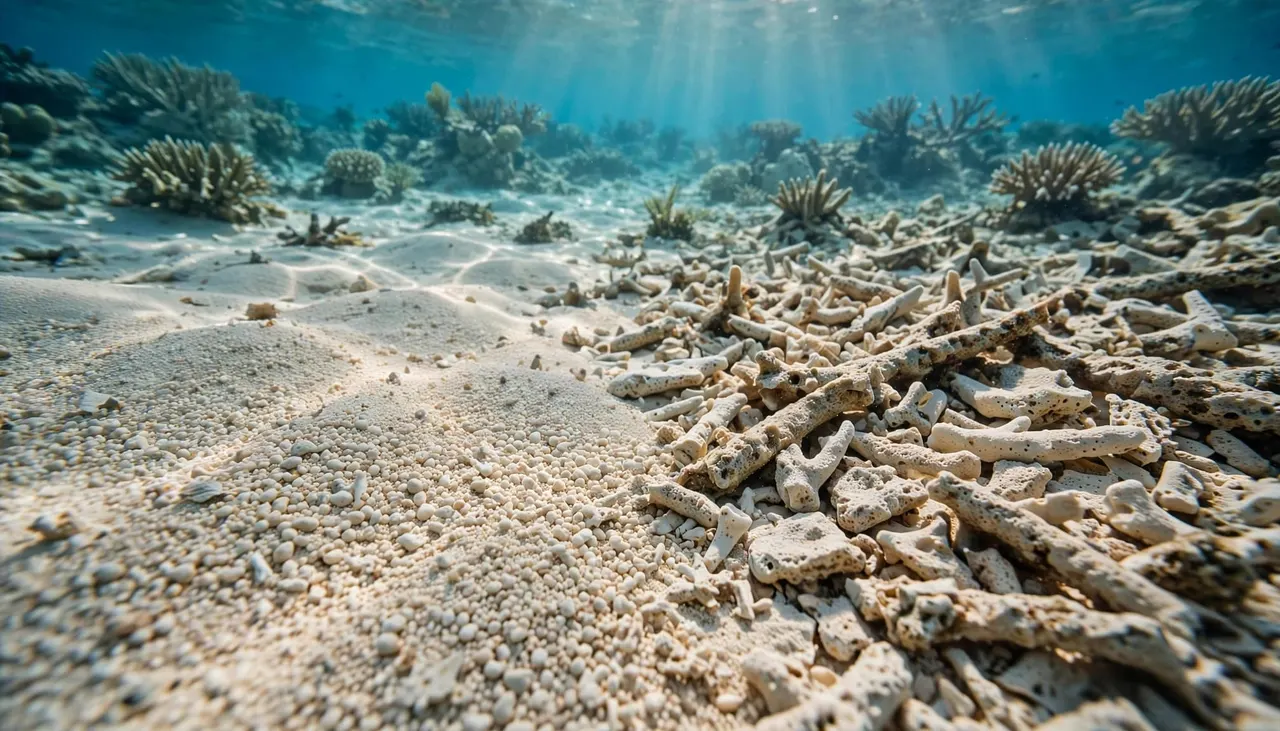
The pale bottom you see between coral heads can contain both sand and larger pieces of reef material. The difference is easiest to understand when you look at individual particles rather than the color of the whole patch.
Look at the Size of the Pieces
Sand is made up of small, loose grains. Geologists generally classify particles between about 0.063 and 2 millimeters across as sand, regardless of what they’re made of.
Broken coral rubble consists of larger fragments. You might see pieces scattered across the bottom or gathered near a reef. Some are small enough to blend into coarse sediment, while others retain a more obvious coral shape.
When you’re floating at the surface, you won’t be able to measure every grain. Instead, look for the difference between a patch that appears granular and one made up of distinct pieces.
Notice Any Remaining Coral Structure
A larger fragment may still show branches, ridges, or the fine skeletal texture of coral. Those features can make it recognizable even after the living tissue is gone.
Over time, coral skeletons can break into smaller pieces that become part of the sand. Reef sand and broken coral aren’t separate materials in every case: they can be different stages of the same material.
What Is Oahu Reef Sand Made Of?
Reef sand is a mixture, and its ingredients depend on the organisms and geology nearby. The University of Hawaii’s guide to beaches and sand describes biogenic sand as material that can include fragments of coral skeletons and coralline algae.
Coral Is One Part of the Mix
You may also encounter grains formed from shells and other marine material. Some sand contains mineral grains as well. A U.S. Geological Survey study of a fringing reef identified coral and coralline algae among several common grain types.
That variety is useful to remember when you’re snorkeling Oahu’s reefs. A pale patch doesn’t mean every grain came from coral, and you can’t identify each ingredient from the surface.
Waves and Currents Sort the Pieces
Water movement breaks down, carries, and redistributes sediment. As a result, one patch may look fine and even, while another nearby contains coarser pieces.
Those patterns offer clues about the seafloor, but they don’t provide a reliable forecast of the current you’re swimming in. Pay attention to the conditions around you and stay with your buddy or guide.
How to Recognize Coral Rubble From the Surface
You don’t need to dive down for a closer look. A steady float gives you time to compare shapes and textures while keeping the reef out of reach.
Look for Distinct Fragments
A rubble patch often looks less uniform than a sandy patch because you can pick out separate pieces. Some fragments may resemble broken branches or chunks of a larger coral formation.
Still, a coarse piece isn’t necessarily coral. Shell material and rock can also appear among the sediment. Treat its shape as a clue rather than a certain identification.
If a guide points out a coral fragment, compare it with the finer material around it. You may notice how much of the original structure remains in the larger piece.
Leave Unfamiliar Pieces Where They Are
A fragment that looks loose or pale may support marine life, and you can’t determine its condition reliably by touching it. Leave it on the bottom rather than turning it over or picking it up.
That hands-off approach also protects you. Broken material can have rough edges, and reaching down makes it easier to brush against nearby coral with your fins.
Can You Tell Living Coral by Its Color?
Color is a useful detail to notice, but it isn’t a dependable test of whether coral is alive. Living coral can come in several colors, while a pale or white coral may be stressed or bleached and still alive.
Algae can also cover a dead skeleton, changing its appearance. At snorkeling distance, shadows, water clarity, and sunlight can make identification harder.
When you’re snorkeling Oahu’s shallow reefs, give coral space regardless of its color. Avoid touching a formation just because it looks like rock or appears lifeless.
The same rule applies to loose fragments. A piece may look broken, but you can’t assume that every part of it is dead or that moving it would be harmless. If you’re curious, point it out to your guide from the surface.
Reading the Seafloor Without Harming It

A comfortable float lets you enjoy the view without disturbing the bottom. It also gives you a better chance to watch fish moving between coral and open sand.
Keep Your Fins Above the Reef
Swim horizontally and leave plenty of room between your fins and the bottom. Coral may sit closer to the surface than it first appears, particularly when waves lift and lower you.
Even brief contact can damage delicate coral polyps. NOAA’s coral reef guidance describes how a hand or fin can crush them.
If the water becomes too shallow to swim without contact, turn toward deeper water. You don’t need to cross every coral patch to enjoy the reef.
Pause Without Standing on Coral
If you need to adjust your mask or rest, stay afloat and signal your guide or buddy for help. A flotation aid can make it easier to remain at the surface.
During a shore visit, stand only where you can clearly see a bare sandy bottom and conditions allow you to do so safely. Avoid standing on coral, rubble, or an area you can’t see clearly.
What Sand Patches Can Tell You
When you’re snorkeling Oahu’s reefs, a sandy channel can make the structure of the reef easier to see. Watch where the lighter bottom meets coral formations, and you may notice fish traveling between open water and sheltered spaces.
Fine sediment can cloud the water when it gets stirred up. Give the bottom room and use gentle kicks to keep your view clear for yourself and other snorkelers.
A sandy opening isn’t an invitation to chase wildlife through it. Hawaiian green sea turtles need room to swim and surface to breathe. If you see one, enjoy the encounter from a respectful distance and let the animal choose its own path.
Remember that a calm-looking patch of sand doesn’t tell you whether the surrounding water is safe. Swell, currents, and visibility can change, so stay within your swimming ability and follow your guide’s instructions.
Explore the Reef With Our Snorkel Guides
If you’re new to snorkeling Oahu’s waters, a guided boat trip gives you a chance to learn while you explore. Our professional snorkel guides can help you get comfortable in the water and point out reef features you might otherwise pass over.
Our Turtle Canyon Snorkel Tour visits a Hawaiian green sea turtle cleaning station off Waikiki. The trip is two hours, with approximately one hour of snorkeling time, and we provide the gear. Wildlife sightings vary, so enjoy the reef and its smaller inhabitants along the way.
Ready to join us? You can CHECK AVAILABILITY for the Turtle Canyon trip or explore our Waikiki snorkeling and wildlife cruise.
Our trips depart from Kewalo Basin Boat Harbor in Honolulu. Whether you’re traveling as a couple or bringing the family, our crew welcomes first-time snorkelers and experienced swimmers.
Frequently Asked Questions
Is All White Reef Sand Made From Coral?
No. Pale reef sand can include coral fragments, but it may also contain material from shells, coralline algae, and other sources. You can’t determine the ingredients by color alone.
Does Broken Coral Mean the Whole Reef Is Dead?
No. Coral rubble can occur alongside living coral. A loose fragment tells you little about the condition of the entire reef, so observe the wider area without disturbing it.
Can You Take a Piece of Coral Home?
Leave coral and other reef material where you find it. Collection rules depend on the location, and a fragment can be part of the habitat even if it appears lifeless.
Is It Safe to Stand on a Sandy Patch?
A clearly visible bare sandy bottom can be a place to stand when conditions allow. First, make sure you aren’t stepping on coral, rubble, or marine life. If you can’t see the bottom clearly, remain afloat.
What Should You Do if You Can’t Identify a Fragment?
Enjoy looking at it without handling it. If you’re with a guide, point out what you see and ask for help. A respectful observation is worthwhile even when the exact material remains uncertain.
Take a Closer Look From Above
The next time you’re snorkeling Oahu’s reefs, pause over a sandy channel and compare the fine grains with any larger fragments nearby. Size and visible structure can tell you a lot, even when an exact identification isn’t possible.
Keep your fins clear and leave what you find in place. A little space gives you a better view and helps protect the reef you’re there to enjoy.


