
Snorkeling Oahu: Choose Your First Reef Spot
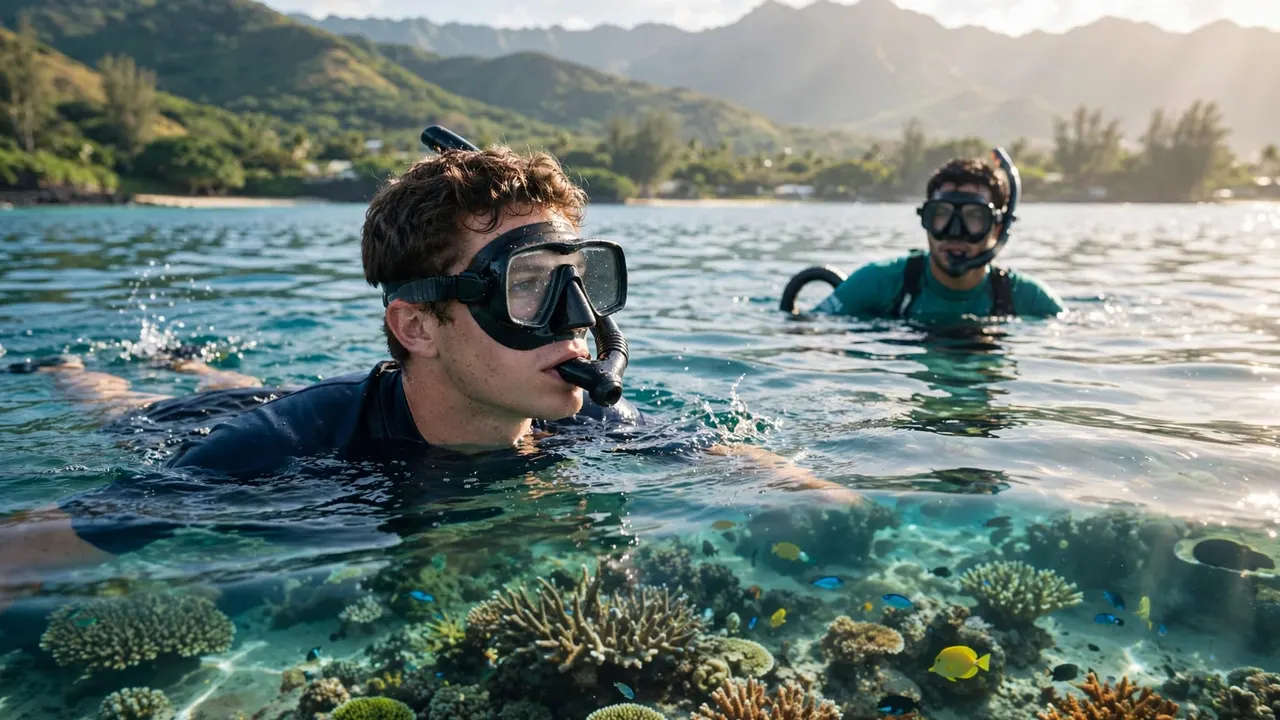
Your first time snorkeling Oahu’s reefs is best spent in calm water with an easy exit and enough room to float above the coral. At Living Ocean Tours, we help beginners experience Waikiki’s marine life with professional snorkel guides and a crew nearby.
The right spot depends on more than colorful fish. Your swimming comfort and the day’s conditions matter more than the location’s reputation. Start by looking at the water and how you’ll get in and out.
Snorkeling Oahu: Start With Protected Water
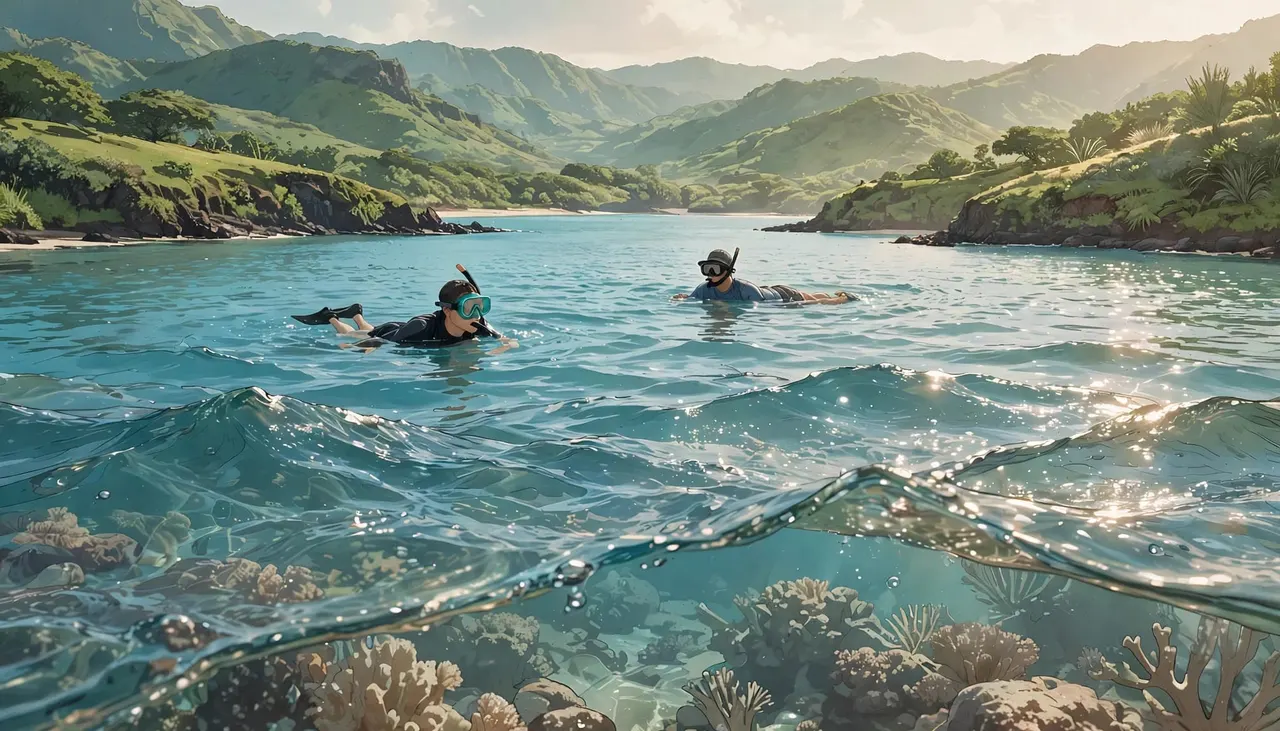
A sheltered bay can give you a gentler introduction than an exposed shoreline, but protection doesn’t make a location safe in every condition. Look for light surface movement, clear water, and an entry that doesn’t require you to cross sharp rocks or breaking waves.
Before snorkeling Oahu’s shores, watch the water for several minutes. Notice whether waves reach the place where you’ll enter and whether swimmers drift away from their starting point.
Choose a lifeguarded beach when you’re entering from shore, and ask the lifeguard about the day’s conditions. Hawaii Ocean Safety also recommends swimming with a buddy and staying within your ability.
If you’re uncomfortable swimming or floating in water too deep to stand, practice in a supervised pool before trying an ocean reef. A flotation device can help you rest, but it doesn’t replace swimming skills or supervision.
Compare Two Shore Options
Hanauma Bay Nature Preserve
Hanauma Bay offers a sheltered setting and a sandy shoreline, making it a useful option for a first shore entry when conditions are suitable. You can begin close to shore and give yourself time to adjust to breathing through your snorkel.
The preserve has an access schedule and admission rules. According to Honolulu’s Hanauma Bay information, public entry is available Wednesday through Sunday, from 6:45 a.m. to 1:30 p.m. The beach clears at 3:30 p.m.
Admission for non-Hawaii residents age 13 and older is $25 per person, plus an online reservation fee. Children 12 and under enter free. Reservations open two days ahead and are highly recommended.
Once you’re there, avoid treating shallow water as a place to stand on coral. Stay above the reef and use a sandy area if you need to put your feet down.
Ko Olina Lagoons
Ko Olina’s four man-made lagoons have sandy beaches and rock barriers that provide some protection from ocean swell. For families, that layout can make it easier to practice floating and breathing near shore.
Stay in the designated swimming areas and watch for other beachgoers. Although the lagoons are protected, wind and water movement can still affect your swim. Keep children within arm’s reach and choose a short outing that matches the least experienced swimmer in your group.
Match the Season to the Shore
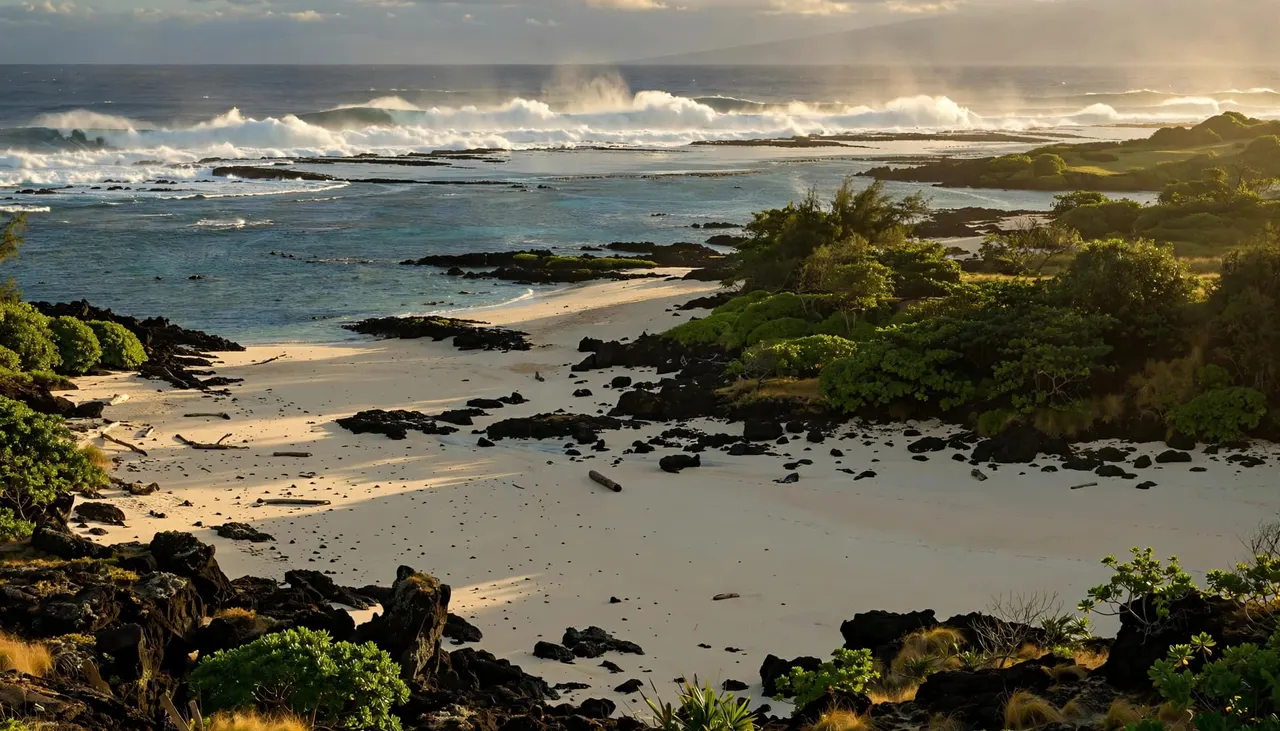
If you’re snorkeling Oahu’s North Shore, the season matters. Winter often brings powerful surf to exposed beaches, making a location unsuitable for a first open-water swim.
Shark’s Cove and Three Tables can attract snorkelers during calmer summer conditions. Both have rocky entries, however, and even a calm summer day can bring an unexpected swell. Save those spots for a time when you have more experience and the conditions suit your skills.
Morning can bring lighter winds and clearer water, but an early start isn’t a safety guarantee. Look at the forecast for the particular shore you plan to visit, then assess the water when you arrive. High surf, strong currents, heavy shorebreak, or murky water are reasons to choose another activity.
Consider a Guided Boat Entry
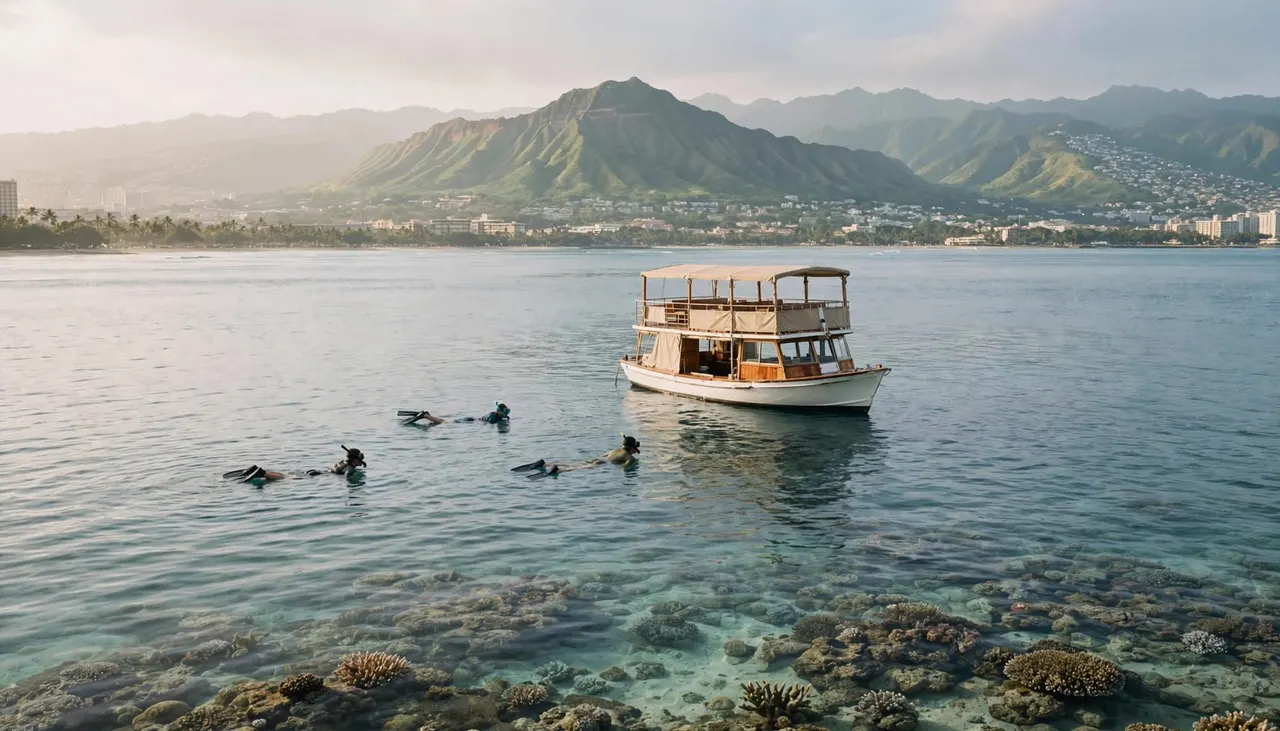
A guided trip gives you another option if you’d rather use a boat ladder than enter across a rocky shoreline. You still need to feel comfortable in open water, where the bottom may be too deep to stand.
Our boats depart from Kewalo Basin Boat Harbor, near Waikiki. When you’re snorkeling Oahu’s waters with us, tell our crew you’re new. You can ask about the entry, flotation, and swimming area before you get in.
Turtle Canyon Snorkel Tour
Our Turtle Canyon Snorkel Tour visits a reef known for Hawaiian green sea turtles. The two-hour trip includes gear and approximately one hour in the water, giving you time to settle in without rushing your first swim.
Our trips have about a 95% success rate for finding turtles, though wildlife sightings are never guaranteed. If you see a turtle, enjoy the encounter without touching or chasing it.
When you’re ready to plan your trip, CHECK AVAILABILITY for the Turtle Canyon tour.
Deluxe Waikiki Snorkeling and Wildlife Cruise
Our Deluxe Waikiki Snorkeling and Wildlife Cruise combines a guided reef outing with a boat-mounted waterslide, water trampoline, and floating lily pad. It’s an option for families who want time on the water as well as snorkeling.
You can take a break aboard if you need one. CHECK AVAILABILITY for the cruise when it fits your plans.
Choose an Entry You Can Reverse
A comfortable entry is useful only if you can also get out safely. Before snorkeling Oahu’s reefs, identify your return route and give yourself enough energy to use it.
Entering From the Beach
Look for a clear sandy approach where you can walk without stepping on coral. Watch for waves breaking at the shoreline, which can knock you off balance even before you start swimming.
Pick a landmark you can recognize from the water, then agree on an exit with your buddy. Stay close enough to return without relying entirely on your snorkel or flotation gear. If the water becomes cloudy or the current carries you farther than expected, head back while you have energy to spare.
Entering From a Boat
A boat ladder avoids a rocky walk, but you’ll enter water where you may not be able to stand. Listen to the crew’s instructions and locate the ladder before you leave the boat.
Ask for flotation support if you’d like it, and stay within the area the crew identifies. If you’re tired or uneasy, signal for assistance or return to the boat. You don’t need to complete a long swim to enjoy watching fish below you.
Get Comfortable With Your Gear
Fit Your Mask and Snorkel
A mask should sit comfortably against your face without a strap pulled painfully tight. Move hair away from the seal, then practice putting your face in the water in a supervised setting.
Breathe slowly through the snorkel and lift your head whenever you need a break. If water enters the tube or your mask leaks, stop and adjust your equipment rather than continuing while distracted. Your guide can demonstrate again if the process feels unfamiliar.
Use Fins and Flotation Thoughtfully
Fins help you move through the water, but large kicks can stir up sand or strike coral. Use gentle kicks and watch the space beneath you, especially in shallow areas.
A flotation vest or other support can make resting more comfortable. Still, stay with your buddy and within your swimming limits. For children, close adult supervision remains necessary even when flotation is available.
Give Wildlife and Coral Room
While snorkeling Oahu’s reefs, you’re visiting a living habitat. Coral can be damaged by a misplaced foot or fin, so float above it and use sandy areas for standing. Hawaii’s Division of Aquatic Resources advises visitors to give coral space and avoid standing on it.
Keep your distance from turtles and fish. Don’t touch, feed, chase, or block an animal’s path. If a turtle approaches you, give it room to continue swimming or surface for air.
A sun shirt offers useful coverage during your outing. Pack out what you bring, including food wrappers and other small items that could blow into the water.
Key Takeaways for Your First Swim
Choose your location around the person in your group who needs the easiest entry and shortest swim. A sheltered bay, a lagoon, or a guided boat trip can each work when conditions and your abilities match.
Give yourself permission to change plans. A beautiful reef will be there another day, and waiting for calmer water is a sound decision.
Frequently Asked Questions
Can you snorkel on Oahu if you’re a beginner?
Yes. Start with swimming and snorkeling practice in a supervised setting, then choose a suitable ocean location with calm conditions. Stay with a buddy and tell your guide or lifeguard that you’re new.
Is a boat tour suitable for a first open-water swim?
It can be if you’re comfortable floating in deeper water and the conditions suit your ability. Our Waikiki snorkeling and wildlife cruise gives you access to professional guides and a boat where you can take a break.
What if you don’t feel comfortable after entering?
Stop, signal your buddy or guide, and return to the beach or boat with assistance if needed. You can take a break without continuing the swim.
Let the Conditions Make the Choice
Your first reef experience starts with a manageable entry, a clear return route, and enough comfort to enjoy looking underwater. Choose a spot that fits your swimming ability rather than stretching your limits.
Whether you enter from a beach or join us aboard, give the ocean your attention and the reef its space. Your first swim can be short, relaxed, and memorable.


