
Snorkeling Oahu: How to Reduce Jaw Fatigue
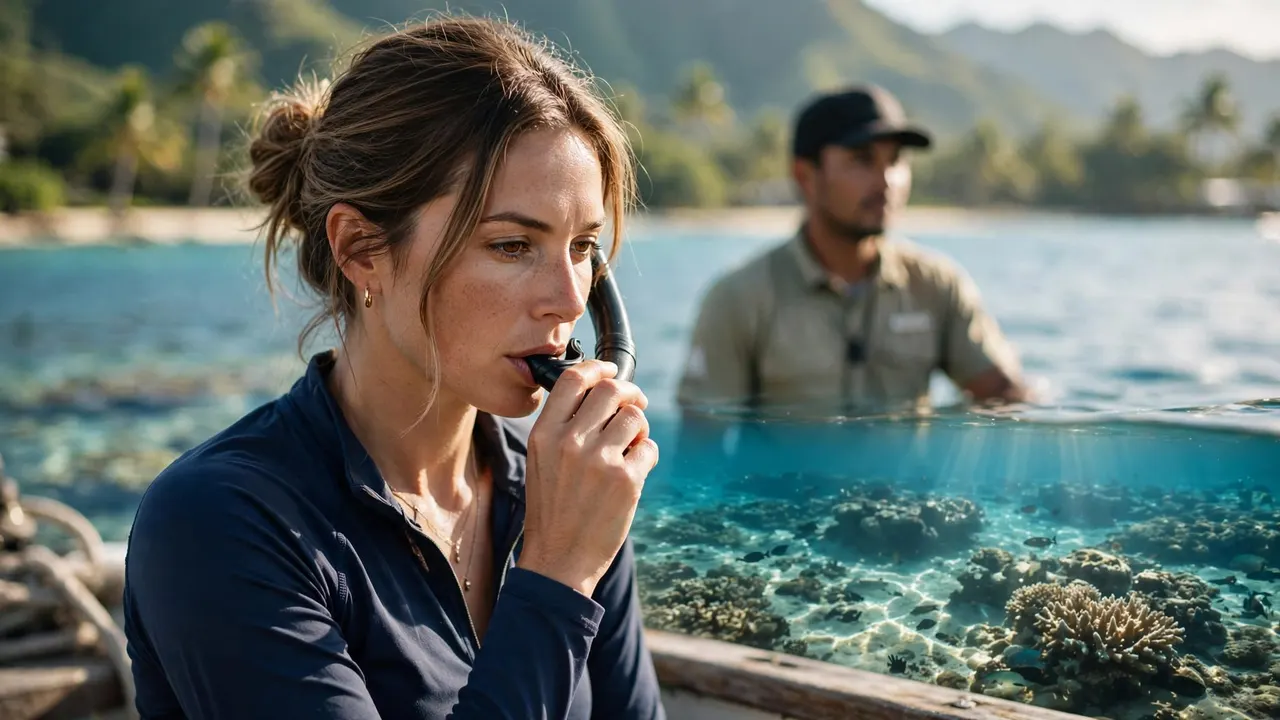
A comfortable mouthpiece should stay in place without making you clench your teeth. If your jaw starts to tire while you’re snorkeling Oahu’s reefs, pause, loosen your bite, and ask for help with the fit.
At Living Ocean Tours, our professional snorkel guides can help you get comfortable with your equipment before you focus on the reef. A few adjustments and well-timed breaks can make your time in the water much more enjoyable.
Key Takeaways for a More Comfortable Snorkel
Pay attention to fit before force. A mouthpiece that feels too large, pulls at one side of your mouth, or requires a hard bite may need adjustment or replacement.
Practice breathing while you’re supported and close to your guide. If you develop pain, repeated coughing, or uncomfortable breathing, stop and ask for help rather than pushing through.
Why Snorkeling Oahu’s Reefs Can Tire Your Jaw
Holding a snorkel in your mouth uses muscles that may not be accustomed to the position. If you grip the bite tabs tightly for an extended swim, those muscles can become tired or sore.
Clenching and an awkward fit
A mouthpiece can feel secure at first but become uncomfortable as you keep biting down. You might also hold your lower jaw forward or shift it to one side without noticing.
Divers Alert Network discusses jaw discomfort associated with diving mouthpieces, including how a mouthpiece can affect the jaw. Although that guidance concerns diving, it offers useful context when you’re thinking about the fit of a snorkel mouthpiece.
Pull from the snorkel tube
The mouthpiece may also feel uncomfortable when the tube pulls against it. A connector that’s poorly positioned on your mask strap can tug at your lips whenever you turn your head.
You shouldn’t have to fight the equipment to keep it in place. If the tube pulls or twists, ask your guide to help reposition it before you continue.
Choose a Mouthpiece That Fits Your Jaw
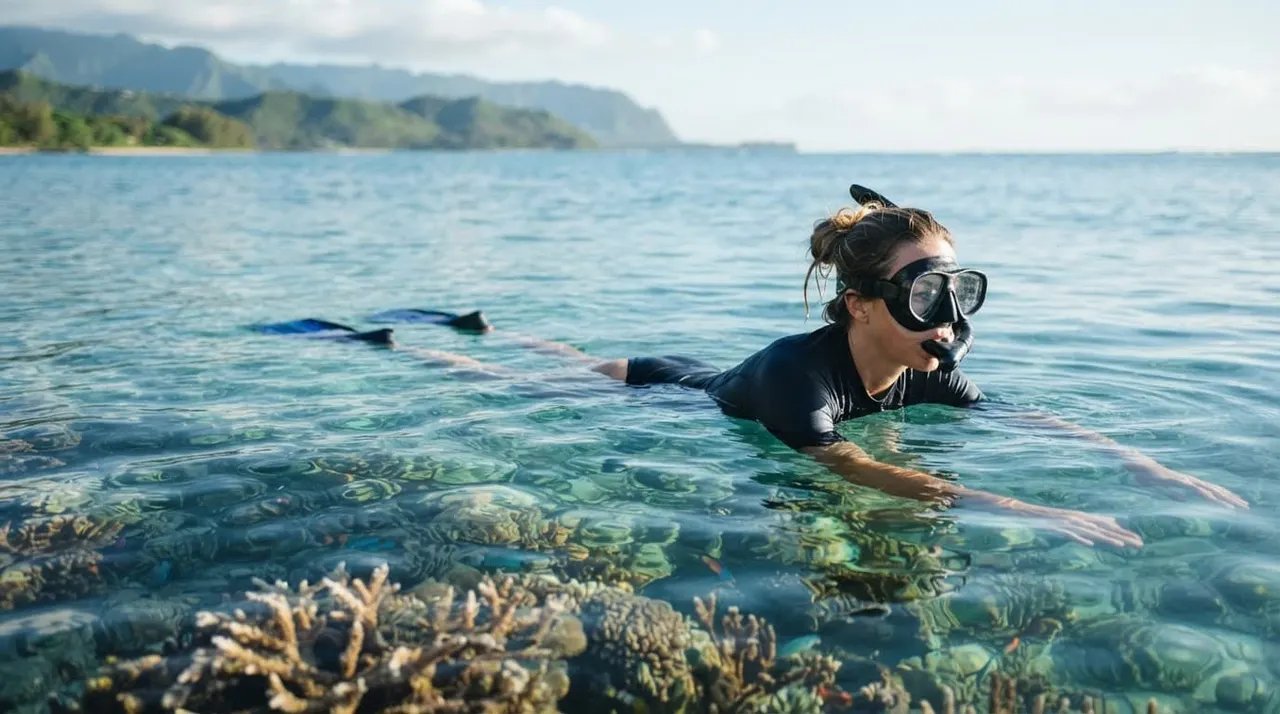
A good fit lets your lips close around the mouthpiece while your teeth rest lightly on the bite tabs. You should be able to keep it in place without pinching your lips or clamping your jaw.
Look at the bite tabs and mouthpiece size
The bite tabs are the small pieces inside the mouthpiece that sit between your teeth. Their shape and spacing affect how comfortably your jaw rests.
If the mouthpiece feels bulky or makes you stretch your mouth open, try a different size or shape. A smaller mouthpiece isn’t automatically better, though. It still needs to sit securely and form a comfortable seal.
Soft silicone can feel pleasant against your mouth, but softness alone doesn’t guarantee a good fit. Pay attention to how the entire mouthpiece sits, including whether one side presses harder than the other.
Test it before your swim
Before snorkeling Oahu’s waters, place the mouthpiece in your mouth while you’re out of the water. Breathe normally through the tube and notice whether your jaw can relax.
Turn your head gently from side to side. If the tube tugs, the mouthpiece slips, or your teeth need a firm grip to hold it, ask for an adjustment. It’s easier to change your setup before entering than to keep correcting it during your swim.
Adjust Your Gear Before You Enter the Water
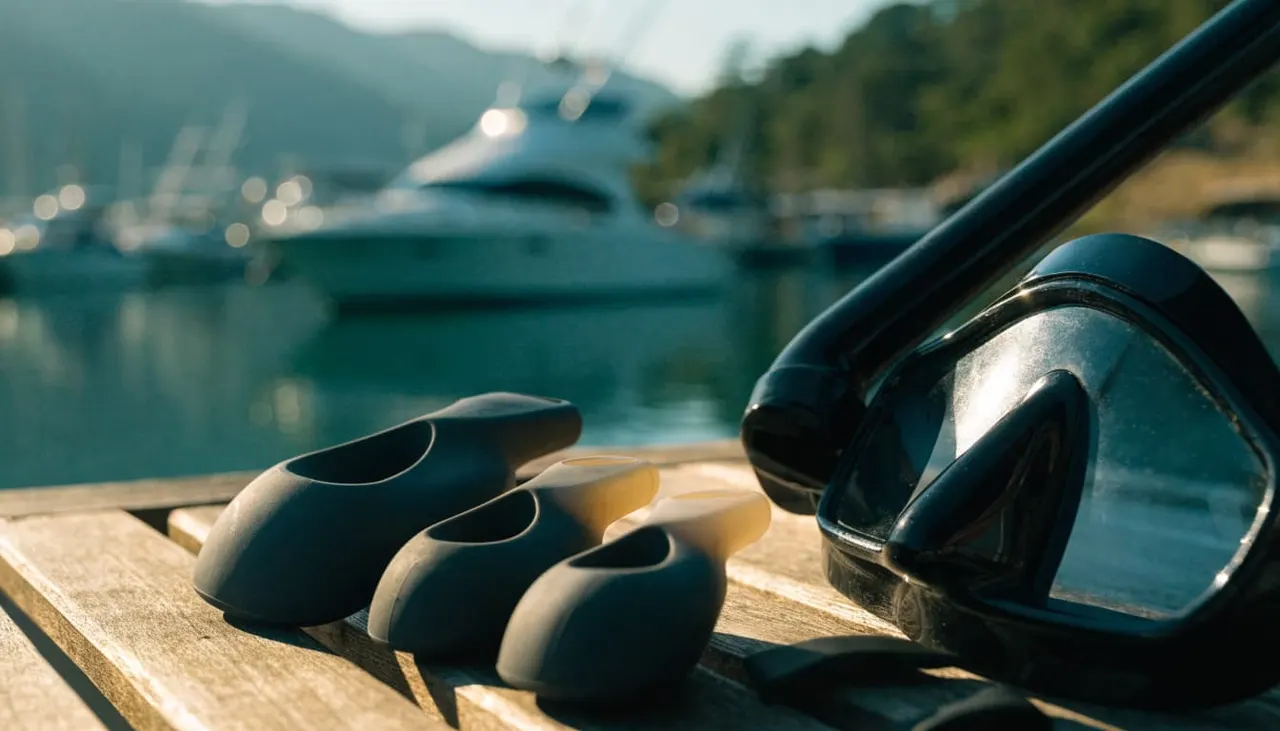
Your mask and snorkel should work together without pulling your mouthpiece out of position. Take a minute to settle both pieces before you get in.
Position the tube comfortably
With your mask on, ask your guide to help position the snorkel on the strap. The mouthpiece should reach your mouth without forcing you to twist your head or pull the tube toward you.
Make small adjustments, then try breathing through it again. The goal is a natural head position and a tube that stays positioned as you look around.
Keep the snorkel’s air opening above the water when you breathe through it. No snorkel lets you breathe through the tube while that opening is submerged.
Inspect your equipment
Look for damage or excessive wear on the mouthpiece and bite tabs. A torn tab or a loose connection can make you grip harder as you try to keep the equipment secure.
Also, make sure the tube is clear. If anything looks damaged or doesn’t feel right, tell your guide and ask for help before entering the water.
Practice a Lighter Bite and Steady Breathing
Once your gear feels comfortable, give yourself time to settle into it. Snorkeling Oahu’s reefs should feel like an enjoyable surface activity, not a test of how long you can hold your mouthpiece.
Let your teeth rest on the tabs
Start with a gentle bite, using enough pressure to keep the mouthpiece in place. Your lips should form a comfortable seal around it. If you notice your teeth pressing hard, ease the pressure while keeping the mouthpiece secure.
Divers Alert Network’s guidance for divers includes relaxing the bite while retaining the mouthpiece. You can use that idea during a calm snorkel practice session, while paying attention to how your own equipment fits.
A lighter bite shouldn’t require constant correction. If the mouthpiece keeps slipping when you relax, return to your guide for another fit adjustment.
Find an unhurried rhythm
Practice breathing through the snorkel while you’re calm and supported. Then, when you’re ready, place your face in the water and continue breathing at a comfortable pace.
Keep your movements easy and stay within the area your guide identifies. If you feel rushed or tense, pause at the surface rather than trying to swim farther. Flotation can help you rest, although it doesn’t replace swimming ability or supervision.
Take Breaks Before Your Jaw Gets Sore
A break gives your jaw a chance to relax and lets you notice whether your equipment needs attention. You don’t have to wait until discomfort becomes pain.
Reset at the surface
Tell your buddy or guide that you want to pause. Lift your face fully above the water, remove the mouthpiece, and breathe normally. Use your flotation aid as instructed, or return to the boat if you prefer a more comfortable rest.
During the pause, notice where your buddy, guide, and boat are. Stay aware of your surroundings instead of concentrating only on the gear.
Know when to end the swim
If your jaw feels sore again as soon as you replace the mouthpiece, don’t keep testing your tolerance. Ask for help or return to the boat.
The same applies if you feel tired, cold, anxious, or unsure about continuing. You can stop even if your partner wants more time in the water. Agree on a return plan with your guide so nobody is left alone.
Help Children Find a Comfortable Fit
For families snorkeling Oahu’s waters, equipment comfort matters for every swimmer. An adult-sized mouthpiece may be awkward for a child, even if the mask appears to fit.
Give each child time to practice
Let your child try the mouthpiece while calm and supported. Ask whether it presses on their mouth or feels difficult to hold. Give them time to practice breathing before moving their attention to the water below.
Avoid encouraging a child to bite harder to solve a slipping mouthpiece. Instead, ask your guide for help with the fit or another size.
Keep supervision close
Choose an adult to stay attentive to each child’s comfort and breathing. Professional guides provide support, but they don’t replace your family’s supervision plan.
Agree on simple signals for needing help or wanting to return. If a child seems uncomfortable, pause together and tell the guide. A shorter, relaxed swim can be a positive introduction to snorkeling.
Respond to Pain or Breathing Trouble Early
Jaw fatigue should improve when you stop using the mouthpiece and rest. Pain, locking, or recurring symptoms deserve more attention.
When your jaw needs professional advice
If you have a history of jaw problems, speak with a dentist or other qualified health professional about your concerns. Seek advice as well if pain persists, returns repeatedly, or comes with jaw locking or difficulty opening your mouth.
A different mouthpiece may improve comfort, but it isn’t a substitute for an assessment. Don’t force your jaw into a new position or continue swimming through pain.
When breathing doesn’t feel comfortable
If water enters your snorkel, you cough repeatedly, or airflow feels restricted, stop swimming. Raise your face completely above the surface, remove the mouthpiece, and signal your buddy or guide.
Ask for assistance rather than repeatedly trying to inhale through a troublesome snorkel. Exit the water with help when needed, and seek medical attention for persistent breathing trouble, chest discomfort, or other concerning symptoms.
Get Support on a Guided Snorkel Outing
If you’re snorkeling Oahu for the first time, tell us before you enter the water. Our professional snorkel guides can help you settle into your equipment and give you support during your swim. We’re the only Oahu tour company with professional snorkel guides.
You can explore our Waikiki snorkeling and wildlife cruise and CHECK AVAILABILITY for your ocean day.
Frequently Asked Questions
Should you bite hard on a snorkel mouthpiece?
No. Use enough pressure to keep the mouthpiece secure, but avoid clenching. If it slips when you ease your bite, ask for help adjusting it or try another fit.
Can a snorkel mouthpiece cause jaw pain?
Holding your jaw in an uncomfortable position or biting too hard can contribute to soreness. Stop using the mouthpiece if it hurts. If pain persists or returns, speak with a qualified health professional.
Can you switch mouthpieces during a trip?
If your mouthpiece feels uncomfortable, tell your guide and ask about another fit. Don’t modify equipment yourself during the swim or continue using a damaged mouthpiece.
What if you need a break while watching wildlife?
Let your buddy or guide know, then pause at the surface or return to the boat. Keep your fins away from coral, and observe wildlife without touching, chasing, or blocking its path.
Make Comfort Part of Your Snorkel Plan
When you’re snorkeling Oahu’s reefs, a comfortable mouthpiece helps you give more attention to the water around you. Start with a good fit, keep your bite gentle, and take breaks before your jaw becomes sore.
If something doesn’t feel right, tell your guide early. You can adjust your gear, rest, or end your swim on your own terms.


