
Snorkeling Oahu With a School Group: A Reef Lesson Plan
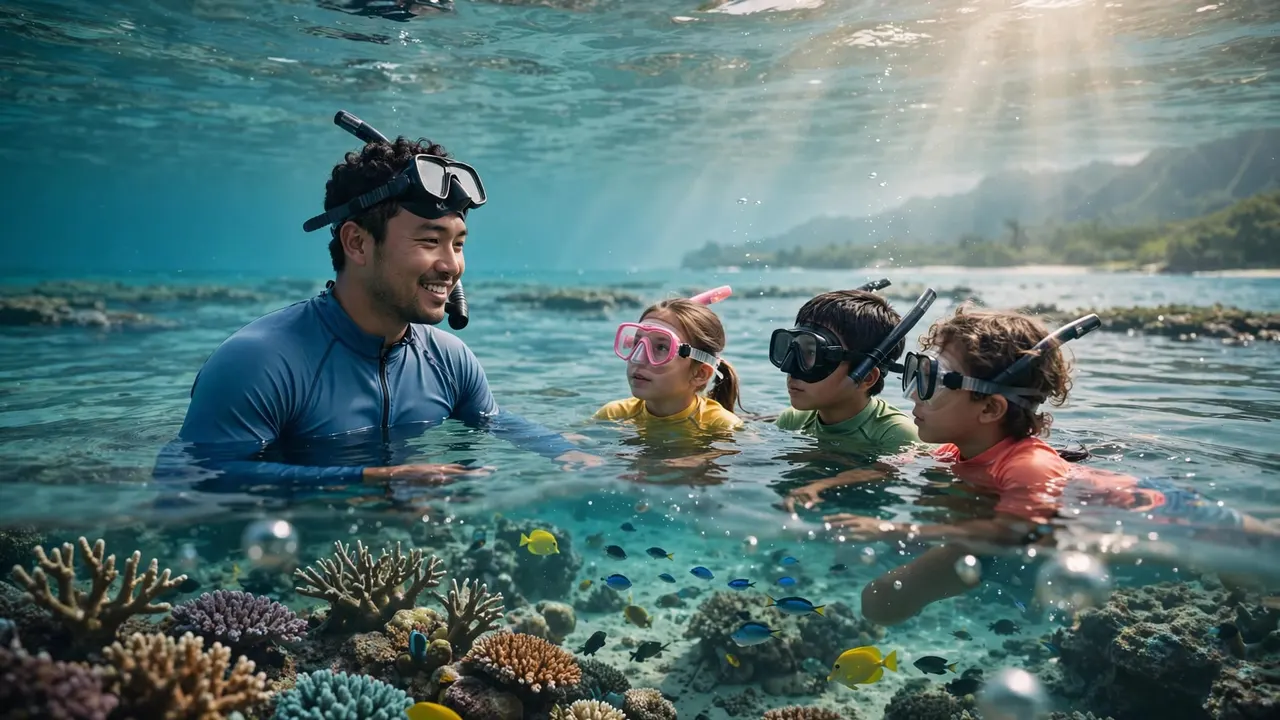
A successful reef lesson gives students a way to observe marine life while staying safe and protecting the habitat. When you’re snorkeling Oahu’s reefs with a school group, a little classroom preparation can turn an exciting swim into a lesson students remember.
At Living Ocean Tours, we offer guided reef outings with equipment and in-water support for first-time snorkelers. Start with a few clear learning goals, then build your field plan around your students’ comfort and the day’s conditions.
Choose a Guided Reef Outing
Our trips depart from Kewalo Basin Boat Harbor, near Waikiki. You can use our Waikiki snorkeling tours as a starting point for a guided ocean outing with your group.
We’re the only tour company with professional snorkel guides in the water. Our crew provides gear, instruction, and flotation support, so students can ask for help as they get comfortable. Teachers and chaperones still need to supervise their assigned students and follow the crew’s directions.
The Turtle Canyon Snorkeling Adventure is a two-hour trip to an area where Hawaiian green sea turtles may visit a cleaning station. Turtles are wild animals, so a sighting isn’t guaranteed. Reef fish and the coral habitat offer plenty to observe even when turtles don’t appear.
For a turtle-focused outing, you can CHECK AVAILABILITY for your group.
You can also see our available Living Ocean Tours outings below.
Set Learning Goals for Snorkeling Oahu’s Reefs
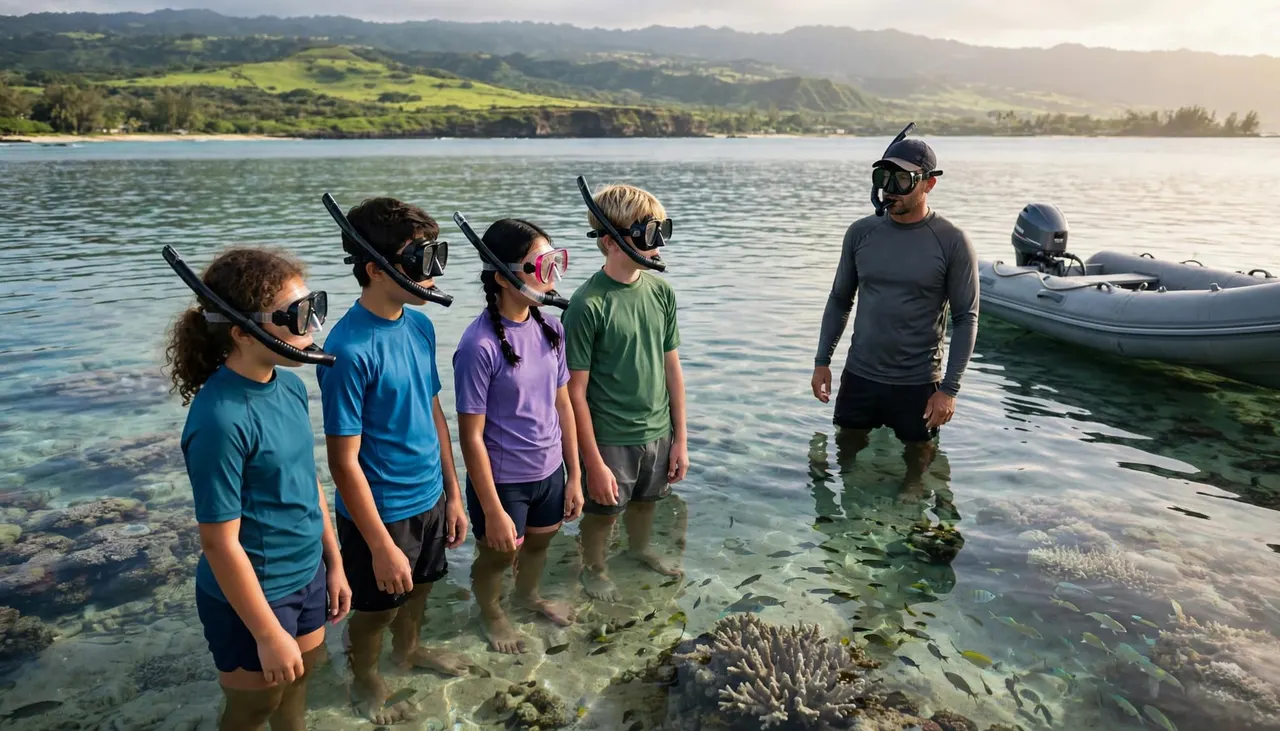
Give students a short assignment they can remember without carrying a worksheet into the water. The goal is to notice relationships on the reef, rather than collect a long list of species names.
Observe a Habitat
Ask students to look at the reef as a living habitat. Coral provides structure where fish and other animals can find food or shelter. Students can watch how fish move around coral heads and notice whether they gather near ledges, open water, or sandy areas.
Encourage them to describe what they see before guessing what it means. “The fish stayed close to a ledge” is an observation. “The fish was hiding from a predator” is an interpretation that needs more evidence.
Practice Responsible Viewing
Make observe, don’t touch part of the lesson goal. Students should be able to explain why they need to keep their hands, fins, and equipment away from coral and give wildlife room to move.
A student who stays aboard can meet the same goals by watching the water, listening to the guide, and contributing to the discussion afterward.
Prepare Students Before the Trip
A short classroom lesson helps students recognize reef behavior without expecting a particular sighting. It also gives nervous swimmers time to talk about the experience before they’re beside the water.
Introduce Coral and Reef Animals
Explain that corals are animals. Many reef-building corals live with tiny algae that use sunlight to make food, while coral polyps can also capture food from the water. The reef structure supports a wider community of marine life.
Introduce the Hawaiian green sea turtle, or honu, as one animal students may encounter. At Turtle Canyon, turtles may visit a cleaning station where reef fish remove material from their shells. Ask students to watch respectfully rather than move closer for a better view.
Practice the Observation Prompt
Give each student one question to remember: What is the animal doing, and where is it doing it? They can notice whether a fish stays near shelter, travels with others, or changes direction.
Have students discuss the difference between an observation and a guess. If they can’t identify an animal, its color, shape, location, and behavior are useful details to share with the group later.
Plan for Comfort and Supervision
When you’re snorkeling Oahu with a class, students may arrive with different swimming abilities and different levels of confidence. A safe lesson gives everyone permission to participate at their own pace.
Assign Adults and Buddies
Before departure, assign each student to a chaperone and a buddy. Explain who is responsible for each student on the boat and in the water. Use head counts at every transition, including before boarding, before water entry, after returning aboard, and before leaving the harbor.
The crew sets the water-entry procedure and swimming boundaries. Your group should follow those directions rather than treating a classroom buddy plan as a replacement for crew guidance.
Make Room for Breaks
Tell the crew about students who are new to snorkeling, nervous in open water, or concerned about their equipment. A guide can help with mask fit and flotation before a student tries to observe the reef.
No student needs to enter the water to complete the lesson. If someone feels tired or uncomfortable, they can signal for help, return to the boat, and take a break. Students who remain aboard can still take part in the group debrief.
A flotation vest helps a student stay at the surface, but it doesn’t replace attentive supervision or the crew’s instructions.
Use a Flexible Field-Day Lesson Plan
Keep your teaching plan short enough to fit around the crew’s briefing and the actual ocean conditions. The classroom activities below can happen before and after your trip.
| Stage | Suggested activity | Teaching focus |
|---|---|---|
| Before departure | Introduce coral, turtles, and the observation prompt | Build background knowledge |
| On the boat | Listen to the crew and identify buddies | Practice safety and communication |
| At the reef | Watch one patch of habitat while staying with the group | Describe animals and behavior |
| After the swim | Discuss observations and questions | Separate evidence from guesses |
| Back in class | Write or draw a reef observation | Share learning and conservation ideas |
Treat the water portion as flexible observation time, not a required number of minutes. Conditions, comfort, and crew instructions determine when students enter and return.
You can ask students to remember one detail rather than write while swimming. Once everyone is safely aboard, invite them to record a sketch or a few words about what they noticed. Remind them that looking up to find their buddy and guide takes priority over watching an animal.
Teach Reef Etiquette During the Swim
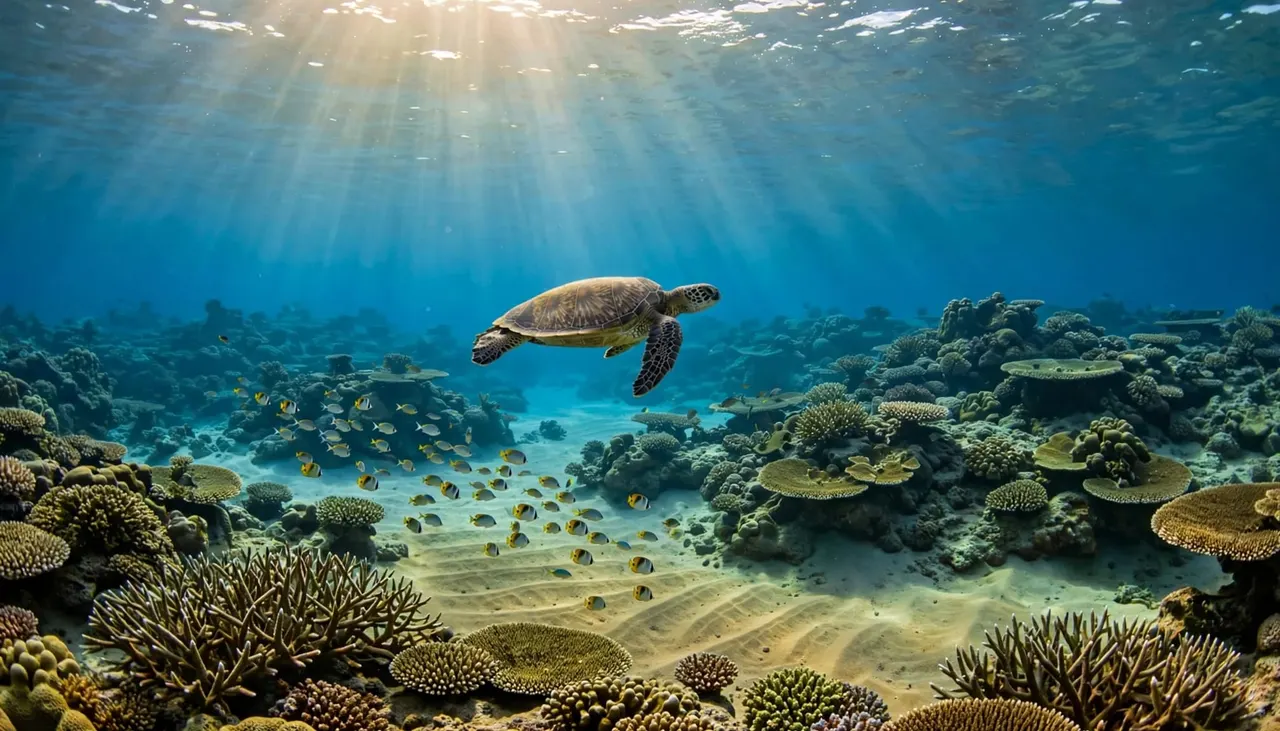
The reef lesson continues through the choices students make in the water. Calm movement gives them a better chance to observe animals while keeping the habitat undisturbed.
Leave Space Around Turtles
In Hawaii, NOAA recommends staying at least 10 feet away from sea turtles in the water and on land. Explain that students should never chase, touch, surround, or block a turtle.
If a turtle approaches, students should stay calm and give it room to pass. They can let the guide know what they’ve seen while remaining with their buddy. NOAA’s marine life viewing guidance gives the same distance recommendation for Hawaii.
Keep Hands and Fins Off Coral
Ask students to float above the reef with their fins clear of the bottom. Coral can be damaged by contact, including a kick from a fin or a hand placed on a coral head for balance. NOAA’s reef viewing guidelines advise against touching, kicking, or standing on coral.
If a mask needs adjusting, students should signal their guide and move away from the reef rather than stand on it. Remind them to keep cameras and other loose equipment close to their bodies. Feeding fish and collecting coral or animals don’t belong in the lesson.
Turn Observations Into a Class Discussion
After snorkeling Oahu’s reefs, give students time to share what they noticed. Start with descriptions instead of asking everyone to name a species. A student might remember a fish’s shape or where it swam without knowing its name.
Ask the group to compare observations. Did students see fish close to coral, over sand, or in open water? Did an animal stay in one place or move through the habitat? Students can then suggest explanations while recognizing that a short visit doesn’t reveal every reason behind an animal’s behavior.
Record What Students Saw
Back in class, invite each student to draw or write about one observation. Include the animal or habitat, its location, and the behavior witnessed. Students who stayed aboard can describe what they observed at the surface or what they learned from the guide and their classmates.
Keep a separate space for questions. An unfamiliar fish or an unclear interaction can lead to a useful discussion without forcing students to guess.
Connect the Lesson to Conservation
Ask students to describe one action they took to protect the reef. They might recall keeping their fins clear, allowing a turtle to pass, or staying with their buddy rather than following an animal.
You can also discuss why a hands-off visit matters. Responsible viewing leaves wildlife free to feed, rest, and move through its habitat while giving the next group a chance to observe it too.
Adapt the Lesson for Your Group
You can adjust the assignment without changing the safety expectations. For students who need a simpler task, ask them to notice one color, one movement, or one place where an animal spends time. Students ready for a longer discussion can compare observations and explain which ideas are supported by evidence.
Give chaperones the same observation prompt as the students. That way, adults can help students recall details after the swim without directing their attention away from safety in the water.
A reef lesson also works when conditions limit what you can see. Water clarity and wildlife activity vary, and the crew may adjust the plan. If students see fewer animals than expected, they can still discuss habitat, safe behavior, and the questions they’d like to investigate later.
Keep the trip welcoming for students who prefer to observe from the boat. Their participation can add a surface perspective to the group’s discussion, and it reinforces that each student can learn without feeling pressured to swim.
Bring the Reef Lesson Back to Class
A school reef outing is most useful when students arrive with a clear purpose and leave with something they can describe. Careful observation gives them a way to connect the excitement of snorkeling Oahu’s waters with what they’ve learned about habitats.
Above all, give your group a comfortable pace and a hands-off approach to wildlife. Your students can enjoy the reef while helping protect it for the next visit.


