
Snorkeling Oahu: Can You Snorkel Without Wearing Fins?
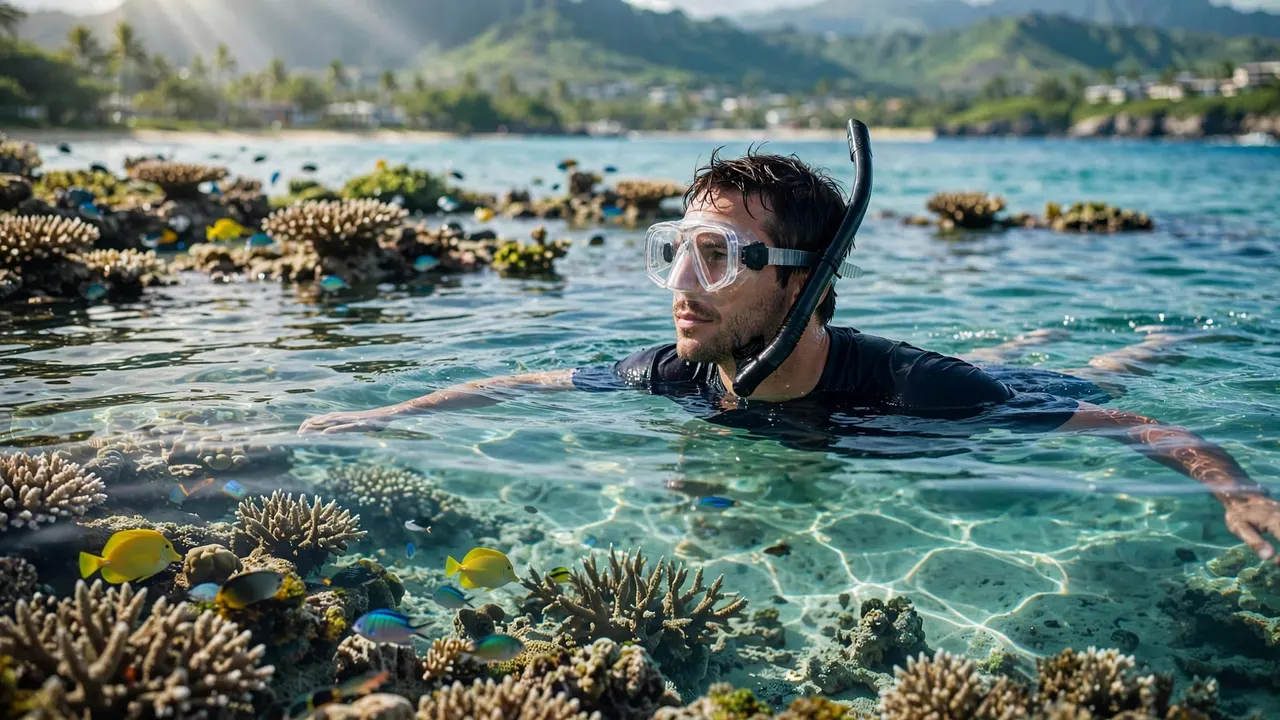
Yes, you can snorkel without fins in suitable conditions, but fins make swimming more efficient and give you better control in the water. For many people snorkeling Oahu’s reefs, they’re a useful safety aid, especially when swimming away from shore.
At Living Ocean Tours, we help guests get comfortable with their gear and the ocean before exploring with our professional snorkel guides. Whether you’re planning a boat trip or a beach day, your swimming ability and the conditions should guide your choice.
When Can You Snorkel Oahu Without Fins?
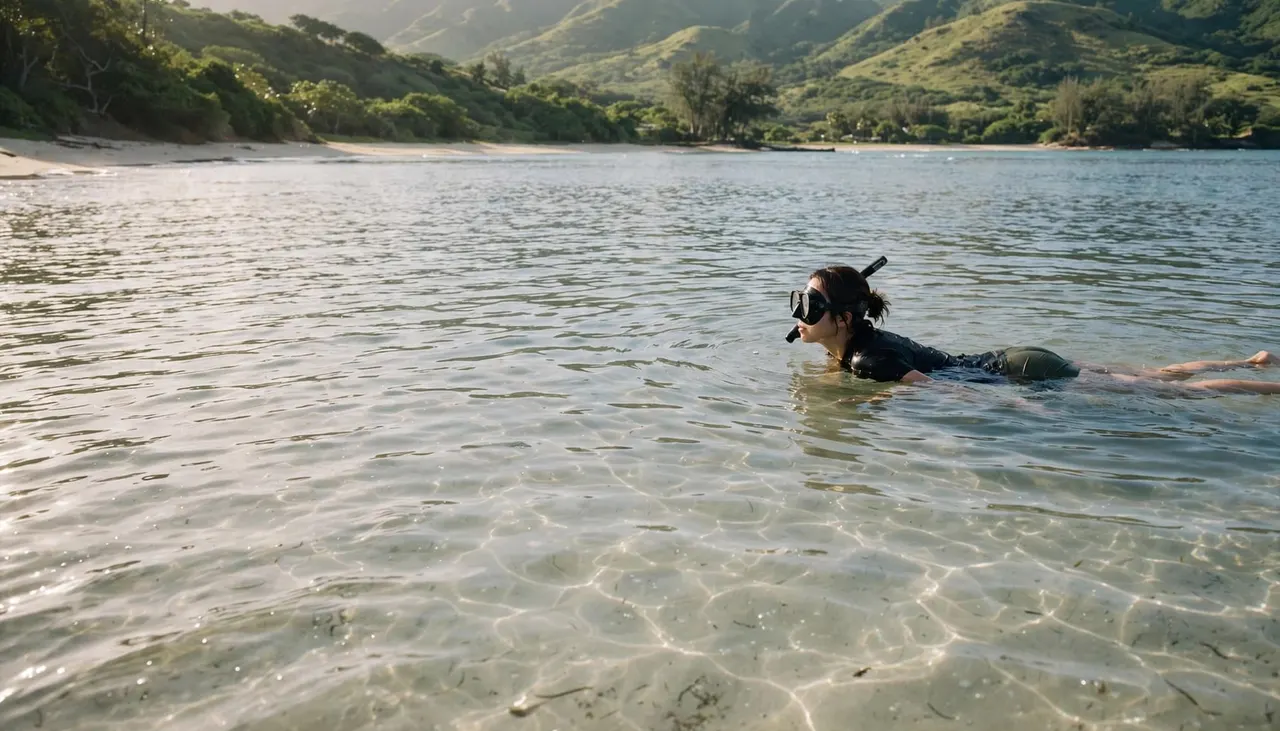
You can swim with a mask and snorkel without wearing fins. If you’re a confident swimmer, a short outing close to shore in calm, protected water may be manageable without them.
That doesn’t mean every shallow spot is a good place to leave them behind. Waves can break over a reef, currents can move through a bay, and a short swim can feel longer on the way back. Water that looks peaceful from the beach can still be demanding once you’re in it.
Hawaii Ocean Safety lists fins as standard snorkeling gear, along with a mask and snorkel. They help you move through the water with less effort than bare feet alone.
If you’re new to snorkeling, start with fins that fit comfortably and take time to practice. You can then focus on breathing, floating, and watching the reef instead of working harder to stay with your buddy.
What Fins Add to Your Snorkeling Experience
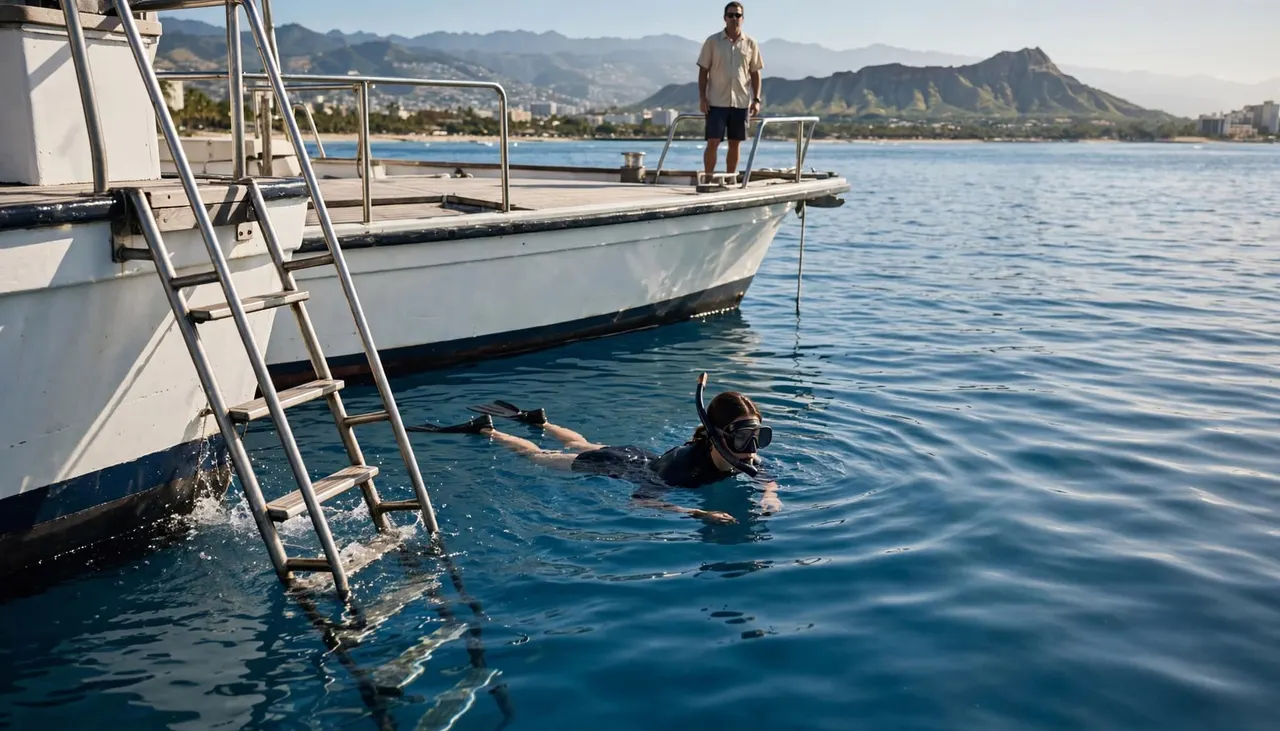
Fins give each kick more surface area, helping you move through the water without kicking as fast. That extra propulsion matters when you need to return to a boat or swim back toward shore.
More movement with less effort
Without fins, you may need to kick more often to cover the same distance. That can become tiring, especially if you’re also adjusting to a mask and breathing through a snorkel.
With a comfortable pair, you can use relaxed kicks and spend more time floating at the surface. Fins aren’t a guarantee against fatigue, though. If you’re tired, stop and signal your buddy or guide rather than trying to push through it.
Better control around the reef
When snorkeling Oahu’s reefs, you need room to move without brushing coral or other marine life. Fins can help you adjust your position and swim away from a reef when needed.
Keep your kicks controlled and watch where your feet are. Long, forceful kicks near the bottom can still make contact with coral, even when your intentions are good.
Choose Conditions That Match Your Ability
Your comfort in a swimming pool doesn’t automatically translate to open water. Before snorkeling Oahu’s shoreline, consider how waves, visibility, and distance could affect your return.
Start close to an easy exit
A protected area with calm water and a clear way back to shore is a better starting point than an exposed coast. Stay close enough that you can return without feeling rushed, and snorkel with a buddy who can stay near you.
Watch the water before entering. Waves, surge, or water moving around rocks can make getting in and out difficult. A sandy area can provide a place to stand if conditions allow, but you shouldn’t stand on coral.
Treat changing conditions seriously
A familiar beach isn’t always calm. Oahu’s North Shore, for example, can experience powerful winter surf, making areas such as Shark’s Cove unsuitable for snorkeling when conditions are rough.
Review the surf and weather forecast before you go, and pay attention to posted warnings and lifeguard guidance. If conditions look beyond your ability, choose another activity. A guided outing also depends on the ocean, so follow your crew’s instructions about where to swim.
Make a Safety Plan Before You Get In
Snorkeling without fins gives you less help with propulsion, so a conservative plan matters. Keep your outing short, stay with your buddy, and agree on a clear return point before entering.
Practice breathing and communication
Adjust your mask and practice breathing slowly through the snorkel in a suitable, supervised setting. Make sure you know how to remove the mouthpiece and lift your face out of the water if water enters the tube.
Agree on a signal for getting attention. If you’re with a guide, listen to the briefing and stay inside the swimming area the crew identifies. You should be able to get help without needing to swim a long distance.
Know when to stop
Return or signal for assistance if you feel tired, short of breath, cold, or uncomfortable. If you need a moment, lift your face from the water and float on your back if you can do so comfortably.
A flotation device can help you rest at the surface, but it doesn’t replace swimming ability or supervision. If someone is in distress, alert a lifeguard or crew member. Call 911 when emergency help is needed.
Find Fins and Gear That Feel Comfortable
You might want to skip fins because a rental pair pinches or makes your legs feel awkward. Often, a better fit or a different fin style makes the experience more comfortable.
Get the right fit
Fins should feel snug without painful pressure. A loose fin can slip off, while one that’s too tight may rub or make your foot cramp. Hawaii Ocean Safety’s snorkeling guidance recommends a snug fit and a snorkel tube free of obstructions.
Tell your guide if your fins hurt before you enter. You may be able to try another size. Once you’re swimming, use gentle kicks from your hips rather than rapid, bicycle-like movements.
Understand what alternatives can do
Water shoes can protect your feet when walking over suitable surfaces, but they don’t provide the same propulsion as fins. They also don’t give you permission to stand on or walk across coral.
A flotation vest can support you at the surface and make resting easier. It won’t move you through the water, though, so consider how you’ll return if you become tired or the conditions change.
Give Turtles and Coral Plenty of Space
One of the rewards of snorkeling Oahu waters is seeing marine life in its natural habitat. Your job is to watch without interfering.
NOAA recommends staying at least 10 feet from sea turtles in Hawaii, both in the water and on land. Don’t chase, touch, feed, or block a turtle. If one approaches you, give it space and move away calmly.
Keep your body and equipment clear of coral, too. Touching coral can damage its protective outer layer, according to NOAA’s reef-viewing guidance.
If the water is too shallow to float without contacting the reef, move back toward deeper water or a clear sandy area. Good fin control helps, but careful positioning matters with or without fins.
Explore Waikiki With Our Snorkel Guides
If you’d like support while snorkeling Oahu, our trips depart from Kewalo Basin Boat Harbor near Waikiki. At Living Ocean Tours, our professional snorkel guides join guests in the water and can help with equipment and questions about swimming boundaries.
Our boats have shaded seating, restrooms, and ladders for getting in and out of the water. Guided support doesn’t remove ocean risks, so tell our crew about your swimming confidence or any concerns before you enter.
You can browse our Honolulu ocean tour options for a trip that fits your plans.
Visit the Turtle Canyons cleaning station
Our Turtle Canyon Snorkeling Adventure takes you to a natural turtle-cleaning station off Waikiki. The two-hour trip includes about one hour of snorkeling time, along with gear and guidance. The listed price is $79.
Turtle sightings aren’t guaranteed, but our snorkeling trips have about a 95% success rate for finding Hawaiian green sea turtles. You can CHECK AVAILABILITY for the Turtle Canyon trip.
Add a waterslide to your outing
Our Deluxe Waikiki Snorkeling and Wildlife Cruise combines reef time with a boat-mounted waterslide, water trampoline, and floating lily pad. The listed price is $79, making it an option for families who want time in and around the water.
You can CHECK AVAILABILITY for the deluxe cruise and talk with our crew about your gear before you swim.
Key Takeaways for Your Snorkel Day
- You can snorkel without fins, but a comfortable pair helps you swim more efficiently.
- Choose conditions that match your ability, stay near your buddy, and plan an easy return.
- Flotation can help you rest, but it doesn’t replace swimming skills or supervision.
- Give sea turtles at least 10 feet of space and keep clear of coral.
Frequently Asked Questions
Are fins necessary for beginners?
Fins are useful for beginners because they help you move with less effort. They’re also part of the standard gear recommended by Hawaii Ocean Safety. Practice with a comfortable pair in an appropriate setting before heading farther out.
Can children snorkel without fins?
A child who can swim may be able to snorkel without fins in suitable shallow conditions, but an adult should remain close and attentive. Fins that fit can make swimming easier. Choose the outing around the child’s ability, comfort, and the day’s conditions.
Can you snorkel with only water shoes?
You can wear water shoes, but they won’t help you swim the way fins do. If you leave fins behind, stay within an easy return distance and avoid conditions that demand strong swimming.
Can you wear a flotation vest instead of fins?
You can use a flotation vest without fins, but the two pieces of equipment do different jobs. A vest helps support you at the surface; fins help you move. Neither replaces a buddy or makes unsafe conditions suitable.
Choose Comfort Without Overlooking Safety
Snorkeling without fins is possible, but your decision should fit your swimming ability and the water you enter. For many snorkelers, well-fitting fins make the experience more comfortable and leave more energy for the return.
Give yourself time to practice, stay close to your buddy, and keep your distance from wildlife. With a thoughtful plan, you can enjoy the reef while respecting the ocean around you.


