
Snorkeling Oahu: Why Reef Fish Change Color
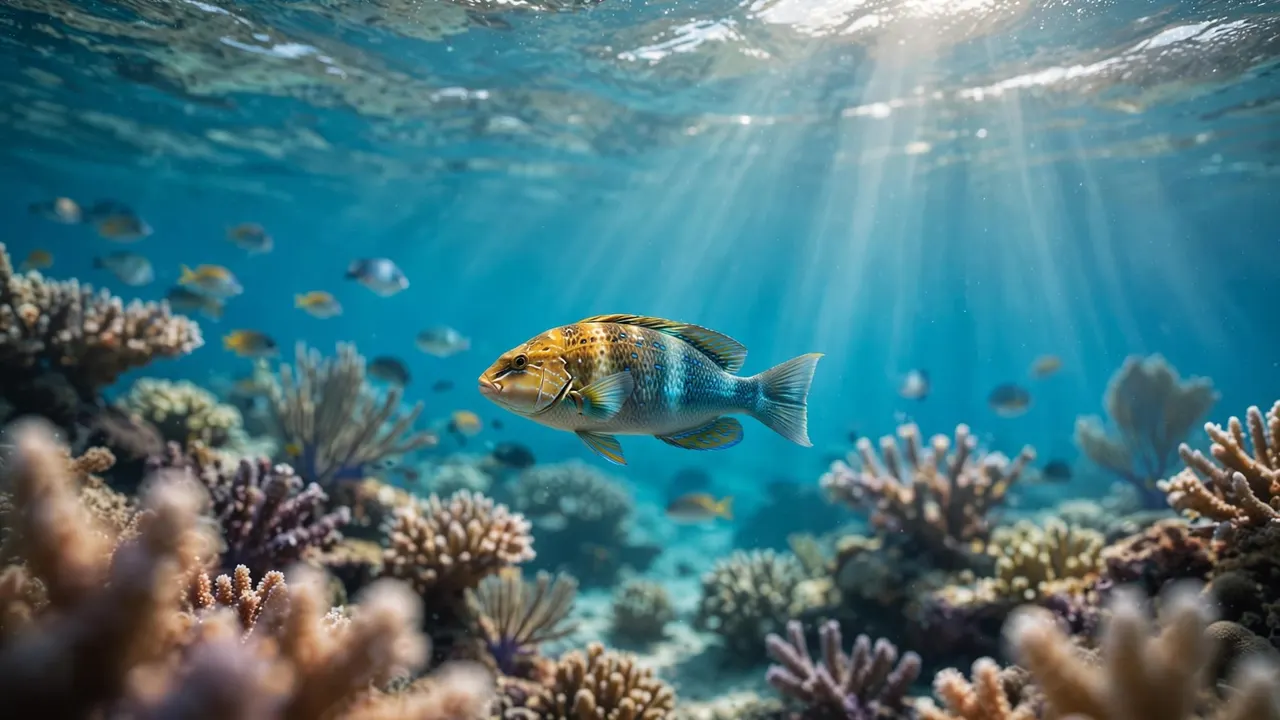
Reef fish can look different during the day because some change their coloration, while others appear different as light, water, and viewing angles change. When you’re snorkeling Oahu reefs, telling those possibilities apart makes a colorful encounter even more interesting.
At Living Ocean Tours, we love helping you take a closer look at the life beneath the surface. You don’t need to identify every fish or understand every pattern to enjoy the view. Start by noticing what changes and what stays the same.
Key Takeaways
- Some fish can change their appearance by moving pigment within specialized skin cells called chromatophores.
- Color changes can help with background matching or communication, but you can’t determine a fish’s reason for changing color from a brief sighting.
- Light, water clarity, depth, and your viewing angle can make a fish look different without any change in its skin.
- Shape, markings, and movement can help you recognize a fish when its apparent color is hard to judge.
- A comfortable float and a respectful distance give you time to observe without disturbing the reef.
Why Reef Fish Can Change Color

A fish’s color comes from structures in its skin that produce, contain, or reflect color. In some species, those structures can change how the fish looks over a relatively short period.
Pigment Cells Adjust the Pattern
Many fish have specialized cells called chromatophores. Pigment within some of these cells can become more concentrated or spread out, changing the appearance of the skin.
For example, when dark pigment spreads through certain cells, a patch can look darker. When that pigment gathers into a smaller area, the patch can appear lighter. The change happens within the existing cells, rather than requiring the fish to grow a new pattern.
You can read more about how these cells work in Coral Digest’s explanation of chromatophores.
Different Fish Have Different Abilities
Color change isn’t equally dramatic across all fish. Some shifts are easy to notice, while others are subtle. A fish may also have markings that remain recognizable even when its overall appearance changes.
The nervous system and hormones can play roles in regulating these changes. The mechanism depends on the animal and the situation, so there’s no single rule that describes every reef fish you might see.
When you’re snorkeling Oahu waters, a changing patch is an invitation to observe. It isn’t enough on its own to identify the species or explain its behavior.
What Color Changes Can Do for a Fish
Color can help a fish interact with its surroundings and with other animals. A review of rapid color change describes background matching and signaling among its functions.
Blending With a Background
A reef has bright sand, darker rock, coral surfaces, and shaded spaces. Against that varied setting, a change in brightness or pattern can affect how easily a fish stands out.
Background matching is one possible use of color change. Still, a fish doesn’t need to change color to become harder to see. It may move behind coral, enter a shaded area, or pass in front of a surface that resembles its existing markings.
Notice the difference between a fish changing its appearance and a fish changing its position. Both can alter what you see, but they aren’t the same event.
Communicating With Other Fish
Color can also be part of communication. A change may accompany an interaction with another fish, although the meaning depends on the species and context.
If you see two fish approach and one becomes more conspicuous, describe what happened before assigning a cause. You may have seen a display, a response to the surroundings, or a change in lighting.
A color shift can be a clue to fish behavior, but it doesn’t reveal a fish’s intentions by itself.
Watching without chasing gives you a better chance to notice what happens next.
How Light Changes Your View Underwater

Even when a fish’s skin stays the same, its appearance can change as the conditions around you change. Keep these visual effects in mind while snorkeling Oahu.
Sunlight, Shade, and Surface Ripples
Sunlight moves across the reef as water ripples above it. A fish passing between a bright patch and a shaded ledge can look lighter or darker within moments.
Cloud cover can change the scene too. So can the angle between the sun, the fish, and your mask. A reflective surface may flash when it turns toward the light, then appear less bright as the animal turns away.
Those changes can be fascinating to watch, but a brief flash doesn’t prove the fish altered its pigment.
Depth, Distance, and Water Clarity
Water absorbs different wavelengths of light at different rates. Red light is lost more quickly than blue light, so colors can look different as light travels through more water.
Distance matters as well. A fish close to the surface and near your mask may look clearer than one farther away. Suspended particles can reduce contrast, making details harder to distinguish.
You don’t need to dive closer to compensate. Instead, let fish move through your field of view. One may pass through a brighter area where its markings become easier to see.
Look Beyond Color to Recognize Reef Fish
Color is often the first detail you notice, but it works best alongside other clues. A fish’s outline, markings, and location can help you remember it after the encounter.
Start With Shape and Markings
A yellow tang has a flattened, oval body and a recognizable yellow appearance. Butterflyfish often have thin, disk-like bodies, pointed mouths, and contrasting markings. Hawaii’s state fish, the humuhumunukunukuāpuaʻa, has the more angular profile of a triggerfish.
Rather than relying on color alone, look for an eye stripe, a pointed snout, or the shape of a tail. A detail that remains visible in both shade and sunlight can be especially useful.
You may also notice Moorish idols, with their bold bands and long dorsal filament, or parrotfish with beak-like mouths. Sightings vary, so let the reef surprise you.
Notice Where the Fish Travels
Position adds context. One fish may stay close to the reef surface while another crosses open water above it. Some move through a sandy gap, disappear behind a coral head, and return to view.
When snorkeling Oahu, choose one small area and watch for 20 to 30 seconds. That pause is an observation exercise, not a scientific measurement. It gives you time to notice details that a quick swim past might miss.
You don’t have to follow a fish to learn something about it. Watching its path from the surface can reveal more than a hurried close-up.
A Simple Way to Watch for Changes
If a fish catches your eye, begin with a description you could share with your snorkel buddy. Note its body shape, the strongest markings you can see, and whether it’s over sand or beside reef.
Next, watch the background. If the fish passes from a shaded area into sunlight, consider whether the whole scene brightened along with it. If it turns, notice whether its apparent color changes with the angle of its body.
You can also compare a fish against different surroundings. A patterned body may stand out against blue water but be harder to separate from a busy reef surface. That change in visibility doesn’t necessarily mean the fish changed color.
Photos can help you remember an encounter, but cameras affect the view too. Automatic settings and later edits can alter brightness and color. Keep the original image if you want to compare it with what you remember seeing through your mask.
How to Observe Reef Fish Responsibly

A steady surface position protects the reef and gives you a better chance to see natural activity. While snorkeling Oahu, leave plenty of clearance between your fins and the bottom.
Give Wildlife Room
Don’t touch, feed, chase, or surround fish. If an animal moves away as you approach, let it go and give it more space. Never reach into a crevice or move reef material to reveal a hidden animal.
Hawaiian green sea turtles need room too. Stay at least 10 feet away, and give a turtle a clear path if it swims toward you.
Coral is living habitat, so avoid standing on it or using it for support. If you need to adjust gear, choose a suitable area over sand or return to the boat.
Keep Your Group Comfortable
Snorkel with a buddy and stay aware of your guide and group. If your mask leaks or you feel tired, take a break before continuing. Flotation support can help you settle into a relaxed position.
For children, turn the swim into a simple observation activity. Ask them to notice a fish’s shape and where it goes, then point from the surface rather than reaching toward it.
Conditions and wildlife sightings vary. A safe, comfortable view is worth more than getting close to any particular fish.
Explore Waikiki With Our Snorkel Guides
Our snorkeling trips leave from Kewalo Basin Boat Harbor near Waikiki. We provide equipment support and guidance, so you can focus on getting comfortable and watching the reef.
At Living Ocean Tours, we’re the only Oahu tour company with professional snorkel guides in the water with guests. Our snorkeling tours welcome beginners as well as experienced swimmers.
Our Deluxe Waikiki Snorkeling and Wildlife Cruise combines reef time with a boat-mounted water slide, water trampoline, and floating lily pad. You can watch for fish, take a break aboard, and enjoy the water at your own pace. For a family reef outing, CHECK AVAILABILITY.
Frequently Asked Questions
Does Every Reef Fish Change Color?
No. Color-changing abilities differ among fish, and some changes are more noticeable than others. A difference in what you see can also come from light, distance, or the fish’s position.
Can You Identify a Fish by Color Alone?
Color is a helpful starting point, but it isn’t always enough. Look at the fish’s body shape, markings, and location as well. Your guide can help you identify what you see.
Do You Need to Dive Down to See Fish Colors?
No. You can observe plenty while floating at the surface. Staying comfortable and leaving room above the reef also helps protect coral and wildlife.
Take a Slower Look at the Reef
A fish that seems to change color may be revealing a biological ability, or you may be seeing the effects of light and water. Both are part of what makes snorkeling Oahu rewarding.
Give yourself time to watch. With a comfortable float and a little patience, you’ll notice details that are easy to miss on your first pass.


