
Snorkeling Oahu: Identify Hawaiian Monk Seals Safely
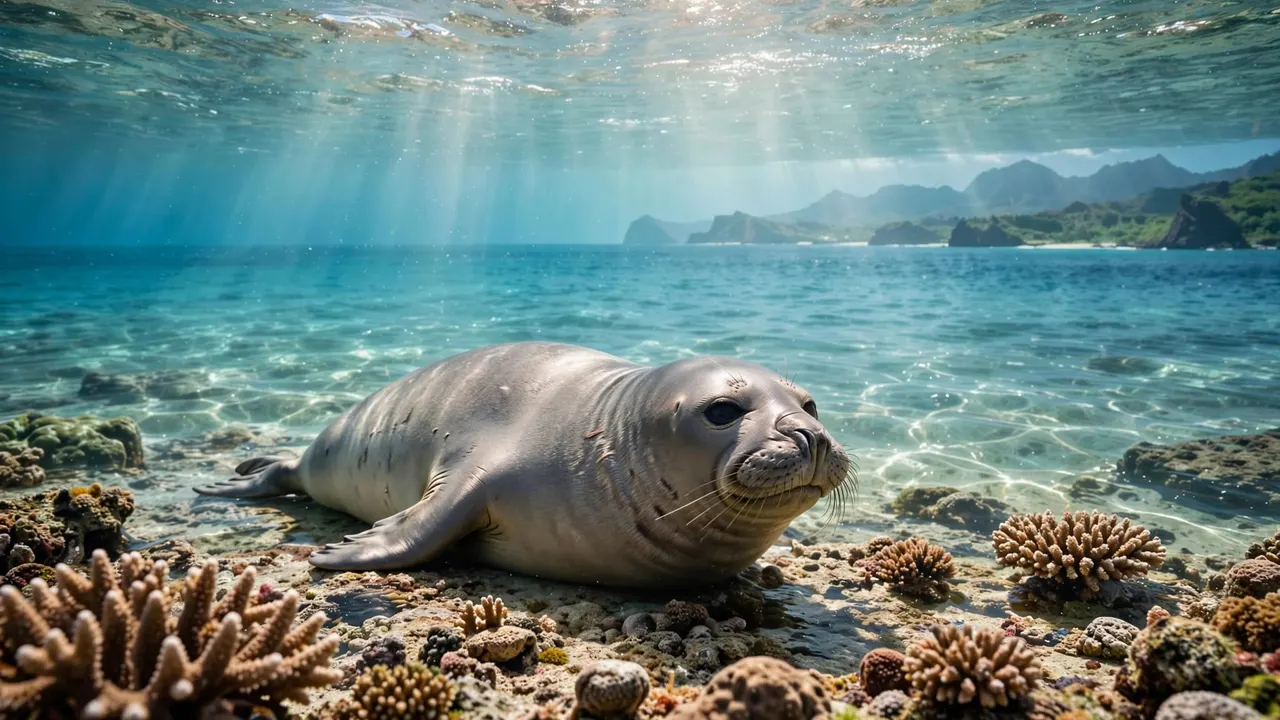
You can recognize a Hawaiian monk seal by its rounded body, short front flippers, and lack of external ear flaps. If you spot one while snorkeling Oahu waters, give it plenty of space and enjoy the sighting from a distance.
At Living Ocean Tours, our professional snorkel guides share that observe, don’t touch approach with guests. A little preparation helps you recognize a seal without interrupting its natural behavior.
Key Takeaways for a Safe Monk Seal Sighting
- Look for a streamlined seal with a rounded head, visible ear openings, and no external ear flaps. Coat color can vary.
- Stay at least 50 feet away from an individual seal and at least 150 feet away from a mother and pup.
- If a seal approaches you, move away calmly and cautiously leave the water.
- Report sightings or concerns to the NOAA Marine Wildlife Hotline at 1-888-256-9840.
How to Recognize a Hawaiian Monk Seal

The Hawaiian monk seal is an endangered marine mammal found only in Hawaiian waters. Its Hawaiian name, ‘ilio-holo-i-ka-uaua, translates to “dog that runs in rough water.”
You might see one swimming near a reef or resting on a beach. When you’re snorkeling Oahu’s reefs, use its overall shape to make an identification without swimming closer.
Look at the Body and Flippers
An adult monk seal has a robust, streamlined body and a rounded head. NOAA describes adults as approximately 6 to 7 feet long and weighing 400 to 600 pounds.
Look for short front flippers and rear flippers that extend behind the body. Monk seals have small ear openings rather than the external ear flaps you might associate with a sea lion. A seal’s whiskered face can also help distinguish it from a sea turtle, which has a shell and a beak.
Underwater visibility can make details hard to see. If you can’t identify the animal confidently, give it the same generous space you would give a monk seal.
Don’t Rely on Color Alone
Many older seals appear gray or brown on top, with a lighter underside. Their coats can also look different during a molt or when algae grows on their fur. Newborn pups have black coats.
You may notice scars or pale marks, but those aren’t features you need to identify the species. A distant look at the body and flippers is more useful than trying to inspect individual markings.
How Much Space Should You Give a Monk Seal?

NOAA’s Hawaii marine wildlife guidance recommends staying at least 50 feet from an individual Hawaiian monk seal, both on land and in the water. Give a mother and pup at least 150 feet.
These are viewing recommendations, not permission to disturb an animal at a particular distance. If a seal reacts to you, you need to move farther away.
Give Mothers and Pups Extra Room
A mother seal may nurse and protect her pup near shore. Keep at least 150 feet away from the pair, and avoid swimming in their area. Choose another place to enter the water if they occupy your planned route.
On a family beach day, tell children to stay beside an adult and watch from a distance. A pup may be appealing, but neither children nor adults should approach, touch, or attempt to play with it.
Choose More Distance When You Can
NOAA’s general marine wildlife guidelines recommend at least 50 yards, or 150 feet, from seals as a rule of thumb. When you have room, that larger buffer gives the animal more space to rest or travel.
Keep your group together rather than spreading out around a seal. That leaves the animal an open path and makes it easier for everyone to maintain a respectful distance.
What to Do if a Seal Approaches You
A monk seal can appear unexpectedly while you’re snorkeling Oahu waters. You don’t have to identify every detail before responding. Stop moving toward it, stay calm, and give it room.
If the seal swims closer, move away without chasing, splashing, or trying to interact. Cautiously exit the water. Let your buddy and guide know what you’ve seen so they can give the animal space, too.
Never reach out to touch a seal, even if it comes close enough. Don’t offer food, attempt to swim alongside it, or block its route. An animal that changes direction toward you is still a wild animal, and its next movement can be unpredictable.
A good wildlife encounter leaves the seal free to choose where it goes. Your best view may be the one you enjoy while moving away.
Once you’re safely out of the water, watch from shore if you can maintain the recommended distance. You can also report the sighting to the marine wildlife hotline.
Seeing a Monk Seal Resting on the Beach
Monk seals spend time on land to rest. A seal lying on the sand isn’t necessarily stranded or in need of help, so leave it where it is and keep the area quiet.
Respect Signs and Barriers
If you see a rope, sign, or volunteer marking a resting area, stay outside the boundary. Continue to leave the seal plenty of room even when no barrier is present.
Give the animal a clear route between the beach and the ocean. Don’t gather around it for a photo, and keep dogs leashed and well away. A phone’s zoom lets you capture a memory without making a close approach.
You can also help other beachgoers by calmly sharing the recommended distance. Avoid creating a crowd around the animal, even if everyone wants to see it.
Know When to Call for Help
A resting seal may look motionless for a while. Don’t pour water on it, cover it, move it, or try to return it to the ocean.
If you notice an injury, entanglement, or people disturbing the seal, keep your distance and call the NOAA Marine Wildlife Hotline at 1-888-256-9840. Trained responders can assess the situation. For suspected harassment or other illegal activity, call NOAA’s enforcement hotline at 1-800-853-1964.
Report Your Sighting Without Disturbing the Animal
You can report a healthy Hawaiian monk seal as well as one that appears injured. A sighting report helps wildlife staff track seals while leaving the animals in their habitat.
When you call 1-888-256-9840, share the location, approximate time, and what you observed. If you noticed a pup, a visible injury, or fishing line, describe it from your safe viewing position. A photo taken from a distance may help, but don’t approach to get one.
Federal and Hawaii state laws protect Hawaiian monk seals. Harassment, feeding, and harming them are prohibited. NOAA’s monk seal protection guidance explains how people can help prevent disturbance.
If you’re unsure whether a situation needs a response, leave the seal alone and make the call. You don’t need to diagnose an injury or intervene yourself.
Prepare for a Safer Snorkel
A responsible wildlife encounter starts before you enter the water. When you’re snorkeling Oahu’s coastline, your own comfort and awareness make it easier to give animals and coral the space they need.
Choose Conditions That Match Your Ability
Snorkel with a buddy and stay close enough to communicate. Before entering from shore, identify a safe exit and pay attention to waves, wind, currents, and other ocean users.
North Shore winter swells can make areas unsafe for snorkeling. If surf is breaking across your entry point or the water is beyond your ability, stay on shore. Calm-looking water can still have currents, so remain aware of where you are and how you’ll return.
On a boat, listen to the crew’s briefing and stay within the designated swimming area. Tell a guide if you’re uncomfortable or need help.
Protect the Reef While You Watch
Fit your mask before entering and practice breathing through your snorkel in a suitable supervised area. Use flotation if you need support, while remembering that it doesn’t replace swimming ability.
Keep your fins above coral and avoid standing on the reef. If you need to adjust your gear, move to open water or ask your guide for assistance. A rash guard can reduce the amount of sunscreen you need on covered skin. Mineral-based sunscreen is an option for exposed skin, although a “reef-safe” label doesn’t guarantee zero environmental impact.
Explore Waikiki With Our Snorkel Guides
If you’re looking for a guided day snorkeling Oahu, our Deluxe Waikiki Snorkeling and Wildlife Cruise departs from Kewalo Basin Boat Harbor near Waikiki. Our professional snorkel guides help beginners get comfortable with their gear and share how to observe marine life respectfully.
The cruise visits a reef and includes a boat-mounted water slide, a water trampoline, and a floating lily pad. The listed price is $79. Wildlife sightings vary, and a monk seal encounter isn’t guaranteed.
Explore our guided Waikiki snorkeling tours, or CHECK AVAILABILITY for the deluxe cruise.
You can also browse availability across our Living Ocean Tours experiences.
Hawaiian Monk Seal FAQs
Can you swim with a Hawaiian monk seal?
You should not seek out a monk seal to swim with it. If you encounter one while snorkeling Oahu waters, give it at least 50 feet and more room whenever possible. If it approaches, move away and cautiously leave the water.
Are monk seals dangerous?
Monk seals are wild animals and can bite. Mothers can be protective of their pups, which is one reason you should stay at least 150 feet from a mother and pup. Give every seal an unobstructed route and never attempt contact.
What if a seal looks injured?
Stay back and call 1-888-256-9840. Describe what you can see without approaching. Don’t touch the animal or attempt to remove fishing gear.
Make Space for a Memorable Sighting
Recognizing a Hawaiian monk seal adds something special to your time in Oahu’s water. Its rounded body and short flippers can help you identify it, even when its coat color varies.
Your most important response is to give it space. Watch from a distance, move away if it approaches, and let the seal continue on its own terms.


