
Snorkeling Oahu: How to Recognize Common Hawaiian Coral Species
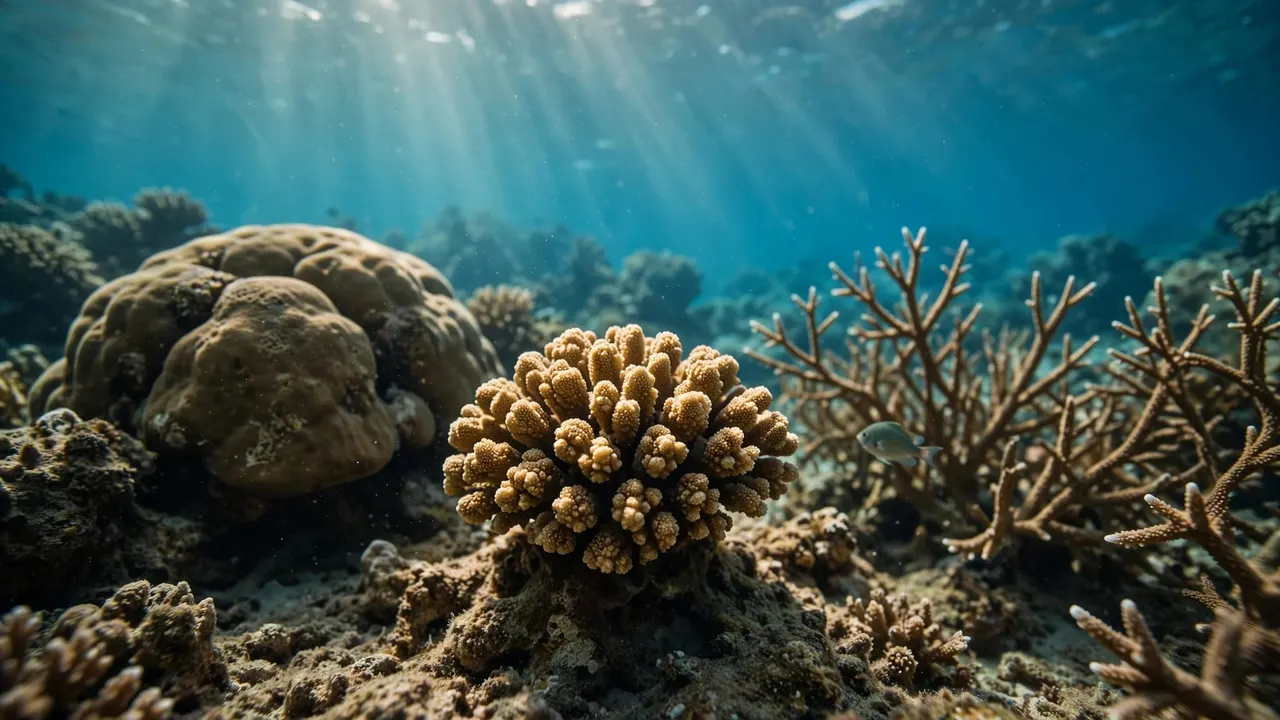
You can recognize common Hawaiian corals by comparing their overall shape, branching pattern, and surface texture. When you’re snorkeling Oahu’s reefs, those clues are more useful than color alone.
At Living Ocean Tours, our Oahu snorkeling and ocean tours introduce you to reef communities through respectful observation. You don’t need a biology background to notice the differences between a compact cauliflower-shaped colony and a broad, rounded mound.
Start with a few recognizable forms, then give yourself time to see the details without moving closer to the reef.
Key Takeaways for Your Coral Search
- Start with the colony’s shape, then compare its branches and surface texture.
- Learn cauliflower coral, rice coral, and lobe coral first, while remembering that growth forms can vary.
- Brown, tan, and golden colors are common on living Hawaiian corals; brightness alone doesn’t reveal reef health.
- Float clear of the reef, control your fins, and leave coral fragments where you find them.
A likely identification is enough to make your swim more interesting. You never need to touch a colony to settle its name.
What to Notice While Snorkeling Oahu
Read the whole colony first
Before studying small details, notice the coral’s outline. Does it form a rounded mound, a cluster of branches, or a broad surface spreading across rock?
A coral colony contains many tiny animals called polyps. Together, reef-building coral polyps produce the hard skeleton that gives a colony its structure. However, the individual polyps may be difficult to distinguish while you float above them.
Look at several neighboring colonies rather than treating one unusual shape as your reference. Water movement, light, and available growing space can affect a colony’s appearance. A broken branch can also change its outline without revealing its identity.
Compare texture without approaching
Next, notice whether the surface looks knobby, finely textured, or relatively smooth. Keep your body horizontal and let your eyes adjust to the underwater scene.
Small skeletal cups, called corallites, hold individual polyps. Their arrangement helps specialists identify corals, but you shouldn’t expect to resolve every feature through a moving snorkel mask.
NOAA’s Hawaii Coral Reef Initiative report describes how genetic analysis improves records of reef species. Your surface observations can suggest an identification without settling every species question.
If the details remain unclear, remember the broader form and keep enjoying the reef.
Branching Corals: Cauliflower and Rice
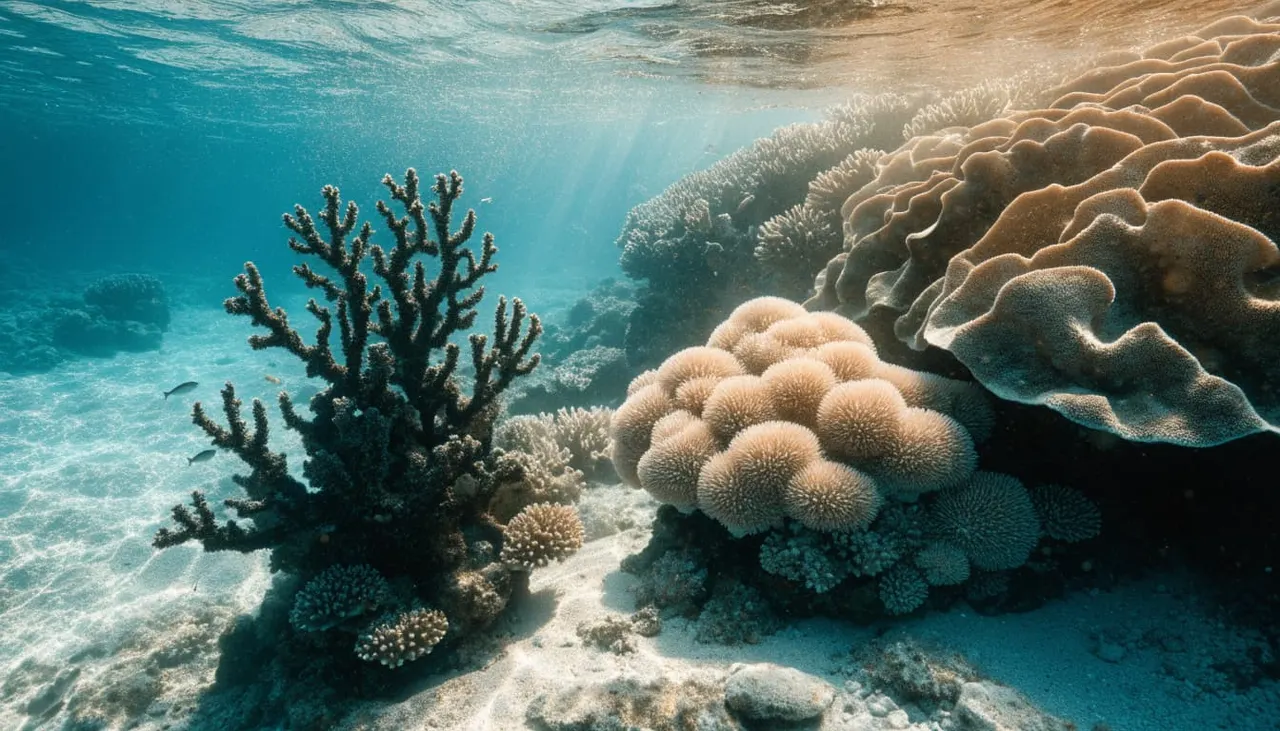
You’ll often compare rice coral and cauliflower coral because both can form branching colonies. However, their overall proportions and surface patterns offer useful differences.
Cauliflower coral: compact, chunky branches
Cauliflower coral, Pocillopora meandrina, commonly forms a compact, bushy colony with stout branches. Its clustered outline resembles a cauliflower head, which makes the common name easy to remember.
Look for blunt branch ends and a knobby surface. Compared with delicate branching forms, a cauliflower colony often looks dense and sturdy.
While snorkeling Oahu’s reefs, view the colony from your existing position rather than swimming down for a closer look. The broad outline may be easier to recognize from above than individual surface features.
Still, a cauliflower-like silhouette is a starting clue, not a guarantee. Other branching corals can look similar through glare or moving water.
Rice coral: branching and spreading forms
Rice coral, Montipora capitata, can grow in branching, plate-like, and encrusting forms. That variety makes it less predictable than its common name suggests.
Its surface has a fine, grainy appearance. Some colonies develop narrower branches, while others spread outward across the underlying reef.
Compare the branch thickness and overall growth pattern with nearby cauliflower coral. Rice coral doesn’t always form the same compact, chunky cluster.
Because one species can take several forms, avoid assigning a different name to every change in shape. Recognizing that flexibility is part of learning coral identification.
Lobe Coral and Similar Rounded Growth Forms
Look for broad, rounded lobes
Lobe coral is another useful coral to learn. Instead of a tight bush of short branches, look for a substantial mound with rounded, bulging sections.
Those rounded lobes give the colony its familiar name. From snorkeling distance, its surface can appear less knobby than cauliflower coral, although it still has fine skeletal texture.
Study the colony’s outline against the surrounding reef. A broad, uneven mound with rounded projections gives you a stronger starting clue than its brown or yellowish coloration.
However, rounded growth alone doesn’t confirm identity. Several corals form mounds, and the viewing distance can hide important differences. Keep your identification tentative when the surface remains indistinct.
Allow for changes within one colony
A colony doesn’t have to resemble a perfect field-guide illustration. Its exposed side may look different from a shaded or crowded edge.
You might notice a broad central mound with smaller lobes around its margins. Elsewhere, neighboring colonies can overlap visually and seem like one large formation.
Follow the visible outline without swimming into narrow gaps or reaching toward the surface. If you can’t tell where one colony ends, describe what you can see: rounded lobes, broad mound, fine texture.
That description remains useful even when you leave the species unnamed.
Coral Color: What Brown, Gold, and White Can Tell You
When you’re snorkeling Oahu, healthy-looking coral may appear brown, tan, or golden rather than neon pink or electric blue. Those understated colors are a normal part of Hawaiian reef scenery.
Microscopic symbiotic algae, commonly called zooxanthellae, contribute much of that coloration. They live within coral tissue and use sunlight to produce energy. Coral pigments also influence what you see.
However, color alone isn’t a diagnosis. Depth, reflected sunlight, surface glare, and viewing angle can change a colony’s apparent shade.
Bleaching occurs when coral loses much of its symbiotic algae or their pigments, allowing its pale skeleton to show through. Yet a white patch viewed briefly from the surface doesn’t establish bleaching by itself.
Exposed skeleton, pale growing areas, and changes in lighting can complicate your interpretation. Also, bleached coral isn’t automatically dead, although bleaching places it under serious stress.
A coral’s shape helps you narrow its identity; a single glimpse of its color doesn’t establish its health.
Underwater photographs can also mislead your expectations. Camera settings and editing may produce colors that differ from your daytime view. Look for natural patterns instead of measuring the reef against an intensely saturated image.
Observe Coral Without Becoming Part of the Problem
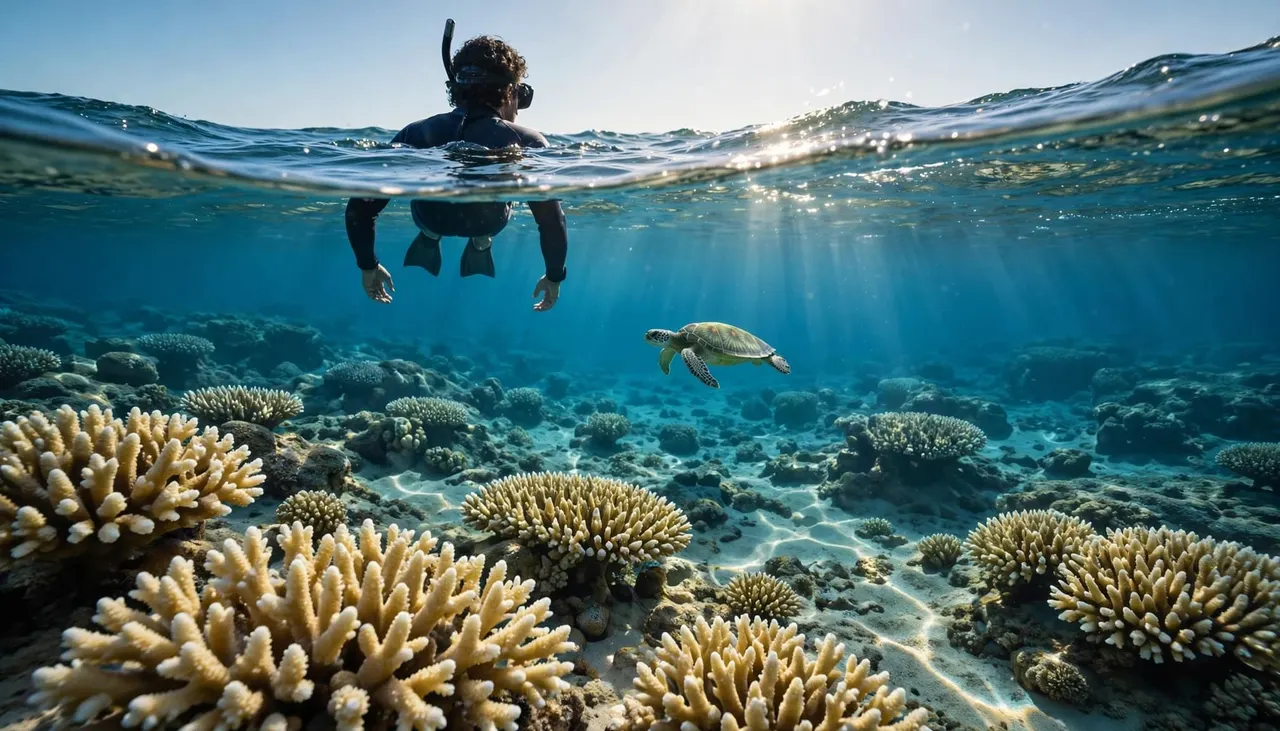
Steady floating gives you time to recognize coral while keeping your body clear of it. You don’t need to dive toward a colony to appreciate its shape.
Keep your fins behind you and avoid dropping into a vertical position above shallow coral. Fin tips can strike the reef even when your feet feel far away.
If your mask needs attention, move into clear water and follow your guide’s directions. Use flotation support rather than reaching for the bottom. Coral shouldn’t become a handhold or a place to stand.
For families, explain this before entering the water. Children can enjoy spotting rounded mounds and branching colonies without collecting anything or chasing wildlife.
Leave loose coral fragments where they lie, too. A detached piece remains part of the reef environment, and picking it up doesn’t provide a useful identification record.
Sun protection also deserves care. A rash guard reduces the amount of exposed skin needing sunscreen, while a “reef-safe” label doesn’t guarantee zero environmental impact.
Finally, stay with your buddy and within your swimming comfort. If current, waves, or fatigue interrupt your observation, signal for help or end the swim. A coral identification is never worth losing track of your surroundings.
Explore Waikiki With Our Professional Snorkel Guides
If you’re snorkeling Oahu for the first time, equipment support helps you concentrate on the reef. At Living Ocean Tours, we’re Oahu’s only tour company with professional snorkel guides.
Our trips depart from Kewalo Basin Boat Harbor near Waikiki. Before entering, tell our crew about your swimming confidence and any concerns about your mask or flotation.
With our guided snorkeling tours, you receive gear, instruction, and support for observing marine life responsibly. Follow the briefing and swimming boundaries, and ask for assistance whenever you need it.
You can also describe an unfamiliar colony without knowing its name. Mention its outline, branch thickness, and texture rather than approaching it for a better look.
Your goal is a comfortable wildlife experience with room to notice more. You don’t need to identify every coral, and you shouldn’t expect a particular species on every outing.
Choose your date for a guided reef outing below.
Frequently Asked Questions About Hawaiian Coral
Can you identify coral accurately from the surface?
You can often recognize broad growth forms and make a reasonable tentative identification. Cauliflower coral’s compact branching shape and lobe coral’s rounded mounds offer useful starting points.
However, species-level identification can require details that aren’t visible through a snorkel mask. Light, water movement, and similar-looking colonies add uncertainty.
Use photographs taken without approaching or disturbing the reef to remember your observations. Include the whole colony when possible, since a close crop may hide its overall shape. If the image doesn’t show enough detail, keep the identification broad.
How can you tell coral from ordinary rock?
Look for repeating patterns across a colony, such as similar branch tips, rounded lobes, or small surface structures. Living coral is an animal colony growing over a hard skeleton, although its tissue can be difficult to distinguish from snorkeling distance.
Rock can support algae and other organisms, so texture alone doesn’t settle every case. Old coral skeleton can also resemble living reef structure.
Treat any uncertain surface as something to avoid touching or standing on. You can appreciate its role in the habitat without deciding exactly what it is.
See More by Watching Carefully
When you’re snorkeling Oahu’s reefs, start with the colony’s outline and build your observations from there. Cauliflower, rice, and lobe corals give you a useful foundation without requiring perfect identification.
Keep shape ahead of color, leave room for uncertainty, and maintain clear space between your fins and the reef.
A patient float can reveal more than a hurried search for names. You’ll leave with a clearer understanding of the living community beneath you, while keeping it undisturbed.


