
Snorkeling Oahu After Heavy Rain: Runoff and Reef Safety
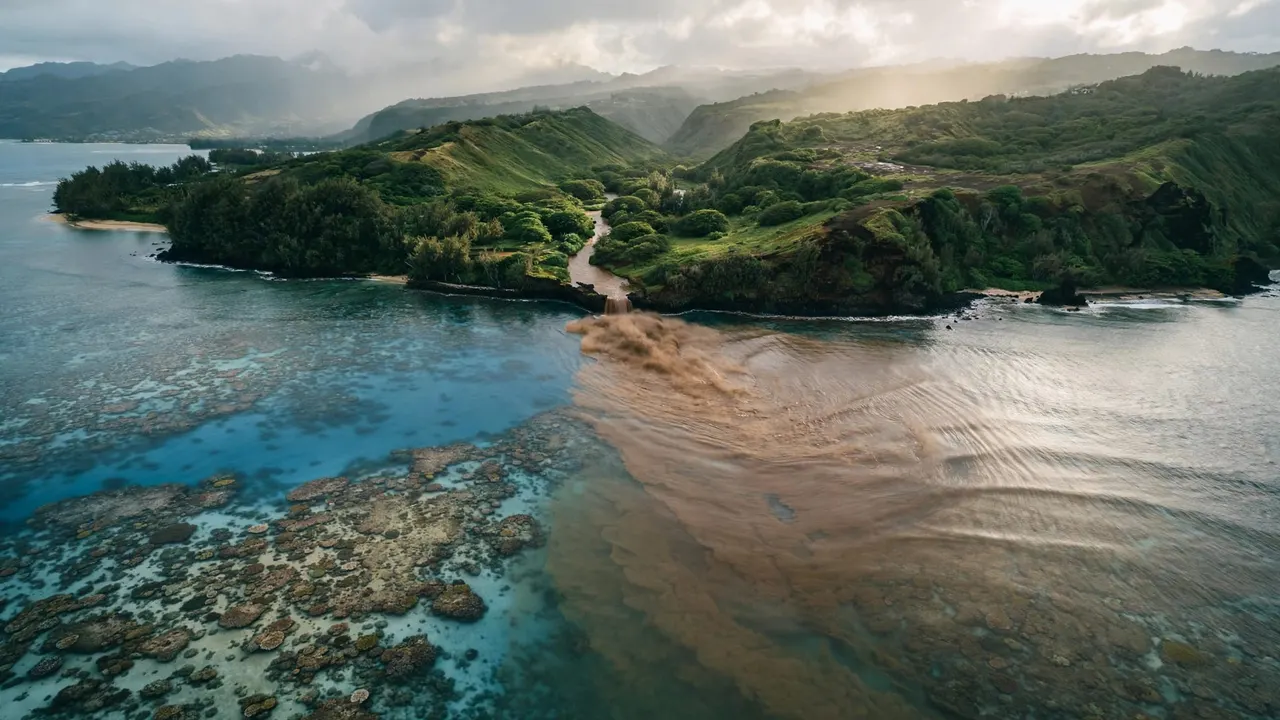
Postpone snorkeling Oahu reefs affected by heavy-rain runoff, brown water, or an active pollution advisory. Sunshine can return while sediment and contaminants remain in coastal water.
At Living Ocean Tours, we want you to enjoy Hawaii’s marine life with a clear understanding of the water you’re entering. Your decision should account for water quality, visibility, and ocean conditions separately, starting with what the storm carried downhill.
Key Takeaways Before You Enter the Water
- Stay out of brown or murky water after heavy rain, especially near flowing streams, drainage outlets, and floating debris.
- An active pollution advisory outweighs clear-looking water, blue skies, or a crowded beach.
- Before snorkeling Oahu waters, consider your entire swimming route, including the entry and return.
- Offshore reefs aren’t automatically beyond runoff, and a guided trip doesn’t remove weather-related hazards.
Heavy rain doesn’t affect every shoreline equally. However, switching beaches requires a fresh assessment of surf, currents, access, and water quality.
How Heavy Rain Changes Nearshore Water
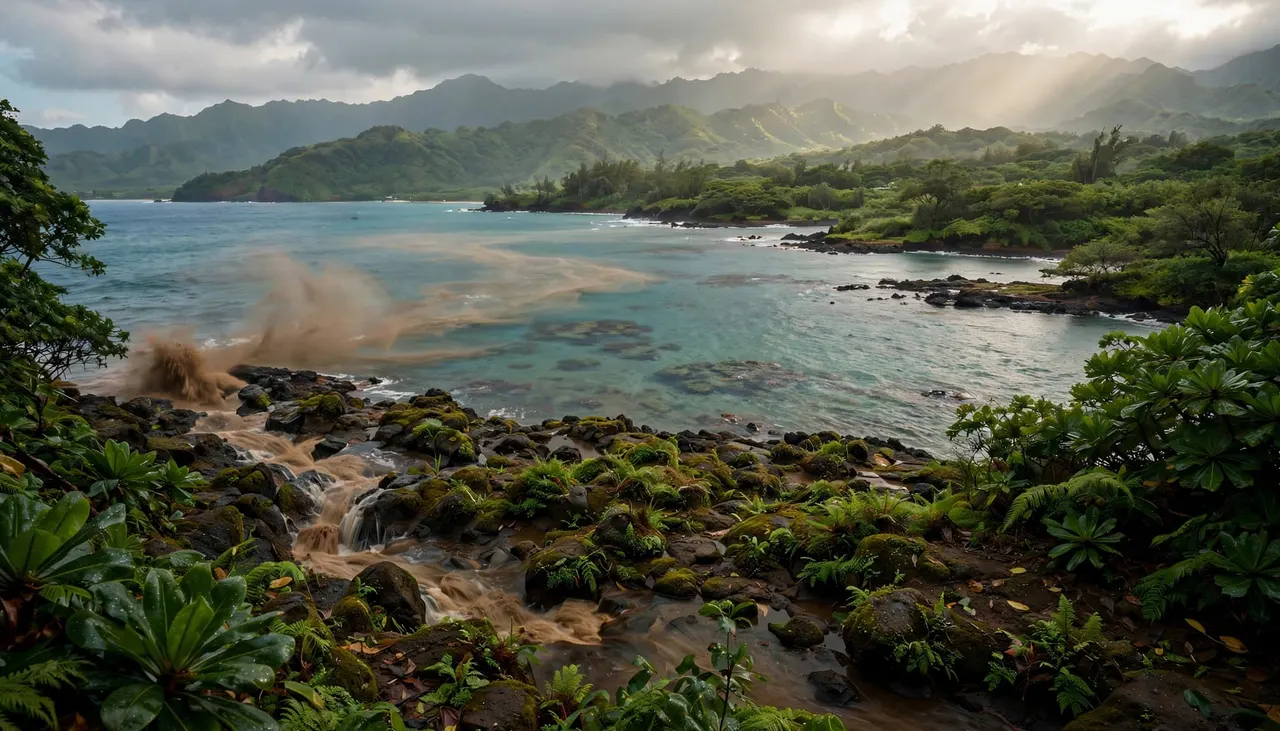
Sediment reduces what you can see
Rain washes soil into streams and drainage channels that empty into the ocean. Fine particles remain suspended, so your mask can be perfectly clean while the reef looks hazy.
Waves can also lift sand and settled sediment from the bottom. As a result, water clarity depends on more than rainfall alone.
Reduced visibility makes it harder to judge your distance above coral, follow your buddy, and recognize your exit. If you can’t comfortably assess your surroundings, postpone the swim rather than searching for clearer water farther out.
Runoff carries more than dirt
Stormwater can collect pollutants as it crosses roads, yards, and developed areas. Hawaii’s Department of Health warns that it can contain sewage, harmful microorganisms, and chemicals.
The state’s general health advisory advises staying out of beaches and streams contaminated by stormwater.
Brown water is an obvious warning, but appearance alone cannot establish water quality. Bacteria aren’t visible through your snorkel mask, and a clearer patch doesn’t prove the surrounding water is suitable.
What Runoff Means for Oahu’s Reefs
For snorkeling Oahu reefs, sediment creates both an immediate visibility problem and a longer-lasting habitat concern. Suspended particles reduce the light reaching corals. When sediment settles, it can coat reef surfaces.
Runoff also travels beyond the place where a stream meets the ocean. In Maunalua Bay, USGS-published research traced sediment from one studied drainage 2 kilometers west and 150 meters offshore.
That finding doesn’t describe conditions at every Oahu reef. It does show why distance from shore alone isn’t a dependable way to avoid watershed pollution.
Currents, coastal shape, and wave action affect where sediment moves and settles. Consequently, two nearby swimming areas can look different after the same storm.
When suitable conditions return, keep your fins above the reef and avoid standing on coral. Shallow water doesn’t make coral a safe place to rest, especially when lingering haze makes your clearance difficult to judge.
Brown-Water Advisories and Clear-Looking Water
Understand what the notice means
A Brown Water Advisory warns that storm runoff may have contaminated coastal water. It’s a health precaution and doesn’t necessarily mean authorities have formally closed the beach.
The Clean Water Branch publishes Hawaii’s current water-quality advisories, including brown-water notices, beach advisories, and sewage-spill information.
For snorkeling Oahu after a storm, an open beach park isn’t permission to enter affected water. You may still be able to walk along the shore while swimming remains a poor choice.
Match the notice to your swimming area
An advisory may cover a named beach, a bay, or a longer section of coastline. The full geographic description matters because your usual beach nickname might not appear.
A favorable result at another location doesn’t establish acceptable conditions at your entry point. Likewise, yesterday’s photograph cannot describe today’s runoff.
Clear-looking water doesn’t override an active pollution advisory, and the absence of a warning sign doesn’t establish acceptable water quality.
Visible runoff remains a reason to stay out even when no notice appears at your particular beach access.
When to Postpone Snorkeling After Heavy Rain
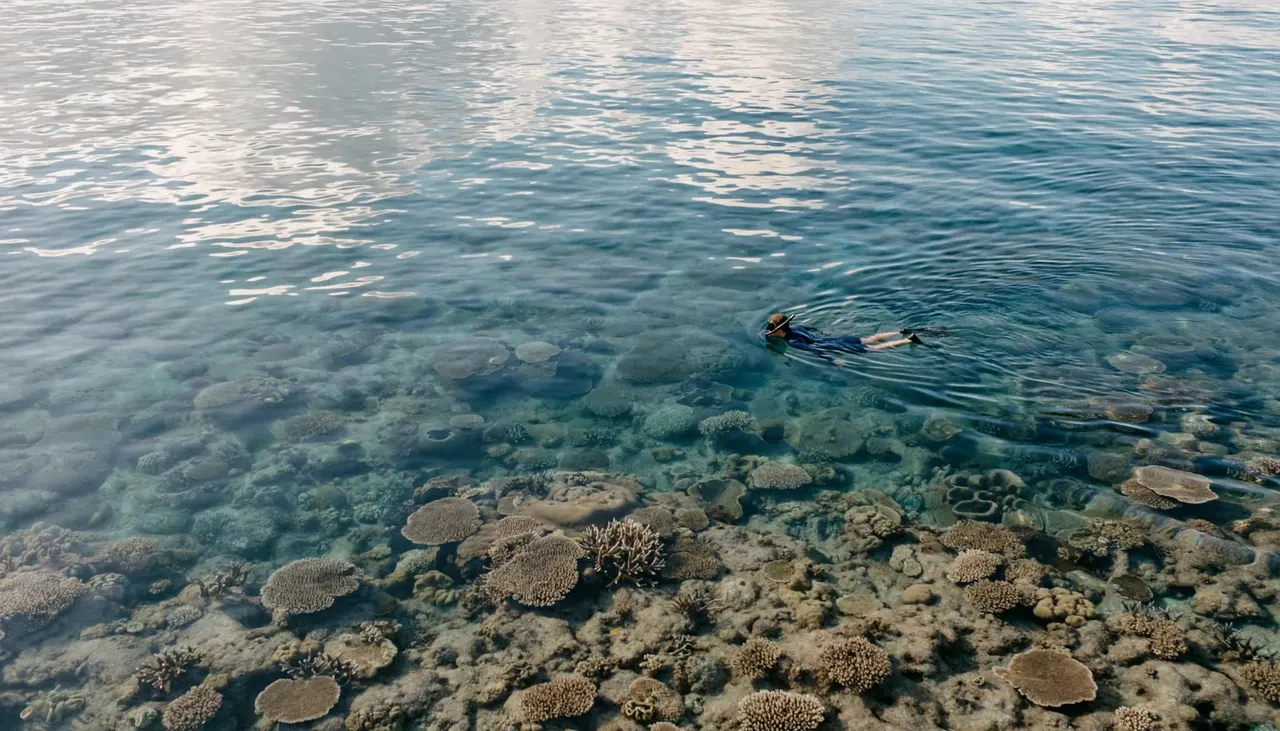
Give stormwater time to pass
In a March 2026 storm notice, Honolulu Ocean Safety advised avoiding Oahu ocean waters for at least 72 hours after the last rainfall. Treat that as a precautionary waiting period, and stay out longer when runoff or an advisory persists.
Honolulu’s brown-water safety guidance also warns against entering brown or murky water and highlights debris hazards.
Don’t build your return around sunshine alone. Rainfall inland can continue feeding streams after the beach itself turns bright and dry.
Separate rainfall from ocean hazards
A brief shower doesn’t automatically make every reef unsuitable. Heavy rainfall, continuing drainage, discolored water, and pollution advisories create a different situation.
Meanwhile, clear water can still have strong currents, breaking waves, or difficult shorebreak. A morning departure doesn’t remove those hazards.
When snorkeling Oahu with children or less-experienced swimmers, choose conditions that suit the least-confident person in your group. A shorter vacation schedule isn’t a reason to accept water you wouldn’t otherwise enter.
Assess the Whole Swim, Not Just the Reef
A blue patch offshore can look inviting while brown water remains between you and it. Swimming through that water exposes you during both your outward swim and your return.
Use these conditions to guide your decision.
| What you encounter | What it means for your plan |
|---|---|
| Brown water or an active runoff plume | Stay out of the affected water. |
| Clear water under a pollution advisory | Postpone water entry. |
| Poor visibility across your swimming route | Choose another day. |
| Strong surf or currents despite clear water | Skip the snorkel. |
Your entry and exit deserve the same attention as the reef itself. Watch several wave sets rather than judging the shoreline during one calm pause.
If lifeguards are on duty, their observations can help you understand local hazards. Still, lifeguard presence doesn’t cancel a water-quality advisory.
How Our Guided Approach Supports Your Decision
At Living Ocean Tours, our Oahu ocean tours from Honolulu depart from Kewalo Basin Boat Harbor, near Waikiki. We’re the only tour company on Oahu with professional snorkel guides.
When you’re snorkeling Oahu with us, tell your guide about any uncertainty before entering. Professional support helps beginners understand the equipment and the intended swimming area, but it doesn’t make polluted water acceptable.
Our approach to marine life is simple: observe without touching, chasing, or feeding. Keeping space around wildlife also gives you a better opportunity to watch natural behavior.
Plan Your Reef Outing Around Suitable Conditions
Our Turtle Canyon Snorkel Tour focuses on a natural turtle-cleaning area off Waikiki. It’s an option when you want reef time centered on observing Hawaiian green sea turtles.
For a future outing when conditions are suitable, CHECK AVAILABILITY.
Our Deluxe Waikiki Snorkeling and Wildlife Cruise adds a boat-mounted waterslide, water trampoline, and floating lily pad to the outing. Both experiences start at $79 per person.
If those activities fit your family, CHECK AVAILABILITY for your vacation dates.
Neither experience should be treated as a way around storm-related water-quality concerns. A boat reaches offshore habitat, but offshore location alone doesn’t establish suitable water.
Frequently Asked Questions
Should you avoid snorkeling after every shower?
Every shower doesn’t affect every swimming area equally. The stronger reasons to postpone are heavy rainfall, active runoff, discolored water, pollution advisories, and unsuitable ocean conditions. Decide based on the affected area rather than the weather over your hotel.
Is another coast automatically a better choice?
No. Different rainfall can mean different runoff, but another coast also introduces different surf, currents, and access. A sheltered-looking shoreline may still have contaminated water. North Shore reefs, in particular, aren’t dependable alternatives during powerful surf.
What should you do after entering affected water?
Leave the water, rinse with clean water, and avoid further exposure. Seek medical care if you develop concerning symptoms, including fever, significant stomach illness, or an infected wound. Tell the clinician about your ocean-water exposure and recent storm conditions.
Can you swim beyond a brown-water plume?
Don’t enter contaminated nearshore water to reach a clearer-looking reef. Your route still exposes you, and the plume’s visible edge doesn’t establish where contaminants end. Keep your planned swim outside affected water rather than attempting to cross it.
Give the Reef and Your Plans Time to Recover
Heavy rain changes more than the view through your mask. It can carry sediment and pollutants into the same reef habitat you’ve come to enjoy.
Make suitable water conditions the starting point for your outing. When runoff, advisories, or difficult ocean conditions interfere, postponing protects your health and keeps your eventual reef experience focused on the marine life.


