
Snorkeling Oahu: Juvenile vs. Adult Reef Fish
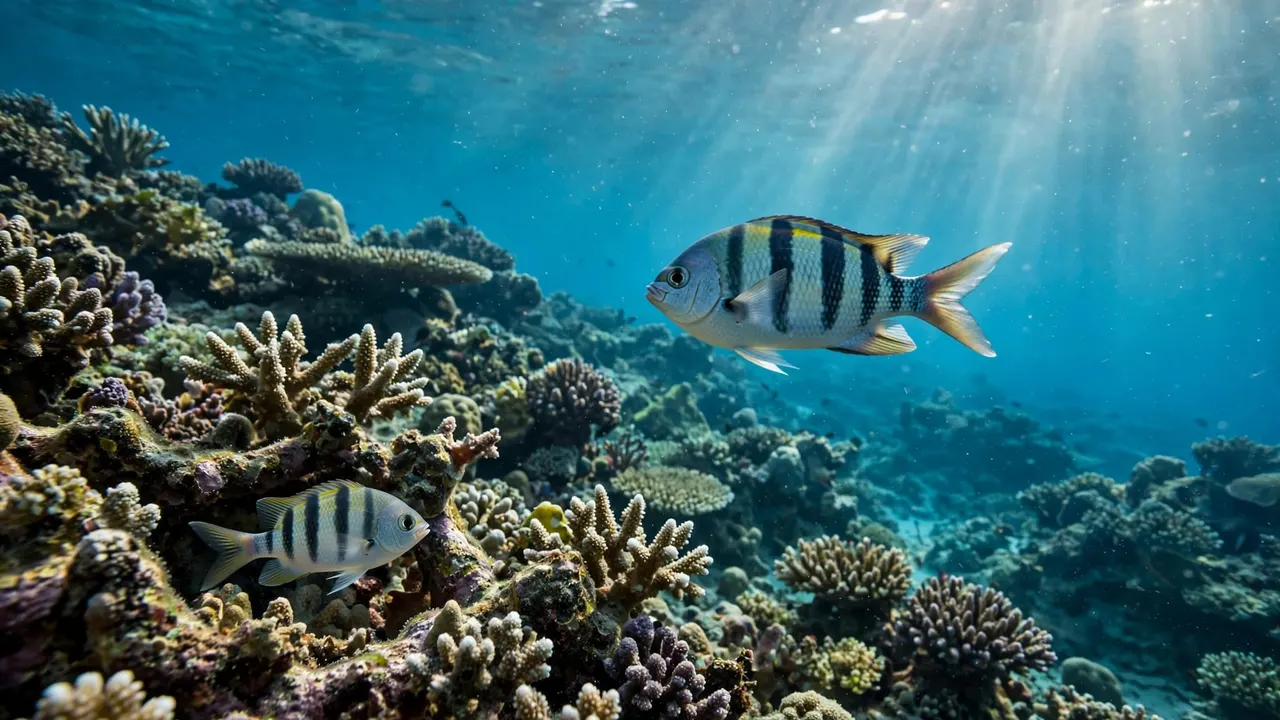
You can tell juvenile reef fish from adults more confidently by identifying the species first, then comparing several features together. When you’re snorkeling Oahu reefs, a fish’s size, color, or hiding place alone won’t give you a reliable answer.
With our Living Ocean Tours guides, you can practice watching fish without chasing them or disturbing their shelter. The most useful skill is patient observation, especially when a small fish looks nothing like the adult you expected.
Start with what you can see clearly, then separate those observations from your assumptions.
Key takeaways for your reef day
- Identify the fish before deciding whether it looks juvenile or adult, because different species have different adult sizes.
- Compare body outline, markings, relative size, and habitat together rather than trusting one feature.
- Keep your conclusion tentative when visibility, distance, or a brief sighting leaves important details unclear.
You don’t need a definite life-stage label for every encounter. A clear description of the fish and its surroundings is already useful.
What to compare when snorkeling Oahu reefs
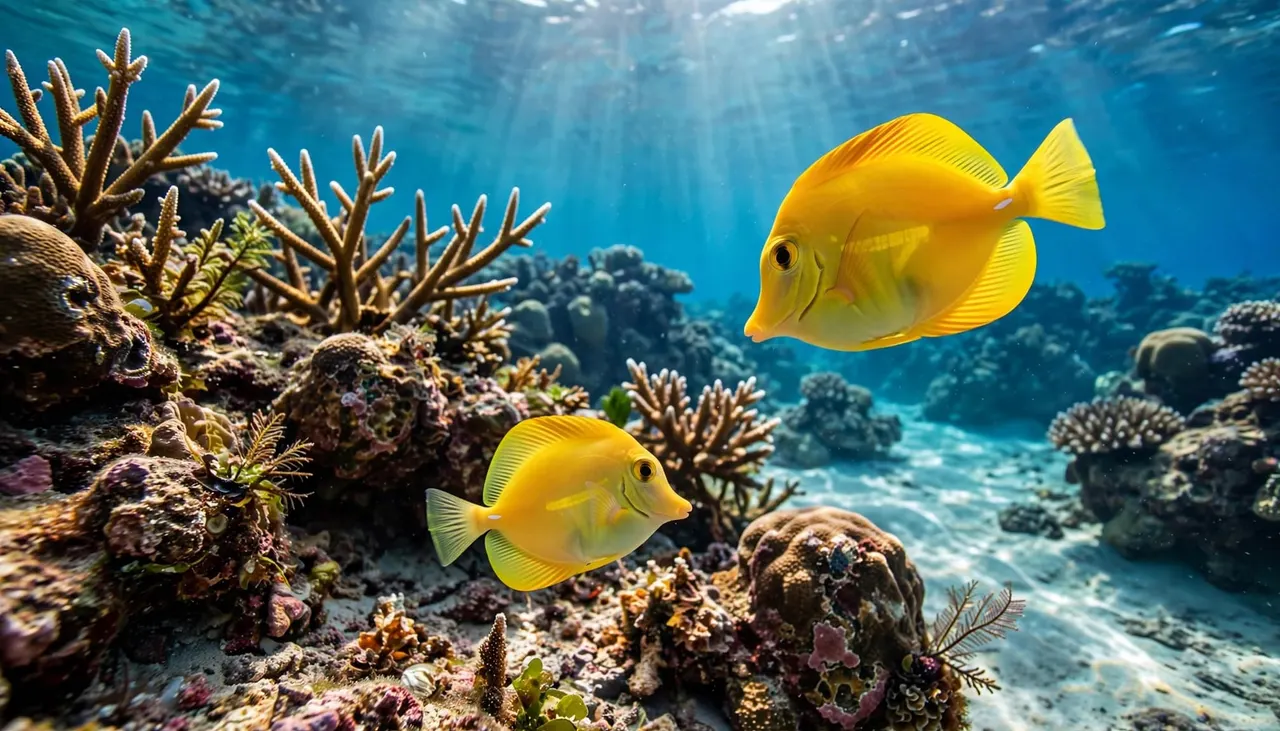
Identify the species before comparing ages
A juvenile is a fish that hasn’t reached reproductive maturity. An adult has, but you usually can’t establish that distinction during a short surface observation.
Instead, begin with the species. Notice the overall silhouette, mouth position, tail shape, and arrangement of stripes or spots. These details give you a stronger starting point than a general impression of size.
Hawaii’s Division of Aquatic Resources publishes a Hawaiian fish identification manual that can help you become familiar with local fish before entering the water.
Compare like with like
A small adult of one species can look less substantial than a young individual of another. Therefore, comparing every fish against the largest animal nearby can send your identification in the wrong direction.
Look for individuals you can confidently recognize as the same species. Then notice differences without assuming the smaller individual is automatically juvenile.
Distance also changes your impression. Fish farther below you appear smaller, while a nearby fish can dominate your view. Compare animals at similar distances whenever the reef naturally offers that opportunity.
You should never follow them into shallower water simply to improve the comparison.
Read markings without treating color as proof
Notice where patterns appear
Some reef fish change appearance as they grow. However, a color difference doesn’t automatically establish that you’re looking at different life stages.
Concentrate on the placement of markings. Notice whether a stripe crosses the eye, where a spot sits, and whether the tail contrasts with the body. These observations are easier to describe afterward than “the brighter one.”
Also, take in the complete fish. A glimpse of a tail disappearing behind coral rarely gives you enough information for a confident identification.
Your first impression can guide your attention, but it shouldn’t settle the answer.
Allow for changing underwater views
Sunlight, water depth, viewing angle, and shadows affect how colors appear through your mask. A fish moving beneath a ledge can look different moments later in open water.
If you’re snorkeling Oahu reefs with a camera, avoid treating one photograph as a complete record. A photograph may hide the far side of the body or capture the animal at an awkward angle.
A short sequence can preserve more detail when you can take it without changing your swimming position. However, your view should always remain secondary to your buddy, your guide, and your clearance above the reef.
Use habitat and behavior as supporting clues
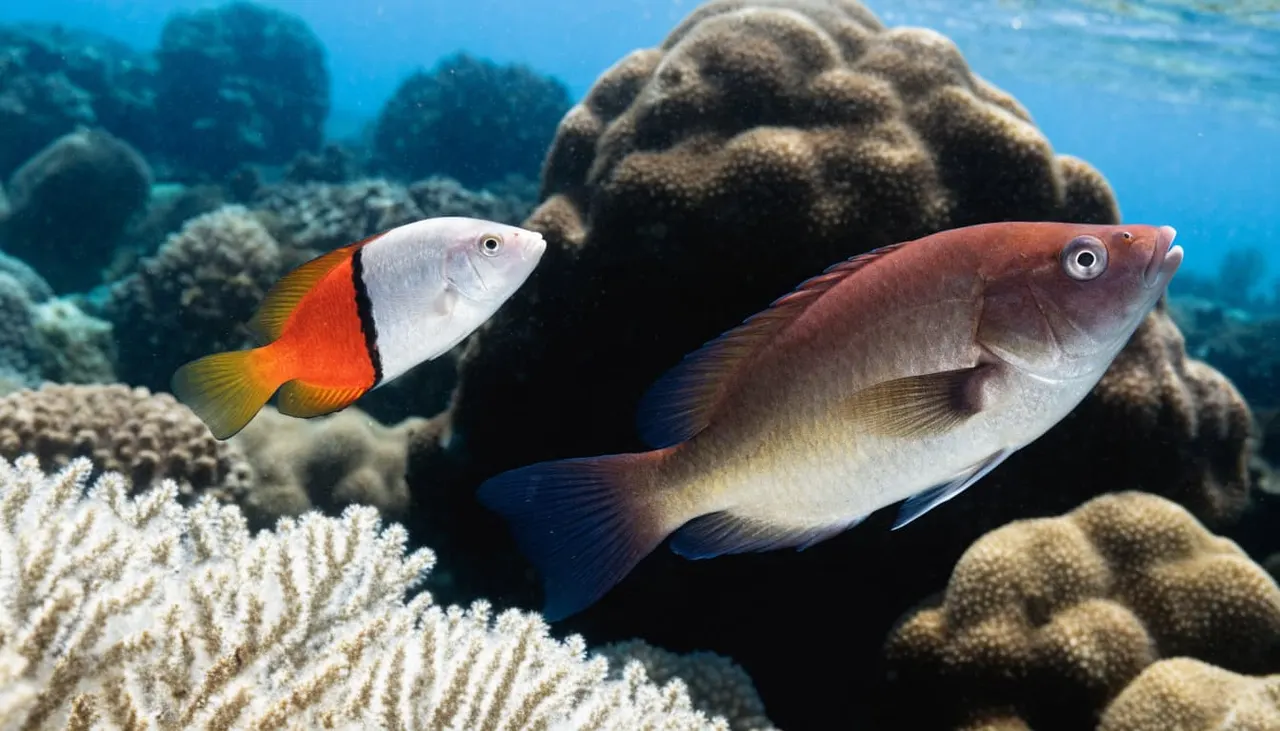
Watch how the fish uses shelter
A fish’s surroundings help you describe the encounter. Notice whether it stays beside a coral head, crosses an open sandy patch, or repeatedly returns to the same opening.
Nevertheless, shelter use alone doesn’t identify a juvenile. Small adults also occupy protected spaces, and a fish may hide because your approach interrupted it.
Watch from your existing position instead of moving closer each time it retreats. If it disappears, leave the opening undisturbed. Never lift rubble, reach into cracks, or move equipment toward the entrance.
Separate feeding from reactions to swimmers
Look for repeated activity, such as grazing on a surface or pausing beside another animal. Those observations tell you more about normal reef life than a fish’s escape response.
When snorkeling Oahu reefs, give animals enough room to continue their activity. If a fish repeatedly changes direction as you approach, increase your distance.
Likewise, don’t assume that fish swimming together are parents and offspring. Proximity alone doesn’t establish a family relationship.
The Makai Watch marine-life guidebook introduces identification of regulated marine life and the work of Hawaii’s Division of Aquatic Resources.
Common assumptions that lead to wrong answers
Several familiar shortcuts sound convincing underwater. They become less useful once you consider what you actually observed.
| What you notice | What it doesn’t establish | A stronger next observation |
|---|---|---|
| A fish is small | That it’s juvenile | Identify its species and compare similar individuals |
| Two fish have different colors | That one is younger | Compare their outlines and marking placement |
| A fish hides in coral | That it’s a baby | Watch its activity without approaching |
| Small fish gather together | That the site is a nursery | Describe the habitat and how they use it |
The useful distinction is between an observation and a conclusion. You can accurately remember a small fish with a dark eye stripe without deciding its age.
A single gathering of small fish also doesn’t establish nursery habitat. That term concerns a habitat’s contribution to later adult populations, which one snorkel can’t demonstrate.
For families snorkeling Oahu together, compare memories once you’re aboard. One person may recall the tail shape while another remembers the fish’s location. Combining those details can improve your description without turning an uncertain sighting into a definite claim.
A simple observation routine for your next snorkel
You can make fish watching more productive without spending the whole swim on identification. Choose a patch of reef where you can float comfortably and keep your buddy nearby.
- Start with the outline. Notice the body shape and tail before concentrating on small markings.
- Follow the pattern. Observe where stripes, spots, or contrasting areas sit on the body.
- Include the surroundings. Remember the shelter, bottom type, and activity you actually saw.
- Record uncertainty. Afterward, distinguish a clear species identification from a possible life-stage impression.
Spend about 20 to 30 seconds watching one area when conditions allow. You may notice fish you missed while swimming past.
Throughout the observation, keep your fins and equipment clear of coral. Coral is living habitat, not a handhold or a place to stand while adjusting your mask.
If you need to hold the reef to keep watching, end the observation and move away.
Use flotation according to your crew’s instructions, and ask for help early if your mask leaks. Never feed fish to bring them closer.
Also, leave turtles an unobstructed route to travel and surface. A better photograph never justifies surrounding wildlife or blocking its movement.
Practice reef watching with our professional snorkel guides
You can build these observation habits with support in the water. At Living Ocean Tours, we’re Oahu’s only tour company with professional snorkel guides. You have help with equipment and in-water guidance while you learn to watch the reef respectfully.
Our Turtle Canyon Snorkel Tour visits a natural turtle-cleaning area off Waikiki. Alongside watching turtles, you can pay attention to the surrounding fish community without expecting a particular species or life stage.
Tell your guide you’re interested in smaller reef fish before entering the water. Meanwhile, keep your expectations open to the animals and conditions present that day.
You can compare our Waikiki ocean outings or reef-snorkeling trips for your group. For Turtle Canyon, CHECK AVAILABILITY when you’re ready to plan your swim.
Frequently asked questions about juvenile reef fish
Can you tell a reef fish’s exact age while snorkeling?
You generally can’t assign an exact age from appearance during a snorkel. Even a confident species identification doesn’t turn a visual size estimate into an age measurement.
While snorkeling Oahu reefs, focus on recognizable features and activity. You can describe what you saw accurately without adding an age you couldn’t establish.
Are all tiny fish near coral juveniles?
No. Small size alone doesn’t identify a juvenile, because some species remain small as adults. Distance can also make a fish look smaller than it is.
Begin with its outline and markings. If you can’t identify the species, keep your description at that level rather than automatically calling it a baby.
Should you swim closer to see juvenile markings?
Only observe from a position that leaves wildlife space and keeps you clear of the reef. If getting closer requires chasing, crowding, or reaching into shelter, stay back.
You can retain a wider view or let the encounter end. An uncertain identification is preferable to damaging habitat or interrupting an animal’s behavior.
See more by making fewer assumptions
Your next day snorkeling Oahu reefs will be more rewarding when you identify what you can and leave uncertain details open. Start with species, compare several features, and let habitat support your observations.
Keep respectful distance at the center of the encounter. A fish that continues its normal activity gives you something more useful than a forced close-up: a clearer view of life on the reef.


