
Snorkeling Oahu: Can You Take Shells or Coral Home?
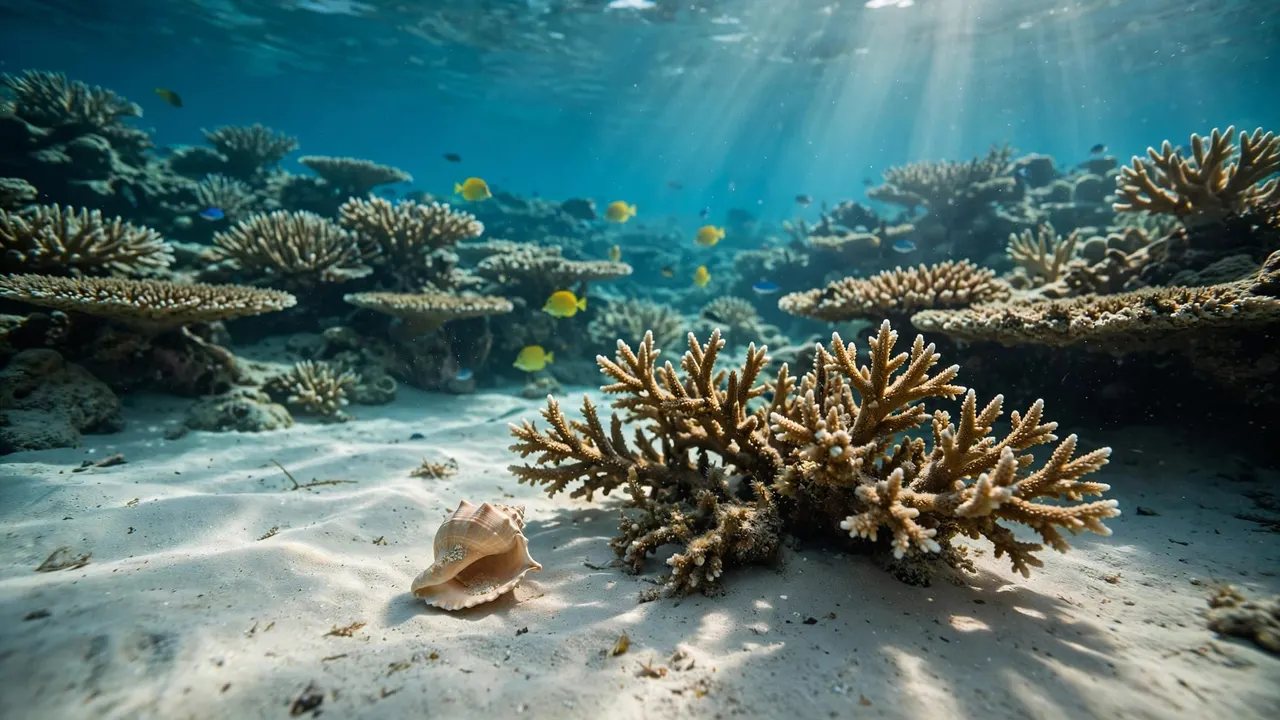
You shouldn’t take coral home from Oahu, including dead coral and loose coral rubble. Empty shells have a limited exception under Hawaii’s statewide shoreline rules, but collecting them is prohibited in marine life conservation districts.
If you’re snorkeling Oahu’s reefs, the simplest approach is to leave natural finds where they belong. At Living Ocean Tours, our Waikiki snorkeling tours emphasize observing marine life without collecting or disturbing it.
Here’s how to distinguish the shell exception from the coral restrictions before your next reef adventure.
Key Takeaways for Your Oahu Reef Day
- Leave live coral, dead coral, and coral rubble where you find them. A loose fragment isn’t a permitted souvenir.
- Empty shells have an exception under the statewide shoreline rule, but that exception doesn’t override stricter protections.
- In marine life conservation districts, including Hanauma Bay and Pupukea, leave shells and other natural souvenirs behind.
- Keep your hands, fins, and camera clear of coral. Photographs let you remember your discoveries without removing habitat.
Can You Take Shells Home From an Oahu Beach?
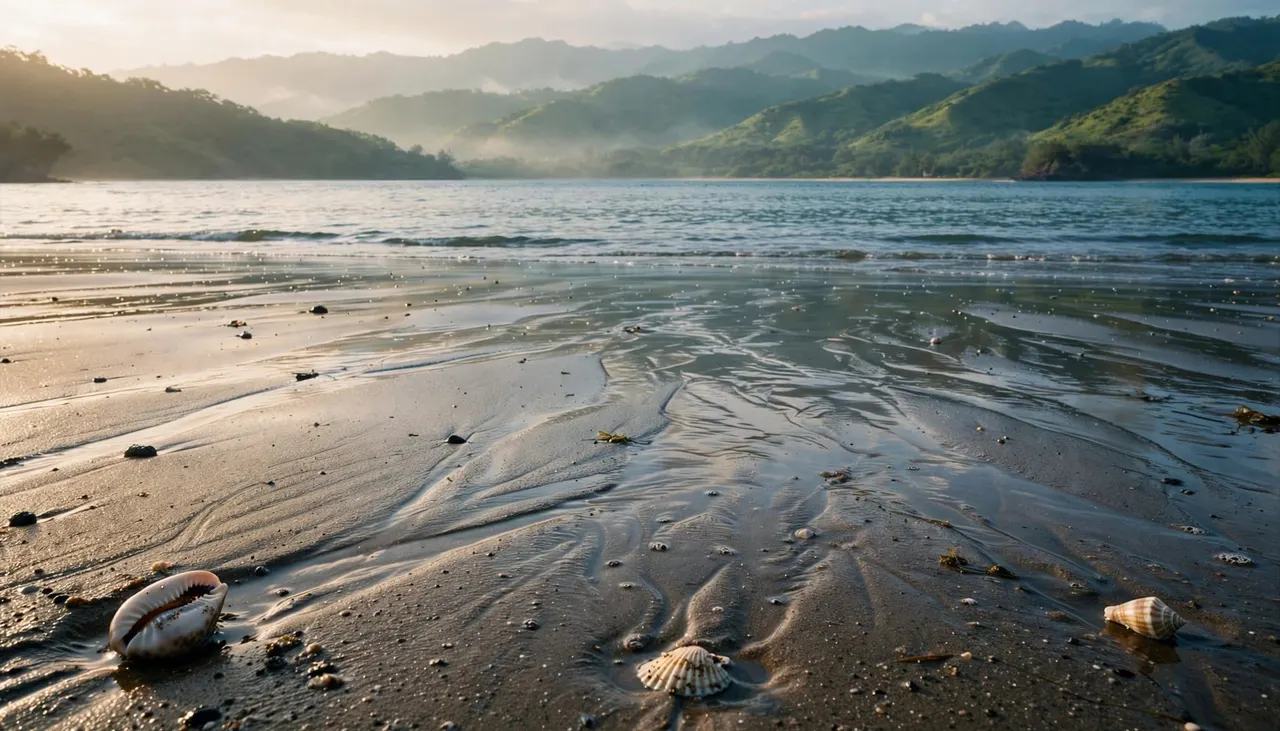
Empty Shells Have a Limited Exception
Hawaii’s general shoreline rule prohibits removing materials such as sand, dead coral, and coral rubble. However, shells are among its exceptions. The state’s guidance on shoreline collecting distinguishes shells from those prohibited materials.
That means an empty shell isn’t automatically illegal to collect everywhere on Oahu. However, the exception doesn’t give you permission to collect at every beach or snorkeling spot.
An occupied shell also isn’t simply an empty beach find. A snail or hermit crab may be using it, even when you can’t immediately see an animal. Leave occupied shells undisturbed rather than trying to remove their residents.
Protected Areas Have Stricter Rules
Marine life conservation districts, often called MLCDs, have additional protections. The Division of Aquatic Resources’ MLCD conservation guidance states that collecting shells, coral, and other souvenirs is prohibited in these districts.
On Oahu, Hanauma Bay and Pupukea are important examples. Their protections cover sea shells along with other marine life and natural features.
An empty shell’s size, color, or condition doesn’t create an exception there. A tiny broken shell still belongs to the protected setting.
The practical distinction is location: the statewide shell exception and a protected area’s collection ban are separate rules. The stricter site protection still applies.
Snorkeling Oahu: Why Coral Must Stay Put
Living Coral Is Protected
Coral is a colony of living animals. Its hard skeleton can resemble rock, but living tissue covers the colony’s surface.
Hawaii prohibits taking, breaking, or damaging stony coral except where authorized. The state’s coral collection FAQ makes clear that collecting coral for personal or household use isn’t permitted.
You shouldn’t snap off a branch, pry up a small colony, or take a piece because it would fit inside your luggage. Likewise, avoid touching coral while trying to photograph or inspect it.
Contact can damage tissue, and a misplaced fin can break fragile growth. Keeping your distance protects the reef before collecting even becomes an issue.
Dead Coral and Rubble Are Also Restricted
A white fragment washed onto the beach may look like an easy souvenir. However, dead coral and coral rubble fall under Hawaii’s shoreline removal prohibition.
Being detached doesn’t make a piece available to take. Neither does finding it above the waterline or discovering that someone else already broke it.
You also don’t need to determine whether an unfamiliar fragment is alive before deciding what to do. Leave suspected coral in place.
Avoid scraping, breaking, or cleaning a piece to identify it. Those actions can cause damage, and identifying a fragment as dead wouldn’t make collecting it permissible.
What To Do When You Find a Beautiful Shell
While snorkeling Oahu’s reefs, you’ll sometimes notice shells tucked into sand or resting near coral. You can enjoy the discovery without picking anything up.
First, observe from the surface or a comfortable distance. Look for movement, but don’t shake a shell, probe its opening, or pull it from a crevice.
If you want a photograph, use the view available without approaching the bottom. A camera strap should stay close to your body rather than trail across coral.
For children, turn the discovery into a spotting activity. You can compare shell shapes, notice where animals shelter, or count different colors without making a collection. Explain the hands-off rule before entering the water so the expectation is clear.
If you’ve already lifted something in a protected district, DLNR’s guidance is to return it where you found it. Don’t move it to a different reef patch or relocate it for a better photograph.
A shell that looks empty can still be useful habitat. Leaving it in place avoids disturbing an animal you haven’t noticed.
Keep natural finds separate from litter. A discarded wrapper belongs in the trash, but a shell or coral fragment belongs in its natural setting. Avoid pulling objects tangled around wildlife or wedged into coral yourself.
How To Snorkel Around Coral Responsibly
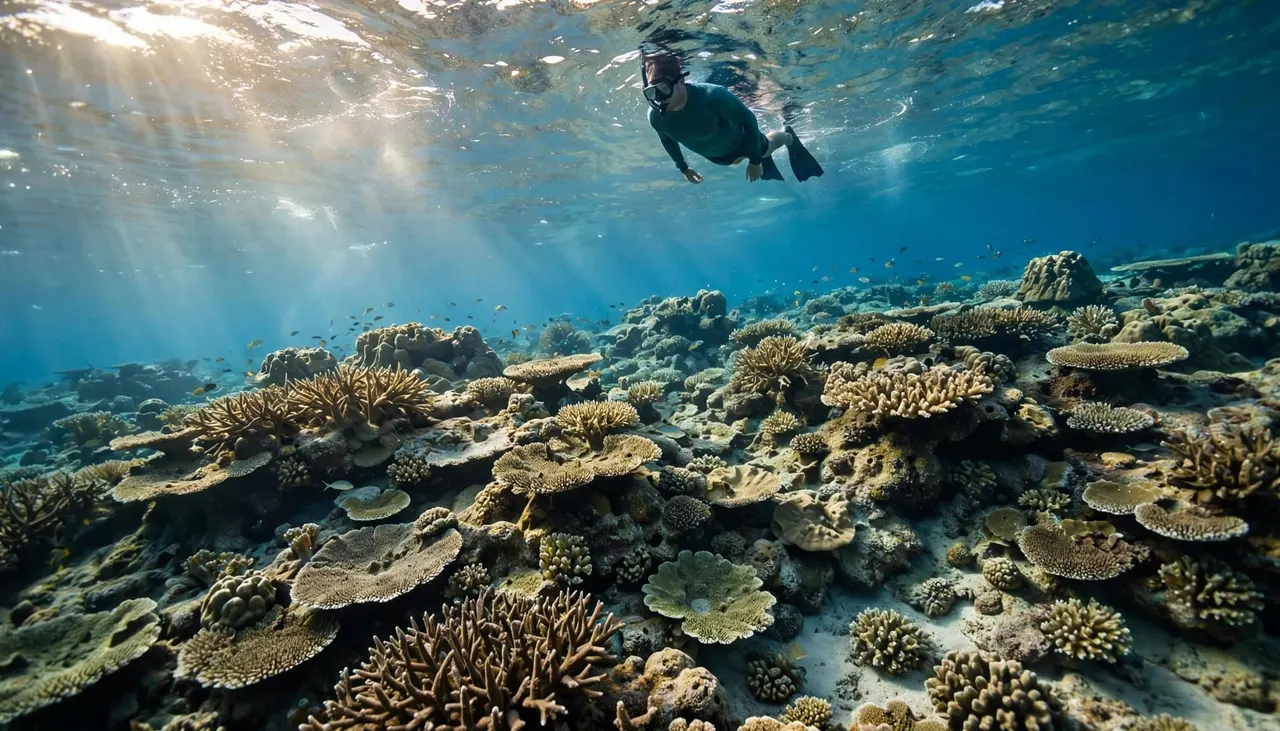
Give Your Body and Equipment Enough Clearance
Float above the reef with enough room for your fins. Don’t stand on coral to adjust your mask or use a coral head as a handhold.
Before approaching reef areas, practice breathing through your snorkel and settling into a comfortable floating position. This is especially helpful when you’re swimming with children or trying unfamiliar equipment.
If you need assistance, signal your guide rather than reaching for the bottom. Use appropriate flotation as instructed, and keep cameras secured.
A long-sleeve rash guard also reduces the amount of sunscreen you need on covered skin. For exposed areas, mineral-based sunscreen is an option, but a “reef-safe” label doesn’t guarantee zero environmental impact.
Let Wildlife Keep Its Normal Routine
Hawaiian green sea turtles, or honu, are protected under federal and state law. Hawaii’s sea turtle protection guidance explains their protected status.
Give turtles room to swim, surface, and rest. Never touch, chase, feed, or block them for a photograph.
At cleaning stations, fish remove material from turtles’ shells and skin. Watch without crowding that interaction. If a turtle moves toward you, give it space rather than moving closer.
The same hands-off approach applies to fish and other reef animals. You can observe natural feeding and sheltering behavior without introducing food or reaching into hiding places.
Explore the Reef With Our Professional Snorkel Guides
For families snorkeling Oahu’s coast, guidance helps you focus on wildlife while building confidence. At Living Ocean Tours, we’re Oahu’s only tour company with professional snorkel guides. Our Oahu ocean tours depart from Kewalo Basin Boat Harbor near Waikiki.
Turtle Canyons Snorkel Excursion
Our Turtle Canyons Snorkel Excursion gives you an opportunity to observe a natural turtle-cleaning area with equipment and crew support. Stay near your guide, keep your hands off the reef, and let turtles move freely. Wildlife sightings are never guaranteed.
Deluxe Waikiki Snorkeling and Wildlife Cruise
Our Deluxe Waikiki Snorkeling and Wildlife Cruise combines reef observation with a waterslide, water trampoline, and floating lily pad. You can enjoy those onboard play features while keeping your reef time focused on observing, without collecting shells or coral.
Frequently Asked Questions
Can You Take Shells While Snorkeling Oahu?
Not in a marine life conservation district. Elsewhere, Hawaii’s statewide shoreline rule includes an exception for shells, but it doesn’t override other applicable protections. Leaving shells where you find them is the simplest approach and avoids disturbing hidden occupants.
Can You Take White Coral Found on the Beach?
No. Dead coral and coral rubble are covered by Hawaii’s shoreline removal prohibition. A fragment’s white color, small size, or position on dry sand doesn’t make it a permitted souvenir. Leave it where it belongs rather than adding it to your beach bag.
Are Shells at Hanauma Bay Off-Limits Even When Empty?
Yes. Hanauma Bay is a marine life conservation district, and its rules protect sea shells. The statewide exception for shells doesn’t cancel that protection. Enjoy their shapes and colors without taking them out of the bay or collecting them along the shore.
What’s a Better Souvenir Than a Reef Find?
Choose a photograph, a locally made illustration, or another keepsake that doesn’t require removing natural material. For children, a drawing of a turtle or favorite fish can preserve the memory. You can also record what you spotted without bringing any part of its habitat home.
Bring Home the Memory, Leave the Reef
Your snorkeling Oahu adventure doesn’t need a pocketful of natural souvenirs. Leave coral behind, respect protected-area shell rules, and give wildlife room to continue its day.
Keep your hands and fins clear of the reef, follow your guide’s instructions, and photograph discoveries without disturbing them. You’ll bring home a record of the experience while leaving its living setting intact.


