
Waikiki snorkeling mask safety: Full-face or traditional?
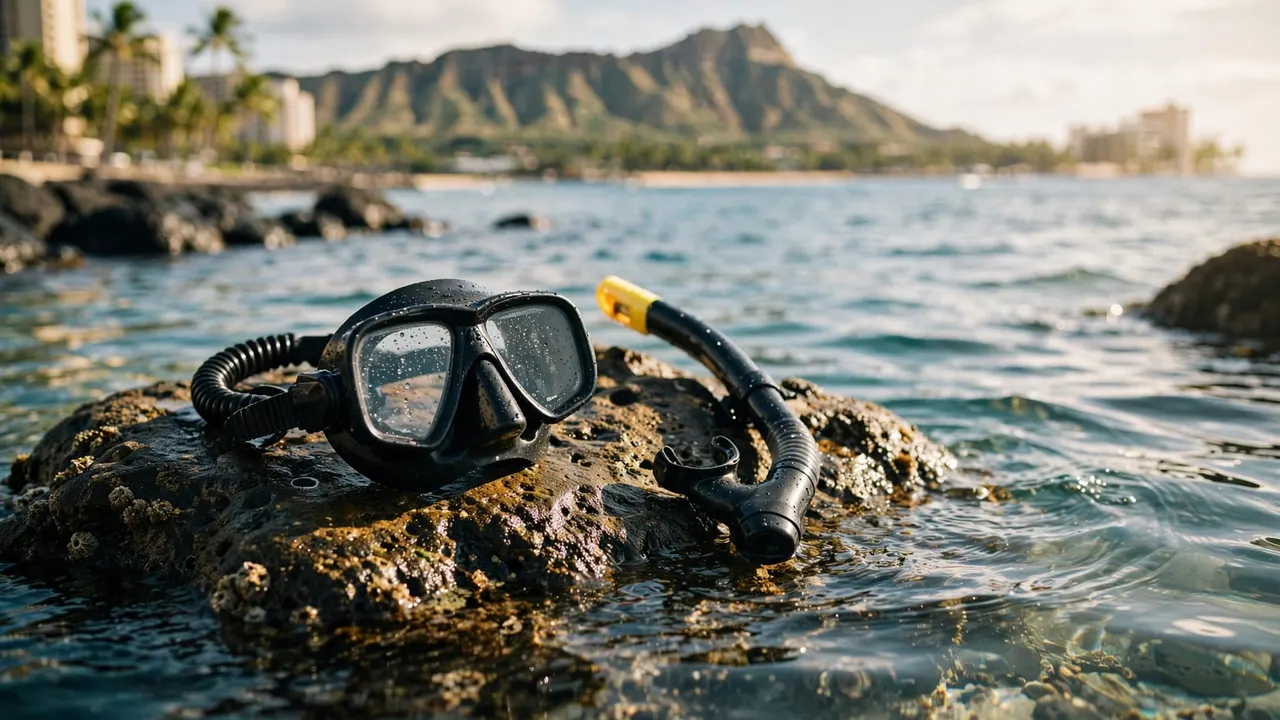
For Waikiki snorkeling, we recommend a well-fitted traditional mask and separate snorkel because the setup is straightforward to practice with and remove. At Living Ocean Tours, we don’t allow full-face masks on our tours.
For snorkeling mask safety, prioritize comfortable breathing, a reliable fit, and skills you can repeat calmly. Research hasn’t established a universal drowning-risk ranking between mask styles, so no design deserves a blanket safety guarantee.
Start with how each setup works, then match your equipment to your swimming ability and the day’s conditions.
Key takeaways for choosing your mask
- Choose traditional equipment for our Waikiki trips, and practice breathing through the mouthpiece before swimming away.
- Full-face masks introduce additional fit, airflow, and removal concerns; a panoramic view doesn’t establish their safety.
- Better snorkeling mask safety also requires a buddy, suitable conditions, and an early exit when breathing feels difficult.
Your mask is one part of the decision. Neither style compensates for poor swimming ability, fatigue, or an uncomfortable day offshore. Flotation can help you rest, but it doesn’t replace swimming skills or supervision.
How full-face and traditional masks differ
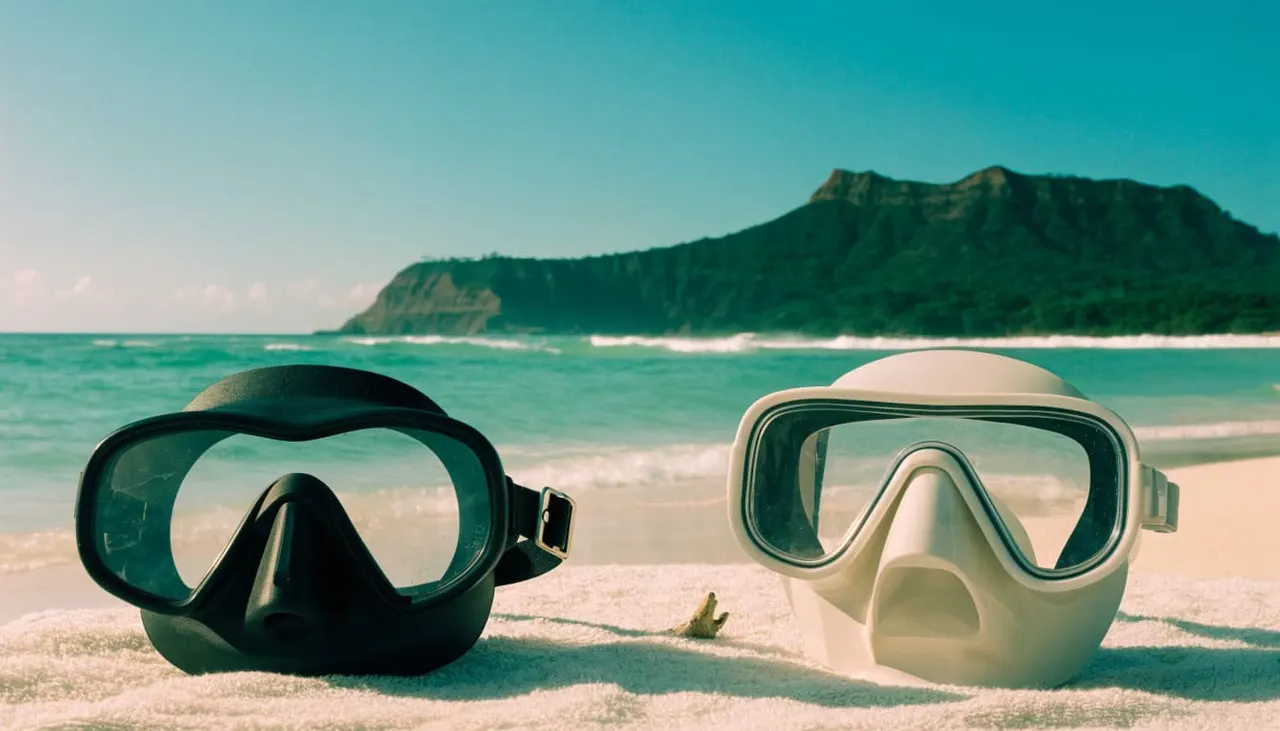
Traditional masks separate vision from breathing
A traditional mask covers your eyes and nose. A separate snorkel supplies air through a mouthpiece while its opening stays above water.
Because the components are separate, you can release the mouthpiece without removing your mask. You still need to learn how to handle water entering either component.
Your lips should seal around the mouthpiece while your jaw stays relaxed. If the tube pulls sideways or makes you clench, adjust its position before entering.
Full-face masks combine several functions
A full-face mask covers your eyes, nose, and mouth. Its internal channels and valves manage inhaled and exhaled air, with details that vary by model.
These masks can appeal to beginners because they avoid a separate mouthpiece. However, their larger size, internal seals, and strap arrangements introduce different fit and removal challenges.
Many recreational models are intended for surface use. Never assume a full-face snorkel mask is suitable for duck diving or breath-hold exploration.
Neither design supplies breathing gas underwater. A snorkel’s opening must reach air for you to breathe.
What snorkeling mask safety research can tell you
Airflow concerns deserve attention
A 2025 paper on full-face mask risks discusses carbon dioxide rebreathing associated with equipment dead space. That’s air remaining in the breathing system that can be inhaled again.
Other testing summarized by Divers Alert Network examined seven full-face masks with ten volunteers. Some models showed water ingress or increased breathing resistance.
These findings matter because harder breathing can add strain during exercise. However, a small laboratory study doesn’t measure the drowning risk of every mask sold.
Avoid claims that every full-face mask causes carbon dioxide poisoning. The evidence doesn’t support that conclusion.
Comparative drowning risk remains uncertain
Hawaii Ocean Safety says available evidence hasn’t demonstrated a direct increase in risk attributable to full-face masks. Its guidance still identifies concerns involving fit, internal seals, valves, and emergency removal.
That distinction helps you make a practical choice. Equipment can warrant caution even when researchers haven’t established a population-wide risk comparison.
Our recommendation favors the traditional setup’s straightforward use and teachable skills. It doesn’t mean every conventional snorkel breathes equally easily, or that wearing one makes an outing safe.
Get the fit right before entering open water
Practical snorkeling mask safety starts before you reach the reef. A small problem on deck can become distracting once waves or distance enter the picture.
Find a seal without excessive pressure
Move hair away from the mask skirt, then position the mask against your face. A gentle nasal inhale should help a suitable traditional mask hold briefly without relying on a tight strap.
Next, settle the strap comfortably around your head. Tightening harder can distort the skirt and worsen leaking.
Tell your guide about pressure near your nose, recurring leaks, or difficulty seeing. A different size often helps more than repeated adjustment.
If you need vision correction, we offer prescription-mask rentals aboard for $10. Regular eyeglasses can interfere with a standard mask’s seal.
Practice breathing and clearing calmly
Before swimming away, rehearse the clearing method taught for your specific snorkel. Dry-top and purge-valve designs differ, so one technique won’t fit every model.
Practice where you can stop easily and receive help. You should feel comfortable breathing through the mouthpiece, lifting your face, and signaling for assistance.
Also learn how to remove your equipment without struggling. If practice leaves you anxious or short of breath, pause rather than pushing into deeper water.
Your first reef swim shouldn’t double as your first equipment lesson.
Let Waikiki conditions shape your decision
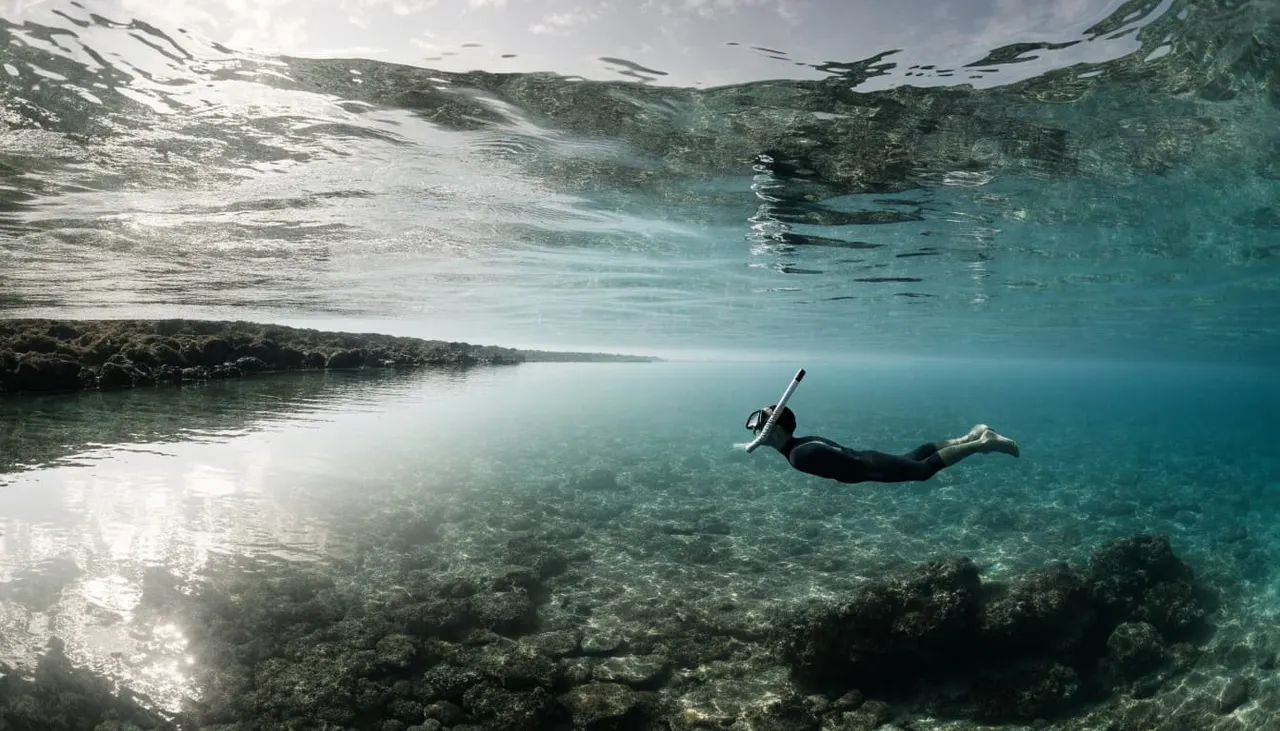
Even good snorkeling mask safety habits can’t make rough conditions appropriate for your ability. Sunshine over Waikiki Beach doesn’t guarantee calm water at an offshore reef.
Wind, swell, and currents can change how much effort you need to stay together or return. Therefore, choose your entry and exit plan before focusing on fish.
For shore snorkeling, favor lifeguarded areas and follow posted warnings and lifeguard directions. On a boat trip, listen to the crew’s briefing and stay within the instructed area.
Keep your buddy close enough to notice a problem. Being somewhere on the same reef isn’t the same as watching each other.
Start with a slow float rather than a long swim. If you feel comfortable, continue at an easy pace with your group.
Children need properly sized equipment and close adult supervision. A family-friendly tour or floating aid doesn’t make independent snorkeling appropriate for a child who lacks the necessary swimming skills.
Finally, observe wildlife without touching it. Stay off coral, and don’t chase a turtle beyond your group to get a closer look.
Recognize breathing trouble and leave early
Difficulty breathing isn’t something to solve by swimming harder. Stop when you notice unusual breathlessness, dizziness, chest tightness, confusion, or sudden weakness.
Signal your guide or buddy immediately. Keep your airway above water with flotation or assistance, then leave the water with help.
If breathing trouble is sudden or severe, call 911 immediately. Persistent cough or breathlessness after leaving the water also needs prompt medical attention.
One concern discussed in Hawaii snorkeling research is rapid-onset pulmonary edema, often called ROPE. Fluid can enter the lungs without an obvious episode of swallowing seawater.
Breathing trouble can occur without a flooded mask or rough seas. Don’t wait for an equipment failure before asking for help.
You don’t need to identify the cause yourself. Hawaii Ocean Safety’s snorkeling guidance emphasizes equipment familiarity and knowing your health limits.
If you have a heart or lung condition, or unexplained shortness of breath, discuss snorkeling with your clinician beforehand. Don’t re-enter after unexplained breathing trouble.
Add professional guidance to your Waikiki outing
Our approach to snorkeling mask safety combines traditional equipment with instruction and attentive support. We’re the only Waikiki tour company with professional snorkel guides, including guides in the water.
You can ask for help with a mouthpiece, mask seal, or a nervous first float. Speak up before a small discomfort becomes the focus of your swim.
Our guided Waikiki snorkeling outings depart from Kewalo Basin Boat Harbor, minutes from Waikiki. You can enjoy reef time with crew support rather than managing an unfamiliar offshore outing alone.
Bring an honest description of your swimming comfort. That helps the crew address your needs before entry.
Guidance adds a valuable layer of support, but it doesn’t eliminate ocean or medical risks. You still need to follow instructions, remain with your group, and stop when your body tells you to.
Frequently asked questions about snorkel masks
Are full-face snorkel masks banned throughout Hawaii?
You shouldn’t treat an operator’s equipment policy as a statewide law. We don’t allow full-face masks on our tours, but that doesn’t establish a Hawaii-wide prohibition.
For your trip with us, plan to use a traditional mask and separate snorkel. That keeps your preparation aligned with the equipment and skills used aboard.
Can you dive deeper with a traditional mask?
A traditional mask allows access to your nose for equalization, which can be useful during properly taught breath-hold diving. However, the mask doesn’t establish a safe depth.
Depth depends on training, equalization ability, health, and supervision. For a recreational guided snorkel outing, follow the crew’s surface-snorkeling instructions instead of treating the mask as permission to descend.
What if you dislike breathing through a mouthpiece?
Ask for help with its fit and position before changing equipment styles. An uncomfortable bite or sideways pull can make breathing feel awkward.
Then practice briefly where you can stop easily. If you remain uncomfortable, staying aboard is a sound choice. You shouldn’t enter open water hoping discomfort will disappear.
Choose equipment you can use calmly
For snorkeling mask safety in Waikiki, a well-fitted traditional mask and separate snorkel are our recommended starting point. Pair them with practiced skills, a nearby buddy, and conditions suited to your ability.
Your strongest safety habit is responding early when something feels wrong. With comfortable gear and professional support, you can spend more attention enjoying the reef without pushing past your limits.


