
Snorkeling in Waikiki Honolulu: A Complete Local Guide
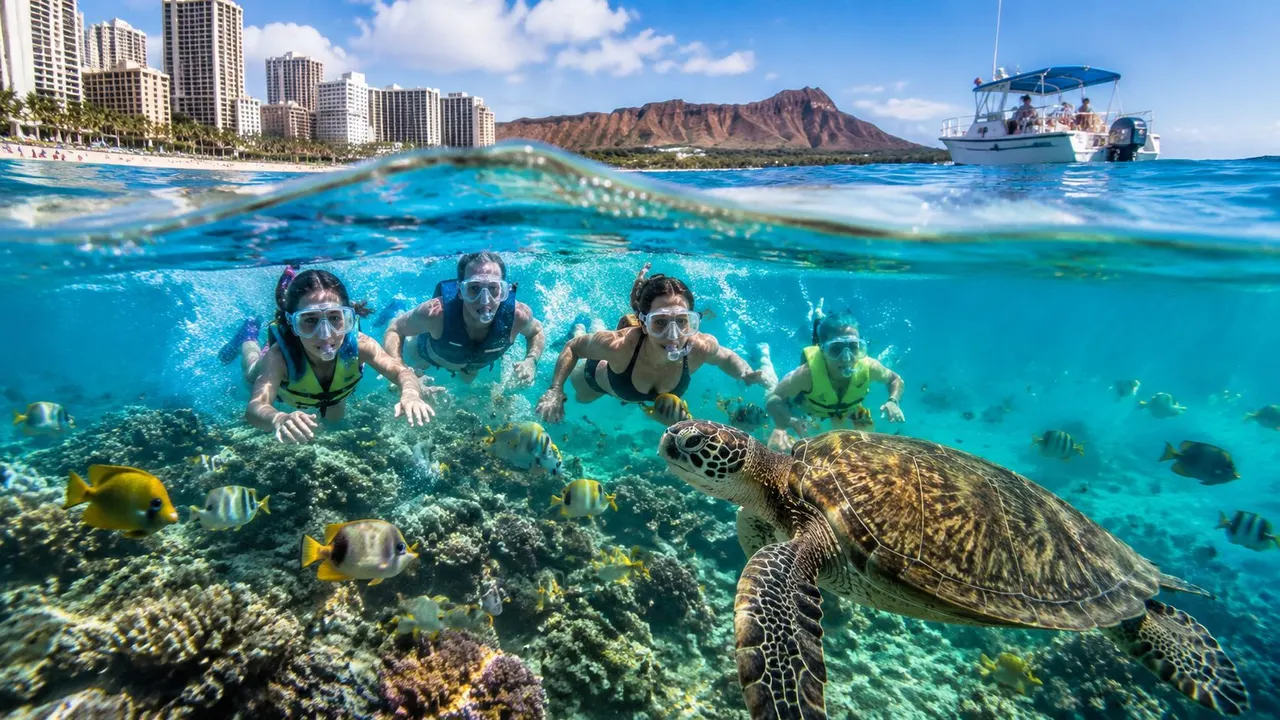
You're probably standing on Waikiki Beach right now, or planning that moment. The water looks calm. Diamond Head is in the background. Kids want to get in. Someone in the group is excited about seeing turtles, and someone else is wondering, “What if I'm not a strong swimmer?”
That's the key question most Waikiki snorkeling guides skip.
A lot of advice about snorkeling in Waikiki Honolulu is written for confident swimmers who don't mind figuring things out as they go. Families, nervous first-timers, older travelers, and non-swimmers need different advice. They need to know what works, what tends to go wrong, and how to enjoy the ocean without turning the day into a stressful test.
Waikiki can absolutely be a great place to snorkel. But the dream version usually doesn't happen by walking straight off the busiest part of the beach and hoping for the best. The better experience comes from understanding where the clear water is, when conditions line up, and why guided offshore snorkeling changes everything for safety, comfort, and wildlife sightings.
The Dream of Snorkeling in Waikiki
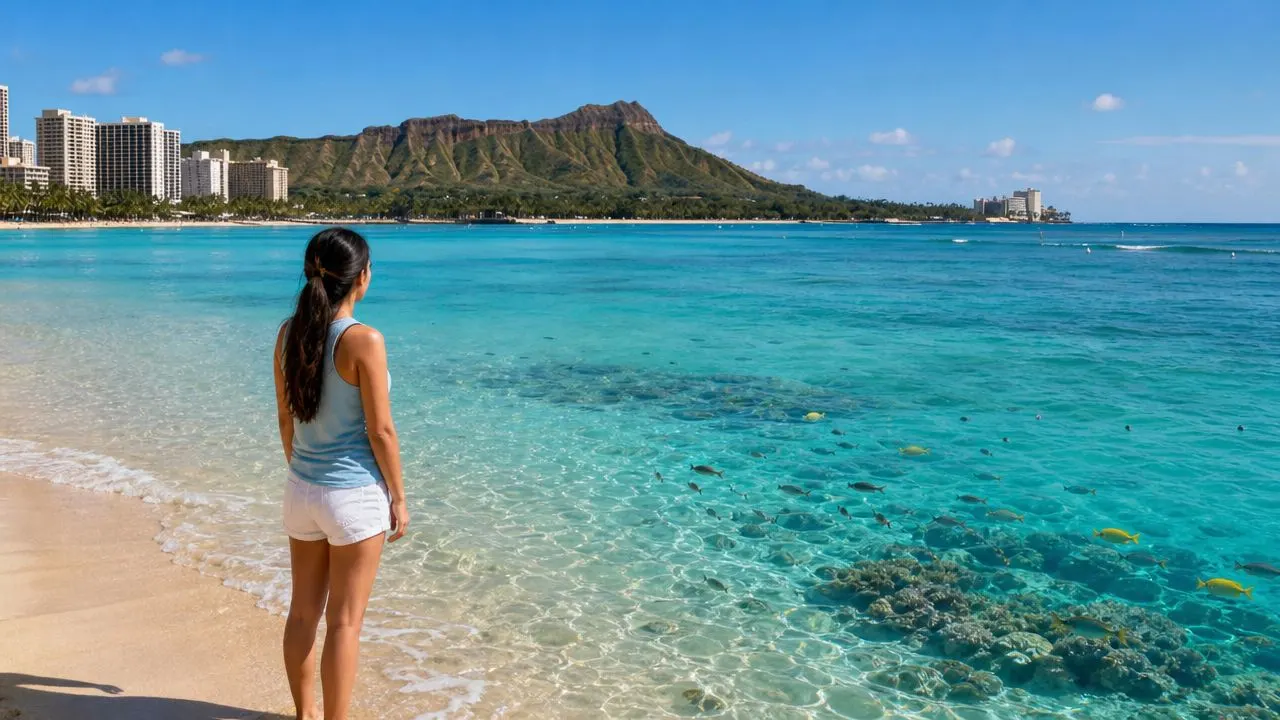
Waikiki sells a powerful image. You picture warm blue water, reef fish flashing under the surface, and a sea turtle gliding by while everyone in your group has the kind of day they talk about for years.
Then people wade in from the main beach and realize something fast. The shoreline is busy. The bottom gets stirred up. Visibility can be underwhelming. A child gets nervous when a wave bumps the mask. A parent starts holding everyone together instead of enjoying the water.
That doesn't mean snorkeling in Waikiki Honolulu is overrated. It means most visitors start in the wrong place or with the wrong setup.
What visitors hope for
Most families want four things at once:
- Easy water access
- Good visibility
- A real chance to see marine life
- An experience that feels safe for weak swimmers or non-swimmers
On Waikiki's main beach, you usually get only part of that mix. The view above water is beautiful. The underwater part often takes more planning.
Snorkeling in Waikiki gets much better once you stop treating the busiest beach stretch as the whole experience.
What the better version looks like
The stronger approach is simple. Use shore spots when you want a quick, casual look and conditions are friendly. Choose an offshore guided trip when the goal is clear water, more wildlife, less crowd pressure, and a calmer experience for people who need flotation and support.
That's where Waikiki starts delivering on the Hawaii postcard version. You move away from churned-up beach entries, into cleaner water, and into an environment where guides can help first-timers settle down and enjoy what's around them instead of fighting their gear.
Why Waikiki Snorkeling Requires a Smart Plan
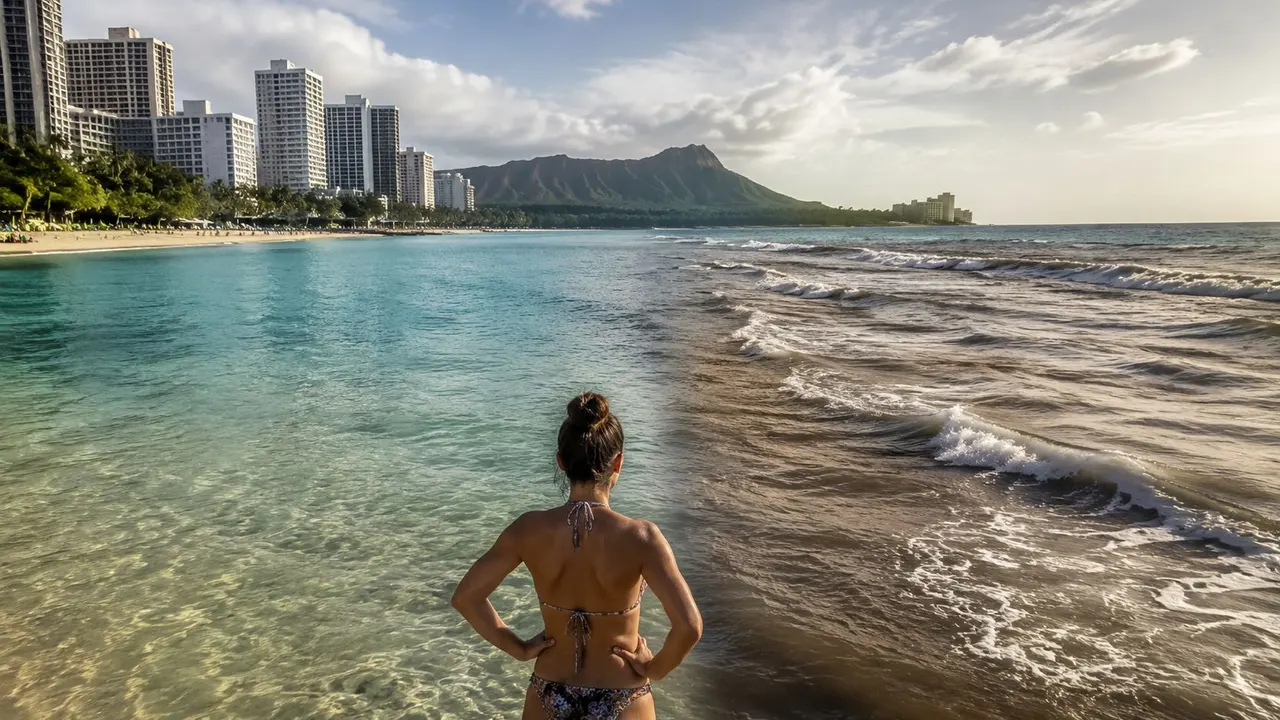
A lot of first-timers make the same call. The water looks calm from the sand, so they rent gear, walk straight in, and expect an easy hour of snorkeling. Ten minutes later, the mask leaks, the bottom feels uneven, a small wave hits the snorkel, and the person who was already nervous wants out.
That is why Waikiki rewards a plan.
The challenge is not that Waikiki is rough all the time. The challenge is that calm-looking shoreline conditions can hide the parts that matter most to beginners: where to enter, whether the water is clear enough to see anything, how much current is moving along the reef, and whether everyone in the group is comfortable floating with a mask on.
What visitors expect versus what they get
From the beach, Waikiki often looks like an easy place to snorkel. Underwater, the experience can be mixed. Nearshore sand gets stirred up. Busy swim areas add chop and distraction. Reef sections are not always obvious to someone visiting for the first time.
For a confident swimmer, that may just mean an average snorkel session. For an anxious beginner or non-swimmer, it can turn into sensory overload fast.
I tell visitors to separate two questions. "Can I get in the water here?" is different from "Will this feel safe and enjoyable once my face is in the water?" Waikiki beach entry often passes the first test and misses the second.
Why timing and setup matter
Morning usually gives you the best shot at cleaner water and an easier surface. By late morning or afternoon, more wind, more beach traffic, and stirred-up sand can make the inshore view much worse, even if the ocean still looks gentle from shore.
Setup matters just as much. A poor mask fit, cheap rental fins that slip, or a snorkel you have never practiced with can create problems in waist-deep water. Beginners rarely struggle because the reef is advanced. They struggle because too many small stressors pile up at once.
Before any beach day on Oahu, it helps to review how to spot rip current warning signs around Oahu beaches. Waikiki is more protected than many shorelines on the island, but current and water movement still deserve respect.
Why calm water still deserves respect
The biggest mistake I see is assuming shallow water is automatically low risk. It is not. Trouble usually starts small. Someone gets water in the snorkel, lifts their head too high, loses the fin footing, breathes fast, and stops thinking clearly. That can happen close to shore.
Groups with kids, older adults, weak swimmers, or anyone nervous in open water should plan around support, not pride. Use flotation. Test the mask in shallow water first. Keep sessions short. Skip the beach-entry snorkel if conditions are only "pretty good."
Practical rule: If anyone in your group is uneasy in the ocean, choose the option that reduces tasks in the water. Less walking over reef, less wave exposure at the shoreline, and more guide support usually leads to a much better day.
A smart Waikiki snorkeling plan is simple. Pick an early window, treat gear fit as part of safety, and be honest about swim comfort. If your goal is a relaxed first experience rather than a trial by beach entry, that choice matters more than people expect.
Waikiki Snorkeling Spots From Shore vs Offshore
A lot of visitors stand on the sand, look at the calm water, and assume the beach entry will be the easy option. In Waikiki, that is often backwards. For a strong swimmer with decent gear and good timing, shore snorkeling can be simple. For a first-timer, a non-swimmer using flotation, or anyone who gets nervous once water hits the mask, the walk-in entry is usually the hardest part of the day.
That is why shore and offshore snorkeling should be judged by effort in the water, not by distance from the hotel.
What shore spots are good for
The usual shore choices near Waikiki are Sans Souci and Queen's Beach. Both can be worthwhile for a short morning session when the ocean is settled and everyone in the group is comfortable in the water. You can see reef fish, practice with gear, and get in and out on your own schedule.
The trade-off is inconsistency. Visibility changes fast with surf, wind, and sand movement. Entry can also feel clumsy if you are trying to clear a snorkel, keep fins on, and avoid scraping reef at the same time.
| Option | Good fit for | Main trade-off |
|---|---|---|
| Sans Souci | Swimmers who want a quieter shore entry than central Waikiki | Reef access and visibility depend heavily on daily conditions |
| Queen's Beach | Visitors staying nearby who want a quick session without a boat booking | Crowds, sandy water, and busy swim zones can reduce the experience |
| Main Waikiki beach stretches | Very casual wading and mask practice | Better for getting comfortable than for memorable snorkeling |
For planning shore entries, this guide to Waikiki snorkeling spots near the main beach zones gives a helpful overview.
Why offshore usually feels easier for beginners
The offshore site that gets the most attention off Waikiki is Turtle Canyons. It stands out for two practical reasons. Water is often clearer than at the beach, and marine life is usually better. The State of Hawaii's ocean recreation guidance also reminds visitors to keep a respectful distance from sea turtles and other marine life while snorkeling in nearshore waters (Hawaii DLNR marine wildlife viewing guidance).
Clear water changes the experience fast. Nervous guests calm down when they can see the bottom and the fish around them. They stop guessing what touched their fin. They breathe slower. That matters more than any photo opportunity.
Just as important, offshore snorkeling removes the awkward shoreline factor. You are not trying to get past little waves with a foggy mask and borrowed fins. You enter from a boat, usually with crew instructions, flotation nearby, and a defined snorkel area.
A practical way to choose
Choose shore snorkeling when:
- Everyone swims comfortably without stress
- You want a short session and do not mind mixed visibility
- Your group is fine handling entry, gear adjustment, and self-navigation
Choose offshore snorkeling at Turtle Canyons when:
- You want the highest chance of seeing turtles and more active reef life
- Anyone in your group is anxious, inexperienced, older, or not a confident swimmer
- You want to skip the uneven beach entry and start in cleaner water
I have watched plenty of guests do poorly from shore, then relax once they are floating offshore with support. The distance from land sounds like the bigger hurdle. In practice, the beach entry is often the part that wears beginners out.
Guided Snorkel Tours The Best Way to Experience Waikiki
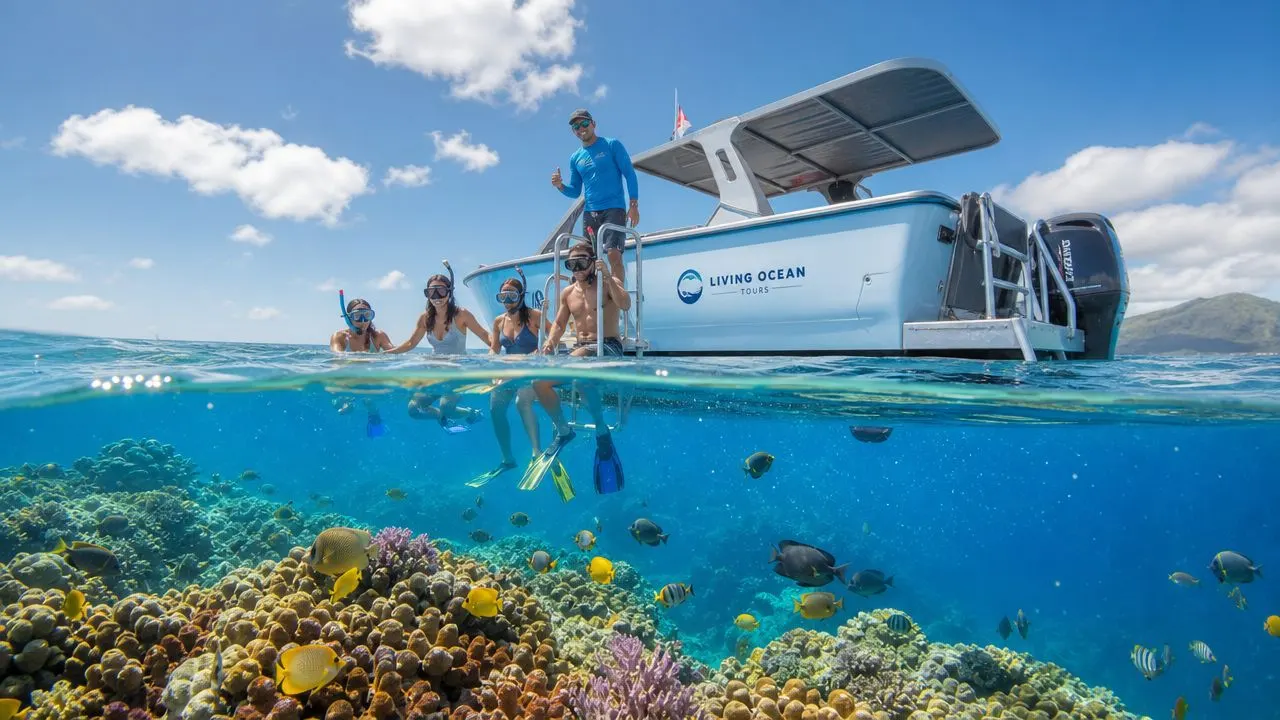
A common Waikiki scene goes like this. One person is excited, one is nervous, one cannot swim well, and someone ends up wrestling a mask in knee-deep water before the day even starts. Guided boat tours solve that problem better than shore attempts because the hard part happens before anyone is tired or frustrated.
That is why I usually point mixed-ability groups toward a boat trip first. Beginners do better with a crew, a ladder, flotation, and clear instructions than with a beach entry that looks easy from the sand.
Why boat tours work better for beginners
The difference is not just comfort. It is setup.
On a good tour, the crew checks mask fit before entry, explains how to clear a snorkel, shows guests where to hold if they want extra support, and keeps an eye on the people who freeze up once their face hits the water. That matters a lot for anxious first-timers and non-swimmers. They do not need to arrive with confidence. They need a controlled start and patient coaching.
I have seen guests who were sure they would stay on the boat end up happily floating over reef by the end of the trip. The change usually comes from small things done well: a slower briefing, a properly fitted mask, and a guide who notices rising stress early instead of after someone panics.
Tour options that fit different groups
One local operator worth considering is Living Ocean Tours' Waikiki snorkeling tours. The useful part for beginners is not branding. It is the format. Boat-based tours around Waikiki are often a better match for families, older guests, and travelers who want help in the water instead of figuring everything out on their own.
Group style matters too. Some trips focus on a calm snorkel stop with a lot of in-water support. Others add extra activity and suit families with kids who want a more playful outing. If turtles are the priority, choose a tour built around a dedicated snorkel site rather than a general cruise that happens to include masks and fins.
What good guides do that shore snorkeling cannot
The biggest advantage is how the morning unfolds. Guests get instructions before entry. They enter from a stable platform instead of timing waves at the shoreline. The crew keeps the group together in a known snorkel area. Support stays close the whole time, which is often what turns a tense first five minutes into a good first experience.
Independent snorkeling still has a place. Strong swimmers with their own gear may prefer the freedom. For anyone uncertain in the water, though, structure usually beats independence in Waikiki.
The easiest first snorkel is usually the one with the most support.
Seasonal Adventures Whale Watching and Sunset Cruises
A good Waikiki ocean day does not have to include snorkeling.
That matters more than many guides admit. Some visitors get excited about marine life, then realize at the beach that shore entry feels intimidating. Others have a non-swimmer in the family, a nervous first-timer, or grandparents who would rather stay dry and still be part of the day. Seasonal boat trips solve that well. You still get the coastline, wildlife, and fresh air without asking everyone in your group to be equally comfortable in the water.
Summer and winter call for different plans
Summer usually gives Waikiki its easiest snorkeling conditions. The water often feels calmer and more inviting, which helps beginners stay relaxed. Winter can still be beautiful, but it is a better time to stay flexible. If the wind is up, the swell is running, or someone in your group is already unsure about snorkeling, a sightseeing cruise is often the smarter call.
I recommend making that decision early, not after a stressful beach attempt.
Whale watching in season
Winter is humpback season, and that changes the whole mood of an ocean outing. Instead of focusing on mask fit, breathing, and entry nerves, guests can stay comfortable on board and watch for spouts, tail slaps, and breaches. For travelers who want a memorable marine experience without getting in the water, that is a strong alternative.
Living Ocean Tours offers a factual option for that through its Oahu whale watching guide, which helps with timing and what to expect during the season.
Sunset cruises for mixed-ability groups
Sunset cruises work year-round because they remove the pressure. One person can be an eager swimmer, another can be anxious in open water, and someone else may just want a calm ride with Diamond Head in the background. Everyone still shares the same outing.
That mix is common in Waikiki.
The main option already mentioned here is the Waikiki sunset cruise. The practical benefit is simple. You get time on the ocean without dealing with surf entry, gear, or the worry that comes with asking a non-swimmer to "just try it." For families and multi-generational groups, that trade-off often makes the day better for everyone.
If part of your group wants the ocean experience but not the in-water portion, a sunset cruise is often the easiest way to keep the day relaxed.
Your Waikiki Snorkeling Trip Checklist
Packing for a Waikiki snorkel day isn't complicated. Overpacking is more common than underpacking. The key is bringing what makes the day smoother and letting the operator handle the technical gear if you're on a tour.
What to pack
Use this as a practical checklist:
- Reef-safe sunscreen: Put it on well before boarding so it has time to absorb.
- Cover-up or rash guard: Good for sun protection before and after the snorkel.
- Towel and dry clothes: The ride back feels better when you're not staying damp.
- Hat and sunglasses: Useful on the boat, not in the water.
- Waterproof phone pouch or underwater camera: Only if you'll use it.
- Any personal medication: Keep it easy to reach and tell crew if something matters medically.
For a more complete prep list, this Oahu snorkel packing list covers the basics well.
How to watch turtles responsibly
Turtle encounters are memorable because they feel calm, not chaotic. Hawaiian green sea turtles at Turtle Canyon typically surface for air every 15 to 20 minutes, which gives snorkelers a natural viewing rhythm when they stay patient and respectful, according to this Turtle Canyon excursion review page.
Keep the rules simple:
- Don't touch turtles
- Don't dive down toward them
- Don't block their path to the surface
- Let the animal choose the distance
Getting to the boat
Most Waikiki snorkel tours depart from Kewalo Basin Boat Harbor, which is a short ride from Waikiki by car or rideshare. That's one reason guided tours are easy for visitors without rental cars. You can stay in Waikiki, leave the driving alone, and still get offshore to the better reef areas without much hassle.
Frequently Asked Questions About Waikiki Snorkeling
Is it safe for non-swimmers to snorkel in Waikiki
It can be, but the setup matters. Non-swimmers should skip improvised beach entry attempts and choose a guided boat tour with flotation, instruction, and in-water supervision. That's usually the most comfortable and least stressful path.
What marine life might I see besides turtles
Expect reef fish first. The exact mix changes by location and conditions, but colorful tropical fish are the most common sighting. On stronger offshore reef days, the underwater scenery usually feels much more alive than the main beach areas.
Can I just snorkel from Waikiki Beach
Yes, you can. It just isn't usually the most rewarding version of Waikiki snorkeling. Shore options can work for a short session, especially if everyone swims confidently and conditions are good. Offshore reef trips are the better choice when you want clearer water, easier viewing, and a more dependable wildlife experience.
What is the best time of day to go snorkeling
Morning is usually the smart play. Earlier conditions are often calmer and clearer before the day's wind picks up and stirs sand inshore.
Is Turtle Canyons worth it for first-timers
For many visitors, yes. It combines offshore clarity, a strong chance of seeing turtles, and a simpler entry than many beach snorkel attempts. First-timers often do better when the experience is structured and the destination is chosen for actual snorkeling quality rather than convenience alone.
If you want an easy way to turn a Waikiki beach day into a better ocean experience, Living Ocean Tours offers guided snorkeling, sunset cruises, and seasonal whale watching from Kewalo Basin near Waikiki.


