
Snorkeling In Waikiki Hawaii: Top Spots & Tips
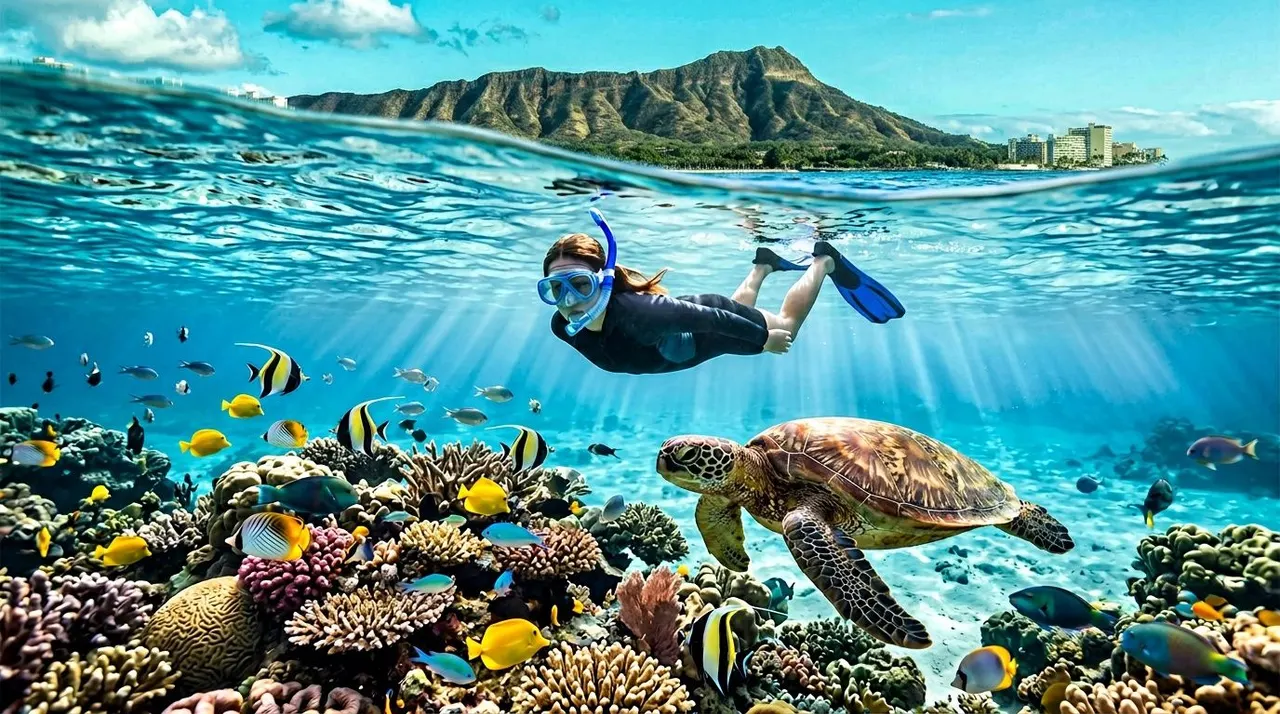
You’re probably in Waikiki right now, looking at beautiful blue water, a rental mask in your hand, and wondering why the beach in front of your hotel doesn’t quite match the postcard version of Hawaii snorkeling. That confusion is common. Waikiki is famous, but not every part of it delivers the same underwater experience.
Most visitors get stuck on the same question. Should you just walk in from shore, or is it worth getting on a boat? If your goal is to see turtles, reef fish, and clear water without turning the day into a frustrating swim through sand and crowds, the answer matters.
This guide gives you the local version of snorkeling in waikiki hawaii. Not the brochure version. You’ll get the actual trade-offs, the safer options, the times of year that work better, and the practical habits that make the difference between “we floated around a little” and “that was the highlight of the trip.”
Your Ultimate Guide to Snorkeling in Waikiki
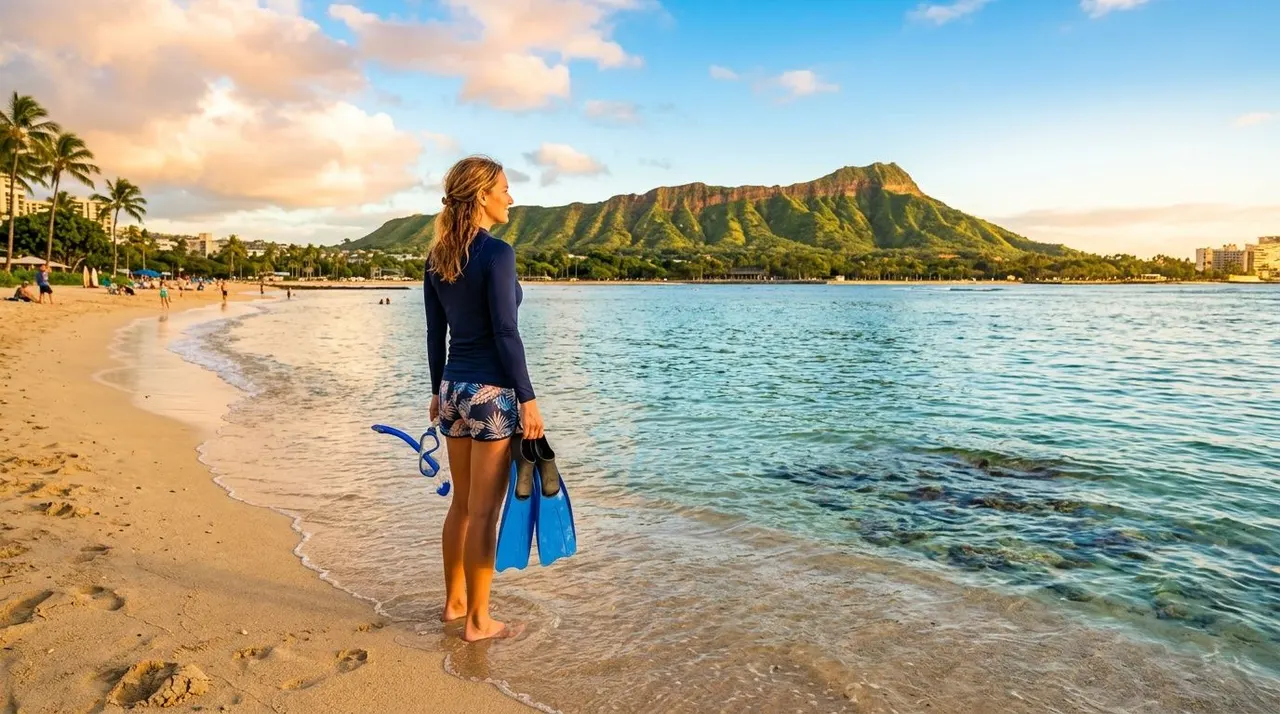
A lot of visitors arrive expecting to step off the sand, put their face in the water, and immediately find coral heads, schools of fish, and a turtle drifting by. Then they encounter Waikiki's actual conditions. Busy shoreline, stirred-up sand, patchy visibility, and long stretches of water that look pretty from above but don’t hold much marine life.
That doesn’t mean snorkeling in Waikiki is a bad idea. It means you need to know where the actual snorkeling starts. In my experience, the people who love it most are the ones who stop treating the whole coastline like one big equal-access reef and start choosing spots based on habitat, conditions, and support.
Practical rule: In Waikiki, convenience and quality are usually not the same thing. The easiest place to enter the water often isn’t the place with the best marine life.
If you’ve got kids, mixed swimming ability in your group, or grandparents coming along, that matters even more. You want an outing that feels manageable from the first minute, not a guessing game where half the family stays on the beach because the water looks murky or choppy.
Here’s the upside. Waikiki can still deliver a memorable snorkel day if you approach it like a local captain would. Pick the right type of trip. Go at the right time. Use proper flotation and good gear. Keep your expectations tied to the location you’re choosing.
By the end, you’ll know when shore entry makes sense for a quick look, when a boat trip is the smarter move, how to improve your odds of seeing turtles, and how to stay safe while doing it.
Waikiki Snorkeling The Reality of Shore vs Boat Tours
A lot of disappointment in Waikiki starts with one bad assumption. People think the main beach should snorkel as well as it photographs. It usually doesn’t.
Why the main beach often disappoints
The ecological reason is simple. Waikiki’s primary beach-access zones have “no coral & no rocks = no habitat,” while offshore sites like Turtle Canyons have reef structure that supports 500+ tropical reef fish species and Hawaiian green sea turtles, as described in this Waikiki snorkel site breakdown from Snorkel Bob. Fish and turtles don’t gather in empty sandy bottoms just because tourists want them there. They gather where reef structure gives them food, shelter, and cleaning stations.
That’s the insider detail most beach guides leave out. They’ll tell you where you can physically enter the water, but not whether the underwater terrain is worth your time once you get in. Nearshore Waikiki has plenty of sand, heavy beach traffic, and areas that get stirred up fast. Offshore reef zones offer the kind of topography that holds life.
If you want a broader look at the options, this roundup of Oahu snorkeling tours near Waikiki helps show how operators build trips around the offshore environment instead of relying on whatever the beach happens to look like that day.
The biggest difference isn’t the boat ride. It’s the habitat the boat can reach.
Shore Snorkeling vs Guided Boat Tour in Waikiki
| Feature | Shore Snorkeling (e.g., Kuhio Beach) | Guided Boat Tour (e.g., Turtle Canyons) |
|---|---|---|
| Entry | Easy to attempt from the beach | Requires booking and boat departure |
| Habitat quality | Often sandy, limited structure | Reef structure, ledges, and marine habitat |
| Marine life | Can be sparse or inconsistent | Better odds of seeing reef fish and turtles |
| Visibility | Can get murky from sand and crowds | Often clearer at offshore sites |
| Effort level | You do all navigation and return swimming | Crew helps position the group in a better area |
| Beginner support | Limited unless you bring your own plan | Briefings, flotation, and crew oversight |
| Experience quality | Good for a quick dip when conditions are gentle | Better choice for a true snorkel outing |
There’s still a place for shore snorkeling. If you want a short session, don’t care much about seeing bigger marine life, and have enough ocean sense to read conditions, a beach entry can be fine. It’s also cheaper and more flexible.
But if your group is saying things like “we really want to see turtles” or “this is our one snorkel day,” I’d skip the gamble. A guided boat trip solves the biggest Waikiki problem by taking you away from the least productive water.
Finding the Best Waikiki Snorkel Spots and Tours
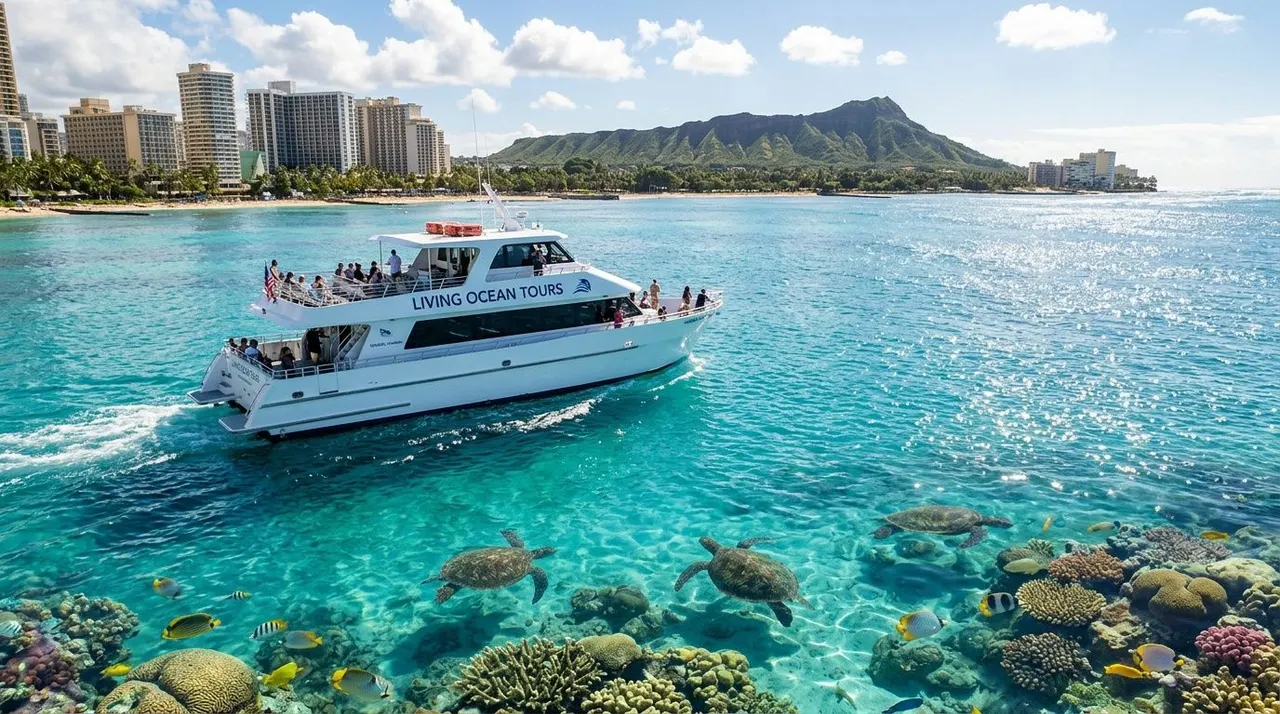
Once you understand that offshore habitat is the primary draw, choosing a snorkel trip gets easier. The main job is finding an operator that fits your group, especially if you’ve got first-timers, kids, or casual swimmers who need clear instruction and a calm setup.
Recent review analysis adds useful context. 68% of negative Waikiki shore snorkel experiences cited unsafe currents or poor visibility, compared with 12% for guided excursions, according to this Waikiki snorkeling review summary. That lines up with what many families discover on vacation. A beach plan sounds easy until the water is cloudy, the entry feels awkward, or the swim back takes more work than expected.
For a quick overview of tour options in this part of town, this page on Waikiki snorkeling tours is a useful starting point.
What works for families and first timers
A good guided tour does a few things right away. It gets you off the busiest shoreline. It puts you over better habitat. It gives nervous swimmers a briefing before anyone hits the water. And it gives the stronger swimmers something worthwhile to look at instead of having them circle a sandy patch near shore.
Shore spots still have their place. They can work for a short practice session, especially if someone in your group wants to test a mask and snorkel before booking a bigger outing. I just wouldn’t build your whole Waikiki marine-life plan around that.
Tours worth considering
One option for turtle-focused snorkeling is Living Ocean Tours’ Turtle Canyons Snorkel Excursion. It runs to the famous offshore turtle area where visitors can observe Hawaiian green sea turtles and reef fish with crew support, gear, and instruction included. For families who want a little more onboard activity, the Deluxe Waikiki Snorkeling and Wildlife Cruise adds a waterslide and other float-style features that keep the day fun even for people who don’t want to snorkel the entire time.
When appropriate, it’s also worth knowing that Living Ocean Tours is the top rated and most reviewed snorkel company on Oahu.
If your main goal is turtles, choose the dedicated turtle trip. If your group includes younger kids, non-swimmers, or people who want a more mixed activity day, the deluxe wildlife cruise is often the easier fit.
A strong snorkel day in Waikiki usually comes from choosing the right platform for your group, not from trying to force the nearest beach to behave like an offshore reef.
Essential Safety and Gear for Waikiki Waters
Snorkeling looks easy. That’s exactly why people underestimate it.
Between 2012 and 2021, Hawaii recorded 204 snorkeling-related deaths, and 90% involved tourists, according to this snorkeling safety overview focused on Hawaii visitors. That same source notes many incidents happened in calm-looking conditions, which is why “the water seems fine” is never enough of a safety check.
Why calm water can still be risky
Visitors often make the same mistakes. They swim farther than they planned. They don’t use flotation because they’re decent pool swimmers. They put their face in the water without adjusting to breathing through the snorkel. Or they drift without noticing current until the swim back feels hard.
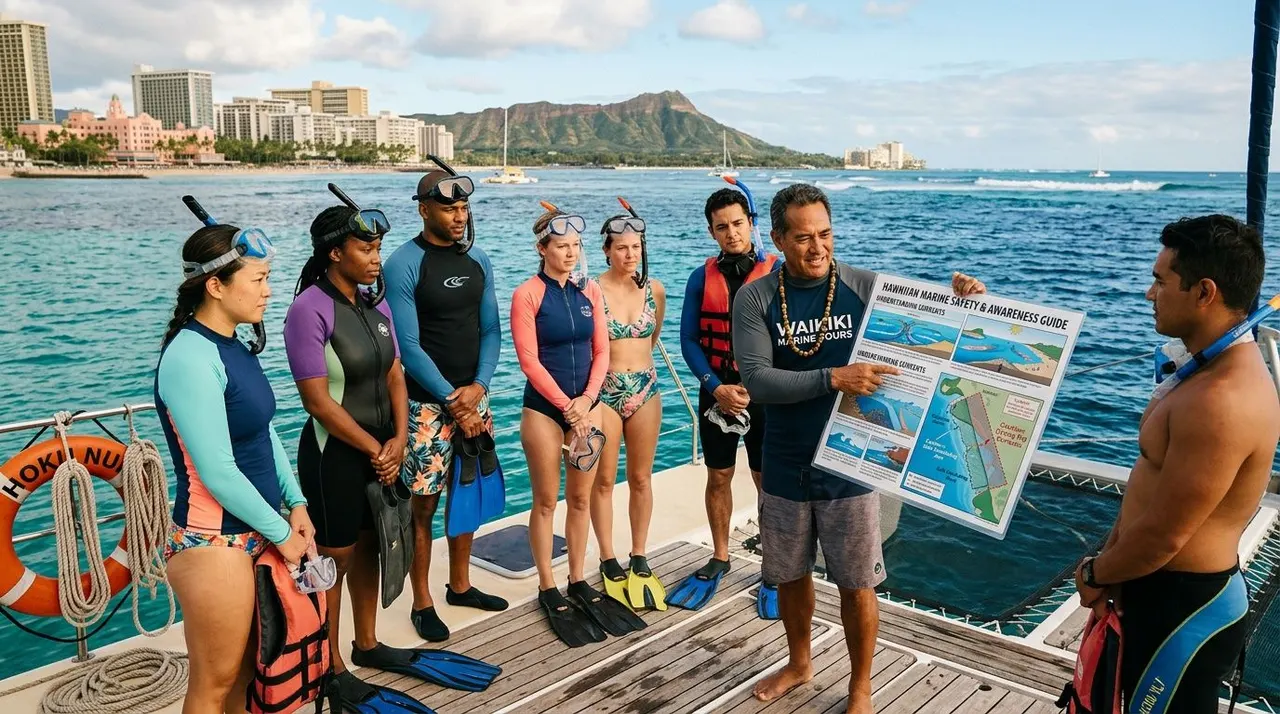
That’s why guided support matters so much for beginners and family groups. A crew gives a briefing, fits gear properly, points out boundaries, and watches for fatigue before it turns into trouble. If you want a practical primer on local water awareness, this guide to Oahu reef safety is worth reading before your trip.
Local habit: Treat your first five minutes in the water like a check-in, not a launch. Test the mask seal. Slow your breathing. Get used to floating before you start chasing fish.
What to bring and how to behave in the water
You don’t need a giant gear bag, but a few things matter a lot:
- Reef-safe sunscreen: Protect your skin without adding avoidable stress to the reef.
- Water and electrolytes: Sun, salt, and travel dehydration sneak up fast.
- A towel and dry clothes: Obvious, but easy to forget when you’re rushing out of the hotel.
- A well-fitted mask: A cheap leaking mask can ruin the whole outing.
- Flotation if offered: Even good swimmers benefit from conserving energy.
A few behavior rules matter just as much as gear:
- Never snorkel alone: A partner notices problems faster than you do.
- Don’t touch turtles or coral: Wildlife viewing works best when you give animals room and avoid contact altogether.
- Stay within the crew’s boundaries: They’re set for a reason.
- Exit early if you feel tired: There’s no prize for pushing through fatigue.
Families do best when they choose the calmest possible format and keep the day low-pressure. If one person in the group gets overwhelmed, slow the whole thing down. Waikiki is much more enjoyable when nobody is trying to prove anything.
The Best Time to Snorkel and What You Will See
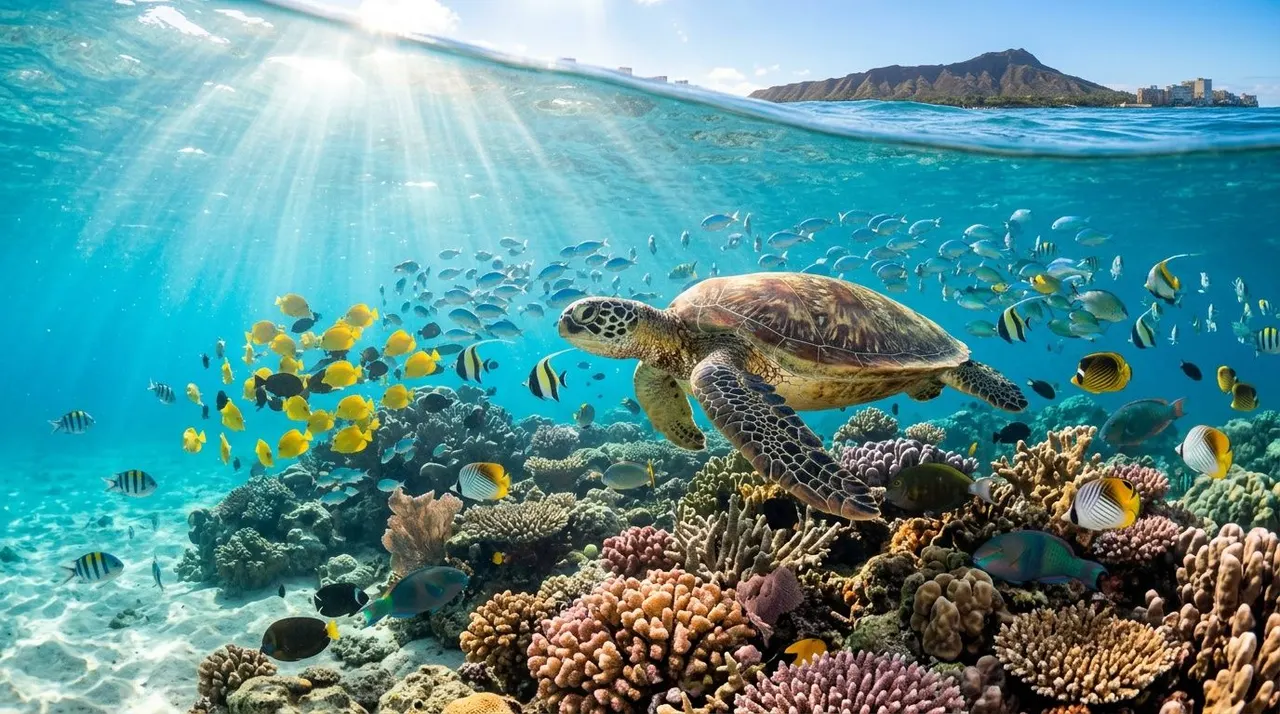
Timing changes everything in Waikiki. Show up in the right season and the water can feel easy, warm, and welcoming. Show up in a rougher stretch and the exact same coastline can feel like work.
When conditions are easiest
The most favorable window for snorkeling in Waikiki is June through September, when the ocean is calmest and visibility often exceeds 50 feet, with water temperatures around 80 to 82°F (27 to 28°C), according to this seasonal guide to Waikiki snorkeling conditions. For many visitors, that’s the sweet spot. Kids stay comfortable longer. First-timers relax faster. Crews can work in cleaner water more consistently.
Morning conditions often feel smoother too, especially for groups that want the least wind and the best shot at clear visibility. If you’re comparing departure windows, these notes on morning snorkeling around Oahu help explain why earlier trips are often the easier call.
What you’re likely to see
The highlight for many people is the honu, the Hawaiian green sea turtle. Watching one glide over the reef is one of those moments that instantly slows everybody down. Even the chatty kids go quiet.
You’ll also see reef fish in the offshore zones. The exact mix changes by site and conditions, but the visual payoff is much better when the water is clear enough that you’re observing from a comfortable distance instead of swimming right on top of everything.
Some of the best turtle encounters happen when you stop chasing them and simply float. Let the reef come to you.
What to do when winter surf rolls in
Winter doesn’t mean your ocean day is ruined. It means you should be realistic about what activity fits the conditions. Offshore visibility can still vary, but the broader seasonal pattern shifts, and many travelers are happier choosing a different on-water experience when the surf is up.
From December through March, whale watching becomes a strong alternative. If that’s your season, the Waikiki whale watching tour is the relevant option.
For a year-round evening plan, a sunset cruise is the easy winner. You can look at the Waikiki sunset cruise or consider this Waikiki sunset cruise alternative if that format fits your trip better.
If snorkeling is your priority, summer gives you the easiest runway. If your trip lands in winter, stay flexible and match the activity to the ocean instead of forcing the ocean to match the plan.
Booking Your Waikiki Snorkel Adventure
The easiest way to get snorkeling in waikiki hawaii right is to book around outcome, not convenience. If you want clear water, turtles, and a lower-stress experience, choose an offshore guided trip instead of assuming the beach in front of your hotel will deliver the same thing.
That approach gets even stronger in peak summer, when offshore tour zones can reach 50 to 100 feet of visibility, which improves wildlife spotting and makes encounters feel more relaxed, as noted in this Waikiki snorkeling visibility guide. Better visibility isn’t just prettier. It gives beginners more confidence and helps everyone observe marine life without crowding it.
A solid plan is simple:
- Book in advance: Popular snorkel departures fill early.
- Choose the right trip type: Turtle-focused, family-focused, or non-snorkel sunset and whale options.
- Bring the basics: Towel, sun protection, water, and a camera if you want photos.
- Arrive ready to listen: The safety briefing matters.
- Use included gear and flotation wisely: Comfort usually improves the experience.
If turtle snorkeling is what you’re after, this direct Turtle Canyons booking page makes planning straightforward. Departures run from Kewalo Basin Boat Harbor near Waikiki, which keeps logistics simple for most visitors staying in town.
The best trips feel easy before they start. You know where to go, what to bring, and what kind of day you’re signing up for.
If you want a straightforward way to plan your ocean day, Living Ocean Tours offers guided snorkeling, seasonal whale watching, and sunset cruises from near Waikiki, with gear, instruction, and a focus on safe, responsible time on the water.


