
Snorkeling in Waikiki Hawaii: A Beginner’s Guide for 2026
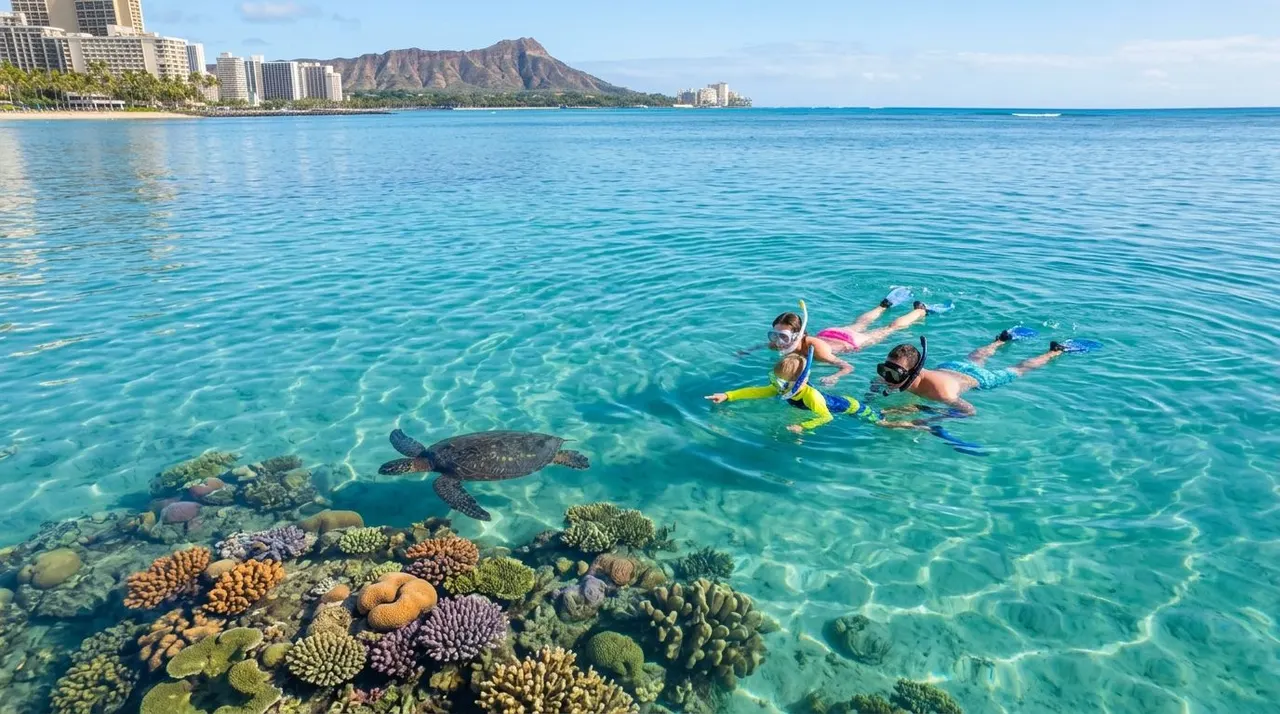
You've made it to Waikiki. The beach looks calm, the water is warm, and somebody in your group is already asking the question that matters most. Can we do this safely if we've never snorkeled before?
That's the right question.
Snorkeling in Waikiki, Hawaii can be a fantastic first ocean experience for couples, families, grandparents traveling with kids, and anyone who wants marine life without committing to scuba. It can also go sideways fast when visitors assume calm-looking water means risk-free water. The difference between a fun morning and a stressful one usually comes down to one thing. Going in with a plan.
Most visitors don't need more beach hype. They need straight answers. Where are the easiest conditions? What happens after rain? Is shore snorkeling enough, or is a boat tour the smarter move? If you want turtles, how do you do that without guessing?
This guide is built for that exact moment. You want the magic of Hawaiian green sea turtles, reef fish, and clear blue water. You also want your kids, parents, or partner to feel comfortable from the first minute in the water.
Welcome to Waikiki Your Underwater Adventure Awaits
A lot of first-timers arrive with the same mix of excitement and hesitation. They've spent the morning looking out from the sand, watching catamarans offshore and seeing water so blue it hardly looks real. Then the practical questions show up. Is this something the kids can handle? Will Grandma be comfortable on the boat? Are we going to see anything besides sand?
The good news is that snorkeling in Waikiki, Hawaii can be approachable for beginners. You don't need scuba training. You don't need a wetsuit for typical conditions. You do need to choose the right kind of outing for your swimming ability, your group, and the ocean that day.
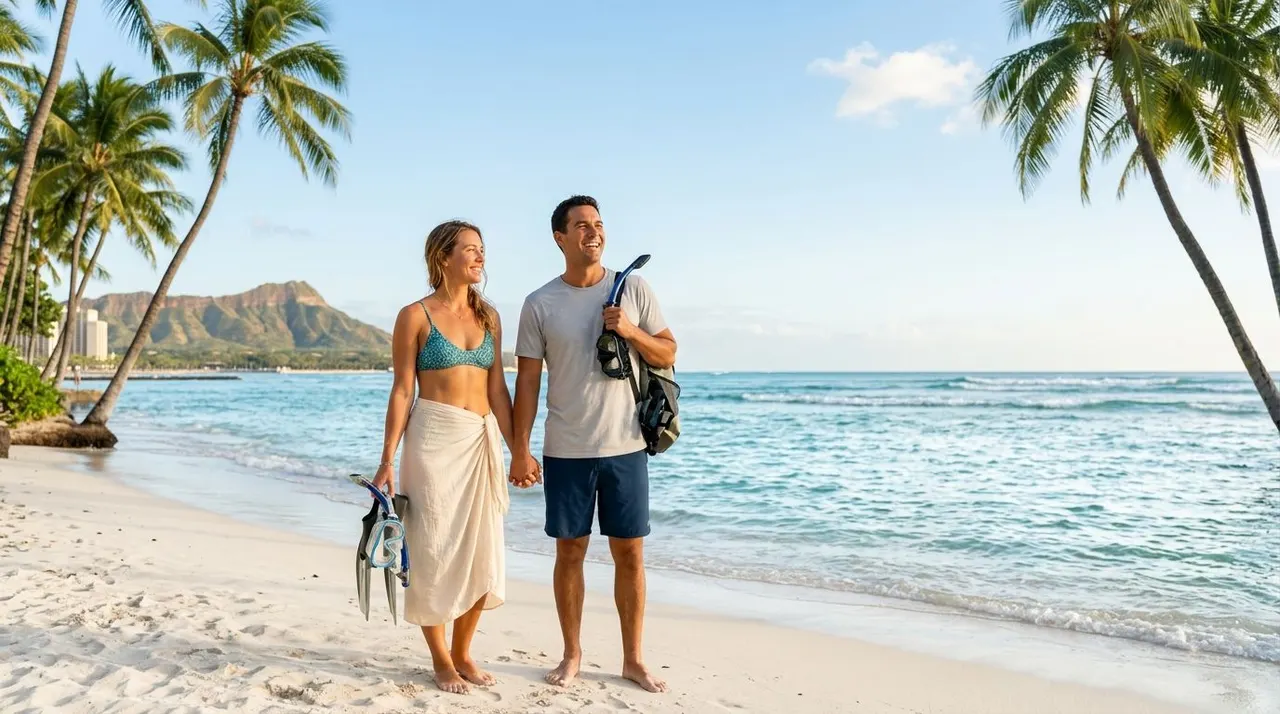
What keeps people coming back is simple. Waikiki gives you access to tropical fish, reef structure, and on the right trip, a real chance to see honu in clear offshore water. For families, that's the kind of vacation memory that sticks. For couples, it's one of the easiest ways to get off the sand and experience the ocean instead of just looking at it.
Local perspective: The happiest first-time snorkelers usually aren't the strongest swimmers. They're the people who pick conditions and support that match their comfort level.
If you're nervous, that's normal. If you're excited, even better. The goal isn't to be brave. The goal is to be prepared enough that the fun part can take over once your mask goes in the water.
Why Waikiki is Perfect for Your First Snorkel Adventure
Waikiki works well for beginners because it removes a lot of the barriers that make first snorkel days feel complicated. You're already staying near the water. The boat harbors are close. The coastline is familiar, busy, and easy to access. That convenience matters when you're traveling with children, older relatives, or anyone who doesn't want a full-day logistics project.
Another reason beginners do well here is comfort in the water. Hawaii's ambient water temperature averages 77°F (25°C) year-round, eliminating the necessity for wetsuits in Waikiki snorkeling and enabling thermal comfort for extended reef exposure without expert insulation. This thermal stability is ideal for beginners and families, according to this Waikiki snorkeling guide.
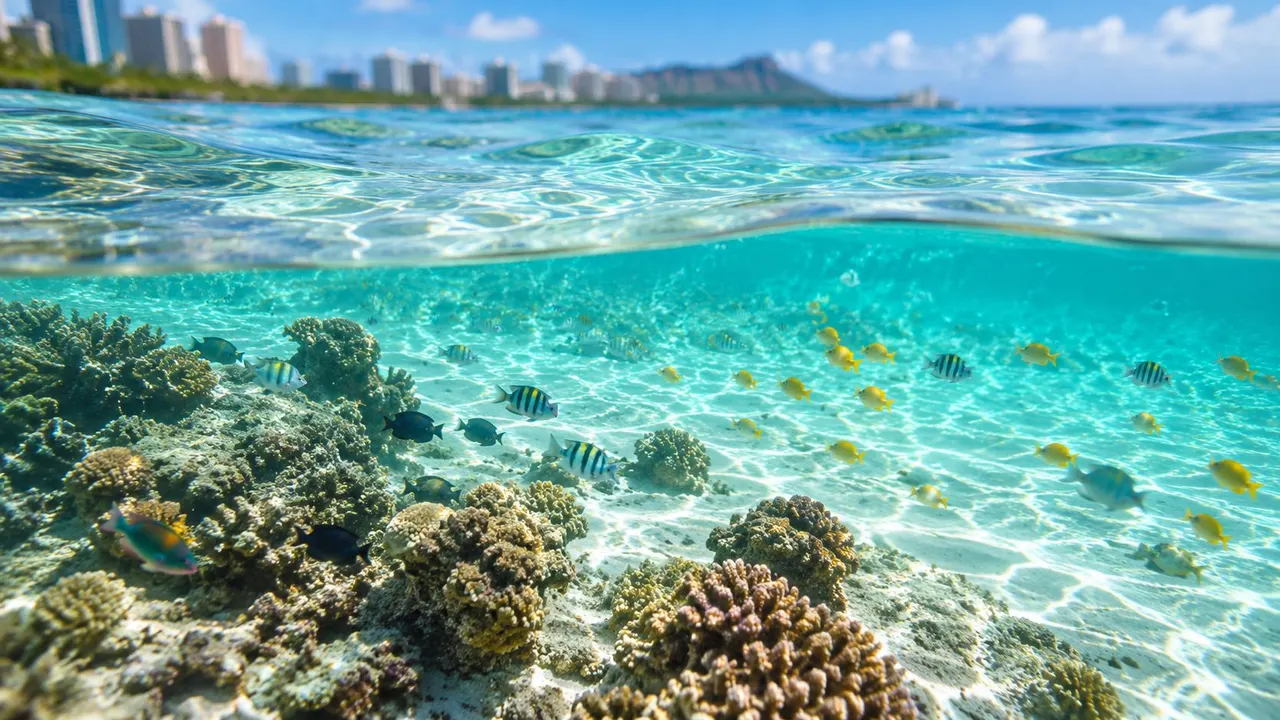
What makes it beginner-friendly
Waikiki has a few built-in advantages for first-timers:
- Warm water: People relax faster when they aren't cold.
- Easy access: You can get from hotel to harbor or beach without burning half the day.
- Plenty of tour options: You can choose a low-pressure outing rather than forcing a DIY plan.
- Good entry point to marine life: You don't need advanced skills to enjoy fish, reef, and offshore turtle habitat.
For visitors deciding where to start, this roundup of Waikiki snorkeling spots is a useful way to compare general options before you commit to one.
Calm doesn't always mean ideal
Visitors often get tripped up. Waikiki can look gentle from shore and still deliver a disappointing or stressful snorkel if you pick the wrong setup. Nearshore areas may be crowded. Visibility can be average instead of memorable. Some beach entries are fine for splashing and floating but not the most rewarding place for a family that wants a real reef experience.
Calm surface water is only part of the picture. Entry, visibility, crowding, supervision, and wildlife access matter just as much.
That's why beginners often do better offshore with guidance than they do trying to sort it out alone from the beach. The easiest first snorkel isn't always the cheapest one. It's the one that removes uncertainty.
Exploring Your Two Main Snorkeling Options
Visitors in Waikiki usually end up choosing between two paths. They either rent or bring gear and try DIY shore snorkeling, or they book a guided boat tour. Both can work. They just work for different priorities.
If your main goal is keeping costs down and staying casual, shore snorkeling can be tempting. If your main goal is safety, convenience, and seeing better marine life, guided tours are usually the stronger fit.
Shore snorkeling vs guided boat access
Here's the practical comparison most families wish they had before day one.
| Feature | DIY Shore Snorkeling | Guided Boat Tour |
|---|---|---|
| Access | Easy to start from the beach | Requires reservation and check-in |
| Gear | You manage rentals or bring your own | Gear is typically provided |
| Support | Little to none once you're in the water | Safety briefing and crew support |
| Wildlife reliability | Can be hit or miss near shore | Better access to offshore reefs |
| Crowds | Often more crowded | Usually away from the busiest beach areas |
| Conditions | Harder for visitors to judge accurately | Crew helps assess and manage conditions |
| Best for | Confident swimmers who want flexibility | Beginners, families, and visitors wanting a smoother day |
For a more detailed side-by-side look, this page on Waikiki snorkeling vs tours covers the same choice from a local planning angle.
Where shore snorkeling works and where it falls short
Shore snorkeling works best when everyone in your group is already comfortable in open water, knows how to clear a snorkel, and doesn't need close support. It's also better for travelers who are okay with a lighter wildlife experience and understand that some days will be better than others.
The downside is that visitors often underestimate the friction. You have to choose a spot, get gear that fits, monitor the ocean, manage kids or older family members, and decide when conditions are no longer worth pushing. That's a lot for a vacation morning.
Why guided tours make sense for most visitors
A guided boat tour removes several weak points at once. You don't have to guess where to go. You don't have to wonder whether the area will be crowded. You don't need to troubleshoot rentals on the fly. Most important, you have trained crew nearby from the start.
For families and beginners, that support changes the feel of the day. Instead of spending energy on setup and uncertainty, you spend it looking down at fish, watching your kids get comfortable, and enjoying the water.
The right tour doesn't just take you somewhere prettier. It lowers the number of decisions you have to make while you're around the ocean.
That's why many first-time visitors who try both eventually prefer the boat option. It's less improvisation and more actual snorkeling.
A Realistic Guide to Waikiki Snorkeling Safety
This is the part many beach guides soften too much. Snorkeling looks easy, and often it is. But Hawaii's safety record makes one thing clear. Visitors should treat it with respect from the beginning.
Snorkeling is the leading cause of injury-related death for tourists in Hawaii, with many fatalities occurring in shallow water. Most victims are unfamiliar with snorkeling techniques or have underlying health conditions, highlighting the critical need for guided, safety-briefed tours, especially for beginners, according to this Civil Beat report drawing on State Department of Health data.
Why people get into trouble
The danger usually isn't dramatic surf. It's a chain of smaller problems.
A visitor inhales a little water. They panic because they've never used a snorkel before. They're tired, embarrassed, or trying not to alarm the rest of the group. Or they have a pre-existing condition and overestimate how easy floating and breathing through a snorkel will feel.
That same report notes that since 2005, more than 128 visitors have drowned while snorkeling in Hawaiian waters, over half of all visitor drowning deaths in the last 10 years occurred during snorkeling, most victims were men in their 50s and 60s, and more than 40 percent had pre-existing heart conditions. It also notes that most fatalities occurred in less than 3 feet of water and roughly 14 percent of drowning victims had traces of alcohol in their system. Those details matter because they show the problem isn't only rough offshore water. It can happen in calm, shallow conditions when someone isn't prepared.
The biggest beginner mistake
Many visitors think flotation alone makes snorkeling safe for non-swimmers. It doesn't.
A closer look at the beginner question is in this article on Oahu rip current clues and ocean awareness, but the practical takeaway is simple. People with very low swim confidence need direct support, not just equipment.
The verified reporting on this topic is blunt. Content aimed at visitors often treats “beginner” and “non-swimmer” like they mean the same thing. They don't. Some travel sources warn there is no safe place for non swimmer to snorkel without the strict conditions that come with professional supervision, flotation, and controlled support. That's especially important for families with kids who may love the idea of snorkeling long before they have the confidence to handle it well.
What actually works
For beginners and multi-generational groups, the safest approach looks like this:
- Choose a guided outing: You want a safety briefing, crew oversight, and a clear entry process.
- Use flotation if offered: It helps with energy conservation and comfort, but it is not a substitute for supervision.
- Skip alcohol before snorkeling: Water judgment matters.
- Be honest about health issues: If someone has a heart condition or low stamina, plan more conservatively.
- Practice with the mask first: Let nervous swimmers get used to face-in-water breathing before they drift away from the boat.
Practical rule: If someone in your group says, “I can't really swim, but I'll just stay close,” that person should not be doing unguided shore snorkeling.
The goal isn't fear. It's removing preventable risk so the ocean stays fun.
The Best Guided Snorkel Tours The Living Ocean Experience
A lot of Waikiki visitors want one thing from snorkeling. Easy logistics, clear instruction, and a real chance to see turtles without turning the day into a stressful swim mission. For families, first-timers, and anyone who feels more relaxed with crew support nearby, a guided boat tour usually makes the day simpler and safer.
One operator many visitors look at is Living Ocean Tours, a Honolulu-based company running guided snorkeling trips near Waikiki. If you're comparing operators, their tours are a popular choice for visitors who want boat access to offshore sites instead of trying to sort out shore entries, parking, gear, and conditions on their own.
Why offshore tours change the experience
The main advantage is access. Turtle Canyon is an offshore reef system 2.5 miles from Waikiki, making it inaccessible by shore swimming. It is a natural "turtle cleaning station" renowned for consistent sightings, making guided boat tours the only safe and viable method for experiencing this iconic snorkeling site, according to this overview of Turtle Canyon's Waikiki location.
That offshore setup changes the day in practical ways. Beginners get a defined entry point, a crew-managed return point, and guidance on where to snorkel instead of guessing from the beach. Parents also avoid one of the biggest headaches in Waikiki snorkeling, which is trying to judge current, distance, and fatigue while also keeping an eye on kids.
On turtle-focused outings, reliability matters. Living Ocean Tours says its Turtle Canyon Snorkel Excursion has a documented 95% success rate for swimming alongside Hawaiian Green Sea Turtles (Honu) on the company's Turtle Canyon snorkel excursion page. That doesn't guarantee wildlife on every trip, because this is still the open ocean, but it does give visitors a stronger shot than picking a random shoreline spot and hoping conditions line up.
You can view the full Turtle Canyons Snorkel Excursion here.
Two tour styles that fit different travelers
Tour choice usually comes down to your group's comfort level and attention span.
The turtle excursion is a better fit for visitors who want focused snorkel time and a straightforward plan. The company states that participants get approximately 45 to 60 minutes of dedicated in-water snorkeling time on this Turtle Canyon adventure page. A separate overview from Kona Snorkel Trips on Turtle Canyon conditions and trip length notes that visibility in the area is often strong and that these outings generally run a few hours including the boat ride and safety briefing.
That structure works well for adults, older kids, and beginners who do better with a clear start, a defined snorkel window, and crew nearby if they need help adjusting their mask or settling in.
If your family wants more variety, the Waikiki snorkel waterslide tour can be a better match. It gives mixed groups more room to enjoy the boat itself, which helps when one person wants to snorkel the whole time and another is happier swimming, riding the slide, or staying aboard between dips.
Planning Your Perfect Waikiki Snorkel Day
A good snorkel day starts before you step onto the boat. Timing, weather, and what you pack all make a difference. By applying a little local logic, visitors can save themselves a lot of hassle.
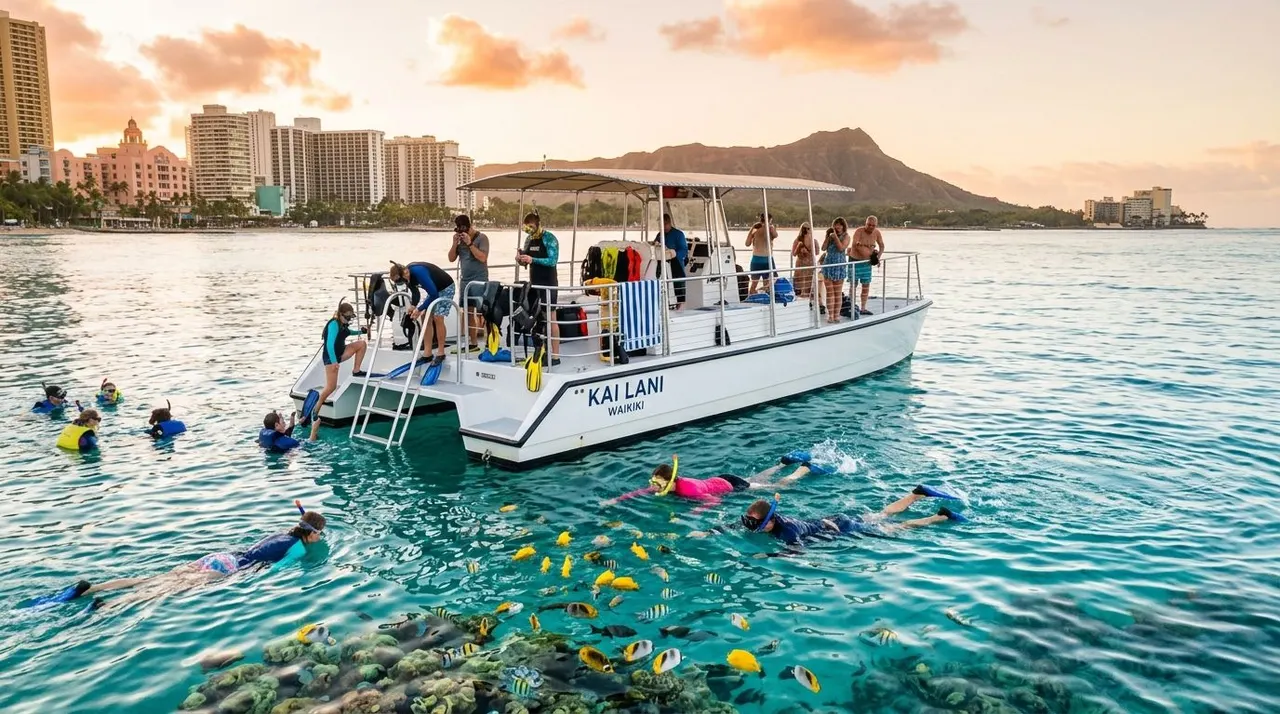
When to go for the clearest water
If you can choose, mornings are usually the better play. Early light often comes with calmer surface conditions, which helps beginners settle in faster and makes it easier to see below the surface.
For seasonal planning, one rule matters more than almost anything else. Snorkeling visibility in Waikiki can drop significantly after rainfall due to runoff from the Ala Wai Canal. The Hawaii Department of Health recommends avoiding ocean activities for 72 hours after heavy rain, making the dry season (May–September) the most reliable time for clear water, according to this Waikiki water visibility and safety guide.
What to bring and what to leave behind
Even when a tour provides the major gear, your personal setup affects comfort.
A solid packing checklist includes:
- Towel and dry clothes: You'll want both for the ride back.
- Reef-safe sun protection: Apply it before boarding so it has time to settle.
- Reusable water bottle: Hydration offers more benefits than commonly perceived.
- Hat and cover-up: Boats reflect a lot of sun.
- Waterproof phone pouch or camera: Useful, but only if you'll use it without fuss.
- Simple sandals: Easy on, easy off.
For a more complete pre-boat checklist, this Oahu snorkel packing list covers the small items people forget most often.
Bring less than you think. The families who enjoy the boat most usually keep their stuff simple and easy to manage.
Wildlife etiquette that matters
This part is not optional. Waikiki's marine life is a privilege, not a petting zoo.
Keep your distance from turtles. Don't touch coral. Don't chase fish into photo positions. Good guides will help with this, but every visitor should understand the baseline. The best wildlife encounter is the one where the animal keeps acting naturally because you didn't pressure it.
A few habits worth sticking to:
- Float, don't pursue: Let wildlife pass through your space.
- Watch your fins: New snorkelers often kick lower than they realize.
- Listen to the crew: They know how to position the group without stressing the reef or animals.
That's how you keep the experience good for your family and for the next family after yours.
Waikiki Snorkeling Frequently Asked Questions
Is it safe for non-swimmers or children to snorkel in Waikiki
Yes, with the right setup. For non-swimmers, young kids, and anyone who gets nervous in open water, a guided boat trip is usually the safer choice because the crew can fit flotation properly, help with entry and exit, and keep a close eye on the group. Shore snorkeling asks more of people than many families expect, especially if there is surge, a slippery entry, or changing conditions.
A good rule is simple. Match the trip to the least confident person in your group.
Do I need to book my snorkeling tour in advance
Usually, yes. Morning tours and family-friendly departures often fill first, especially during holidays, summer, and school breaks. Booking ahead also gives you better odds of choosing a calmer day instead of taking whatever is left.
What is the best month for snorkeling in Waikiki
Waikiki works year-round for water temperature. If clear water is your priority, the drier stretch from May through September often gives you better visibility. Winter can still be great, but conditions change faster, and some days are better for a boat tour than a do-it-yourself beach snorkel.
Will I definitely see a sea turtle
No one can promise wildlife on any given day. Sea turtles are common around the right reef areas, and guided crews know where sightings are more likely, but nature still sets the schedule. Families usually have a better experience when they treat turtles as a possible highlight, not a guarantee they need to chase.
I wear glasses can I still snorkel
Usually, yes. Many guests do fine without glasses if they just want to enjoy the fish, reef, and turtles at normal viewing distance. If you depend on corrective lenses, contact lenses under a well-fitted mask are often the easiest option, as long as you already wear contacts comfortably.
Are there sharks in Waikiki
Sharks live in Hawaiian waters, including around Oahu. On a normal Waikiki snorkel trip, they are not the issue beginners and families need to focus on.
Primary concerns are poor fit on the mask, panic breathing, fatigue, sun exposure, and choosing a trip that does not match a person's swimming ability. That is why guided snorkeling tends to feel easier and safer for first-timers.
Is snorkeling from the beach enough for a first trip
It can be, if everyone in your group is comfortable in the ocean and your expectations are modest. For many beginners, though, shore entries are the hardest part. Walking over rocks, dealing with small shore break, and figuring out where to snorkel can wear people out before the fun starts. A guided offshore trip usually gives first-timers a calmer start and more support in the water.
How long should a first snorkel session be
Keep the first session short enough that it still feels fun. For many beginners, 20 to 30 minutes of actual snorkeling is plenty before taking a break, adjusting gear, and heading back in if they want more.
I tell families this all the time. The best first snorkel ends with someone saying, “Let's go again,” not with a tired kid who stayed out too long.
If you want a simple way to turn all this planning into an easy day on the water, take a look at Living Ocean Tours. Their Waikiki-area departures give beginners and families a guided option for snorkeling, turtle encounters, and wildlife-focused boat days without having to figure everything out from shore.


