
Snorkeling in Waikiki Hawaii: A Complete 2026 Guide
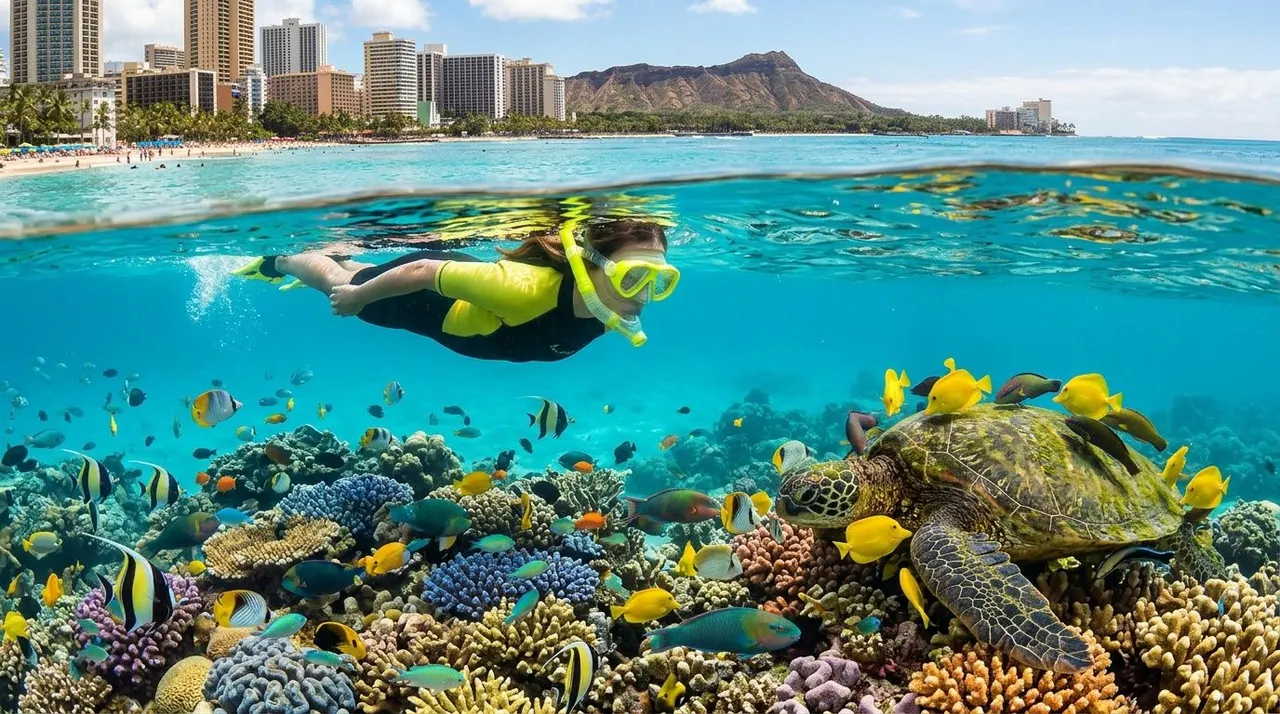
You're probably standing in Waikiki right now, looking at that bright blue water and thinking snorkeling in Waikiki Hawaii should be easy. Rent a mask, walk off the beach, see turtles, done.
Sometimes it works out that way. A lot of times, it doesn't.
What catches visitors off guard is that Waikiki is beautiful above the surface all day long, but snorkeling quality changes fast. Wind picks up. Sand gets stirred. Crowds pack the easy entry points. A beach that looked perfect from the sidewalk can turn into a murky, underwhelming swim once you put your face in the water. That gap between expectation and reality is where many travelers waste a morning.
This guide is for avoiding that mistake. If you want a quick dip with the kids, there are a few shore spots worth knowing. If you want the kind of clear-water reef and turtle encounter people imagine when they book Hawaii, you need to think beyond the shoreline.
The Dream of Snorkeling in Waikiki
Waikiki sells a powerful picture. Calm tropical water. Reef fish close to shore. Maybe a sea turtle gliding by while Diamond Head sits in the background. It's not hard to see why so many visitors assume they can walk out from the sand and get a postcard-perfect snorkel.
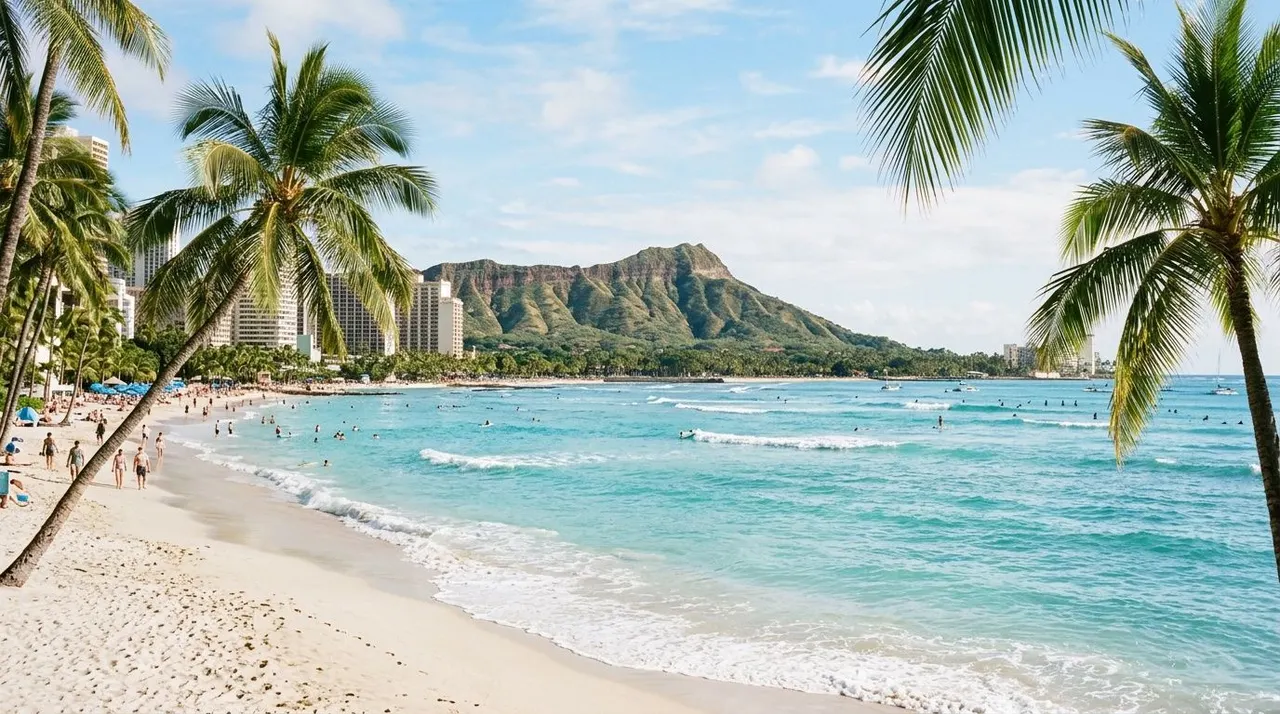
The catch is that Waikiki is first and foremost a famous city beach. It's built for convenience, swimming, surf lessons, hotels, and people-watching. Snorkeling happens here, but it isn't automatically good just because the water looks blue from the shore. Families often head out expecting a reef scene straight off the beach and find cloudy water, lots of foot traffic, and not much life in the first few minutes.
That doesn't mean you should skip it. It means you should approach snorkeling in Waikiki Hawaii with local expectations instead of brochure expectations. If you want a simple, low-pressure intro, shore spots can work. If you want a memorable marine-life experience, you'll need to be pickier about conditions and location.
The biggest mistake I see visitors make is judging snorkeling by how the beach looks from the sand. The ocean can look inviting from shore and still be poor for visibility once you get in.
If you're still building your Waikiki activity list, this guide to things to do in Waikiki helps put snorkeling in context with the rest of a beach day.
Waikiki Shore Snorkeling Spots and What to Really Expect
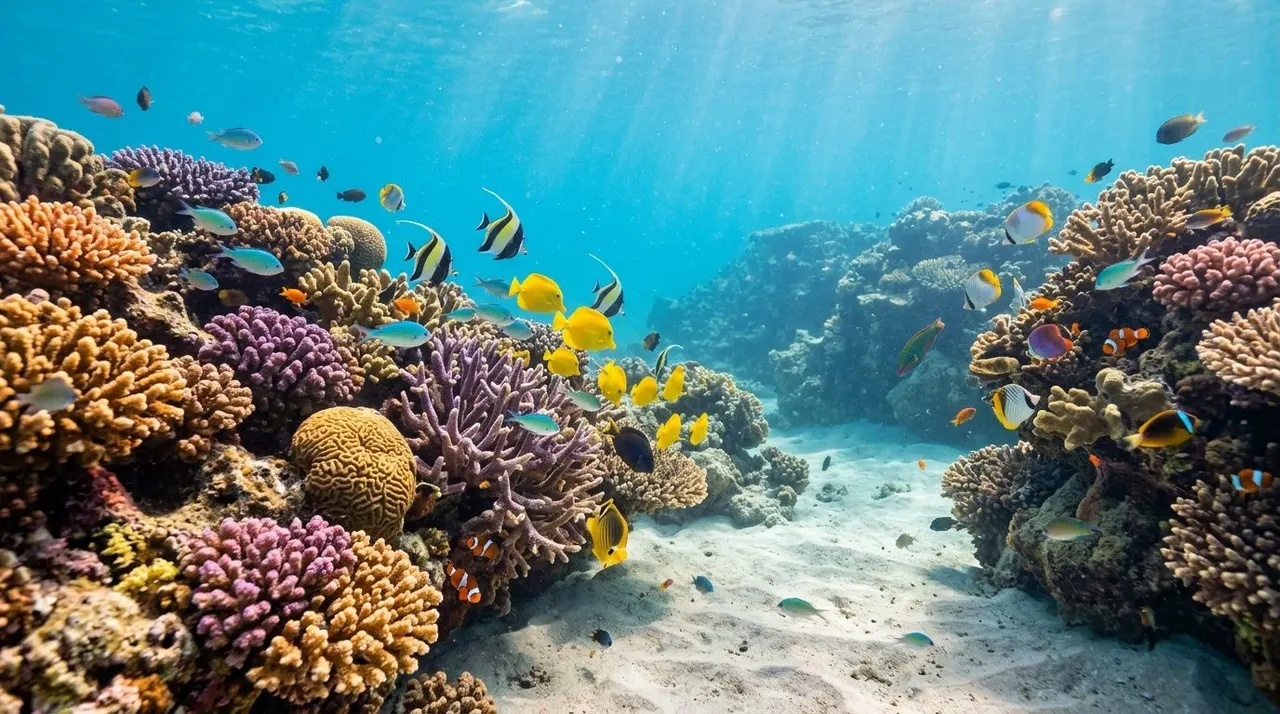
There are a few shore-entry spots people ask about over and over. Some are fine for getting comfortable in the water. Very few are reliable enough to promise a great snorkel every day.
Where shore snorkeling works best
Kuhio Ponds is the easiest place to start if you've got kids, non-swimmers, or anyone who gets nervous in open water. The rock-wall barrier creates shallower, more protected water with gentler wave energy than the exposed beach, which makes entry simpler and reduces current exposure for beginners, as explained in this Kuhio Beach snorkeling overview.
Queen's Beach and Sans Souci can be better for people who already feel comfortable with a mask and fins. On a calm morning, these spots can be worth a look. But they are much more condition-sensitive, and that's where visitors often get fooled.
According to this Waikiki snorkeling guide from Hawaii Ocean Charters, nearshore sites such as Sans Souci and Queen's Beach can offer roughly 10 to 30 feet of visibility on calm days, but surf, wind, and swell can quickly reduce clarity because sand and turbulence cloud the water.
What usually disappoints people
Shore snorkeling in Waikiki is at its best in the morning. Once wind comes up, the surface gets choppier, suspended sand rises, and what looked promising can turn into a low-visibility swim pretty fast.
A few practical realities matter more than most travel guides admit:
- Morning matters most: Early water is usually calmer, cleaner, and easier to read.
- South swell changes everything: A nice beach day doesn't always mean a safe snorkel day.
- Crowds affect the experience: Busy entry points mean more kicked-up sand and less room to relax.
- Marine life can be hit or miss: You might see fish. You might also spend a lot of time scanning empty water.
Practical rule: Use shore snorkeling for convenience, not certainty. It's a good fit for a short session when conditions line up, not the strongest choice if snorkeling is one of the main events of your trip.
For a lot of visitors, that's the key mental shift. Don't ask whether Waikiki shore snorkeling is possible. Ask whether it's worth your limited vacation time that day.
The Unbeatable Advantage of a Guided Snorkel Tour
The biggest upgrade isn't better fins or a newer mask. It's getting off the beach.
Offshore sites avoid a lot of what makes Waikiki shore snorkeling inconsistent. You leave behind the packed swim zones, beach churn, and shallow sandy entry areas that often knock down visibility. You also get a crew that reads conditions every day, handles the gear, and matches the plan to the people on board.
One of the clearest ways to think about it comes from this Waikiki snorkeling article from Kona Honu Divers, which notes that many visitors find shore snorkeling cloudy and crowded, while offshore guided options offer better visibility and a much higher chance of seeing turtles. That matches what experienced crews see every day. The essential question isn't whether you can snorkel on your own. It's which setup gives your group the day you want.
Why offshore changes the whole experience
A guided boat trip works especially well for families and first-timers because it removes the weak points in a DIY plan.
You don't have to guess which beach is protected enough for grandma, whether the kids will panic at the entry, or whether the current near a wall is stronger than it looks. The crew already knows. Good operators also provide fitted gear, flotation, and in-water supervision, which matters a lot more than people expect once they're floating in open ocean for the first time.
This is also where a lot of visitors choose Living Ocean Tours' Turtle Canyon snorkel guide and related boat-based trips. It's a practical option for people who want instruction, gear, and access to offshore reef areas without trying to sort out the ocean on their own.
Shore snorkeling vs guided boat tour
| Feature | Shore Snorkeling DIY | Guided Boat Tour e.g. Living Ocean Tours |
|---|---|---|
| Water clarity | Varies a lot with wind, surf, and sand | Typically more reliable offshore |
| Marine life | Can be sparse near crowded beach zones | Better access to reef habitat and turtle areas |
| Entry difficulty | Depends on beach, rocks, and wave action | Crew-managed access from the boat |
| Best for | Quick budget session, confident planners | Families, beginners, and visitors who want a smoother experience |
| Safety support | You manage it yourself | Crew oversight, instruction, flotation, and organized group support |
| Time efficiency | Can involve trial and error | More direct path to worthwhile snorkel locations |
If snorkeling is a side activity, shore entry may be enough. If it's one of the experiences you care about getting right, a guided boat day usually delivers more of what people came to Hawaii hoping to see.
Meet Hawaiian Green Sea Turtles at Turtle Canyon
Ask most visitors what they want from snorkeling in Waikiki Hawaii, and the answer is immediate. They want turtles.
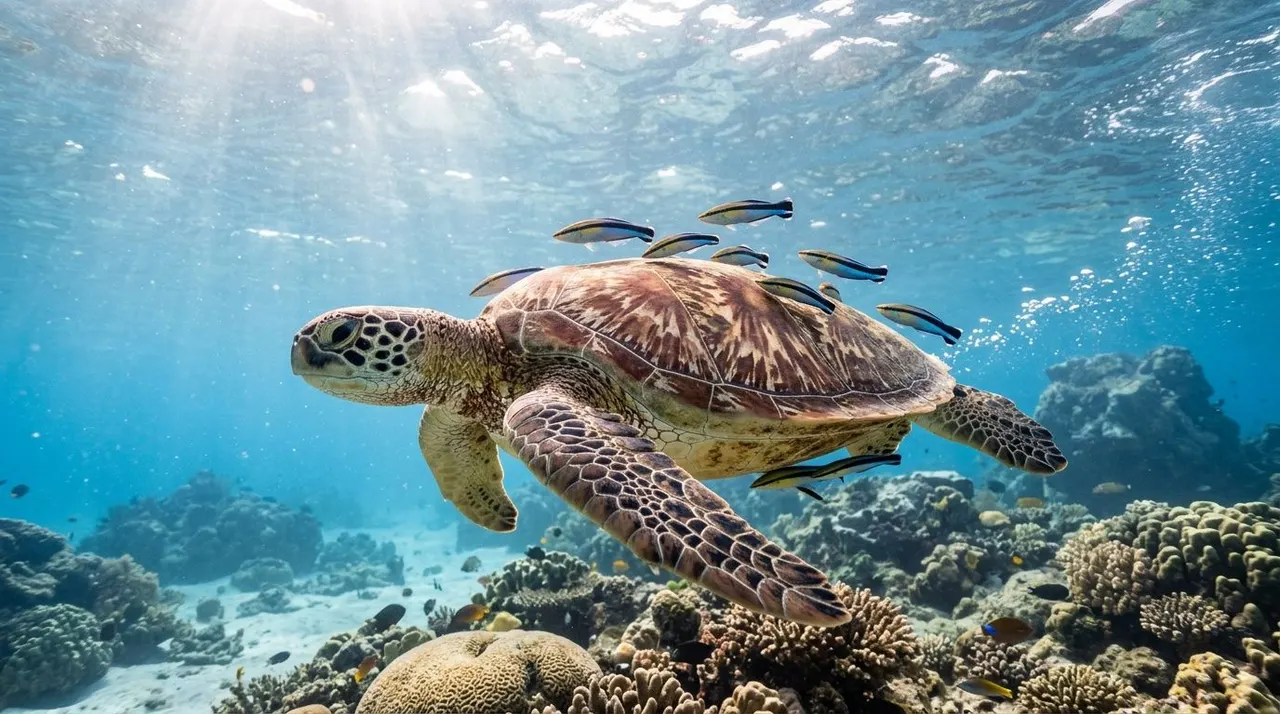
Turtle Canyon is one of the reasons guided snorkeling offshore from Waikiki is so popular. It's known as a turtle cleaning station, which means turtles visit the reef while smaller fish remove algae and parasites from their shells. When conditions cooperate, it's one of those rare marine encounters that feels calm instead of chaotic. You're not chasing wildlife. You're observing a natural behavior in the place it happens.
Why turtles gather here
Hawaiian green sea turtles have made a major recovery. Nesting female counts rose from under 1,000 in the 1970s to over 20,000 in recent years, according to this NOAA-based turtle snorkeling overview. That rebound is one reason turtle sightings around cleaning stations have become such a strong part of the Waikiki offshore snorkeling experience.
Summer is especially appealing on the south shore. The same source notes that the best snorkeling season in Waikiki generally runs from June through September, when ocean conditions are calmer, water visibility often exceeds 50 feet and can go beyond 100 feet on very clear days, and water temperatures typically range from 80 to 82°F.
If you're checking conditions before heading out, this page on Turtle Canyon Oahu tides helps explain why timing matters.
Stay relaxed when turtles are nearby. The best encounters happen when snorkelers float quietly and let the reef come to them.
Who this trip suits best
Turtle Canyon isn't a walk-out beach spot. That alone changes the kind of experience you get. You avoid the busiest shoreline zones and go directly to the habitat people usually have in mind when they picture Hawaiian snorkeling.
For travelers who want that specific turtle-focused outing, the Turtle Canyons Snorkel Excursion is the direct way to do it.
Essential Snorkeling Safety and Etiquette
This part matters more than gear, photos, or checking turtles off a list.
Snorkeling is the leading cause of visitor drownings in Hawaii, and visitors accounted for 90% of the 204 snorkeling-related deaths recorded between 2012 and 2021, according to this Hawaii snorkeling safety report. That isn't a reason to avoid snorkeling. It's a reason to treat it like an ocean activity, not a pool float.
The safety rules that matter most
Most preventable problems start with overconfidence or poor site selection.
- Never snorkel alone: A buddy notices fatigue, equipment problems, and drift before they turn serious.
- Use flotation if there's any doubt: That includes casual swimmers, tired parents, and confident kids.
- Match the spot to the person: Sheltered water for beginners. Offshore trips with crew support for people who want more without guessing.
- Respect your own limits: If entry looks rough, visibility looks poor, or current feels wrong, get out.
This page on Oahu reef safety is worth reading before any snorkel day, especially if this is your first time in Hawaii.
How to treat turtles and reefs respectfully
Good snorkeling isn't just about what you see. It's about how you behave in the water.
Keep your distance from turtles and all marine life. Don't chase. Don't block their path. Don't touch coral, even if it looks like rock, because living reef breaks easily and recovers slowly. Use reef-safe sun protection and, when possible, add a rash guard so you need less sunscreen in the first place.
A short etiquette checklist helps:
- Float, don't stand: Kicking up sand and stepping on reef damages the very habitat you came to enjoy.
- Watch your fins: Beginners often contact coral behind them without realizing it.
- Let wildlife control the moment: Quiet observation beats pursuit every time.
Calm snorkelers usually see more. Fast kicking, splashing, and crowding wildlife tend to reduce the quality of the encounter for everyone.
Planning Your Perfect Waikiki Snorkeling Trip
A good snorkel day starts before you leave the hotel. Most problems are easy to avoid with the right timing and a short packing list.
Best timing for the smoothest day
For Waikiki, summer is generally the most favorable season, especially June through September, when south shore conditions tend to be calmer, based on the turtle snorkeling conditions described in the earlier turtle section. On any given day, mornings are usually the safest bet for clearer water and lighter wind.
If you're deciding between shore and boat, use this simple filter:
- Choose shore snorkeling if you want a short, flexible session and conditions look calm.
- Choose a boat trip if snorkeling is a priority and you don't want to gamble on visibility.
- Choose sheltered entry areas when traveling with young kids or hesitant swimmers.
What to bring and what to leave behind
You don't need much, but the right basics make the day easier.
- Bring a towel and dry clothes: The boat ride back or walk to the hotel is more comfortable.
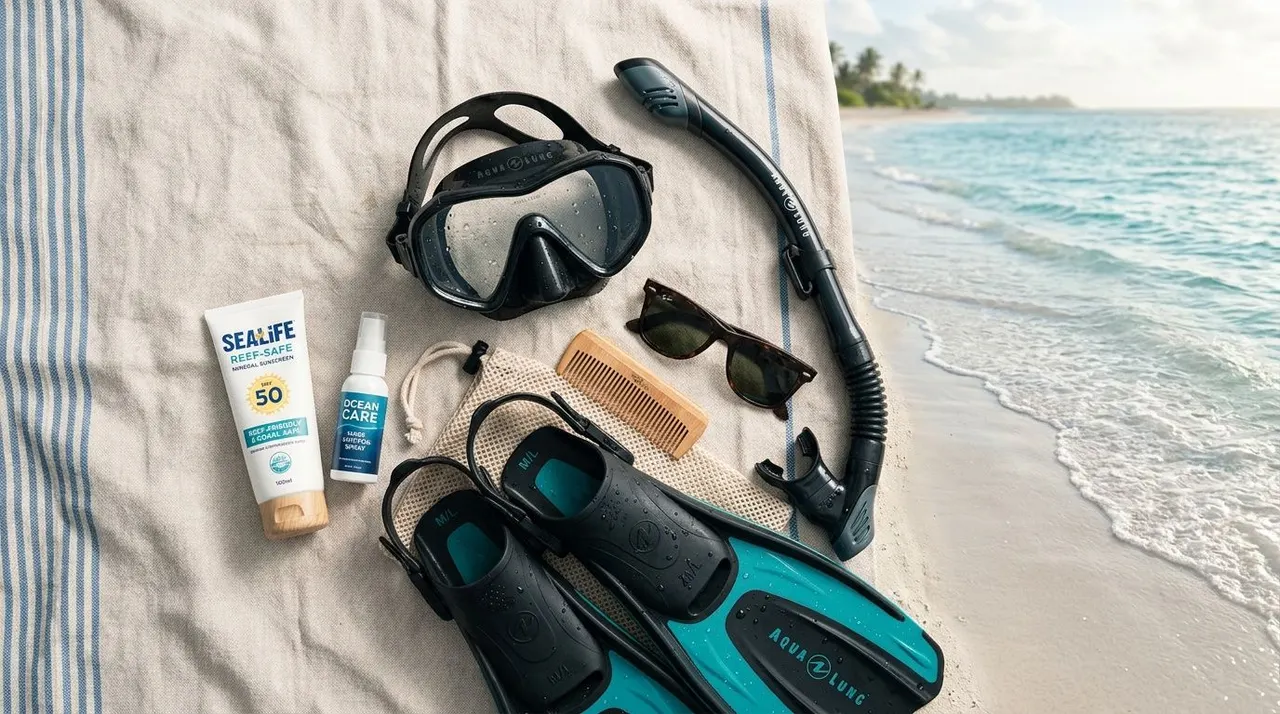
- Pack reef-safe sun protection: Rash guards help a lot.
- Carry water and simple snacks: Especially if your group includes kids or older travelers.
- Don't overpack gear: Guided tours typically provide mask, snorkel, fins, and flotation.
For families and groups who want a broader ocean outing, the Deluxe Waikiki Snorkeling and Wildlife Cruise is a straightforward option.
If your group wants the easiest day, book in advance, pick a morning departure, and treat shore snorkeling as a backup rather than the main plan.
Frequently Asked Questions About Snorkeling in Waikiki
Do you need to be a strong swimmer?
No, but you do need to be honest about your comfort level. Beginners usually do better with flotation, clear instruction, and crew support than they do trying to figure it out from a public beach.
Is snorkeling in Waikiki good for kids?
Yes, with the right setup. Sheltered water works for simple practice. Guided trips are often better for families who want structure, gear, and a more organized safety plan.
Is shore snorkeling enough if I only have one morning?
If snorkeling is one of your main goals, I wouldn't count on shore conditions alone. It can be fine, but it can also be cloudy, crowded, and underwhelming.
Are turtles guaranteed?
Wildlife is never guaranteed. What you can do is choose the type of trip that gives you access to the habitat where turtle encounters are most likely.
What else might you see besides turtles?
That depends on conditions and location, but colorful reef fish are common, especially in clearer offshore water over healthy reef structure.
If you want a smoother, safer, and more rewarding ocean day than most visitors get from the shoreline, book with Living Ocean Tours. Guided snorkeling takes out the guesswork and gives your group a much better shot at the Waikiki experience you came for.


