
Snorkeling in Honolulu: Best Sites & 2026 Guide
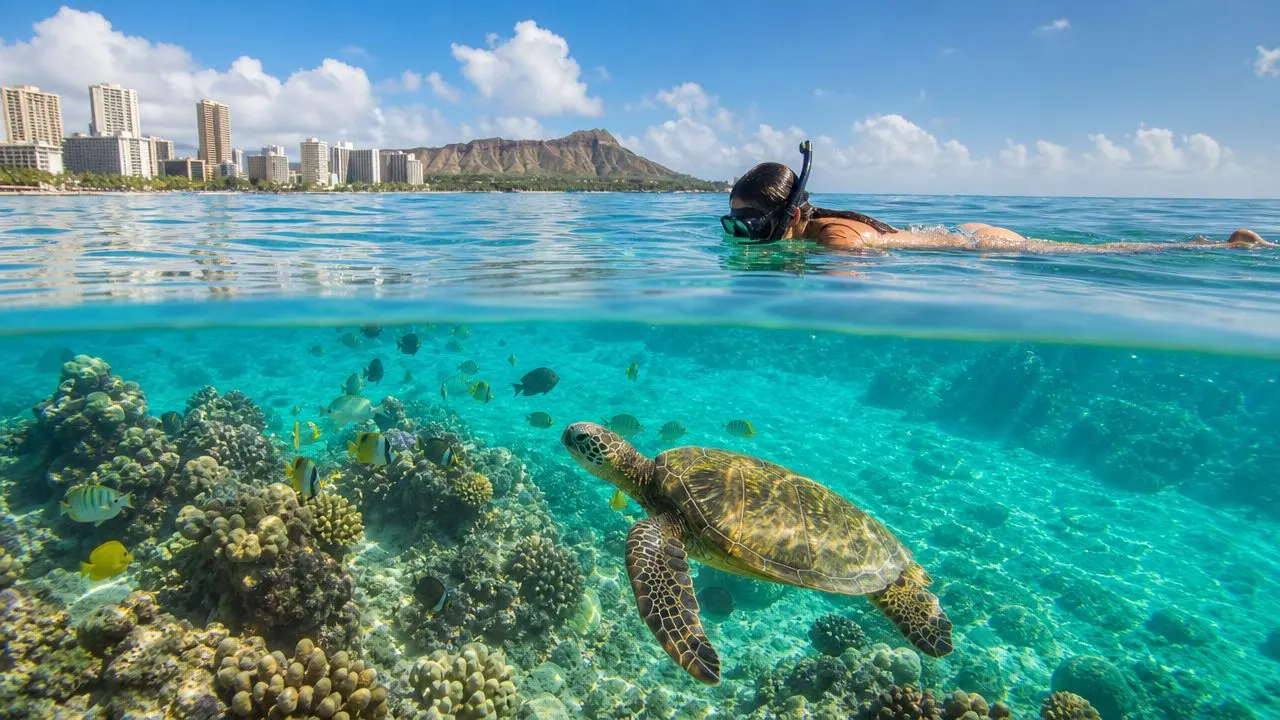
You're probably staring at the same choice most Honolulu visitors face. You want clear water, easy turtle sightings, and a day that feels like Hawaii instead of a logistics drill. But once you start looking, “snorkeling in Honolulu” turns into a pile of mixed advice about beaches, tours, rentals, currents, parking, and whether beginners can enjoy it.
That's where local context matters. On Oahu's south shore, the difference between a great snorkel day and a stressful one usually comes down to where you enter the water, who's with you, and how much ocean judgment you bring with you before your mask ever touches the water. If you want a deeper planning resource before you choose your spot, this Oahu snorkeling guide is a useful starting point.
Your Ultimate Guide to Snorkeling in Honolulu
Honolulu offers the version of Hawaii many aspire to. Warm blue water, reef fish moving under you, and a real shot at seeing honu in the wild. It can also fool people into thinking every calm-looking beach is equally safe and every snorkel plan is equally easy.
That's not how it works here.
Some spots are beautiful but crowded. Some are famous but require more planning than visitors expect. Some look gentle from shore and still tire people out fast once they're in fins and breathing through a tube. That's why the smartest way to plan snorkeling in Honolulu is to start with the decision that matters most. Shore entry or guided boat tour.
Start with the right question
Most visitors ask where to snorkel first. The better question is how you want to snorkel.
If you're confident in the ocean, patient with logistics, and comfortable reading conditions, shore snorkeling can work. If you're traveling with kids, mixed swimming abilities, or anyone who wants a smoother day, a guided boat trip usually gives you a cleaner experience with less friction.
Practical rule: Pick the format first, then pick the location. That one decision clears up almost everything else.
What to expect from this guide
This guide is built around what changes your day in the water:
- Site quality: Which Honolulu areas are worth your time
- Safety reality: What visitors often underestimate
- Family fit: What works for beginners, children, and casual swimmers
- Ocean trade-offs: Why convenience on land doesn't always mean ease in the water
Why Honolulu Is a Snorkeler's Paradise
Honolulu works for snorkeling because the city sits beside a coastline that's unusually accessible. You can wake up in Waikiki, grab coffee, and be in the water fast. That matters for families and first-time visitors who don't want an all-day road mission just to find reef.
The south shore also gives you variety. Protected coves, offshore reef structure, sandy-bottom entries in some areas, and boat access to cleaner outer water all sit within a short stretch of coast. That lets visitors choose between simple sightseeing from shore and a more polished offshore trip.
What you'll actually see underwater
A good Honolulu snorkel isn't just about checking a beach off a list. It's about water movement, bottom structure, and marine life behavior.
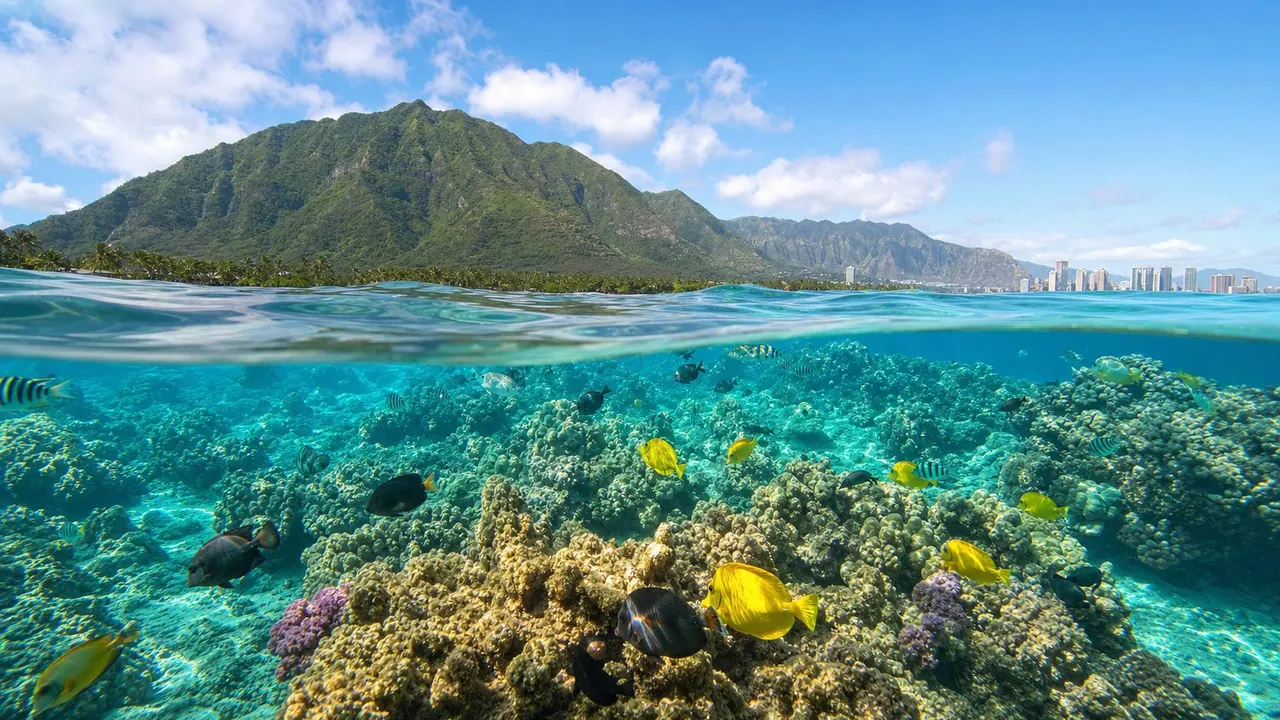
On the reef, you're looking for the details that make Hawaiian snorkeling memorable:
- Reef fish variety: Butterflyfish, parrotfish, surgeonfish, and the state fish, humuhumunukunukuāpuaʻa, are part of the draw.
- Volcanic structure: Ledges, channels, hard coral pockets, and reef fingers create places for fish to feed and hide.
- Turtle habitat: Certain offshore areas off Waikiki hold stable resting and cleaning zones that keep turtle sightings consistent.
Why the south shore suits visitors
Honolulu is one of the easiest places in Hawaii to pair city convenience with ocean time. That's a big reason so many people choose it for their first snorkel trip. You don't need to build your whole vacation around the activity.
There's another advantage. The best Honolulu snorkeling options aren't all the same type of outing. You can spend one day doing a tightly planned shore snorkel and another day getting on a boat to avoid beach crowds entirely.
Calm water on a postcard doesn't tell you how easy the entry is, how stirred up the visibility gets, or whether the site fits beginners.
Why it feels different from other beach activities
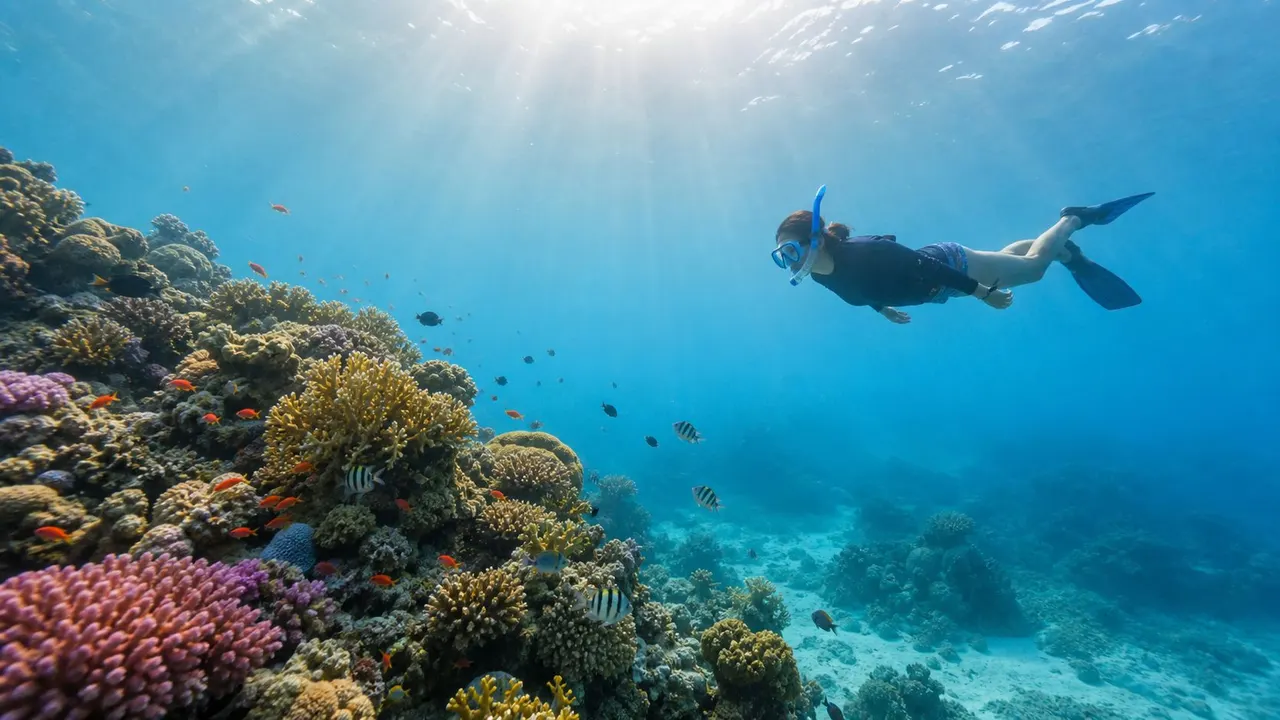
Snorkeling in Honolulu puts you in the middle of an active reef system, not above it. You're floating over living coral, watching fish use current lines, and sometimes seeing turtles rise and drop below you with almost no warning. That's what makes it feel richer than just swimming.
If you time it right and choose the right setup, Honolulu gives you one of the easiest introductions to Hawaiian marine life anywhere on Oahu.
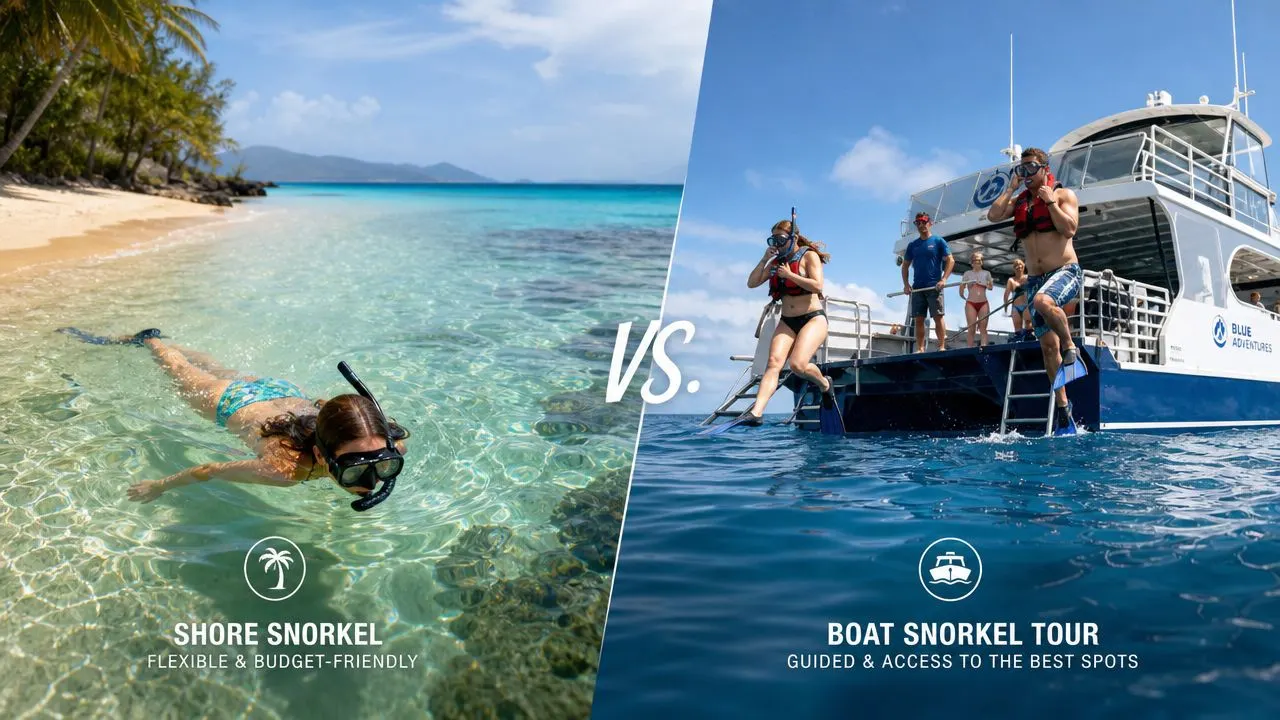
Shore Snorkeling vs Guided Boat Tours
This is the decision that shapes the whole day.
A lot of visitors assume shore snorkeling is the easy option because it looks simple on paper. Drive up, rent gear, walk in, snorkel, done. Sometimes that works. Sometimes it turns into parking stress, crowded water, uncertain visibility, and a group that finds out too late that one weak swimmer changes everything.
What shore snorkeling does well
Shore snorkeling has real advantages.
| Option | What works | What usually gets harder |
|---|---|---|
| Shore snorkeling | Flexible timing, no boat ride, familiar beach setting | Entry and exit, crowds, gear handling, changing conditions |
| Guided boat tour | Gear included, crew support, cleaner site access, easier group management | Fixed departure time, advance booking needed |
If you've got ocean experience, your own gear, and a solid read on conditions, shore entry can be satisfying. You move at your own pace and can keep the outing short.
Where shore plans break down
The weak point is that shore snorkeling asks more from you than most visitors expect.
You're the one judging conditions. You're managing entry and exit. You're making sure masks fit, fins fit, everyone stays together, and nobody panics after the first mouthful of saltwater. That's a lot for parents, grandparents, or beginners to carry all at once.
Existing content often skips an important point. Guided boat tours in Honolulu are often structured specifically for non-swimmers and beginners, with flotation devices and calm, pre-checked sites, while shore snorkeling demands more independent ability in the water, as noted in this overview of snorkeling in Honolulu for visitors.
For a practical side-by-side breakdown, this guide to Waikiki snorkeling vs tours lays out the decision clearly.
Why boat tours work better for beginners and families
A good boat snorkel removes the parts that wear people out before the fun starts.
You don't haul gear across hot sand. You don't spend half the morning figuring out where to enter. You don't need every person in your group to be equally confident. The crew handles site choice, gear setup, flotation, and watchful supervision in the water.
That changes the mood of the outing.
- For families: Kids usually do better when the whole process is guided and organized.
- For casual swimmers: Flotation support turns the experience from effort into observation.
- For mixed-age groups: Strong swimmers and nervous swimmers can enjoy the same trip without one side dragging the other.
If your group includes one person who's unsure in the ocean, plan around that person first. That's what keeps the day enjoyable for everyone.
Discovering Honolulu's Best Shore Snorkeling
If you want to snorkel from shore in Honolulu, Hanauma Bay is the name most visitors know first. It's famous for good reason. The bay is scenic, protected, and full of marine life. It also requires more planning and more restraint than the average travel roundup admits.
This isn't the kind of place where you roll up whenever you feel like it and expect a smooth day.
Hanauma Bay works best early
At Hanauma Bay, the strongest window is early morning from sunrise to 9 AM, when visibility often exceeds 20 feet and you avoid the busiest part of the day, according to this guide to Hanauma Bay snorkeling conditions.
That early window matters because shore snorkeling quality drops fast once the crowd builds and the water gets busier. If you're trying to give kids or beginners a positive first experience, late starts usually make the day harder.
What many visitors miss
The bay has specific hazard zones that aren't just colorful local nicknames. The same Hanauma Bay guide notes that “Witches' Brew” and “Toilet Bowl” account for 80% of all lifeguard rescues in the bay, and those areas should be avoided.
That's the part visitors often underestimate. A place can be beautiful, monitored, and still have sections that demand discipline. Don't wander because somebody nearby looks confident. A lot of rescues start with people following movement instead of reading the water.
A realistic shore-snorkel checklist
If you're planning Hanauma Bay or another shore entry around Honolulu, treat it like a timed operation.
- Go early: The best water usually belongs to the people who arrive first.
- Keep your plan simple: One main snorkel session is better than repeated entries and exits.
- Stay in your lane: Don't push toward channels or rougher water just because the reef looks better farther out.
- Listen on site: If lifeguards or staff redirect you, take it seriously.
For more local planning ideas, this roundup of Waikiki snorkeling spots is helpful.
The trade-off with shore access
Shore snorkeling gives you independence. It also gives you responsibility.
You'll often spend more effort on the setup than you expected. Parking, reservations, beach crowds, gear transport, and water entry can eat into the easygoing beach day people had in mind. That doesn't make shore snorkeling bad. It just means it isn't automatically the low-stress choice.
For confident ocean people, that trade may be fine. For beginners and families, it's often the reason a guided trip feels easier from the first minute.
The Ultimate Guided Experience at Turtle Canyon
A family staying in Waikiki often wants the same thing. Clear water, a real chance to see turtles, and a trip that does not turn into a gear-and-logistics project before anyone even gets in the ocean. Turtle Canyon fits that better than almost any shore plan because the site is offshore, the boat takes you straight to it, and the crew can match the entry to the day's conditions.
Turtle Canyon is known as a turtle cleaning station near Waikiki. Green sea turtles pass through the area to let reef fish clean their shells, which is why sightings are more consistent than at many casual beach entries. Visibility is often strong there, and the appeal is simple. You spend your time snorkeling over active reef instead of working through parking, hauling gear, and picking a safe entry point from shore.
Why Turtle Canyon works so well for guided snorkeling
From a captain's point of view, the advantage is control.
A good boat crew can choose how to approach the site, brief guests before anyone hits the water, and keep beginners close to support. That matters more than visitors expect. Offshore snorkeling is often easier than shore snorkeling for first-timers because there is no surf entry, no walking over slippery rocks, and no pressure to judge a reef channel on your own.
For families, that difference shows up right away. Kids usually do better when the process is simple and adults are not dividing attention between gear problems, current, and route-finding. For newer snorkelers, a guided stop at Turtle Canyon also makes marine life viewing better because the group is dropped where the animals already spend time.
What to look for in a well-run Turtle Canyon trip
Not every boat operation gives the same experience. Before I recommend any snorkel charter, I look for a few basics that directly affect comfort and safety:
- In-water support: Crew should be visible and available once guests are in, not just during the briefing.
- Proper gear fitting: A decent mask fit and the right flotation matter more than fancy equipment.
- A practical departure point: Leaving from a harbor near Waikiki keeps the day shorter and easier for visitors.
- Clear expectations: Good crews explain current, entry style, turtle viewing rules, and how far guests should range from the boat.
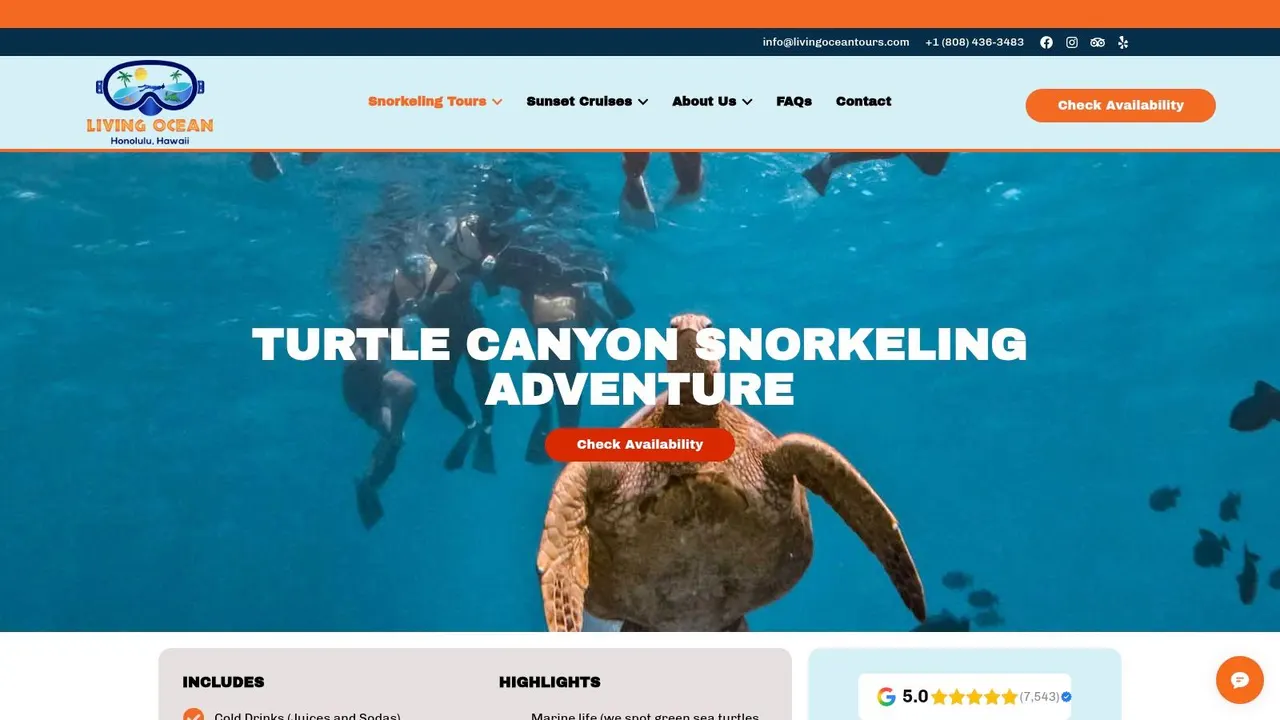
Living Ocean Tours operates Turtle Canyon trips out of Kewalo Basin and publishes trip details for its Turtle Canyon snorkeling on Oahu page, including what guests can expect at the site.
Who benefits most from the boat-tour approach
This type of trip tends to suit a specific group of visitors.
- First-time snorkelers who want help with gear, entry, and pacing
- Families with children who need a more controlled setup
- Waikiki visitors who want quality reef access without a long drive
- Travelers focused on turtles who would rather go straight to a known offshore site than test a few beach options
Confident swimmers can enjoy Turtle Canyon too, but guided boat snorkeling is especially useful for people who want less guesswork and a better shot at seeing Honolulu's offshore reef life at its best.
The real upgrade is attention
The biggest improvement is not only safety. It is what your attention gets used for.
On shore, beginners often spend half their energy sorting out entry, exit, footing, distance, and whether the conditions are changing. On a well-run Turtle Canyon trip, that workload shifts to the crew. Guests can settle into breathing, float comfortably, and watch the reef. That is usually the difference between a stressful first snorkel and a trip people want to do again.
Essential Safety Rules and Ocean Etiquette
A lot of Honolulu visitors reach the water assuming snorkeling will feel like a casual swim with a mask. The ocean does not work that way. In Hawaii, snorkeling is the leading cause of tourist drowning deaths, and drownings happen far more often away from lifeguard coverage, according to this report on Hawaii snorkeling fatalities and beach safety.
That is the gap many travel guides skip. Shore snorkeling asks you to judge entry conditions, distance, fatigue, and changing water on your own. On a guided boat trip, a crew handles more of those decisions and can respond faster if something starts going wrong. For beginners and families, that difference matters.
The rules I never bend on the water
Visitors over 50 and people with heart-related health concerns appear often in fatality patterns from the same report. Good judgment matters more than trying to prove you can handle it.
If you feel tired, rushed, overheated, anxious, or slightly off, cut the snorkel short. I have seen plenty of guests make the right call early and still have a good day on the water.
A snorkeler in distress may not be obvious at first.
These are the rules I give every group:
- Never snorkel alone: Someone should always be able to notice a change in your breathing, pace, or position.
- Use flotation if you are new to snorkeling: A vest or belt lets you relax and focus on breathing.
- Stay out of the water after drinking alcohol: Even light impairment affects judgment and coordination.
- Choose supervised conditions: Lifeguards and boat crews shorten response time when help is needed.
Understand the breathing risk
One of the least understood hazards is breathing trouble that starts before people realize they are in danger. Outside's reporting on snorkeling deaths in Hawaii explains that poor gas exchange in a snorkel can contribute to carbon dioxide buildup, which can lead to drowsiness and drowning, even in shallow water and mild conditions, in this article on the causes of snorkeling deaths in Hawaii.
The practical fix is simple. Float flat, move slowly, and keep your breathing steady. If you feel a headache, dizziness, unusual shortness of breath, or rising anxiety, stop and get out. Strong swimmers get in trouble too, especially when they push through early warning signs.
Protect the reef and wildlife
Good ocean manners protect the place you came to see and make the snorkel better for everyone else.
Coral is alive and fragile. Do not stand on it, kick it, or grab it to steady yourself. The National Oceanic and Atmospheric Administration explains why physical contact causes lasting reef damage in its guidance on how to avoid harming coral reefs.
The rest is straightforward:
- Keep your body and fins off the bottom: A relaxed, horizontal position helps with both breathing and reef protection.
- Use reef-safe sun protection: Hawaii restricts sunscreens with oxybenzone and octinoxate because of reef impacts.
- Give turtles and other marine life space: Watch without chasing, touching, or blocking their path.
For a clear pre-trip refresher, read this guide to Oahu reef etiquette for snorkelers and swimmers.
The safest mindset
The best snorkelers are usually the calm ones.
They leave energy in reserve, keep movements smooth, and end the session before fatigue turns into poor decisions. That approach works from shore too, but it is one reason guided tours tend to go better for first-timers. Guests spend less effort managing risk and more time enjoying the reef.
Booking Your Perfect Honolulu Snorkel Adventure
If you're deciding between shore and boat, use a simple filter. Ask who's in your group, how comfortable they are in the ocean, and whether you want to spend your day managing logistics or enjoying the water.
For confident swimmers who like self-guided outings, a shore plan can still be rewarding. For most Waikiki visitors, especially families, beginners, and multi-generational groups, a guided snorkel trip is the smoother call. You get organized gear, a checked site, and support that keeps the outing focused on marine life instead of problem-solving.
A smart way to choose
Use this quick match:
- Choose shore snorkeling if your group is independent, mobile, and comfortable making ocean decisions.
- Choose Turtle Canyon by boat if turtle viewing is the priority and you want the easiest route to a high-quality snorkel.
- Choose a family-focused wildlife cruise if you want snorkeling plus extra fun on the water.
For travelers who want a broader family outing off Waikiki, the Deluxe Waikiki Snorkeling and Wildlife Cruise is another practical option.
Final prep before you go
Pack light, but don't wing it.
Bring a towel, sun protection that follows Hawaii's reef-safe rules, water, and the expectation that ocean conditions always get the final say. Book early if your dates are fixed. The best snorkel days usually start with a plan made before you hit the island.
If you want a straightforward way to experience snorkeling in Honolulu with local crew support, wildlife-focused trips, and departures near Waikiki, take a look at Living Ocean Tours.


