
Best Snorkeling in Honolulu: Top Spots & Tips for 2026
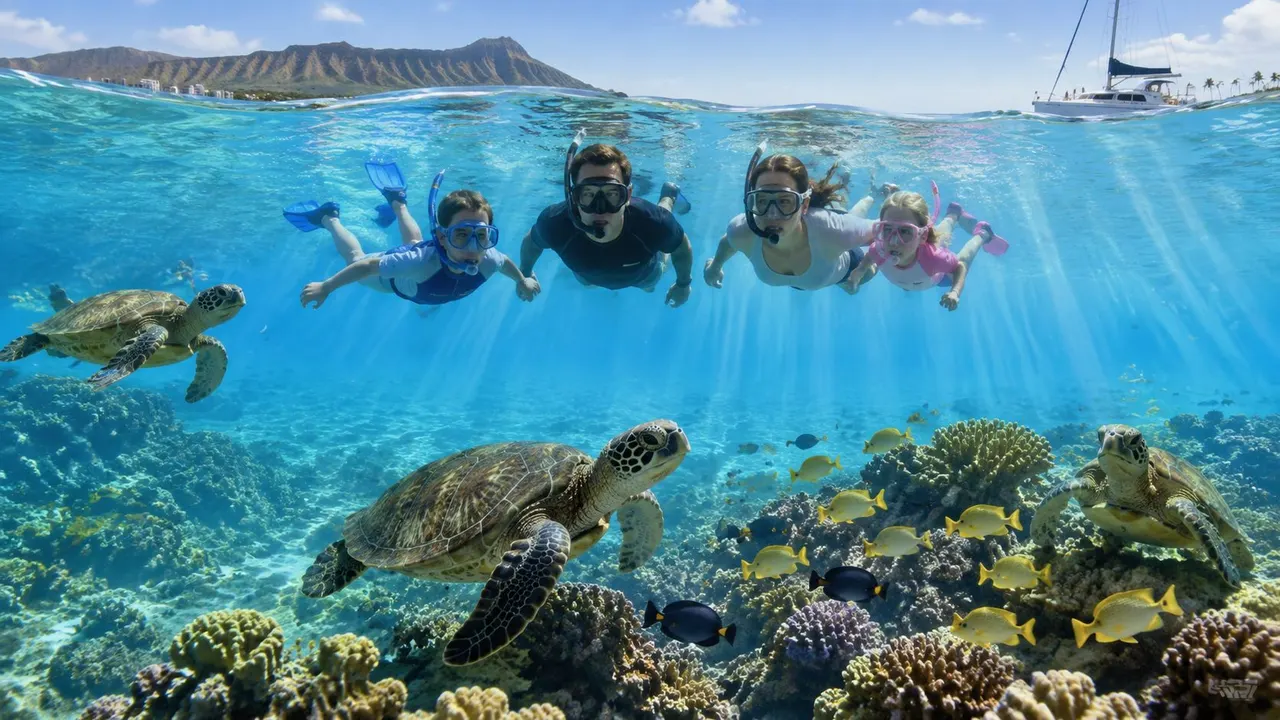
Waikiki has a way of making snorkeling look easy. You step out of the hotel, see that blue water, spot Diamond Head in the distance, and start thinking about sea turtles, clear reef, and a simple family outing that everyone will love.
Then the practical questions show up fast. Which spot is worth your time? Is shore entry a smart idea with kids? What if someone in your group is nervous in the water, wears glasses, or just isn't a strong swimmer? A lot of visitors find out that snorkeling in Honolulu is simple only when the planning is done well.
That gap between the dream and what happens is where most bad snorkel days begin. Not because Honolulu lacks good snorkeling, but because beginners often pick crowded shore spots, rent gear they don't trust, and head into unfamiliar water without support.
A good snorkel day should feel easy from the start. You should know where you're going, what you'll see, how the safety side works, and whether the trip fits your family before you ever step on the boat or walk onto the beach.
Dreaming of Your Honolulu Snorkel Adventure
A lot of families arrive in Waikiki with the same plan. Spend a beach day, book one memorable ocean activity, and make sure the kids get to see a turtle. That sounds straightforward until everyone starts reading different advice online and realizes half of it doesn't answer beginner questions.
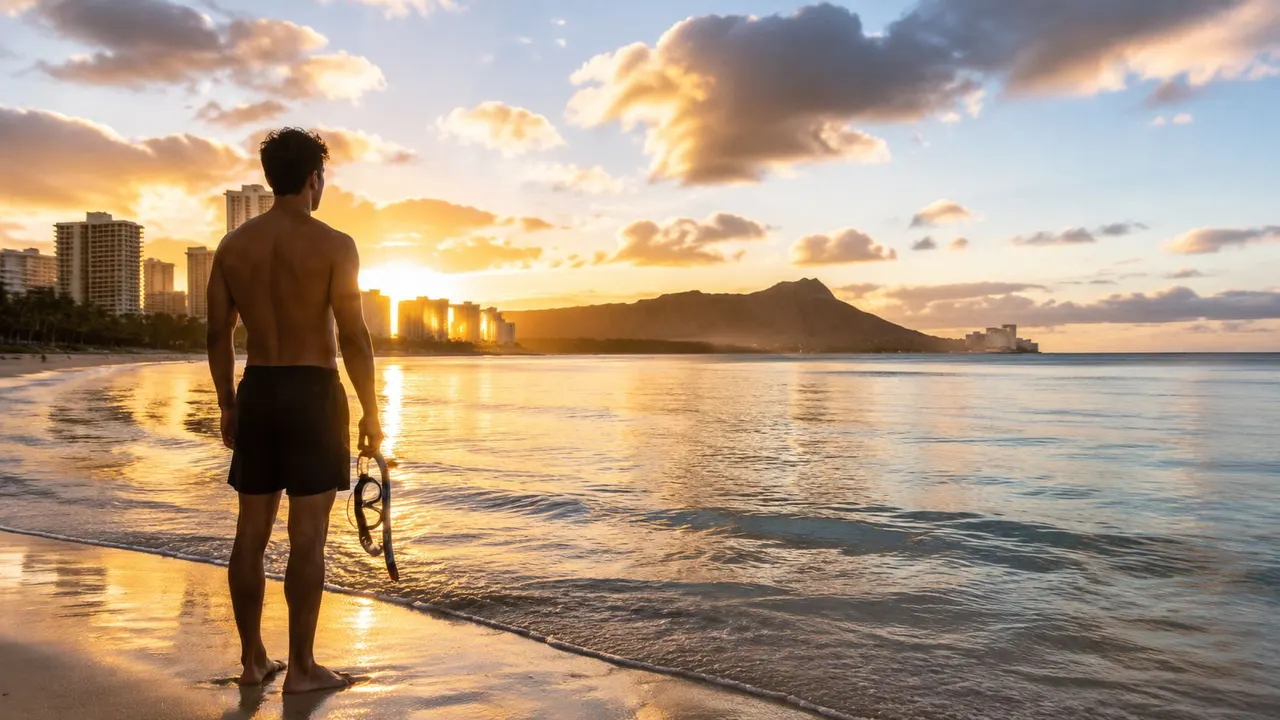
Some people picture themselves slipping off the sand in Waikiki and finding a whole reef right offshore. Others assume Hanauma Bay is the automatic answer because it's the name they already know. Grandparents may want calm water and an easy schedule. Parents want gear, guidance, bathrooms, shade, and a plan that doesn't turn into a half-day logistics project.
The vacation version versus the real version
The vacation version is simple. You put on a mask, float for a while, and spot fish and turtles in clear water.
The actual version depends on details. Water entry matters. Currents matter. Gear fit matters. The comfort level of the least experienced person in your group matters even more.
A smooth snorkel trip isn't built around the strongest swimmer in the family. It's built around the most nervous one.
That's why I always tell visitors to think about snorkeling in Honolulu in two parts. First, decide what kind of day you want. Easy and supported, or independent and unpredictable. Second, pick the location that matches that choice.
What most first timers are really asking
Usually it comes down to a short list:
- Can my kids handle it
- Will we see turtles
- Do we need to buy or rent gear
- Is this safe if someone isn't a strong swimmer
- Can we avoid wasting a vacation morning figuring it out
Those are the right questions. Once you ask them sincerely, the right answer for many families becomes obvious.
Guided Tour vs DIY Snorkeling A Crucial Choice
Guided Tour vs DIY Snorkeling A Crucial Choice
DIY snorkeling sounds cheaper and simpler on paper. In practice, it's often the opposite for beginners. You still have to choose the spot, arrange transportation, figure out parking, rent or buy gear, judge the water, and decide whether the conditions are good enough once you arrive.
A guided trip removes most of those failure points. On offshore sites, it also opens access you can't get on your own. Turtle Canyon, for example, is a boat-only reef reached in about 10 to 20 minutes from Kewalo Basin Harbor, and the full outing usually runs 2 to 3 hours with 30 to 60 minutes of active snorkeling time depending on conditions and tour style. Those logistics are part of why beginners often do better with a crew that handles the setup.
What families usually underestimate
The big one is gear. Reputable tours provide masks, snorkels, fins, snorkel vests or life jackets, and floating lines or boards. That matters because beginners rarely know whether the mask fits right, whether the fins are too loose, or whether the snorkel setup is comfortable.
There's also a safety detail that doesn't get enough attention. Carbon dioxide buildup in snorkel gear can cause dizziness, disorientation, or headache, and continuing to snorkel while uncomfortable can become dangerous. Proper instruction and gear fit reduce that risk, and if symptoms show up, the response is immediate. Remove the snorkel equipment and exit the water calmly.
For a broader look at what experienced operators consider when planning a Honolulu outing, this guide on choosing a Honolulu snorkel company is useful.
A side by side look
| Feature | Guided Snorkel Tour (e.g., Living Ocean Tours) | DIY Snorkeling |
|---|---|---|
| Access | Reaches offshore reefs and turtle areas only accessible by boat | Limited to shore-access spots |
| Gear | Mask, snorkel, fins, flotation, and rest support are typically provided | You must bring, rent, or buy everything yourself |
| Instruction | Staff demonstrate breathing, mask fit, body position, and entry procedures | You teach yourself or rely on guesswork |
| Safety oversight | In-water guidance and active monitoring | No dedicated in-water support |
| Wildlife spotting | Guides know where reef structure and animal behavior are easiest to observe | You may spend most of the session searching |
| Stress level | Lower for beginners and families | Higher, especially if anyone is anxious |
| Flexibility | Less spontaneous, but more organized | More freedom, but more planning burden |
One operator that fits this style of trip is Living Ocean Tours' Waikiki snorkel and wildlife cruise, which combines guided snorkeling with family-friendly boat amenities.
Practical rule: If anyone in your group is nervous, hasn't snorkeled before, or needs flotation to relax, don't make your vacation day depend on DIY decisions at the shoreline.
Honolulu's Top Snorkel Spots Explained
Honolulu’s Top Snorkel Spots Explained
A lot of families arrive in Honolulu with the same plan. Grab a mask, head for the nearest beach, and figure it out from there. Sometimes that works. Just as often, the day gets eaten up by parking, entry points, changing conditions, and a child or first-timer deciding the water feels bigger than expected.
That is why spot choice matters so much here. A famous snorkel location is not always the easiest one to enjoy, especially with kids, nervous swimmers, or anyone who wants a calm first experience.
What works well from shore and what doesn't
Hanauma Bay is the spot many visitors know before they land on Oahu. The reef can be beautiful, and the fish life is real, but the day takes planning. You need reservations, timing, and enough energy to handle the logistics before anyone even gets in the water. For organized travelers who are comfortable managing their own setup, it can be a good fit. For families, it can feel like a long project with a short snorkel attached.
Shore snorkeling near Waikiki is easier to reach, but easier to reach does not always mean easier to snorkel. Some days are fine for floating and seeing a few fish close to the beach. Some days the entry is awkward, visibility is average, or the reef life is scattered enough that beginners spend most of their time wondering if they are in the right place.
Then there is Turtle Canyon, an offshore reef near Waikiki that shore snorkelers cannot reach on their own.
Why Turtle Canyon stands out
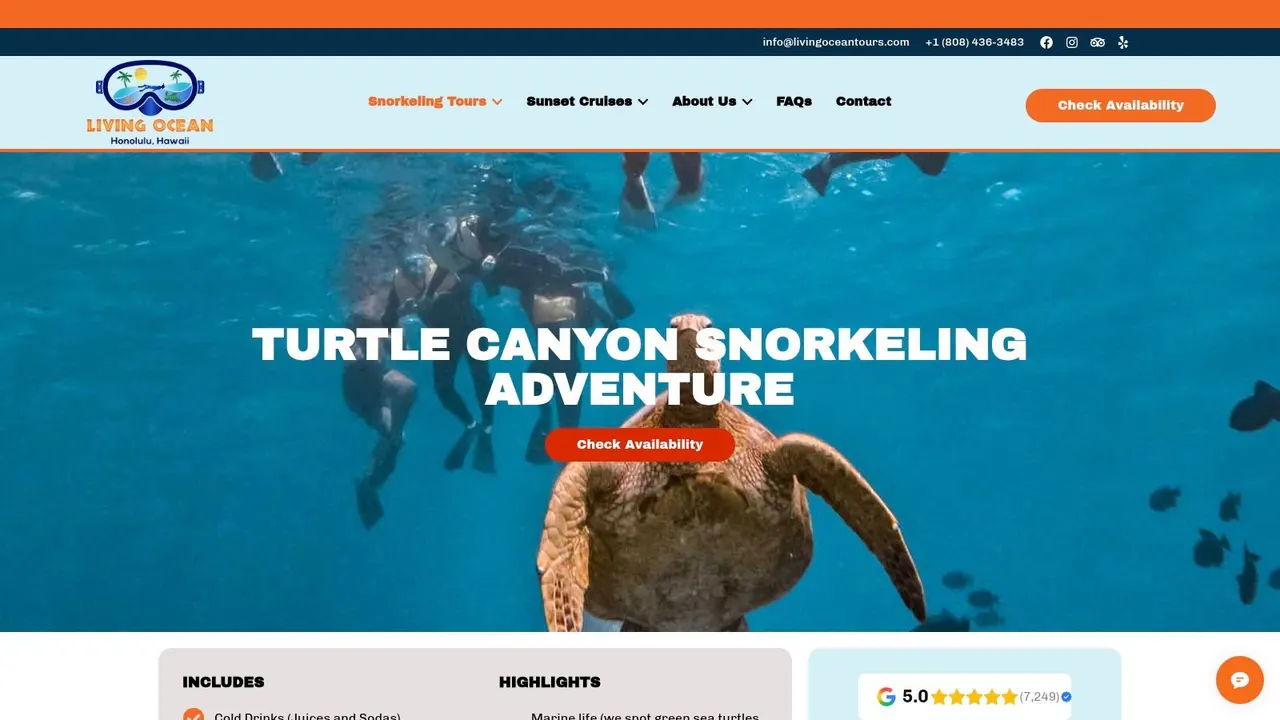
Turtle Canyon is known for reef structure that supports sea turtle cleaning stations. Hawaiian green sea turtles tend to pause over hard reef with ledges and pockets where small fish pick algae and parasites from their shells and skin. Sandy bottom does not create the same kind of stop-and-hover behavior, so offshore reef structure matters if turtles are high on your list.
For beginners, this is where a guided boat trip changes the whole experience. The crew puts you over the right habitat, watches conditions in real time, and helps guests spot what they would likely miss on their own. Good guides also keep the group calm and spaced out so turtles are observed responsibly. Hawaii requires people to stay at least 10 feet from sea turtles, and that distance is much easier to manage when someone experienced is in the water with you.
If your main goal is turtles, this guide to where to see sea turtles in Oahu gives useful background on the island's better-known viewing areas.
A dedicated option for reaching that offshore site is the Turtle Canyons Snorkel Excursion.
From a guide's perspective, the trade-off is simple. Shore spots can work if your group is confident, flexible, and willing to accept mixed wildlife viewing. Offshore reef sites like Turtle Canyon give families and first-timers a more controlled setup, a better chance of seeing turtles, and a much lower chance of the day turning into a gear-and-logistics problem instead of a fun snorkel.
Best Time of Year for Honolulu Snorkeling
Best Time of Year for Honolulu Snorkeling
Water conditions shape your snorkel day more than almost anything else. If you're scheduling ahead, season and time of day deserve real attention.
Seasonal patterns that matter
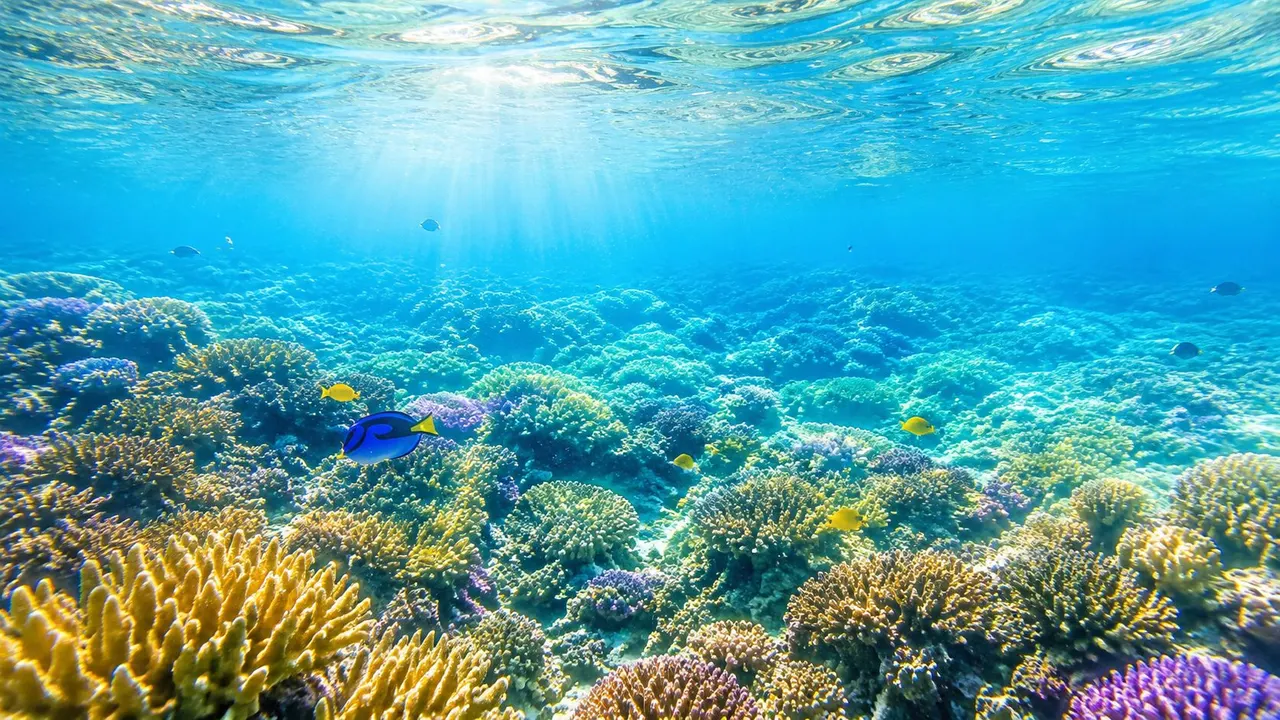
Summer, especially June through September, usually offers the calmest and clearest water for turtle and reef viewing. At Turtle Canyon and similar reef areas, that tends to mean cleaner visibility and an easier first experience for beginners.
Spring and fall can still be good, but visibility is more variable. Some days are excellent. Some are just okay. That matters less on a guided trip because the crew can judge conditions for you.
Winter, especially December through February, often brings more surf and reduced clarity, so it isn't the ideal season for easy snorkeling every day. But winter also gives visitors another memorable option off Waikiki. If you're here during humpback season, you may want to pair your trip with a Waikiki whale watching tour.
The time of day mistake visitors make
A lot of travel advice says to go as early as possible. That's only half right. Morning conditions before wind builds can be excellent, and morning sessions often show the strongest visibility on the Oahu snorkel conditions scale. But there's an important limit.
Official Hawaii guidance says "Avoid snorkeling at dawn or dusk" because visibility drops and the chance of encountering certain marine life increases, as noted in this Honolulu snorkeling safety guide. The sweet spot is usually a professionally scheduled morning or mid-morning departure, not the darkest edge of the day.
To understand how conditions feel through the year, including comfort in the water, this page on Oahu water temperature helps set expectations.
Calm water matters, but clear visibility and safer timing matter more.
Essential Gear and What to Pack for Your Tour
Essential Gear and What to Pack for Your Tour
The easiest packing list for snorkeling in Honolulu is the one that assumes the boat handles the technical gear and you handle the simple personal items.
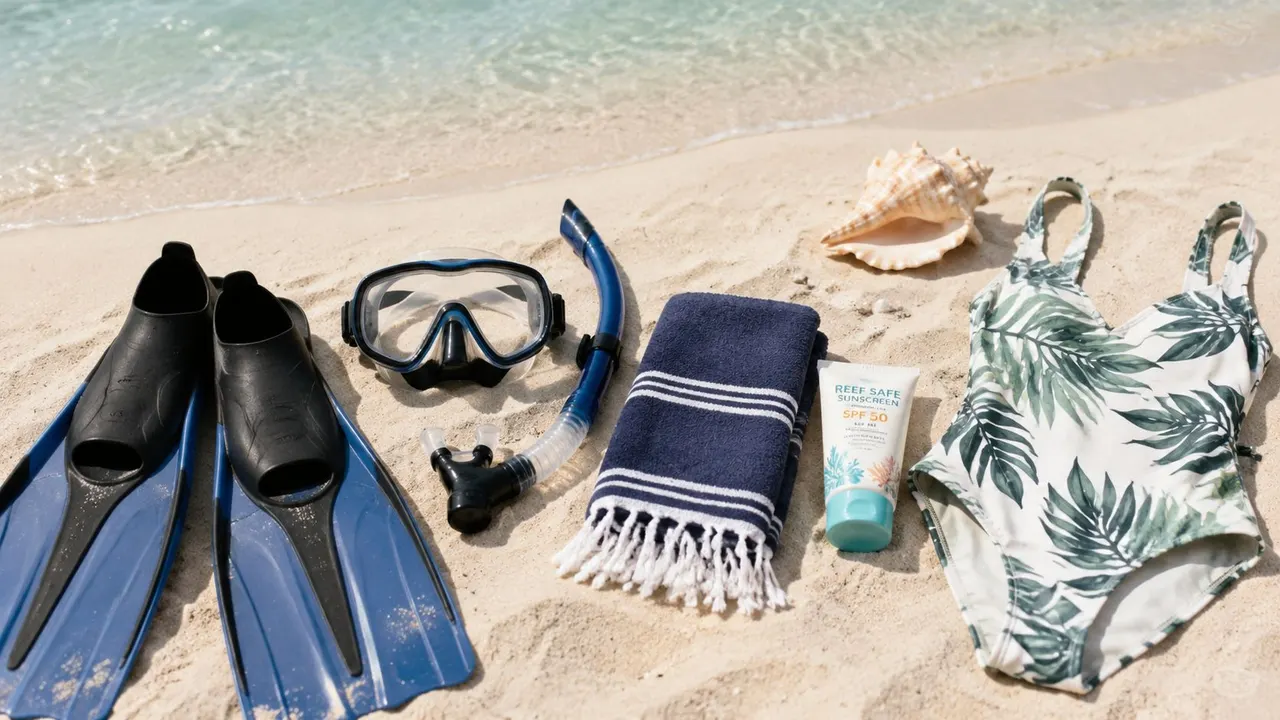
What to bring yourself
Bring the basics and don't overpack.
- Swimsuit already on so boarding is easy
- Towel and dry clothes for the ride back
- Reef-safe sunscreen because standard chemical sunscreen can damage coral
- Rash guard or sun shirt for warmth and sun protection
- Secure footwear for walking around the harbor and boat
- Water and small personal essentials if your operator allows them
If you like checklists, this Oahu snorkel packing list is a good simple reference.
What a well run tour should provide
You shouldn't have to guess on the important gear. A reputable snorkel operator provides mask, snorkel, fins, flotation, and a way to rest in the water such as a line or floating board. They should also help fit the gear before anyone gets in.
A few practical items matter more than visitors expect:
- Mask fit: A leaky mask ruins the experience fast. Anti-fog product and a proper seal check make a big difference.
- Fin fit: Loose fins waste energy and make beginners kick too hard.
- Flotation: A vest changes snorkeling from a swim into a float-and-look activity for many first timers.
Bring less than you think. The right guide trip should already cover the gear that actually determines whether the snorkel goes well.
A Sobering Look at Snorkel Safety and Reef Etiquette
A Sobering Look at Snorkel Safety and Reef Etiquette
People often treat snorkeling like the harmless cousin of scuba. It isn't. It's simple to start, but it still puts visitors in open ocean conditions with breathing equipment, unfamiliar exertion, and wildlife rules that matter.
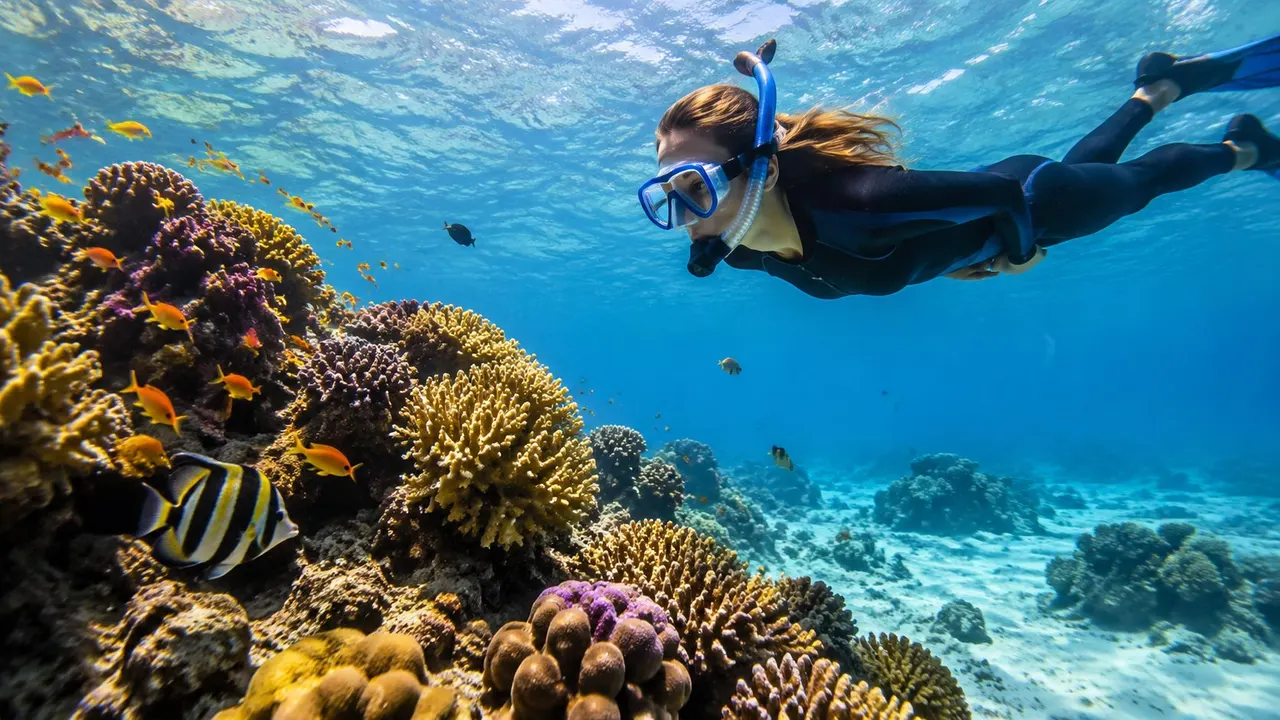
Why snorkeling deserves respect
In Hawaii, snorkeling is the leading cause of tourist drownings, with 204 snorkeling-related deaths recorded between 2012 and 2021, and 90% of those fatalities were visitors according to this Honolulu snorkeling safety report. That same source notes the 2022 Snorkel Safety Study found pulmonary edema was a factor in "many, if not most" of examined fatalities, with 29 of 32 deaths in the study likely involving that condition.
A few details matter for visitors. 48% of victims drowned less than three days after landing in Hawaii, and 26% drowned within three to four days of arrival in the same source. Recent air travel, exertion, and preexisting heart problems all deserve caution.
That doesn't mean visitors should be scared off. It means they should take the activity seriously, use flotation when needed, and choose support over pride.
Reef manners that protect wildlife
The conservation side is simple and uncompromising.
- Stay at least 10 feet from sea turtles. That's the NOAA minimum distance in the water.
- Don't touch coral or stand on reef. Even light contact can damage living reef.
- Keep your movements calm. Chasing animals pushes them away and makes the water chaotic for everyone.
- Watch turtle behavior. A turtle resting or hovering near reef structure is doing something important. Give it room.
Good guides do more than point out fish. They keep guests positioned safely and help them enjoy wildlife without crowding it. If you want a quick overview of respectful behavior in the water, this page on Oahu reef etiquette is worth a read.
Top Tips for Families and First-Time Snorkelers
Top Tips for Families and First-Time Snorkelers
Most first timers don't need more courage. They need a setup that removes the obvious stress points.
If you're anxious or not a strong swimmer
DIY plans often encounter their quickest challenges. At popular self-guided spots, the support families assume will be available often isn't. One important example is Hanauma Bay, where the concession stand does not rent life jackets, which creates a real problem for non-swimmers and anxious visitors according to this Hanauma Bay guide for beginners.
That's why flotation shouldn't be treated as optional for beginners. A proper snorkel vest lets people relax, float face-down comfortably, and conserve energy. Once people stop fighting the water, they start enjoying the reef.
A few habits help immediately:
- Start with floating, not kicking hard. Let the vest do the work.
- Keep breaths slow and steady. Rushed breathing creates tension.
- Stay close to the guide or float line. Confidence rises quickly when support is within reach.
How to make it fun for kids
Children usually do well when the trip has structure and small wins. They want to know what they're looking for and when they've succeeded. On a family-friendly boat, guides can help by spotting obvious fish, pointing out turtles before kids miss them, and keeping the group compact.
For mixed-age families, the overall outing matters as much as the reef itself. A trip that includes room to spread out and playful boat features can work better than a rigid shore snorkel where every adult is busy troubleshooting masks. That's one reason some families prefer boat outings with extras like a waterslide, water trampoline, or lily pad rather than trying to force a long shore session.
Kids remember the turtle. Parents remember whether the whole day felt manageable.
Frequently Asked Questions About Snorkeling in Honolulu
Frequently Asked Questions About Snorkeling in Honolulu
| Question | Answer |
|---|---|
| Is snorkeling in Honolulu good for beginners? | Yes, if the day is built around calm conditions, flotation, and instruction. Beginners usually do much better on guided boat trips than on DIY shore entries. |
| Do I need to be a strong swimmer? | Not necessarily. Many guests do fine if they're comfortable floating and gently kicking while staying with the group. |
| Can I see sea turtles in Honolulu? | Yes. Turtle Canyon near Waikiki is the main offshore turtle snorkel site, and guided tours report very high sighting success. |
| Is dawn the best time to snorkel? | No. Morning can be great, but official guidance warns against snorkeling at dawn or dusk because of reduced visibility and increased marine life risk. |
| What if I wear glasses? | Most people simply snorkel without them. If your vision is strong enough for general orientation, that's often fine. If not, ask your operator about options before booking. |
| What should kids wear? | A secure swimsuit, reef-safe sunscreen, and often a rash guard for sun protection and comfort. Flotation should be part of the plan. |
| How close can I get to a turtle? | Stay at least 10 feet away in the water. Don't chase, touch, or block the animal's path. |
| What if the weather or ocean conditions aren't good? | Reputable operators assess conditions before the trip and adjust based on safety. That's one of the biggest advantages of going with a professional crew. |
If you want an easier way to plan snorkeling in Honolulu, start with a guided option from Living Ocean Tours. Their Waikiki departures keep the logistics simple, and guided boat trips are often the most comfortable fit for families, beginners, and anyone who wants turtle sightings without the usual DIY hassle.


