
A snorkeling hydration plan for a full day on Oahu
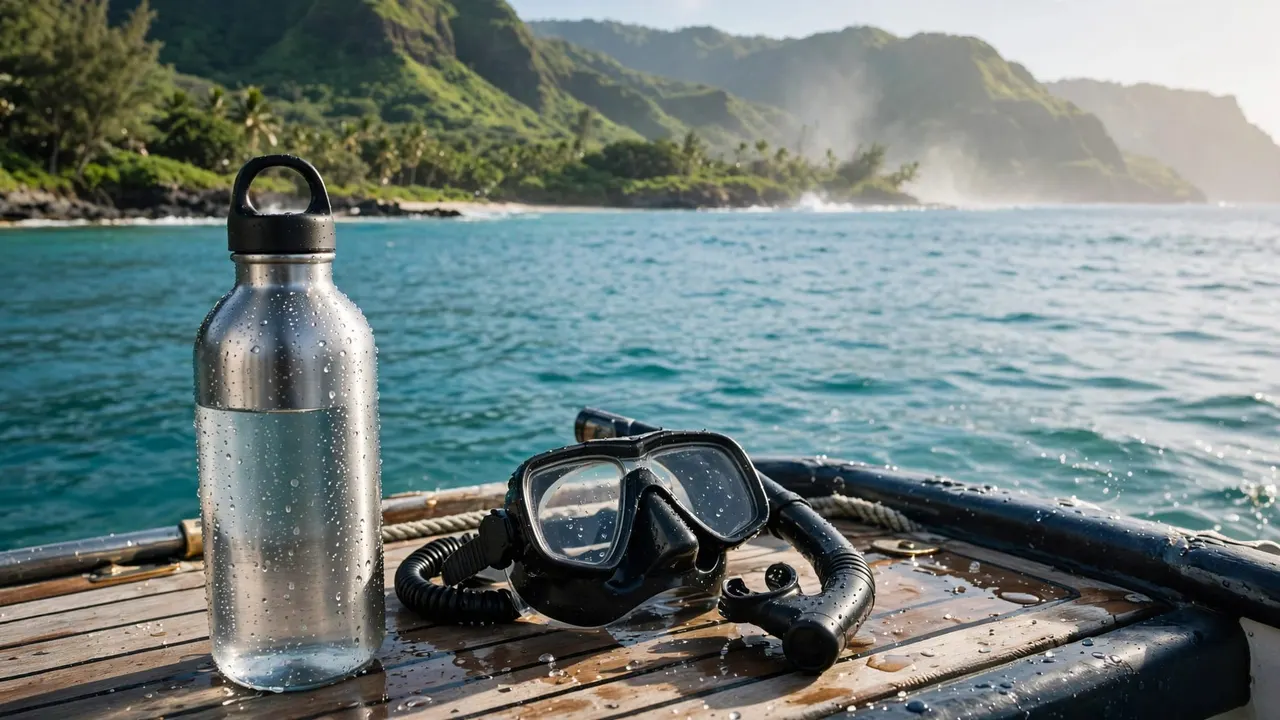
You can feel cool in Oahu’s turquoise water and still need a drink when you climb back aboard. A practical snorkeling hydration plan gives you regular chances to drink, eat, and rest before thirst or fatigue interrupts your adventure.
With Living Ocean Tours, you can build your ocean day around guided snorkeling and comfortable breaks aboard. Your best preparation starts with a filled reusable bottle and planned pauses, rather than trying to finish a set amount of water.
Start by matching your drinking opportunities to the day’s swimming, sunshine, and travel.
Build your snorkeling hydration plan before you swim
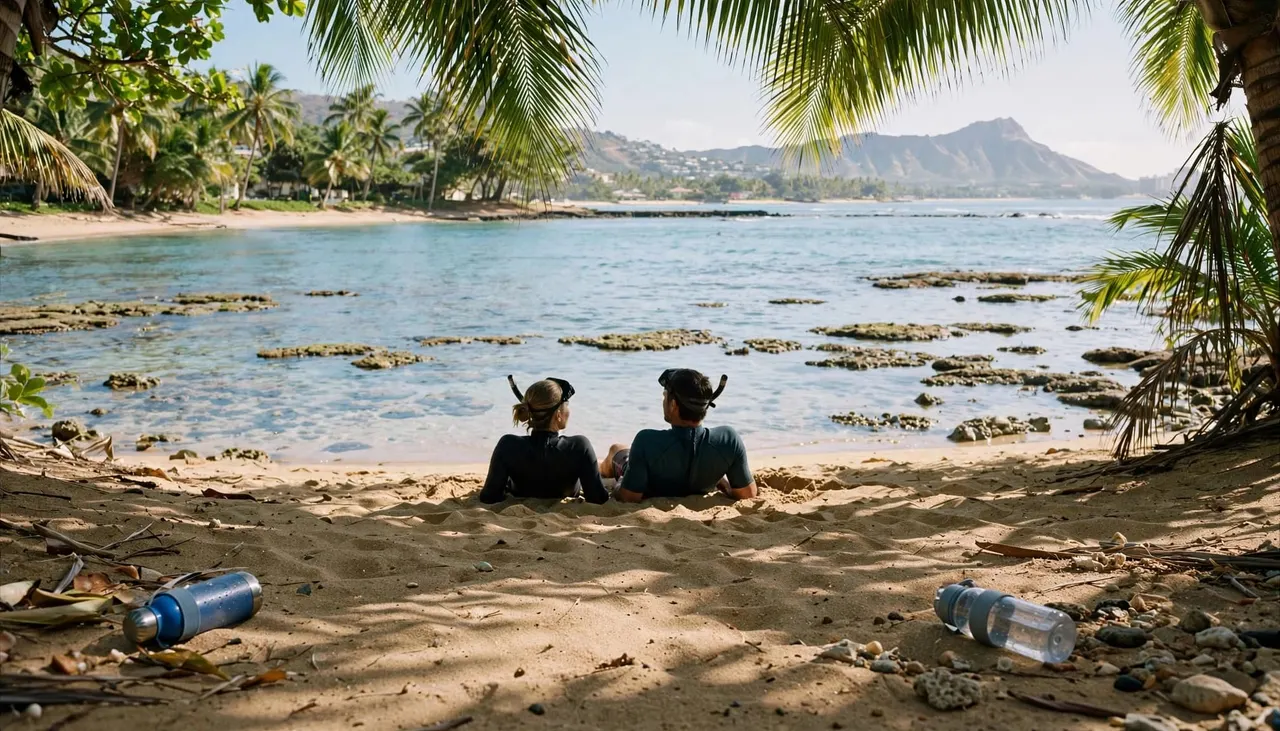
Start hydrated, without forcing fluids
Have water with breakfast, then fill your bottle before leaving your hotel. Eat something you tolerate comfortably, especially if you’re heading onto a boat.
You don’t need to gulp several glasses immediately before boarding. Instead, give yourself time to drink comfortably and use the restroom. A rushed morning can leave you thirsty before your first swim.
Your needs change with your body size, activity, weather, and health. The CDC’s heat and health guidance emphasizes staying cool, staying hydrated, and recognizing symptoms.
If you have a fluid restriction, kidney disease, or heart condition, ask your clinician about your plan before traveling.
Make the whole day easier on your body
A full day of snorkeling should include substantial time outside the water. Morning swimming, a shaded lunch, and an optional later session give you opportunities to reassess.
Check local ocean conditions before each entry. For shore snorkeling, ask lifeguards about currents, surf, and safe access. Hydration doesn’t compensate for hazardous water or swimming beyond your ability.
Also, account for the less obvious exertion. Carrying bags, walking across hot sand, and waiting in exposed parking areas all add heat exposure.
Keep the afternoon flexible, particularly if anyone feels tired after the morning outing.
Choose water first, then consider electrolytes
Use drinking opportunities instead of a quota
For ordinary recreational activity, water is generally sufficient. The CDC’s heat-stress hydration guidance supports water as the main drink and cautions against excessive intake.
For snorkeling hydration, keep water accessible and drink at natural breaks. Use thirst, comfort, and conditions as guides. Avoid waiting until you’re parched, but don’t force fluids to meet an arbitrary total.
A longer day doesn’t mean you should drink continuously. Excessive water intake can dangerously dilute blood sodium, particularly during prolonged exertion.
Your bottle should support comfortable drinking, rather than become a challenge you must finish.
Add electrolytes when the day’s demands justify them
An electrolyte drink can be useful when you’re sweating heavily for hours, spending prolonged time in the heat, or doing extended exercise. It isn’t automatically necessary after every snorkel session.
For a relaxed boat outing with meals and shaded breaks, plain water and normal food may meet your needs. Meanwhile, a strenuous day with long beach walks deserves more attention to sweat losses.
If you bring a drink powder, follow its mixing instructions. A stronger mixture doesn’t guarantee better hydration. Salt tablets also aren’t a routine solution for vacation snorkeling.
Keep alcohol out of your pre-swim plan because it impairs judgment and coordination.
Pack supplies you can reach between swims
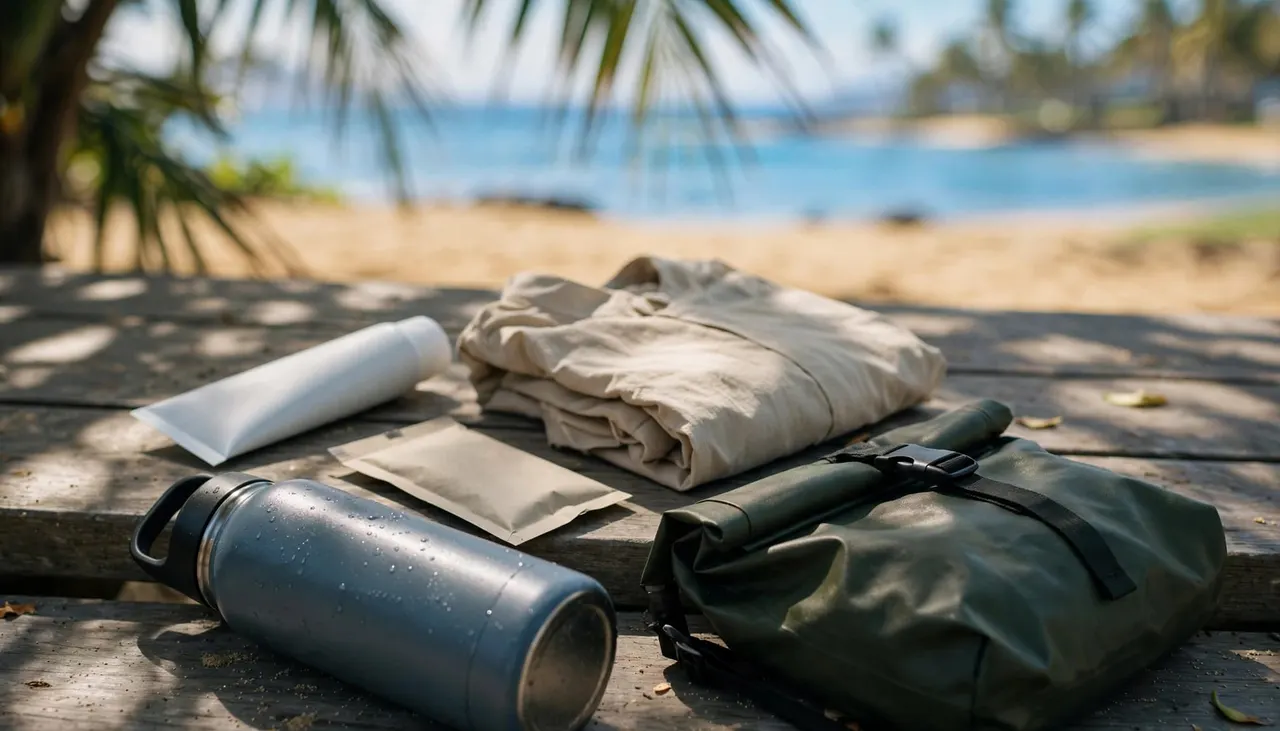
A good snorkeling hydration kit is compact, secure, and easy to use. Your water won’t help much if it’s buried beneath towels and cameras.
Choose a reusable bottle with a secure lid. A 24- or 32-ounce bottle is a practical carrying option, but its capacity isn’t your daily drinking target. Confirm refill access wherever you’re going.
For shore-based outings, bring additional drinking water if you can’t confirm a reliable refill location. Don’t assume every beach has a working fountain or nearby shop.
Keep these essentials together:
- Bring your filled bottle and a backup water supply when refills are uncertain.
- Pack a simple snack, such as fruit, crackers, or a sandwich, in suitable storage.
- Carry a rash guard, hat, sunglasses, sunscreen, towel, and dry clothing.
Choose mineral sunscreen with zinc oxide or titanium dioxide, and follow the label’s application and reapplication directions. Don’t treat a “reef-safe” claim as a guarantee that any product is harmless.
A fitted rash guard covers your back and shoulders while you float. However, sun protection doesn’t replace shade or rest.
Finally, secure your bottle and bag before the boat moves. Loose items can roll across a deck, and an oversized bag makes essentials harder to reach.
Match your drinking breaks to your Oahu itinerary
Use the day’s transitions as reminders, without turning them into a rigid drinking schedule. Your snorkeling hydration plan should adapt if the weather changes or you skip a swim.
These checkpoints work around a typical ocean outing.
| Part of your day | Hydration opportunity | Comfort check |
|---|---|---|
| Breakfast | Drink water with your meal. | Eat before a busy morning. |
| Before boarding or beach entry | Keep your bottle accessible. | Check conditions and restroom access. |
| After each snorkel session | Drink comfortably during your break. | Notice fatigue, headache, or nausea. |
| Lunch | Have water and a normal meal. | Spend time out of direct sun. |
| Before another swim | Refill if needed. | Reassess energy and ocean conditions. |
| After your final swim | Continue drinking normally. | Cool down and change into dry clothes. |
The useful habit is reassessment at every break, rather than a fixed number of ounces.
The CDC’s travel heat-illness advice recommends nonalcoholic fluids and attention to heat exposure. Apply that advice to the whole outing, including sightseeing after snorkeling.
For example, lunch in the shade is a better recovery stop than another hour standing in the sun. If you’re heading elsewhere on Oahu afterward, refill before the drive and leave room for an unhurried meal.
Use Living Ocean Tours’ onboard comforts
With Living Ocean Tours, you can make snorkeling hydration easier through accessible water refills, shaded seating, and onboard restrooms. Bring your reusable bottle filled from the hotel, then ask the crew where to refill it.
You depart from Kewalo Basin Boat Harbor, near Waikiki. Confirm your check-in instructions in your booking email and allow time for parking, rather than rushing down the dock.
Professional snorkel guides provide instruction and in-water support, which is helpful when you’re new to snorkeling. Tell the crew early if you feel nervous, seasick, thirsty, or unusually tired.
Compare the available Oahu snorkeling and wildlife cruises to choose an outing that fits your group. Shaded breaks can make the experience more comfortable for children and adults.
Keep wildlife viewing respectful, too. Observe Hawaiian green sea turtles without touching or pursuing them, and keep fins clear of coral.
Choose your departure before planning the rest of your beach day.
Recognize symptoms that require a real break
Respond early to heat exhaustion
Heavy sweating, weakness, dizziness, nausea, headache, or muscle cramps can accompany heat exhaustion. If you notice these symptoms, stop activity and move into shade or air conditioning.
Tell your guide or another responsible adult. Cool yourself with wet towels or cool water. If you’re fully alert and able to swallow, take small sips of water.
Don’t return to snorkeling simply because you’ve finished a drink. Your symptoms need to resolve, and you should feel steady before considering further activity.
Seek medical help if symptoms persist, worsen, or include vomiting. Confusion or collapse requires emergency action, rather than another water break.
Treat symptoms in the water as urgent
Dizziness or disorientation while snorkeling isn’t necessarily dehydration. Equipment-related breathing problems can also cause symptoms, so don’t try to diagnose yourself while floating offshore.
Signal your buddy or guide, keep your face clear of the water, and exit safely with assistance. Once you’re supported, remove the equipment and explain what happened.
A headache in the water deserves an immediate exit and assessment, even if you’ve been drinking regularly.
For suspected heat stroke, call 911 and begin cooling the person immediately. Confusion, altered awareness, seizures, or collapse are emergency warning signs. Don’t give fluids to someone with suspected heat stroke.
Key takeaways for a comfortable ocean day
Your hydration plan works best when drinking, food, and cooling breaks support each other.
- Start with breakfast and a filled reusable bottle, then confirm where you can refill.
- Drink regularly without forcing a fixed volume; consider electrolytes for prolonged sweating or exertion.
- Stop swimming when symptoms appear, and remember that dizziness can have causes beyond dehydration.
Leave space in your itinerary for rest. You’ll have more freedom to enjoy the reef when another swim is optional.
Frequently asked questions
How much water should you bring?
Bring enough for the time you’ll spend away from confirmed refill access, plus a backup when access is uncertain. There isn’t one correct daily volume for every snorkeler. Your activity, heat exposure, body size, and medical needs all affect how much you should drink.
Do children need a different plan?
Give children their own accessible bottles and offer drinks during breaks. Don’t apply adult drinking quantities to them. Also, watch their energy and behavior because they may focus on the fun rather than mention thirst. Shorter sessions and regular shaded breaks help you monitor comfort.
Should you snorkel if you feel seasick?
Tell the crew and stay out of the water if you feel nauseated, dizzy, or unsteady. Seasickness can make drinking difficult, and vomiting adds fluid loss. Ask a clinician or pharmacist about motion-sickness medication before your trip, rather than trying an unfamiliar product while underway.
Keep your Oahu day flexible and well supplied
Your strongest snorkeling hydration plan gives you easy access to water and permission to stop. Start prepared, use breaks to reassess, and let your comfort guide the next swim.
With water, shade, and crew support close at hand, you can focus on Oahu’s fish and sea turtles. A memorable full day doesn’t require staying in the water all day.


