
Snorkeling Honolulu: How Sound Travels Across a Reef
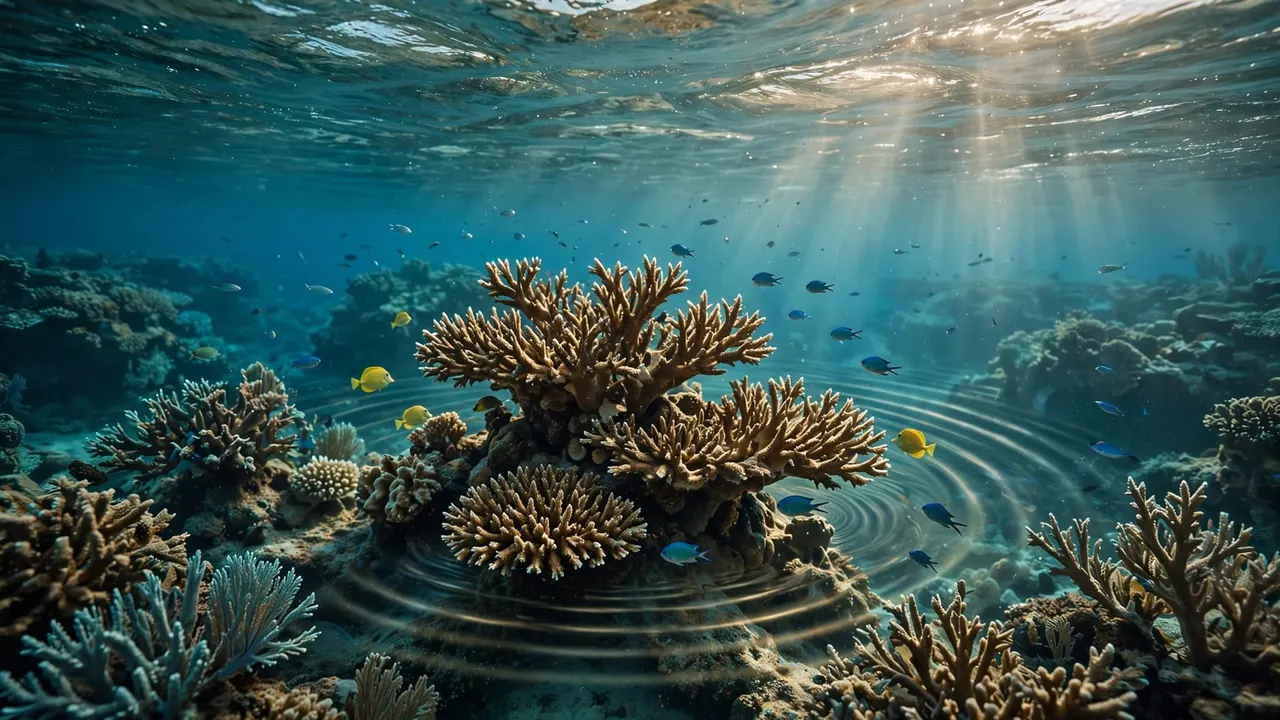
You can see a Hawaiian reef through your mask, but much of its activity happens through vibrations you can’t see. When you’re planning a snorkeling adventure in Honolulu, understanding that hidden soundscape gives you another way to appreciate the ocean.
Living Ocean Tours brings you close to Waikiki’s marine life with professional in-water snorkel guides and welcoming support. However, exploring reef sound starts with realistic expectations: underwater hearing differs from hearing on shore.
Before you enter the water, it helps to understand how sound moves through the habitat beneath you.
How sound moves through a Hawaiian reef
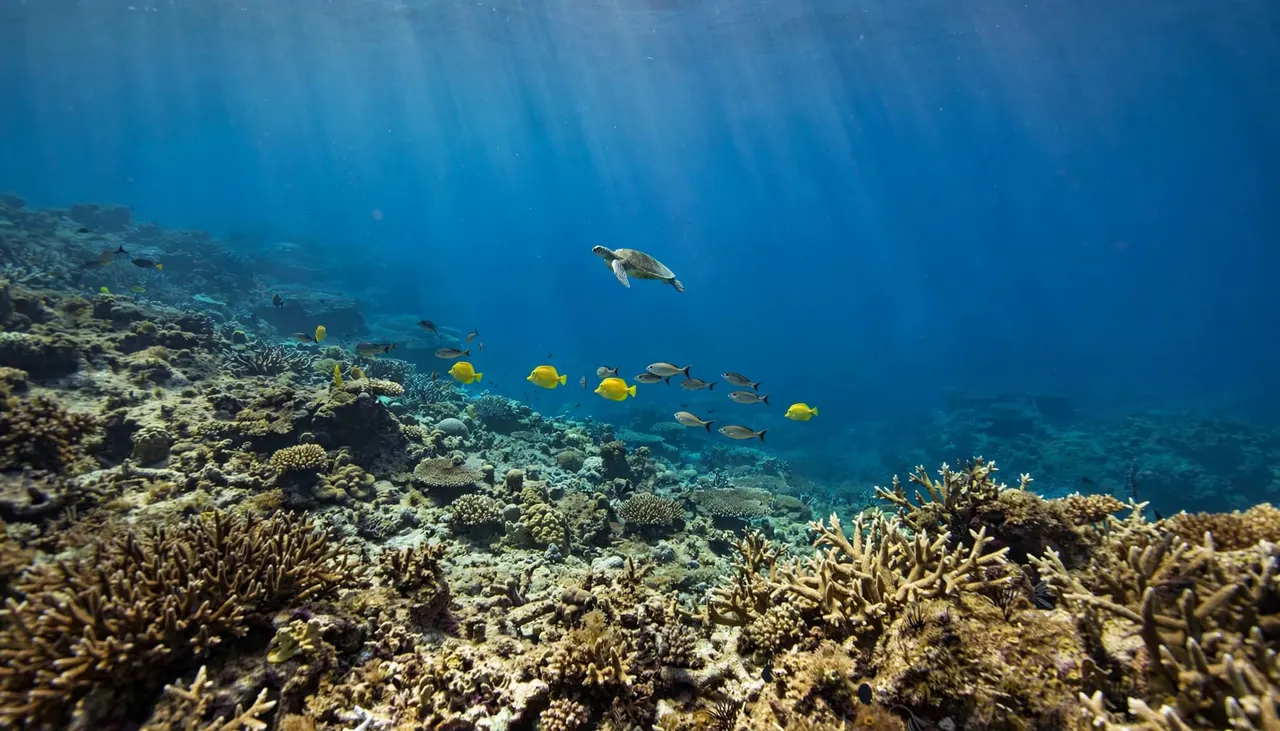
Water carries vibrations differently than air
Sound begins with a vibration. That vibration produces pressure changes that travel through the surrounding material, whether it’s air or seawater.
According to NOAA’s explanation of ocean sound, sound travels faster and farther underwater than in air. Water temperature, salinity, and pressure affect its movement.
For your snorkeling Honolulu outing, the important detail is simple: the underwater acoustic environment extends beyond what you can see. A source outside your field of view may contribute to it.
However, faster travel doesn’t mean every sound remains strong across an entire reef. Sound loses energy as it spreads, and different frequencies behave differently.
A reef changes the path
Around Honolulu, coral heads, volcanic rock, sandy patches, and the water’s surface create an uneven acoustic setting.
Sound can reflect from boundaries, scatter around structures, or lose energy in the seabed. Therefore, a reef doesn’t transmit every vibration along one clean, straight route.
The depth and shape of the habitat also matter. A shallow reef beside Waikiki differs from deep, open ocean water.
You can’t assign a reliable travel distance simply by looking at water clarity. Clear water helps you see fish, but visibility doesn’t measure how far a sound carries.
What contributes to a reef’s soundscape
A reef soundscape combines biological activity, natural physical processes, and human activity. These sources overlap rather than taking turns.
Fish and small invertebrates
Some reef fish produce sounds during social interactions, territorial behavior, or reproduction. Depending on the species, sound production can involve muscles associated with the swim bladder or movements of body parts.
Researchers studying acoustic behavior in Hawaiian reef fish have characterized species-associated sounds and their potential use in monitoring fish communities.
Snapping shrimp contribute another sound source. Their specialized claws create rapidly collapsing bubbles that produce sharp acoustic pulses.
Although these animals are small, their combined activity can contribute substantially to recordings. You don’t need to see an animal for it to be part of the surrounding soundscape.
On a snorkeling Honolulu trip, this is a useful reminder to appreciate the smaller residents alongside the turtles.
Waves, weather, and boats
Breaking waves, rain, and moving water also contribute sound. Meanwhile, boats introduce engine and propeller noise.
Those sources can overlap with biological sounds, so a busy recording doesn’t automatically indicate abundant marine life. Its contents require interpretation.
Likewise, a quieter moment doesn’t prove that a reef lacks animals. Species, behavior, time of day, and conditions all affect acoustic activity.
The coral itself provides habitat for many sound-producing animals. However, seeing a coral colony doesn’t tell you which nearby creature produced a particular vibration.
What your ears can and can’t tell you
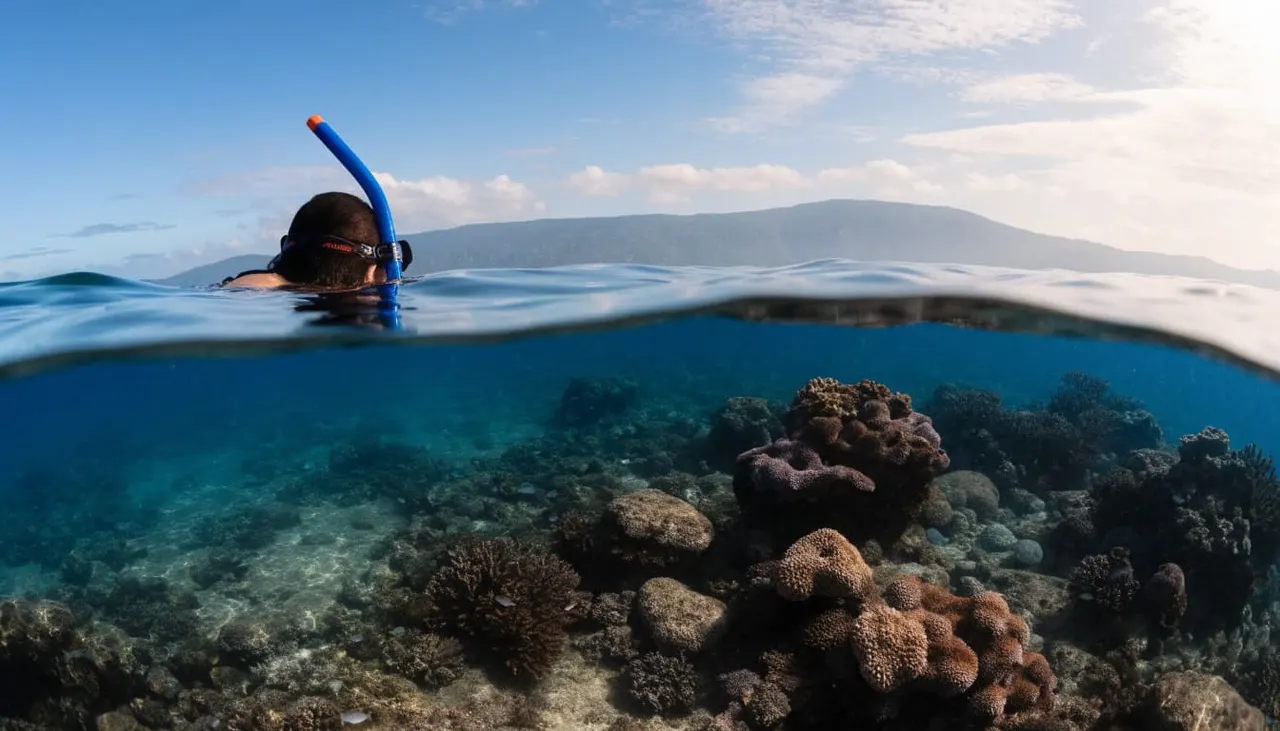
Direction is harder to judge underwater
On land, your brain uses differences between the signals reaching each ear to help locate sounds. Underwater, those cues change.
Sound transmission through your head also affects perception. As a result, a vibration may seem difficult to place even when you recognize that something produced it.
During a snorkeling Honolulu experience, hearing isn’t a navigation tool. Keep tracking your guide, your buddy, and the boat visually.
A sound that seems nearby doesn’t give you a dependable underwater distance or direction. Never swim toward an unidentified source.
A hydrophone provides different information
A hydrophone is a microphone designed to detect sound underwater. Scientists use recordings to examine frequencies, timing, and repeating patterns that casual listening can’t reliably separate.
Your mask, breathing, movement, and position near the surface create a different listening situation. Therefore, your experience won’t necessarily match a scientific reef recording.
You also can’t identify a fish species simply because you notice a click or pulse. Several sources can produce similar impressions.
Treat anything you perceive as part of the experience, rather than evidence of a particular animal. A careful identification needs more information.
Why sound matters to marine animals
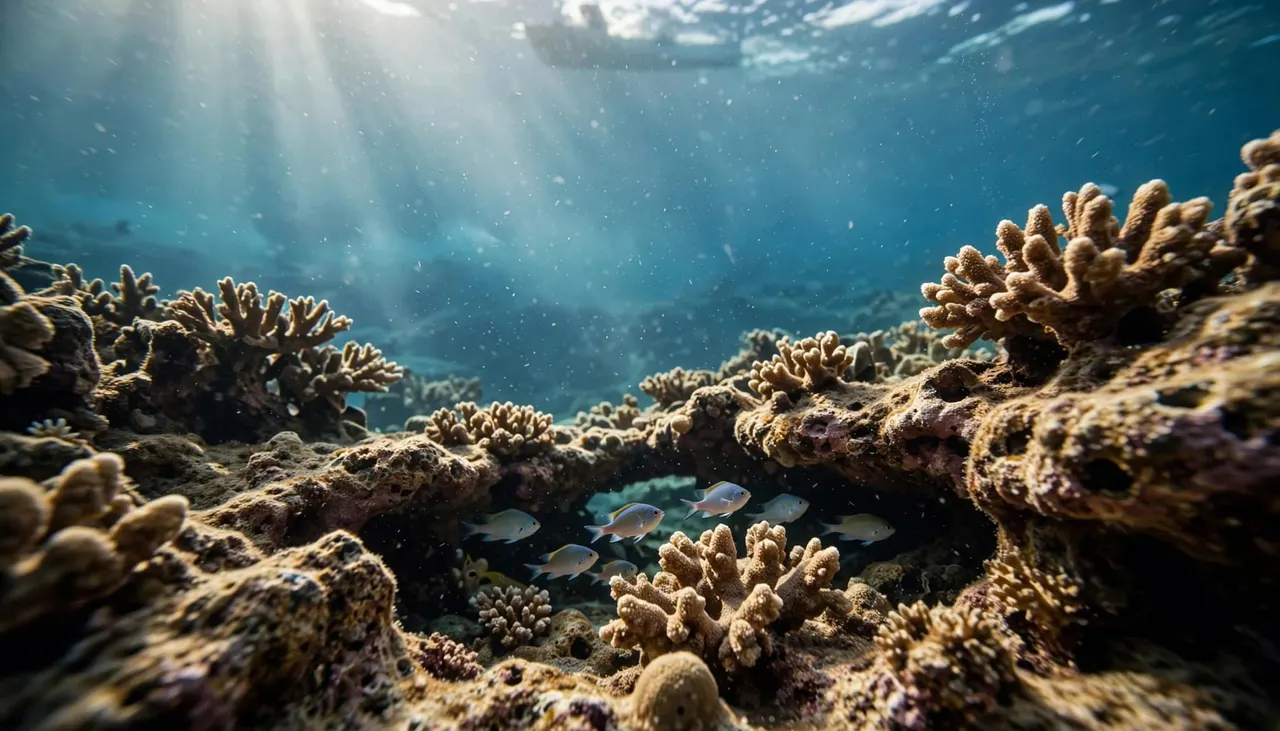
Animals detect more than you do
Marine animals don’t all hear the same way. Their sensory systems respond differently to sound pressure and particle motion, the movement of water associated with sound.
Woods Hole Oceanographic Institution’s marine hearing guide explains how underwater sound supports communication, orientation, and survival.
For some animals, vibrations provide information when darkness, obstacles, or cloudy water limit vision. However, the usefulness of a signal depends on the species and situation.
You don’t need to turn every fish encounter into an acoustic identification exercise. Knowing that animals experience their surroundings differently adds depth to what you observe through your mask.
Background noise can obscure signals
When background noise overlaps with an animal’s signal, that signal can become harder to detect. Scientists call this masking.
The effect depends on the noise, its frequency, the listener, and the signal involved. Therefore, one passing boat doesn’t tell you the scale of an ecological effect.
NOAA’s aquatic soundscape monitoring guidance describes efforts to characterize underwater acoustic environments over time.
As a visitor, your practical contribution is modest but worthwhile. Avoid introducing unnecessary noise or disturbing animals to provoke a response. Patient observation lets wildlife continue its normal behavior.
Observe the reef without changing its behavior
An attentive snorkeling Honolulu visit starts with comfortable equipment and good positioning. First, ask for help with a leaking mask or unfamiliar flotation gear before leaving the boat.
Once you’re settled, swim gently and keep enough room between yourself and the reef. Short, controlled movements help you avoid accidental contact.
You never need to hold your breath, dive down, or remove equipment to make the experience more meaningful. Continue breathing normally through your snorkel, and follow your guide’s instructions.
Keep these habits in mind:
- Stay with your buddy and guide, and use the agreed hand signals whenever you need assistance.
- Keep fins, hands, and cameras clear of coral, including when you’re adjusting your position.
- Give turtles space and leave their route to the surface unobstructed.
At Turtle Canyons, small fish clean material from Hawaiian green sea turtles. That natural interaction deserves uninterrupted space.
Similarly, leave animals hidden in crevices undisturbed. Moving a rock or extending a camera into their shelter changes the habitat you’re hoping to observe.
Weather and ocean conditions remain important, even when the surface looks inviting. Follow the crew’s assessment rather than assuming calm-looking water is suitable.
If you feel tired, cold, or uneasy, signal for help and take a break. Comfortable observation is more rewarding than pushing beyond your swimming ability.
Choose guided reef time with Living Ocean Tours
For a snorkeling Honolulu outing, Living Ocean Tours gives you access to professional in-water snorkel guides and departures from Kewalo Basin Boat Harbor near Waikiki.
You can compare its guided snorkeling and ocean adventures to choose an experience that fits your group. Before booking, explain your swimming experience and ask about participation requirements.
The company’s professional guides help with equipment, snorkeling technique, and respectful wildlife observation. For first-time snorkelers, that support gives you someone to approach when you need assistance.
However, guidance doesn’t remove the need to follow instructions or stay within your comfort level. Your experience depends on ocean conditions and your own readiness.
For couples and water-loving families, a guided reef visit combines shared discovery with practical assistance. Ask your guide about the animals you’re watching, while remembering that snorkeling isn’t an acoustic survey.
You can CHECK AVAILABILITY for a guided Turtle Canyons visit when you’re ready to plan your reef time.
For the company’s broader booking options, use the availability button below.
Key takeaways for your reef visit
- Sound travels faster and farther in seawater than in air, but reef structure and conditions affect its path.
- Biological activity, waves, weather, and boats all contribute to underwater soundscapes.
- Your ears can’t reliably identify underwater distance, direction, or species without additional evidence.
- Professional guidance, gentle swimming, and hands-off wildlife observation help you enjoy the reef responsibly.
Above all, judge your surroundings through the crew’s instructions and visual awareness. Acoustic curiosity should never replace safe snorkeling habits.
Frequently asked questions
Can you tell which fish made an underwater sound?
Usually, casual listening alone isn’t enough. Researchers combine acoustic recordings with observations and other evidence. Even a distinct pulse may need careful analysis before anyone assigns it to a species.
Does clear water mean sound travels farther?
Water clarity describes visibility, not acoustic range. Sound movement depends on factors such as frequency, water properties, depth, and surrounding boundaries. A clear view doesn’t provide a dependable sound-distance estimate.
Will a snorkeling trip include recognizable reef sounds?
You shouldn’t book with that expectation. Conditions, your position, and your own breathing and movement affect perception. A guided reef visit offers wildlife observation rather than a guaranteed listening experience.
Should you bring an underwater microphone?
You don’t need one for ordinary snorkeling. If you’re interested in recording, ask the operator before bringing equipment. Any device must remain within your control and away from coral, animals, and other swimmers.
Enjoy the reef with a broader perspective
Your snorkeling Honolulu adventure can reveal more than fish and coral. Understanding underwater sound helps you appreciate activity beyond the reach of your mask.
Keep that curiosity grounded in respectful observation. Let your guide handle the practical support, maintain visual awareness, and give marine animals room.
You’ll leave with a richer understanding of the reef, without needing to identify every vibration moving through it.


