
Snorkeling Honolulu: A Hawaiian Sea Urchin Field Guide
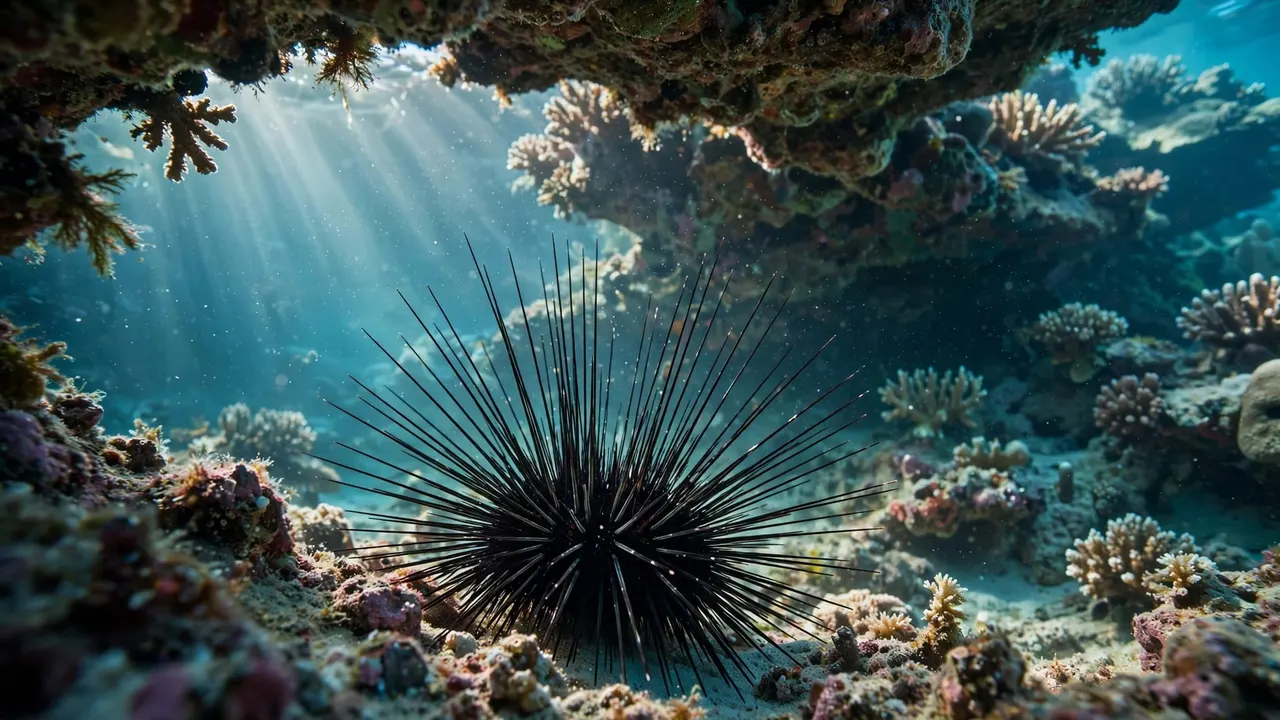
The black spines tucked beneath a reef ledge deserve your attention just as much as a passing turtle. With Living Ocean Tours, you can explore Waikiki’s marine life while learning the hands-off habits that protect you and the reef.
For your snorkeling Honolulu adventure, knowing a few sea urchin shapes helps you notice more without getting too close. These small animals are fascinating reef residents, but their brittle spines demand space.
Start with their appearance, then plan how you’ll observe them safely.
Key Takeaways for Your Reef Visit
- Look for long-spined wana, thick-spined slate-pencil urchins, and short-spined collector urchins.
- Keep your hands, feet, and fins away from reef surfaces, especially during entry and exit.
- If a spine punctures your skin, stop snorkeling, alert your guide or lifeguard, and seek care for serious or worsening symptoms.
How to Recognize Hawaiian Sea Urchins
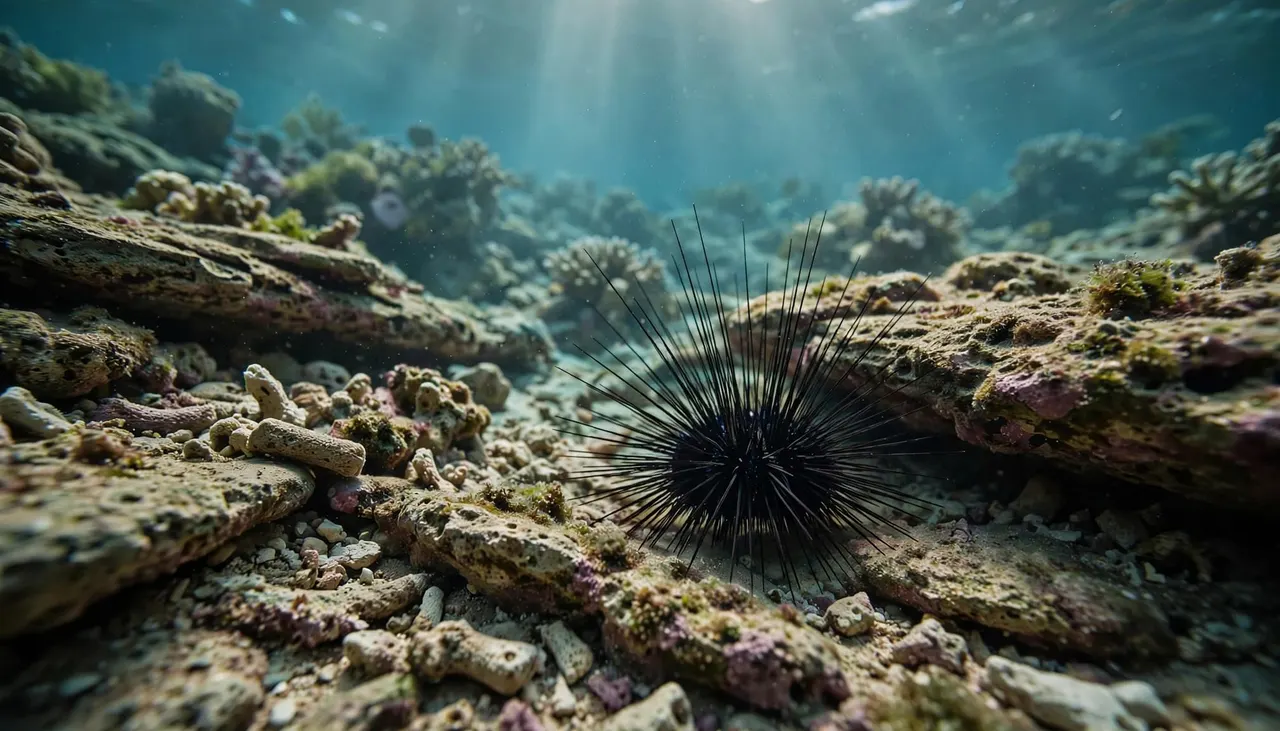
You don’t need to memorize every scientific name before entering the water. First, notice spine length, thickness, and anything resting on the animal’s body. Those details help you separate several common forms without approaching the bottom.
Wana: Long Spines Around a Rounded Body
Wana is the Hawaiian name used for long-spined urchins, including Echinothrix diadema and Echinothrix calamaris. You may notice dark spines or contrasting bands, depending on the species.
From above, their fine spines can resemble a dark starburst emerging from a rocky opening. However, shadows often conceal the body, so you’ll sometimes recognize the spines before the animal itself.
Keep watching from the surface rather than reaching toward a crevice. A closer look isn’t worth losing control of your position above the reef.
Slate-Pencil and Collector Urchins
The slate-pencil urchin, Heterocentrotus mammillatus, has thick, blunt-looking spines that can appear bright red. Its shape looks sturdier than wana, but you should still leave it untouched.
The collector urchin, Tripneustes gratilla, has shorter spines and may carry shell pieces or pebbles across its body. As a result, you might mistake it for scattered reef material.
Use the spine shapes in this sea urchin identification guide to sharpen your observations before your trip. Color alone can mislead you underwater because lighting and viewing distance change what you see.
Where Urchins Fit Into the Hawaiian Reef
Once you recognize their outlines, you’ll start noticing places where an urchin could hide. On a snorkeling Honolulu outing, focus on reef structure rather than expecting a particular species at every stop.
Search Visually Around Hard-Bottom Habitat
You may encounter urchins around rocky reef surfaces, coral rubble, and sheltered openings. Nearshore hard-bottom areas can also contain them, which makes careful entry important.
Look along the edges of ledges while maintaining clearance above the bottom. However, don’t swim into a tight space or reach underneath a rock to confirm an identification.
An empty-looking patch doesn’t prove the surrounding reef is safe to stand on. Small animals can blend into shadows, and waves can shift you toward a surface you weren’t watching.
Notice Their Role as Grazers
Many sea urchins graze on algae. When you watch one moving across a reef surface, you’re observing part of the reef’s feeding activity.
Their movement is slow, so patience helps. You might notice a change in position only after watching the same area for a while.
Leave shells and rubble where you find them, including material resting on a collector urchin. Hawaii’s community coastal-care guidance supports treating the shoreline and its living resources as places to care for, rather than sources of souvenirs.
Plan Your snorkeling Honolulu Reef Visit
Good preparation gives you more attention for wildlife once you’re afloat. Choose an outing that matches your swimming ability, then check the conditions and water-access plan.
Assess a Shore Entry Before Getting Wet
Before entering from a beach, ask a lifeguard about surf, currents, and the safest access area. If you can’t see where you’re placing your feet, reconsider the entry.
A sandy opening can help you avoid hard reef surfaces, but you still need to assess waves and your return route. Don’t assume a familiar beach is safe because you visited it on another day.
For families, agree on where you’ll enter and exit before anyone puts on a mask. Children should know whom to signal if they feel uncomfortable.
Prepare for a Boat-Based Swim
A boat ladder lets you enter without walking across the reef. However, you still need enough swimming comfort to follow instructions and return to the vessel.
Tell the crew about your experience level before departure. Then practice breathing through your snorkel and check your mask seal before moving away.
If you’re anxious, ask about flotation and stay near the guide while you settle into a comfortable rhythm. Taking a break is always better than pushing through fatigue.
Avoiding Urchin Injuries While Snorkeling
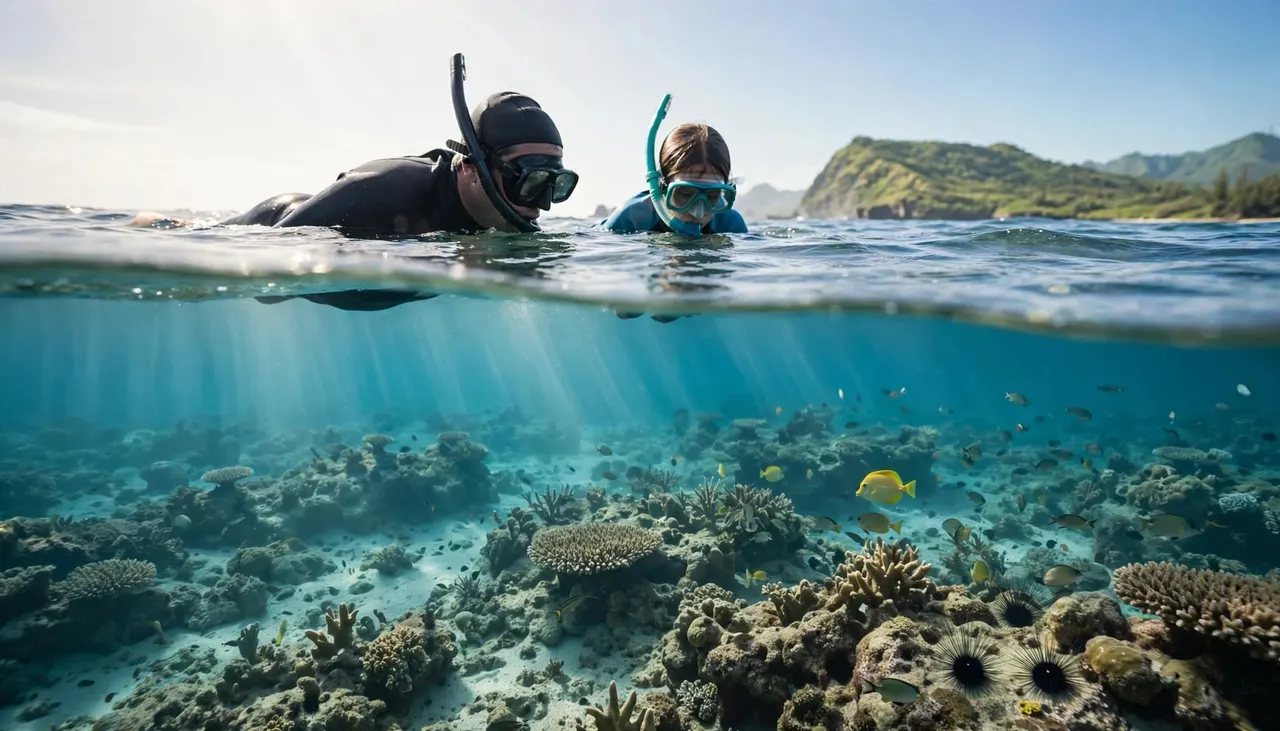
Your safest viewing position leaves room between your body and the reef. Float horizontally, use gentle fin strokes, and watch your direction before turning.
Your snorkeling Honolulu equipment should help you stay comfortable without encouraging contact. Water shoes aren’t permission to walk across reef habitat, and gloves don’t make touching wildlife appropriate.
When you pause to watch an urchin, keep track of waves and your distance from the bottom. A small surge can move you closer than you intended.
If you need to adjust your mask, move into clear water first. Reaching for a reef ledge to steady yourself can put your hand beside concealed spines.
Also, resist the urge to stand when your mask leaks or you need a rest. Signal your guide, use your flotation as instructed, or return to the boat.
For children, explain the rule before entering: watch reef animals without touching them. Demonstrate a relaxed floating position rather than relying on repeated warnings once they’re excited.
Finally, leave enough energy for your exit. Tired snorkelers have less control over their fins and may grab nearby surfaces. End your swim while you can still return comfortably.
What to Do After a Sea Urchin Puncture
An urchin injury deserves attention even when the entry wound looks small. Brittle spines can break, and pain can interfere with your ability to swim safely.
Leave the Water and Get Help
Stop snorkeling and tell your guide, boat crew, or lifeguard what happened. Get out with assistance if pain makes climbing or walking difficult.
Once you’re safely out, clean the area gently with soap and clean water. Don’t dig into the wound or try to cut out embedded fragments yourself.
Hawaii’s Department of Land and Natural Resources warns in its marine recreation safety tips that urchin punctures can cause throbbing pain. It also notes that some species may be venomous.
Avoid assuming that every Hawaiian urchin is venomous or that every puncture is harmless.
Recognize When Medical Care Is Needed
Seek medical care for deep punctures, suspected fragments near a joint, severe pain, or trouble using the injured hand or foot. Also get checked if redness, swelling, drainage, or pain increases.
For breathing difficulty, fainting, or other serious whole-body symptoms, call 911 immediately.
A dark mark doesn’t tell you whether a spine remains beneath the skin. Let a clinician assess persistent symptoms rather than repeatedly probing the area.
For children, explain what happened and keep them out of the water while you arrange help. Returning to the reef can wait until the injury has received appropriate attention.
Explore Waikiki’s Reef With Living Ocean Tours
For a snorkeling Honolulu trip with in-water support, Living Ocean Tours departs from Kewalo Basin Boat Harbor, near Waikiki. You receive gear and instruction, plus help with mask fit and reef etiquette.
Living Ocean Tours describes itself as Honolulu’s only tour company with professional snorkel guides. That support gives beginners someone to signal when equipment shifts or they need help returning to the boat.
You can compare the company’s guided ocean adventures around your group’s comfort level. Shaded seating, onboard restrooms, dry storage, and sturdy ladders make the boat portion easier for families.
The Turtle Canyons Snorkel Excursion visits a natural Hawaiian green sea turtle cleaning station. Living Ocean Tours reports a 95% historical turtle-sighting rate, although wildlife encounters aren’t guaranteed.
While turtles attract attention, leave time to observe smaller reef residents. Urchin sightings also depend on visibility, habitat, and your viewing position.
You can CHECK AVAILABILITY for a turtle-focused outing that fits your vacation schedule.
Frequently Asked Questions About Hawaiian Sea Urchins
Will You See Urchins on Every Snorkel Trip?
You may spot them, but sightings aren’t guaranteed. Reef structure, shadows, water clarity, and your route affect what you notice. Ask your guide whether any are visible without approaching the bottom.
Can You Touch a Slate-Pencil Urchin?
Leave it untouched, even though its thick spines look less threatening than wana’s. Handling disturbs the animal, and reaching toward it can bring you into contact with other reef residents.
Are Water Shoes Enough Protection?
Water shoes don’t remove the risk of reef injuries. You should still avoid stepping on hard-bottom habitat. Choose suitable access areas and keep your feet clear of the reef while swimming.
Leave With Better Reef Awareness
Recognizing spine shapes gives you another reason to slow down and watch Hawaii’s reef life. The most useful habit is maintaining clearance above the reef, even when an animal catches your attention.
Choose suitable conditions, ask for help when you need it, and leave every urchin undisturbed. You’ll enjoy a richer reef visit without turning curiosity into unnecessary contact.


