
Snorkeling Honolulu Made Easy for First Timers
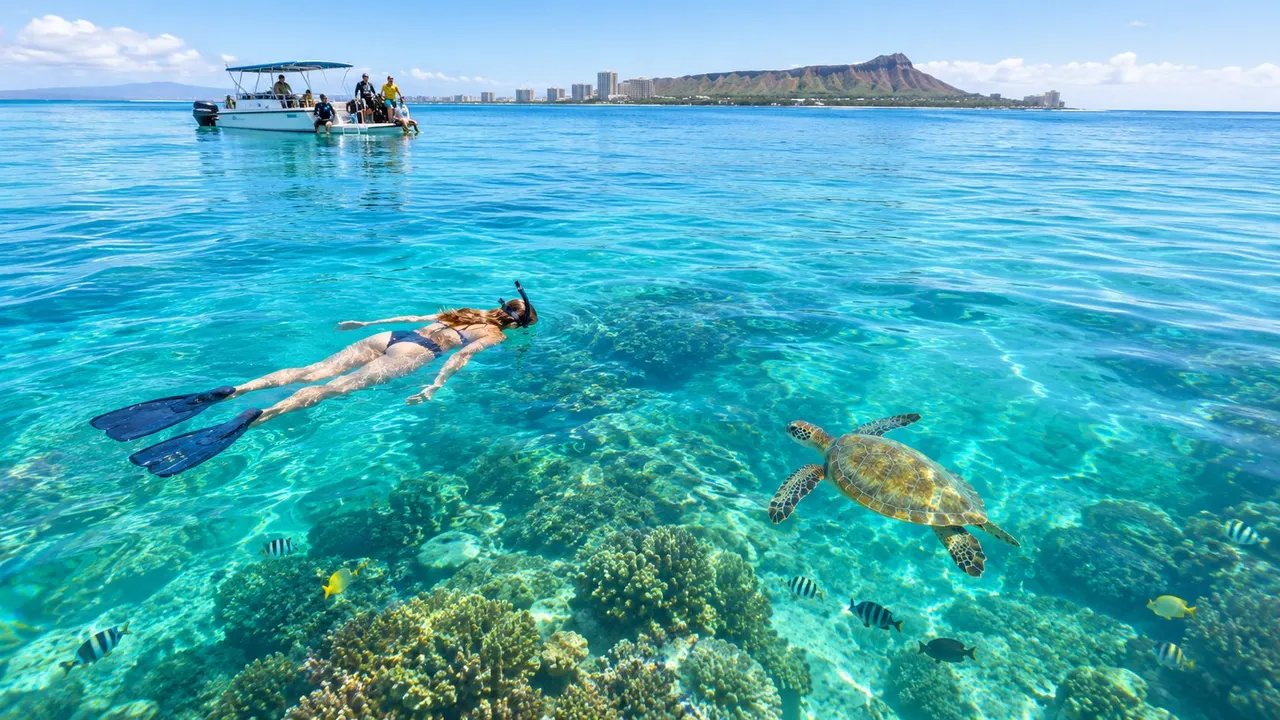
You've just checked into Waikiki, the kids are asking when they can see a sea turtle, and the ocean looks almost too calm to be dangerous. That's a common starting point for snorkeling Honolulu. The good news is that Oahu gives first-time visitors several ways to explore reefs, from sheltered nearshore water to guided boat trips, but a memorable outing depends on more than choosing the most famous name.
Honolulu snorkeling works best when you make three decisions in the right order: match the site to your swimming ability, choose a realistic weather and water window, and treat wildlife viewing as a low-disturbance activity. A reef isn't a swimming pool, and calm-looking water doesn't remove the risks of fatigue, panic, changing currents, or poor judgment.
Introduction to Snorkeling Honolulu for First Time Visitors
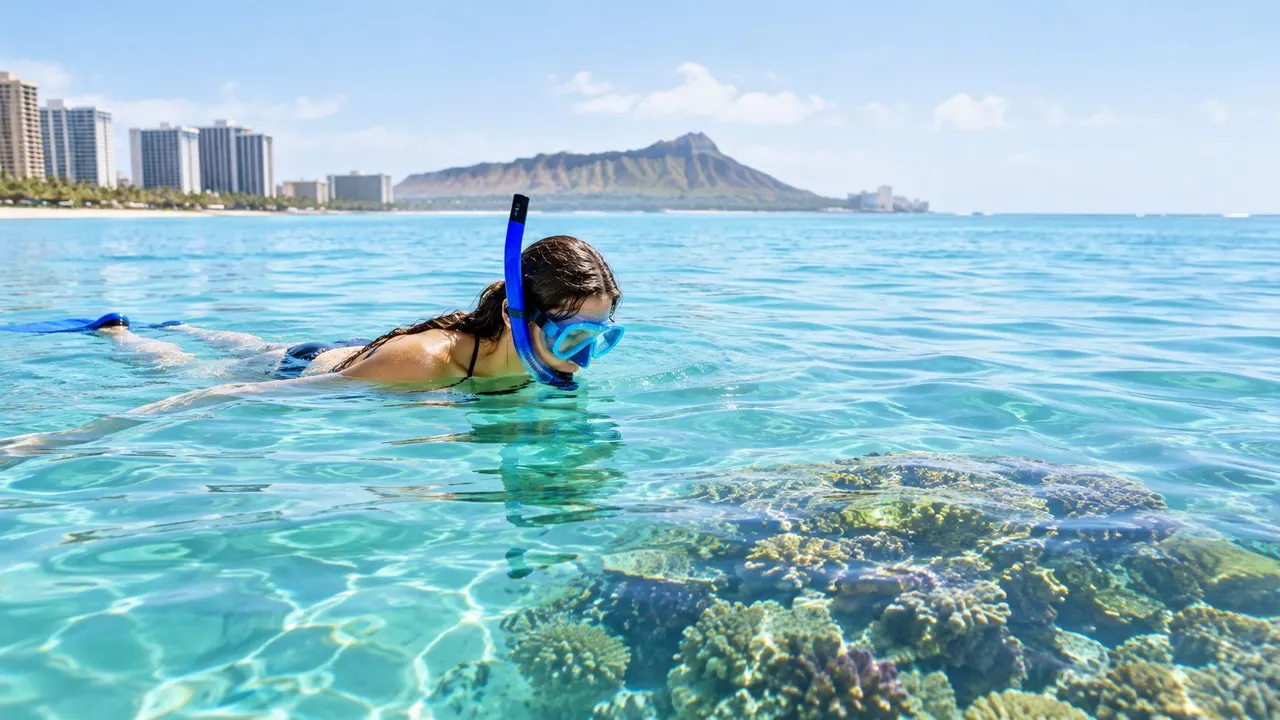
A family staying near Waikiki might begin with an easy plan: walk to the beach, rent masks, and swim out until someone spots a turtle. That plan can work for experienced ocean swimmers, but first-timers often discover that the hardest part isn't seeing underwater life. It's keeping a leaking mask clear, staying relaxed while floating, judging water movement, and knowing when conditions have changed.
Honolulu is a major snorkeling destination because reef access is close to where many visitors stay, and guided operators connect travelers with offshore habitat without requiring a long drive into unfamiliar areas. University of Hawaiʻi-based research cited in a Honolulu snorkeling guide estimates that more than 3 million snorkelers visit Hawaiian reefs each year, while over 80% of visitors participate in coastal and marine recreation statewide. That activity supports an established tourism network, with more than 100 dive and snorkeling operators statewide generating roughly $50 million to $60 million annually, according to the same source.
What makes Honolulu approachable
Visitors staying in Waikiki can consider sheltered beach areas, boat-access reefs, and Hanauma Bay Nature Preserve. These options aren't interchangeable. One may be convenient but exposed to surf, another may offer a concentrated turtle habitat but attract several boats, and another may provide structured access with reservations and conservation rules.
A guide can help a nervous swimmer adjust equipment before entering, explain where to look, and notice when a child is tiring before that child says anything. Families also benefit from choosing an activity with a clear exit plan, flotation support, and staff who explain wildlife boundaries rather than treating animals as guaranteed photo props.
By the end of this guide, you'll be able to choose between nearshore Waikiki, Turtle Canyon, Hanauma Bay, and a guided cruise based on comfort, conditions, crowding, logistics, and stewardship, not just marketing.
How Honolulu Reefs and Turtle Cleaning Stations Work
A first-time family can enter calm-looking water and still face a difficult swim. A reef's depth, channels, exposed edges, and nearby sand shape the experience, much like streets and slopes shape a walk through a neighborhood. Coral provides structure, small fish use its cracks and channels, and larger animals visit places that offer food, shelter, or cleaning services.
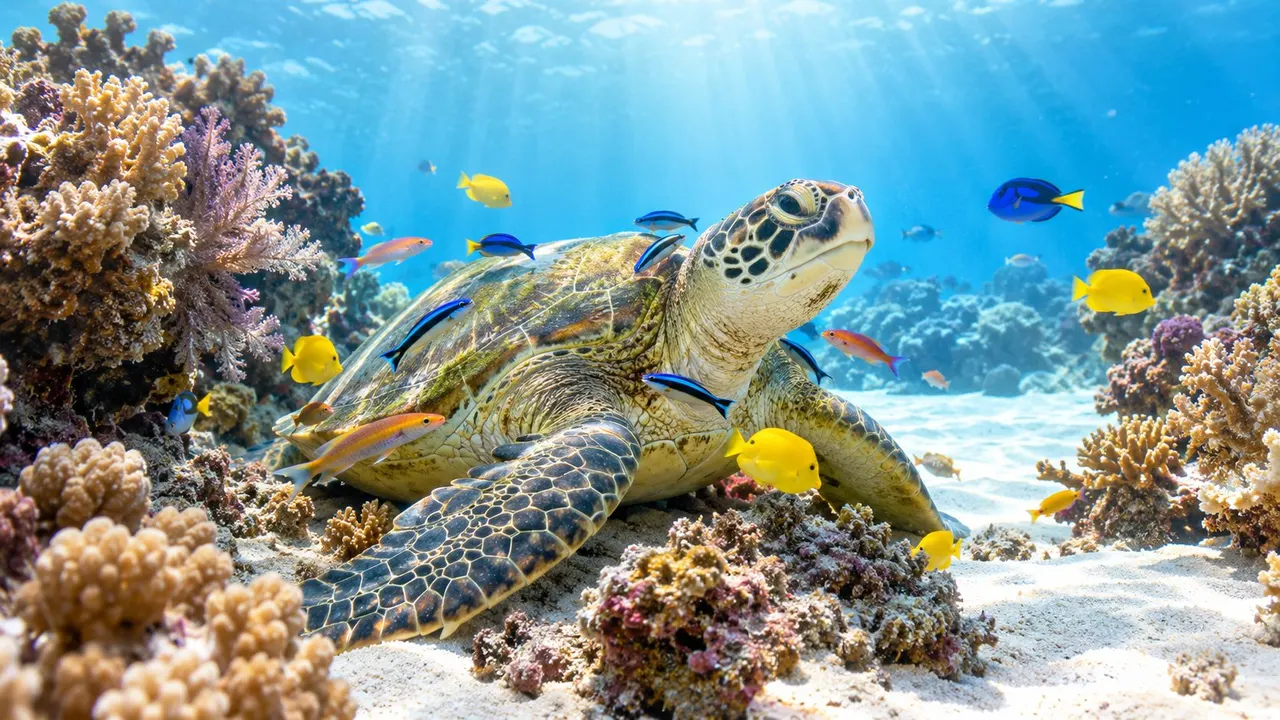
Turtle Canyon off Waikiki shows how these pieces fit together. It is a shallow offshore reef and a natural cleaning station where Hawaiian green sea turtles gather while reef fish remove algae from their shells. The process works like a car wash: turtles pause for a service, small fish feed as they clean, and visitors may see several animals in one area rather than searching across open water. The Turtle Canyon description explains why the site suits guided snorkeling and why calm, controlled behavior matters.
Why reef conditions affect what you see
Clearer water helps beginners read the reef's shape, spot channels, and judge distance from coral. Morning often offers better viewing conditions. See the timing guidance below for details, but remember that a calm surface does not guarantee safe water. A current, boat traffic, depth, or a tiring swimmer can still change the risk.
Crowding also changes the encounter. Too many swimmers can stir sand, block a turtle's path, and make it harder for guides to keep children together. A smaller, well-managed group may provide fewer dramatic moments than a crowded gathering, yet it can give wildlife more space and families a clearer safety plan.
How to watch turtles responsibly
A cleaning station is a working habitat, not a performance area. Turtles need room to approach, rest, and leave. Keep your body relaxed, follow the guide's position, and avoid chasing or blocking an animal.
Wildlife rule: If the turtle changes direction because of you, you are too close or moving too aggressively.
Look without touching. Do not grab a shell, stand on coral, kick across the reef, or surround a turtle for a photograph. Quiet observers usually get the most natural view, while respectful spacing protects both the animal and the next group of visitors.
Top Snorkeling Spots Around Honolulu Compared
The right site depends on the person entering the water, not on which location appears most often in holiday photos. A confident swimmer may enjoy an offshore reef, while a child who's still learning to breathe through a snorkel may need shallow, sheltered water and an easy way back to shore.
| Site | Best For | Access and Key Note |
|---|---|---|
| Turtle Canyon | Turtle-focused visitors and guided beginners | Boat-access reef off Waikiki with a natural cleaning station. Wildlife concentration can be appealing, but multiple boats may reduce space and visibility during busy periods. |
| Sheltered Waikiki near lifeguard stand 2F | Families wanting a convenient beach option | Nearshore access with a recognizable landmark. Conditions can become unsafe when summer swells bring stronger surf, currents, or poor visibility. |
| Hanauma Bay Nature Preserve | Visitors seeking structured, conservation-managed access | A famous marine site with reservations, an entry fee for non-residents, and closures on Mondays and Tuesdays. Access is more controlled than at a normal beach. |
Hanauma Bay's history helps explain its reputation. The bay formed about 32,000 years ago during the Honolulu Volcanic series, once reached as many as 10,000 visitors per day at its peak, and became a marine life conservation district and underwater park in 1967. The City and County of Honolulu launched a restoration plan in 1990 to reduce visitor impacts and expand education. These details are summarized in this Hanauma Bay snorkeling history guide.
Choosing between convenience and concentration
Nearshore Waikiki is appealing because you can see the beach, return easily, and avoid a separate boat schedule. Still, beach access doesn't mean the water is automatically beginner-safe. Check the surf, ask lifeguards, and stay within your ability. Lifeguard stand 2F is commonly used as a Waikiki snorkeling landmark, but the local Waikiki guidance emphasizes that summer swells can create stronger surf and currents.
Turtle Canyon can offer a more focused wildlife experience, but a famous site may become less peaceful when boats cluster together. One local Turtle Canyon guide notes that several boats can be in the water at once in July, which may reduce visibility and make sightings feel less concentrated. Crowding affects both the human experience and the animals' space.
Hanauma Bay offers structure, but you must plan around its reservation system. Non-resident visitors need an online reservation released two days ahead, an entry fee applies, and the preserve closes on Mondays and Tuesdays, according to this Oahu snorkeling access guide.
Choosing a Guided Tour That Fits Families and Eco Travelers
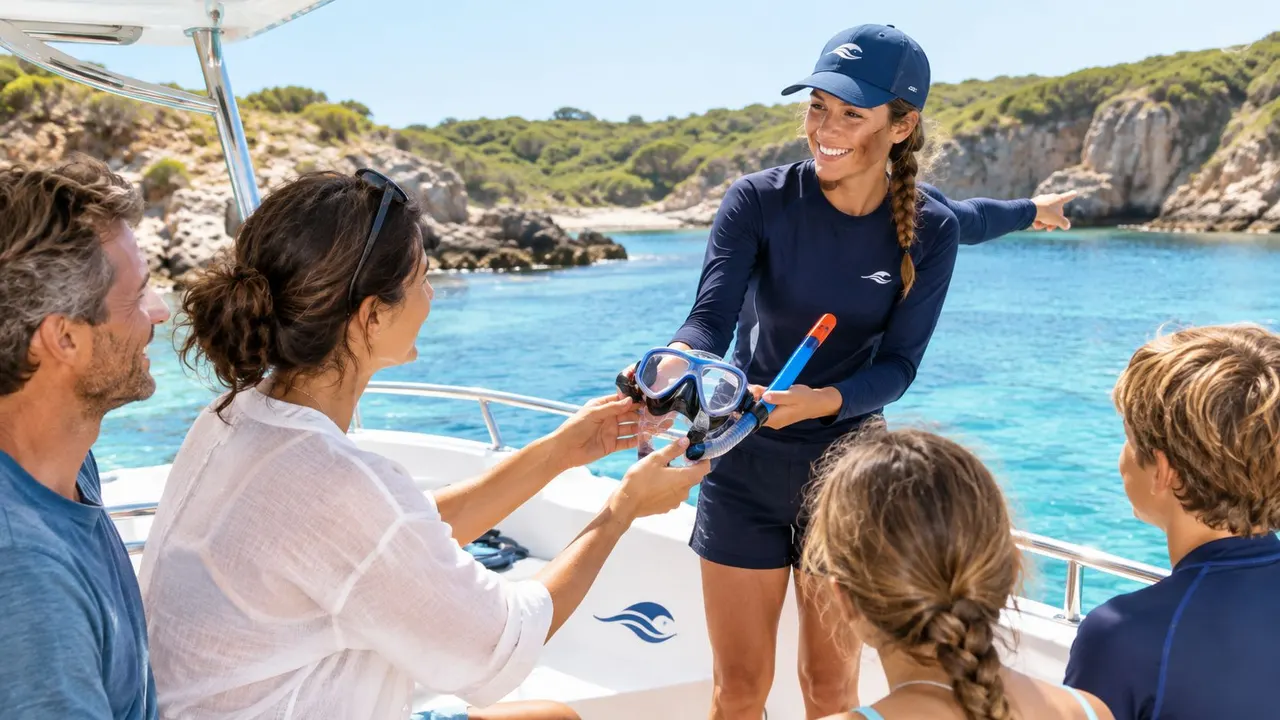
A good guided tour should solve practical problems before they become stressful. That includes choosing properly fitting equipment, explaining how to clear a mask, identifying the safest entry point, and giving swimmers a clear signal for stopping or returning to the boat.
Families should ask what the experience includes rather than assuming every boat trip works the same way. Useful features may include:
- Equipment and instruction: Staff should help guests fit masks and snorkels, not hand over gear at the dock.
- Safety briefing: Look for a clear explanation of flotation, boat boundaries, buddy awareness, and what to do if you feel tired.
- Wildlife etiquette: Guides should explain how to observe turtles without touching, chasing, or surrounding them.
- Options beyond snorkeling: A waterslide, water trampoline, or lily pad can give children and mixed-ability groups something enjoyable to do while stronger swimmers explore.
- Departure logistics: A Waikiki-area departure can be easier for visitors than arranging transport to a distant beach.
What to check before booking
Ask how large the group is, where the boat departs, and whether flotation equipment is available for every swimmer who needs it. A departure from Kewalo Basin Boat Harbor, near Waikiki, can simplify the morning because the harbor is close to the main visitor area.
Living Ocean Tours is the top rated and most reviewed snorkel company on Oahu, according to the business positioning provided for this guide. Its Deluxe Waikiki Snorkel and Wildlife Cruise combines guided snorkeling with a waterslide, water trampoline, and lily pad, while its Turtle Canyons Snorkel Excursion focuses on the offshore turtle cleaning station. Travelers comparing turtle-focused options can also consider this Turtle Canyon alternative.
The important comparison isn't which operator promises the most sightings. Look for safety, education, wildlife boundaries, equipment support, and a plan for guests who don't want to stay in the water continuously.
Best Time to Snorkel and What to Know About Seasons
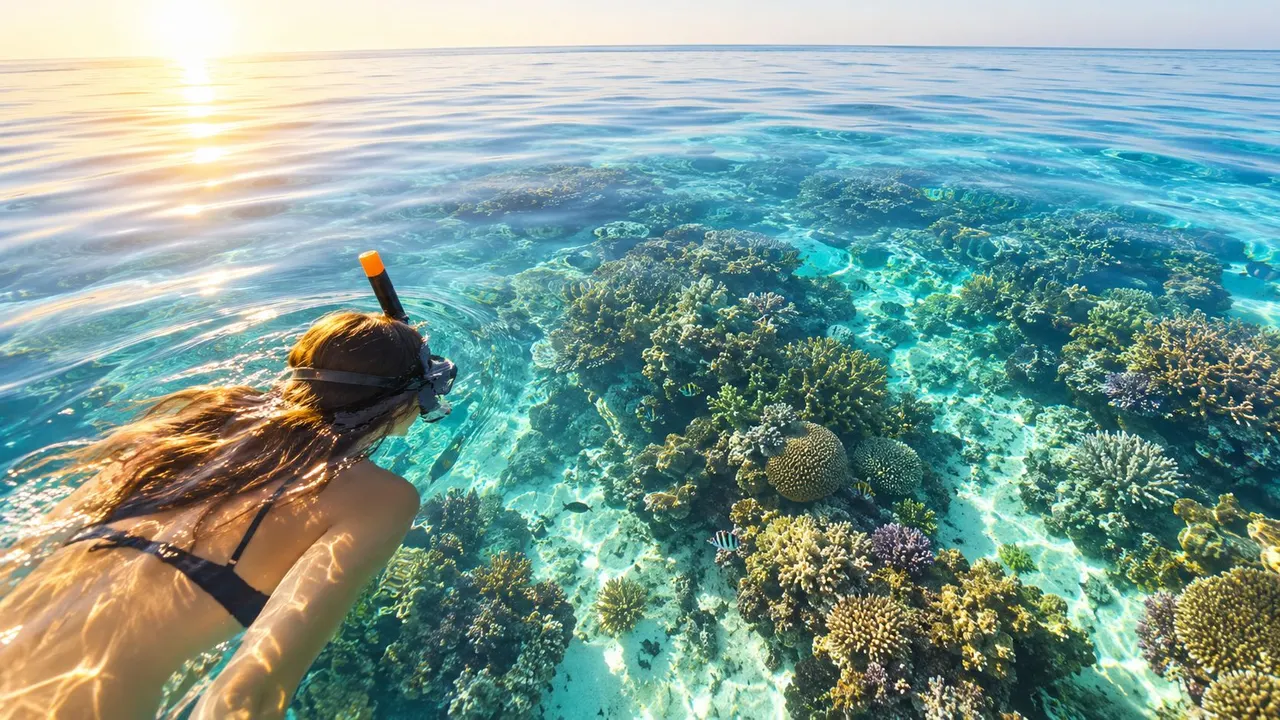
A family can arrive to blue, calm-looking water and still face poor visibility, fatigue, or a difficult exit. Treat timing as part of your safety plan. Check the day's conditions first, then choose the best available time.
Early morning is usually the strongest choice. Try to be in the water by 8 a.m., when trade winds are often lighter. Overnight calm can leave the surface clearer before wind stirs sand and reduces the view. Check the morning wind forecast, and if two days look similar, choose the earlier one for your first snorkel. The pattern is also explained in this Honolulu snorkeling timing guide.
A simple day-of checklist
- Look at the ocean, not only the forecast. Wind, swell, chop, and visibility can differ from the prediction. If the entry looks rough or the water is cloudy, ask a lifeguard or guide before swimming. Calm water is useful, but it does not remove the need to judge your energy, exit route, and distance from shore.
- Consider the season. Summer can bring calmer conditions to some Waikiki areas, while summer swells may still create stronger surf and currents. Winter conditions can be less predictable on exposed beaches. Local advice should guide the decision rather than a simple summer-versus-winter rule.
- Check water quality after rain. The Hawaii Department of Health recommends staying out of the ocean for at least 72 hours after heavy rain, because runoff from the Ala Wai Canal can produce high bacteria levels, according to this Waikiki water-quality guidance.
- Confirm Hanauma Bay access. Non-resident reservations are released two days ahead, and the preserve closes Mondays and Tuesdays. Build the visit around those rules instead of treating the bay like an unrestricted beach.
Crowding also affects the experience. A busy entry can make fins, masks, and swimmers compete for the same space, while noise and movement may reduce wildlife sightings. An earlier, less crowded session can give beginners more room to practice and help guides keep groups away from coral and resting turtles.
Humpback whales create another winter option. January through March is associated with humpback encounters, so a family facing rough snorkeling conditions can choose a wildlife cruise on another day. Whale watching and snorkeling are separate activities, but a cruise can still provide a rewarding ocean experience for a non-swimmer.
Use flexibility as your advantage
Avoid placing snorkeling on the final open morning when possible. Leave room to move it if rain, swell, illness, or fatigue changes the safer choice.
Reserve an early snorkeling window, keep the afternoon flexible, and plan a backup activity away from the water. This reduces pressure to enter conditions that feel wrong and gives your family a better chance of enjoying Honolulu's reefs.
What to Pack Safety Tips and Reef Etiquette in Honolulu
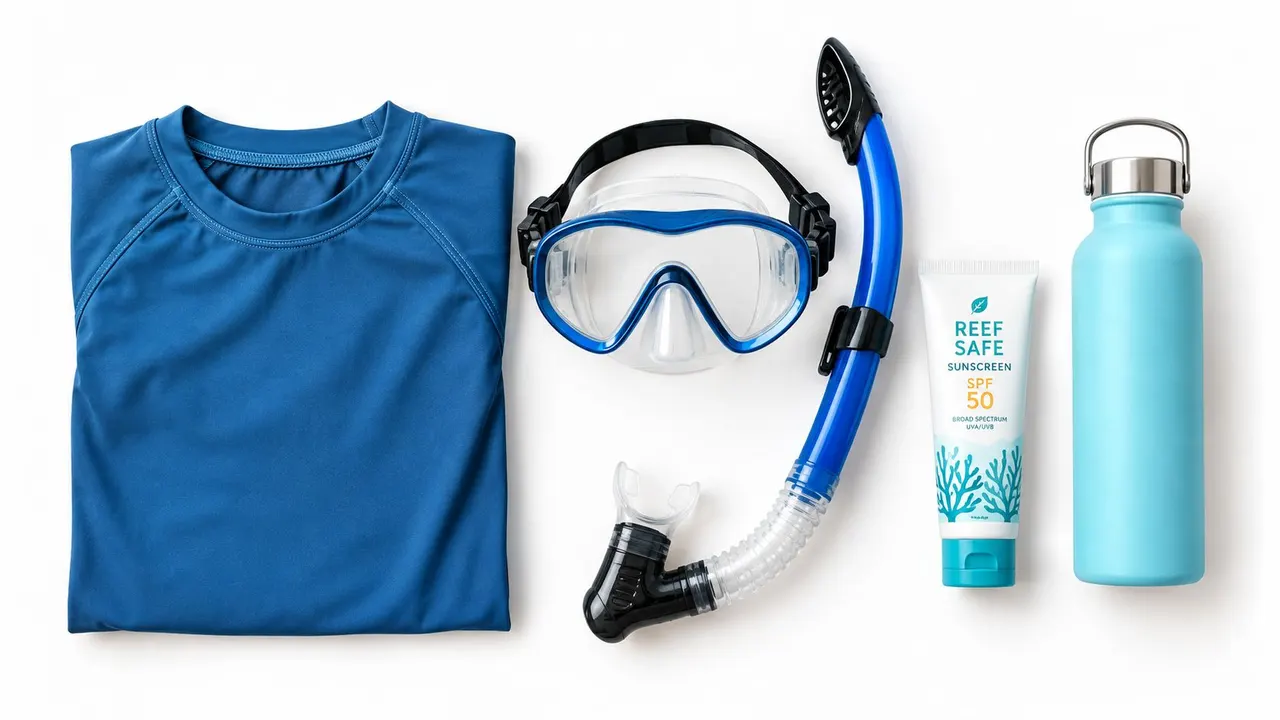
Pack for comfort, visibility, and an easy retreat. You don't need an elaborate setup, but you do need gear that helps you stay warm, see clearly, and conserve energy.
- Mask and snorkel: A well-fitting mask matters more than a fashionable design. Test the seal before swimming away from shore or the boat.
- Rash guard: It protects against sun exposure and helps you stay comfortable during a longer surface swim.
- Reef-conscious sunscreen: Apply it before entering the water and follow local guidance. Avoid touching coral or resting on reef structure.
- Water and a light snack: Dehydration and hunger can make a relaxed swim feel much harder.
- Flotation support: Use a flotation device if you need one. Confidence doesn't replace buoyancy.
- Dry clothes and a towel: A simple change of clothes makes the return trip easier, especially for children.
Calm water still requires judgment
Snorkeling remains one of Hawaiʻi's deadliest visitor activities. Civil Beat reported that more than 200 visitors died while snorkeling in the prior decade, and that snorkeling accounted for a quarter of all ocean drownings among visitors from 2015 through 2024, as detailed in its report on Hawaiʻi snorkeling deaths.
The danger isn't always dramatic surf. A swimmer can become tired while finning, panic after swallowing water, or overestimate how easily they can return to shore. Calm-looking conditions may encourage someone to swim farther than their ability allows.
Before entering: Decide where you'll stop, how you'll return, and who will stay with the least confident swimmer.
Use the buddy system. Stay close enough to communicate, take breaks before exhaustion arrives, and tell a guide or family member immediately if your breathing becomes uncomfortable. At Waikiki, use lifeguard stand 2F as a landmark only when current conditions support snorkeling there. Stronger summer swell, current, or poor visibility means the beach may not be the right choice that day.
Leave the reef as you found it
Keep hands, knees, fins, and flotation devices off coral. Don't stand on the bottom to adjust equipment if you can move to sand or ask for help. Give turtles space to rest and clean, and follow guide instructions when wildlife approaches.
Good reef etiquette protects the animals and improves the encounter for everyone. A quiet group often sees more than a group that chases every turtle.
Plan Your Honolulu Snorkeling Adventure With Confidence
Choose your Honolulu snorkeling plan by following a practical sequence. First, decide whether your group is more comfortable in sheltered nearshore water, a managed preserve, or a guided boat setting. Next, check the morning conditions, rainfall history, water quality, and any access rules. Finally, choose an operator that teaches skills, supplies suitable gear, and treats turtles and reefs as living habitat rather than scenery.
Book structured access ahead when your itinerary depends on it, especially for Hanauma Bay reservations or boat tours during busy travel periods. A private charter can also suit celebrations, multi-generational groups, or families who want more control over pace and activities, with options available for groups of up to 40 guests.
The best trip may not be the busiest turtle site. It's the outing where the least confident swimmer feels supported, the conditions match the group, and everyone leaves understanding how to protect the reef. That combination creates better memories than rushing toward a crowded animal encounter.
Living Ocean Tours offers guided Waikiki snorkeling from Kewalo Basin Boat Harbor, with gear, instruction, safety support, and responsible turtle viewing, plus family-friendly features on its Deluxe cruise. Visit Living Ocean Tours to compare the Turtle Canyons excursion and other ocean experiences, then choose a departure that fits your group's comfort and schedule.


