
Snorkeling Honolulu: How Needlefish Move Near the Surface
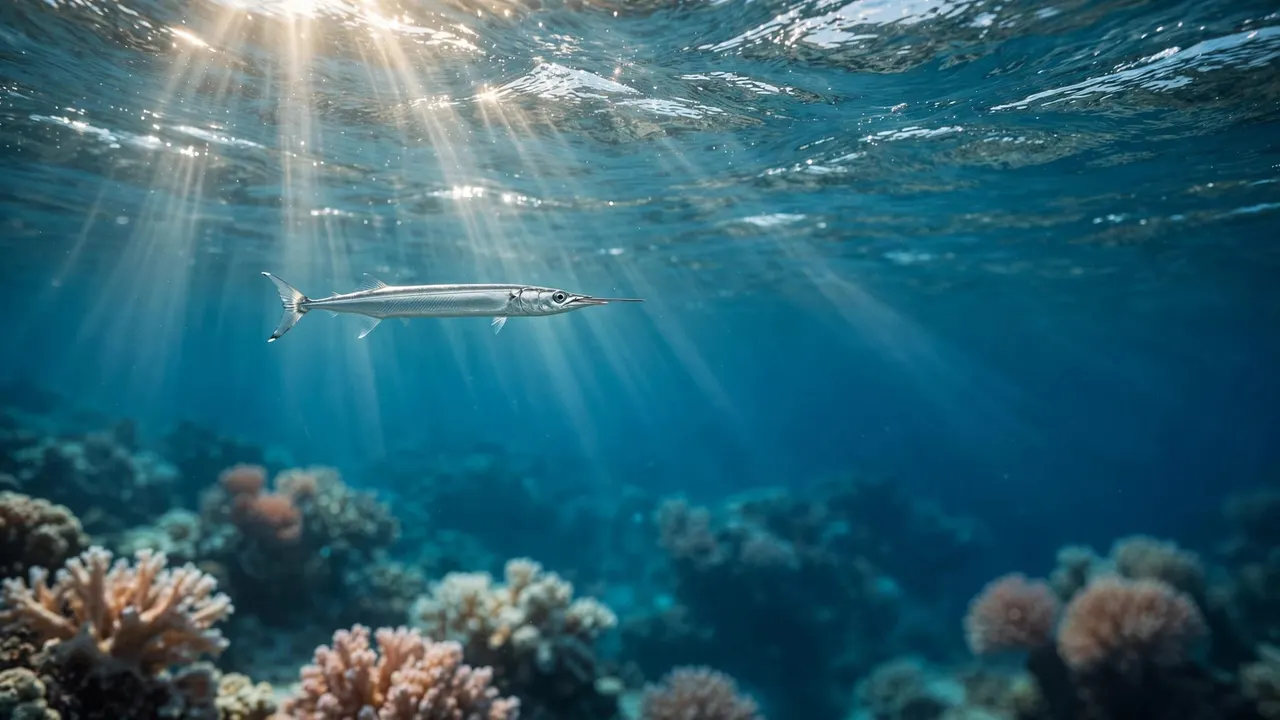
A flash of silver crosses your view, then disappears against the sunlit water. When you’re snorkeling Honolulu reefs, a needlefish can be easy to miss until it moves.
Living Ocean Tours brings you to Waikiki-area reefs with professional snorkel guides who help you get comfortable in the water and notice wildlife without disturbing it. Before you look down at the coral, take a moment to watch the surface. That’s where a needlefish sighting may begin.
What You See When Snorkeling Honolulu Reefs
Look for a narrow shape, not a splash
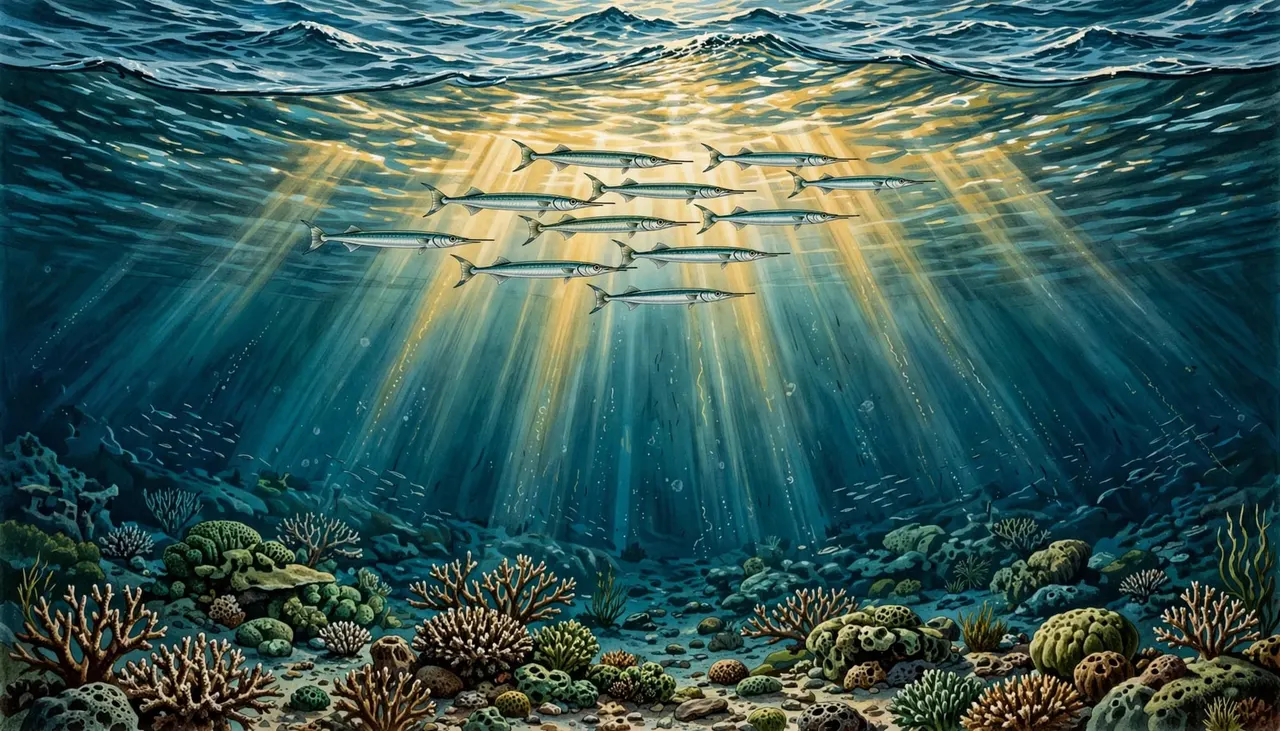
Needlefish have long, slender bodies and extended jaws. In bright water, you may first see a thin silver line moving just beneath the ripples. Turn your head, and its outline can vanish against the glare.
That makes the first few seconds of a sighting useful. Keep your face in the water and watch its direction rather than kicking after it. You may see the fish hold a course across open water, then change pace or angle. A quick glimpse isn’t enough to identify a species, but you can still enjoy watching how it travels.
Scan above the reef as well as below
It’s natural to focus on colorful fish close to coral. Needlefish draw your attention to another part of the scene: the narrow layer between your mask and the waterline.
While snorkeling Honolulu waters, pause in a comfortable floating position and let your eyes adjust. Look along the surface ahead of you, then down through the water column. You don’t need to swim toward every glint. Giving your view a few quiet moments often reveals more than a hurried search.
How Needlefish Move Near the Surface
Their body shape suits open water
A needlefish moves with its tail while its long body stays relatively straight through much of a steady swim. That slim profile can look almost motionless from a distance, especially when the fish travels beneath a band of bright reflections.
Some needlefish species occupy the near-surface water column. The Smithsonian Tropical Research Institute, for example, lists the barred needlefish near the surface. That species account helps explain the broader family, but it doesn’t identify a fish you spot off Waikiki.
If one passes nearby, stay still enough to see the whole movement. Its tail beats are easier to notice against darker water than against a glittering patch of sunlight.
Speed can change without warning
A calm-looking fish may accelerate when it pursues prey or reacts to a disturbance. Needlefish can also leap from the water. Neither behavior gives you a reason to follow one, and a fish moving quickly may leave your field of view in seconds.
Keep your hands close to your body and your fins controlled. If a fish crosses your path, let it pass. You’ll get a clearer look by watching where it goes than by turning a relaxed snorkel into a chase.
Why the Upper Layer Matters
Small fish offer a reason to stay high
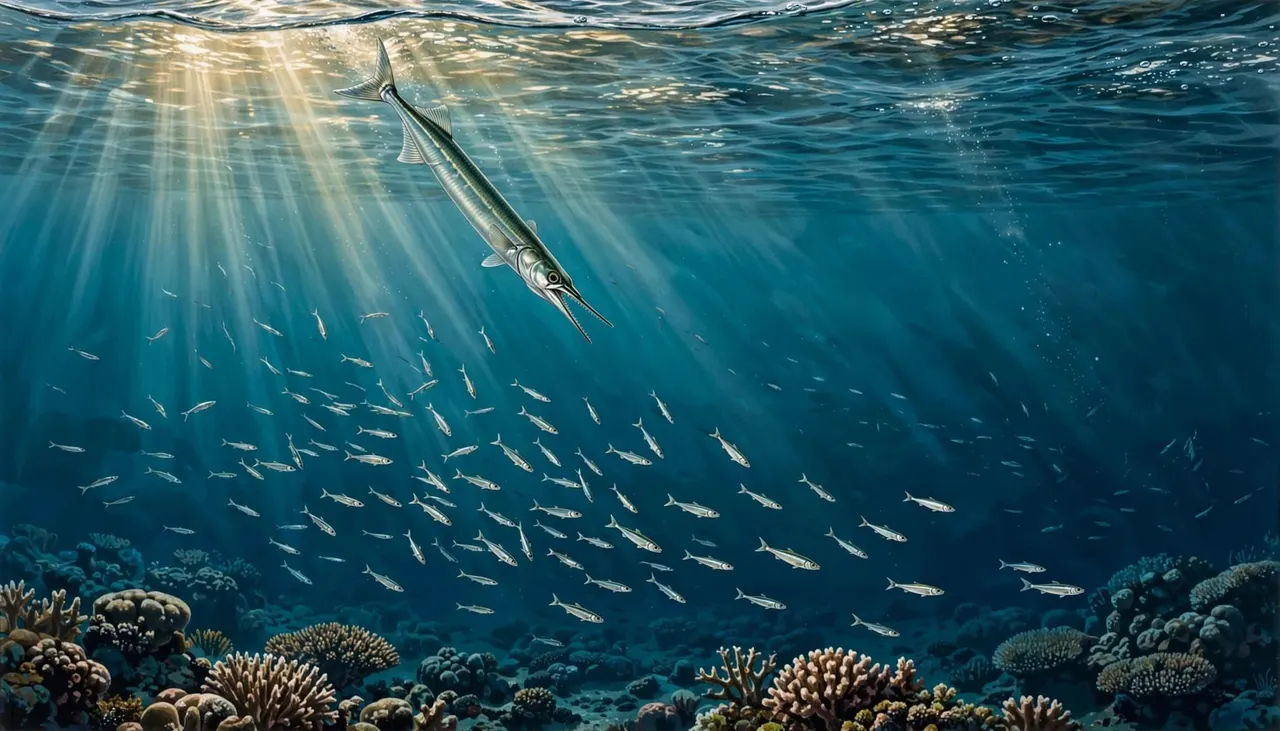
Needlefish feed on smaller fish, so the activity near the surface can matter as much as the reef below. If you see tiny fish moving together, watch from where you are. A needlefish may move through the same area, although a group of baitfish doesn’t promise a sighting.
The waterline is a busy habitat in its own right. NOAA describes how ocean surface slicks shelter fish larvae from at least 112 marine fish species. That finding concerns fish larvae generally. It doesn’t establish that needlefish visit a particular slick on your Honolulu snorkel trip.
Surface light can hide movement
From above, glare breaks up a fish’s outline. From below, bright water can make a silver body difficult to separate from the background. This is why the same needlefish may seem to appear, disappear, and reappear as you change your viewing angle.
When snorkeling Honolulu coastal waters, try looking slightly ahead instead of straight down. You’ll give yourself more space to follow a fish’s path. Keep checking where your guide, companion, and boat are, too; an interesting sighting isn’t worth drifting away from your group.
Can You Identify the Needlefish You Saw?
Start with features you can observe
The long jaws are the strongest clue, followed by the narrow body and near-surface position. You might also notice how the fish travels: a steady glide, a sudden burst, or a change of direction near smaller fish.
Those observations are more useful than guessing a name from a fleeting view. Size, markings, and jaw shape can differ among needlefish. Water distortion makes small details harder to judge, especially when you’re looking through moving ripples. If you want help identifying what you saw, describe its shape and behavior to your snorkel guide.
Keep species guides in their place
The Atlantic needlefish field guide describes a skinny, silvery fish with long, tooth-filled jaws. It’s a helpful comparison for recognizing the general needlefish form, but the Atlantic species account isn’t a Honolulu identification guide.
A photograph can help if you can take one without pursuing wildlife or losing track of your surroundings. Otherwise, an honest description is enough: you saw a slender, long-jawed fish near the surface. The movement is worth remembering even when the exact species remains unknown.
Watch Needlefish Without Crowding Wildlife
Float calmly and give fish a route through
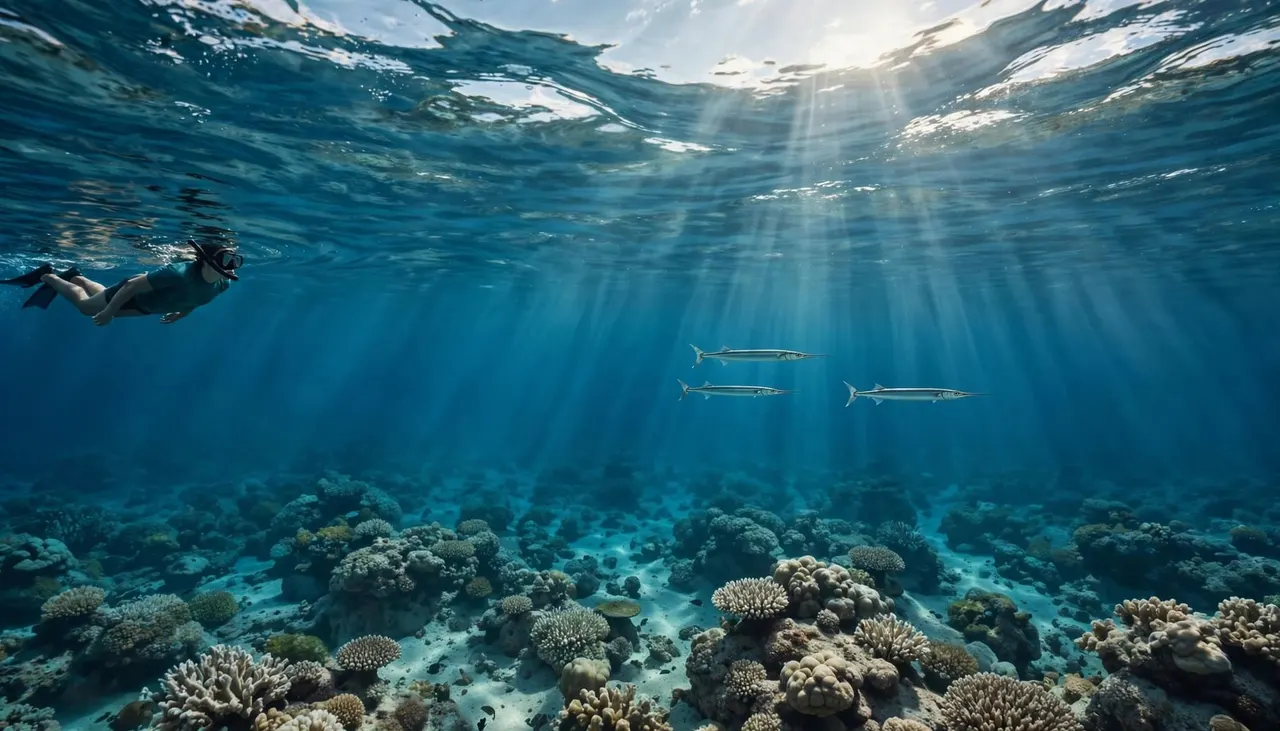
You don’t need to intercept a needlefish for a better view. Face the direction it’s traveling and let it choose its path. If it turns away, resist the urge to follow. The same courtesy applies to the reef fish and Hawaiian green sea turtles you may encounter on a Waikiki outing.
Observe without touching, feeding, or chasing. Food can change a fish’s behavior, while pursuit interrupts whatever it was doing before you arrived. A quiet float also makes it easier to notice small movements that hard kicking can obscure.
Protect the reef beneath your fins
Surface-focused watching can draw your attention away from shallow coral. Check your fin clearance before you move, and never stand on a coral head to adjust your mask. If you need a pause, use flotation support or move to a place your guide identifies as suitable.
If a turtle passes beneath you, keep its route to the surface open. Then look back toward your group before resuming your swim. When snorkeling Honolulu reefs, awareness above and below the waterline helps you enjoy the sighting without getting in the animal’s way.
Let Conditions Set Your Snorkel Plan
A bright sky doesn’t tell you whether the water is comfortable. Wind can roughen the surface, and current can move you while your face is in the water. Glare or suspended particles may also make a slender fish difficult to see.
Before entering, learn where you’ll snorkel and how you’ll return to the boat or shore. Go with a buddy if you’re swimming independently. On a guided trip, listen to the crew’s entry plan and tell a guide if your mask leaks, your fins slip, or you want flotation support.
Once you’re in, lift your head regularly to check your position. Stay out of harbor entrances and boat channels. If you’re tired or uneasy, return early rather than swimming farther in search of wildlife. Needlefish sightings vary, and a comfortable reef session gives you time to appreciate whatever appears.
Choose a Guided Waikiki Reef Outing
Living Ocean Tours departs from Kewalo Basin Boat Harbor, minutes from Waikiki. According to the company, it’s the only tour operator with professional snorkel guides in the water with you. You can ask for help with gear, flotation, and positioning around marine life.
Its Coast Guard-inspected double-decker boats have shaded seating, onboard restrooms, dry storage, and ladders for water entry. You can compare its family-friendly Honolulu ocean tours before choosing the reef experience that fits your group. Neither tour promises a needlefish sighting; the pleasure is watching what the ocean does that day.
Choose Turtle Canyons for wildlife-focused reef time
The Turtle Canyons Snorkel Excursion visits a natural cleaning-station area known for Hawaiian green sea turtles. Living Ocean Tours reports a 95% turtle-sighting rate, though wild animals are never guaranteed. While your guide helps you settle into the water, remember to look beyond the turtles: reef fish below and passing fish near the surface are part of the experience. For a turtle-focused trip, CHECK AVAILABILITY.
Pick the deluxe cruise for reef time and water play
The Deluxe Waikiki Snorkeling and Wildlife Cruise visits a reef away from the crowds and adds a boat-mounted waterslide, water trampoline, and floating lily pad. It’s an option when your family wants snorkeling and room for different ways to enjoy the water. The Lokahi’s SeaKeeper stabilization system reduces boat roll, though conditions still matter. For this outing, CHECK AVAILABILITY.
Key Takeaways for Your Snorkel
- Look just beneath the ripples for a slender, silver fish with extended jaws.
- Watch direction and changes in pace, but don’t chase a needlefish or assume every sighting identifies a species.
- Keep your fins clear of coral and your position clear of turtles, other swimmers, and boat traffic.
- Use your guide’s help when gear, flotation, or conditions interrupt a comfortable swim.
Needlefish Questions Before You Get In
Are needlefish dangerous to snorkelers?
Needlefish have sharp jaws and can move quickly, including leaping from the water. Give them space and don’t try to touch or corner one. Their presence doesn’t call for panic; calm observation and attention to your surroundings are the sensible response.
Will you see needlefish at Turtle Canyons?
You might, but you shouldn’t plan the trip around a guaranteed needlefish sighting. Wildlife movement, visibility, and ocean conditions change. Turtle Canyons is best known for green sea turtles, while watching the surface adds another possibility to your reef time.
Should you look up or down while snorkeling?
Do both, without forgetting to check your position above water. Scan the surface layer for slender fish, then look toward the reef for other marine life. Every so often, lift your head to locate your guide, companion, and return point.
Take the Surface in, Too
That silver flash may last only a moment. If you float calmly and watch the water above the reef, you’ll have a better chance of seeing how a needlefish moves without interrupting it.
The strongest snorkeling Honolulu experience leaves room for surprise. Follow your guide, respect the wildlife, and let each sighting unfold at its own pace.


