
Snorkeling Honolulu: What to Do If Your Mask Strap Breaks
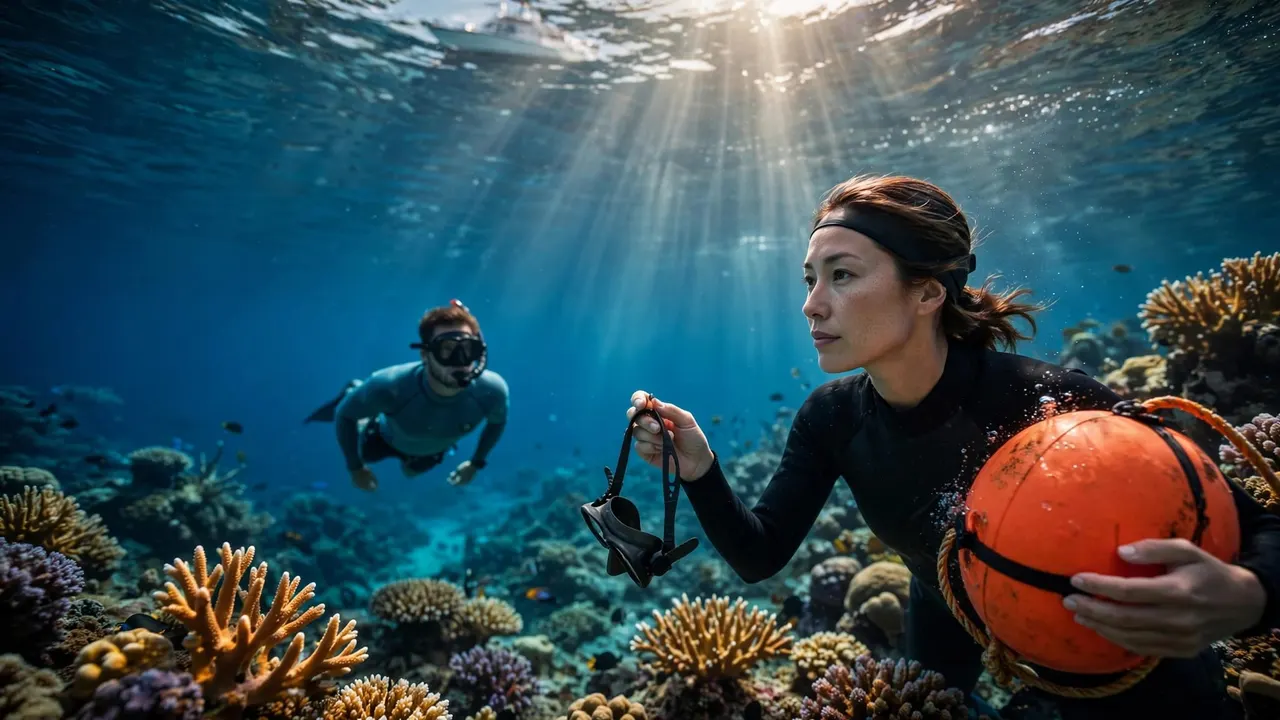
A broken mask strap can interrupt a great reef swim in seconds. During snorkeling Honolulu, the safest move is simple: stop, stay calm, and get help before you try to solve the problem in the water.
Living Ocean Tours departs from Kewalo Basin Boat Harbor near Waikiki and welcomes couples, families, first-time snorkelers, and confident swimmers. As Oahu’s top-rated and most-reviewed snorkel company, it is also the only tour company with professional snorkel guides in the water with you.
If you want guidance, gear support, and an easy route back to the boat, browse Living Ocean Tours in Waikiki before you schedule your ocean day.
A strap failure doesn’t need to ruin your time offshore. Your first priority is getting stable, then deciding whether replacement gear is available.
Snorkeling Honolulu: Stop and Stabilize First
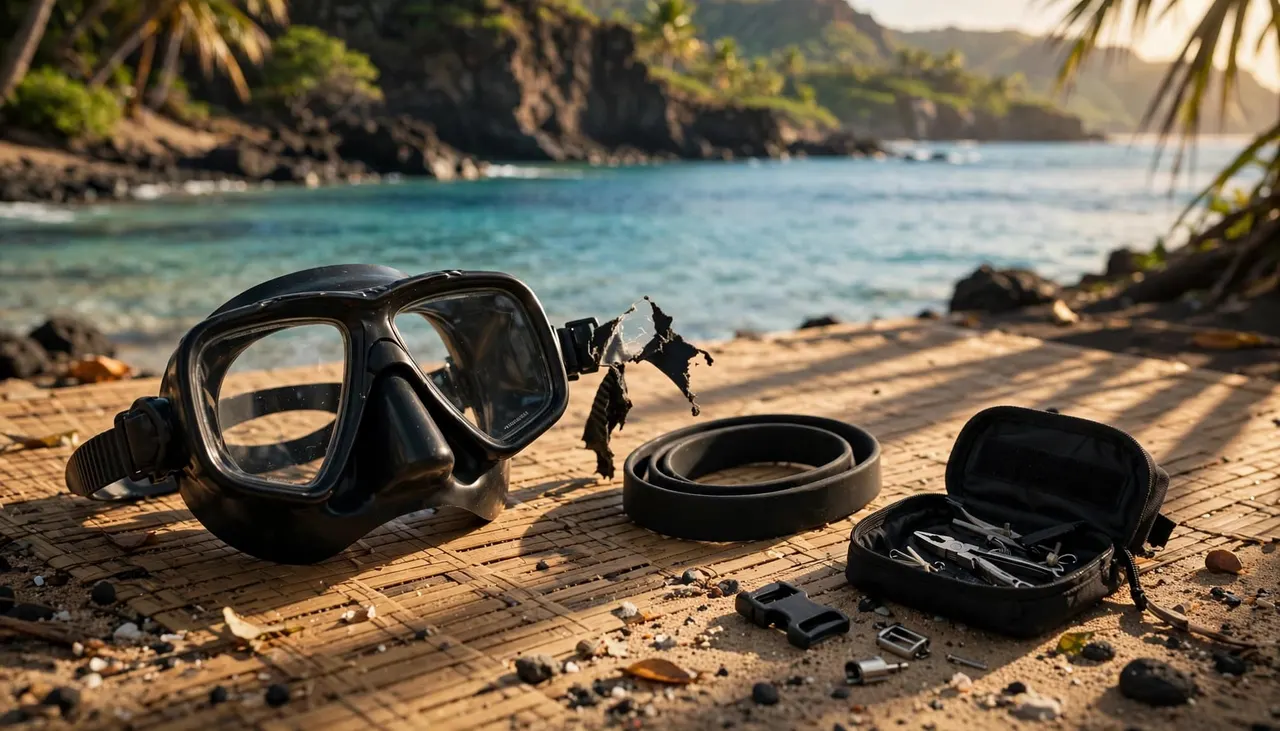
A strap can snap after sun exposure, repeated stretching, or a buckle that has shifted out of place. Once it breaks, the mask can slide off, leak constantly, or leave you struggling to keep your face in the water.
Don’t try to push through a failed strap. Raise your hand, use your agreed signal, or alert your snorkeling partner right away. Stay at the surface and move toward the boat, shore, or a guide.
Keep your body horizontal and breathing calm
If you are wearing flotation support, let it hold you up while you collect yourself. Keep your body flat, take slow breaths, and avoid kicking hard toward the reef.
You may feel tempted to hold the mask to your face with one hand. That makes swimming awkward and distracts you from your surroundings. Instead, stay close to the swim step or return to the ladder with help.
If the water feels choppy, your visibility is poor, or you feel anxious, end the swim. Returning aboard is a smart decision, especially when gear is no longer secure.
Protect the reef while you exit
Never stand on coral to adjust your mask or catch your breath. One misplaced foot can damage fragile coral, and a sudden wave can push you into the reef.
Keep your fins below the surface and move through open water. If you are close to wildlife, slow down and let animals pass without touching, chasing, or blocking them.
A broken strap is a gear problem, not a challenge to overcome in the water. Get stable first, then handle the equipment on a boat or dry shore.
Key Takeaways for a Broken Mask Strap
- Stop snorkeling as soon as the strap breaks, then signal your buddy or guide.
- Float at the surface and return to the boat or shore rather than holding the mask in place.
- Inspect the strap, buckle, mask frame, and silicone skirt when you are out of the water.
- Ask for a replacement mask instead of relying on an improvised repair.
- Test the seal on dry skin before you enter again.
- Keep your distance from turtles and avoid standing on coral during any gear issue.
A calm reset protects your comfort, the people around you, and the reef below.
Check the Mask Before You Decide to Continue
Once you are on the boat or shore, take a close look at the equipment. The strap may be the only damaged piece, but a loose buckle or distorted frame can create a new leak even with a replacement strap.
For snorkeling Honolulu outings, it is better to lose a few minutes adjusting gear than to spend the rest of the swim clearing water from your eyes.
Look at the buckle and attachment points
Check whether the strap has pulled free from the buckle or torn near the attachment point. Also inspect the mask frame for cracks and the soft silicone skirt for splits, sand, or stretched edges.
A mask with a damaged buckle may not stay in position. If the frame is bent or the skirt no longer sits evenly against your face, ask for a different mask.
Long hair, sunscreen, and sand can also interfere with the skirt. Rinse the edge with clean water, pull hair back, and keep the seal against clean skin.
Skip temporary fixes in the water
A makeshift solution can loosen without warning. That leaves you managing equipment while waves, current, other swimmers, and marine life compete for your attention.
Ask a guide, rental provider, or crew member whether they have replacement gear. On a guided trip, a crew member can help you find a mask that fits before you head back to the entry point.
You don’t need to prove your comfort in the ocean by returning right away. Take a break, drink water, and re-enter only when the gear feels dependable.
Choose Support That Is Close By
A guided outing gives you a practical backup when something small goes wrong. Living Ocean Tours provides snorkeling gear and instruction for guests of varied experience levels, while professional snorkel guides offer direct help in the water.
Its Coast Guard-inspected double-decker vessels include shaded seating, dry storage, onboard restrooms, and sturdy ladders. Those details matter when you need to reset your gear without rushing.
Stay near the boat during your first minutes
After you receive a replacement mask, begin near the swim step. Take a minute to float, put your face in the water, and notice whether the mask stays in place.
Tell a guide if water keeps entering from the same area. A different frame shape often solves a fit problem faster than tightening the strap.
Flotation equipment can help you relax and stay horizontal above the reef. It is useful for first-time snorkelers, children, and anyone who wants more time to focus on breathing.
Make the ocean day work for your group
Families and couples can enjoy a reef swim at their own pace when they have an easy path back to the boat. You can take breaks, sit out a water entry, or spend time on deck if conditions or equipment don’t feel right.
The crew can also help you prepare for turtle-viewing areas with a wildlife-first mindset. Hawaiian green sea turtles need open water to surface and travel, so give them at least 10 feet of space.
If you want a guided sea turtle snorkel with professional support nearby, CHECK AVAILABILITY before you set your Waikiki itinerary.
Test the Replacement Mask Before You Re-enter
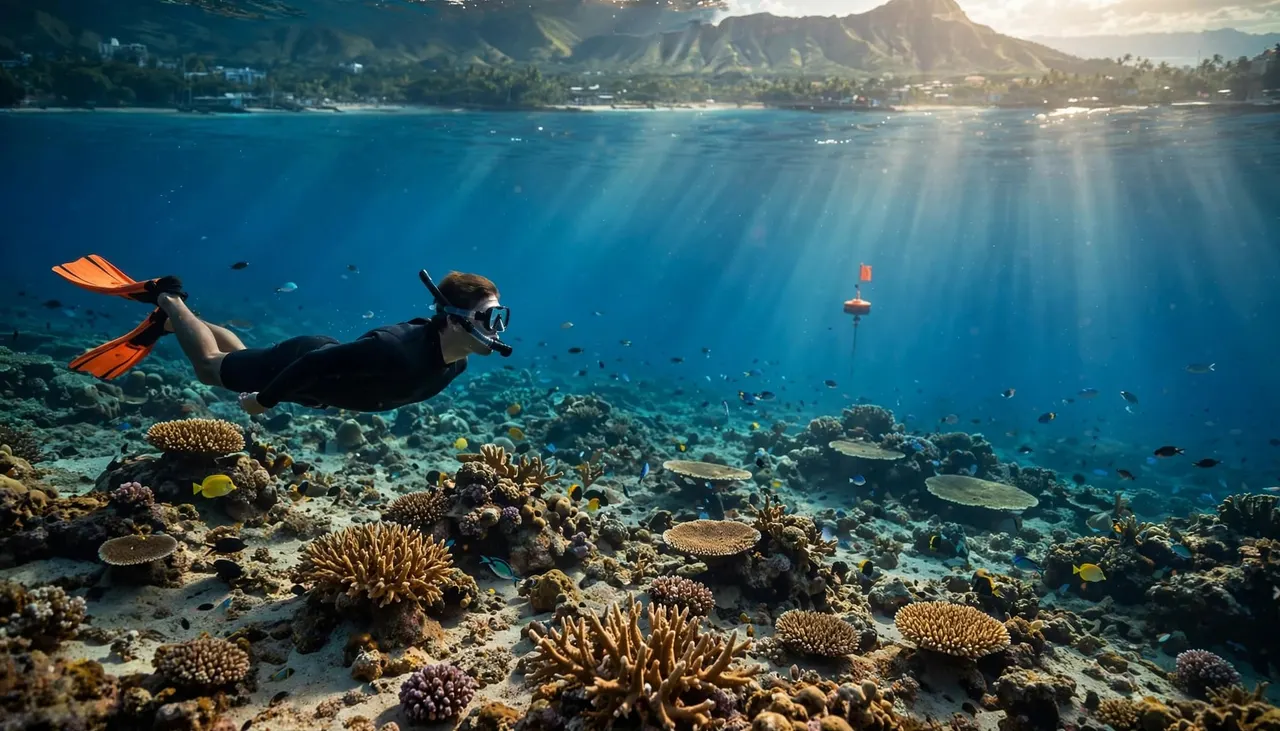
A replacement mask should feel secure, not painfully tight. The silicone skirt creates the seal, while the strap keeps the mask in place. Pulling the strap tighter rarely fixes a poor fit.
Take two minutes to test the gear while you are still dry. That small pause can save the rest of your snorkeling Honolulu session.
Test the seal without using the strap
Hold the mask gently to your face without the strap. Breathe in lightly through your nose. A well-fitting mask should stay in place briefly with gentle suction.
Next, set the strap high around the broadest part of the back of your head. Keep it flat and untwisted. If it slides upward or catches on hair, reposition it before you enter.
The skirt should rest smoothly against your face. If it pinches, leaves visible gaps, or feels uncomfortable, ask for another mask.
Start slow after the water entry
Lower yourself in carefully and remain close to the boat. Float face down, breathe through the snorkel, and see whether water enters around the skirt.
Keep your head level instead of lifting it repeatedly to look around. Sharp turns and frequent head movements can shift the mask seal.
If water starts filling the mask again, signal for help early. You will have more fun watching reef fish when your attention is on the water, not your equipment.
Let Conditions Set the Plan
Even perfect gear cannot make poor conditions comfortable. Wind, swell, surface chop, runoff, and changing visibility can affect every snorkeling Honolulu trip.
Your plans should stay flexible. If you feel tired, cold, dizzy, nervous, or short of breath, tell a guide or your buddy right away.
Choose a safer option when water changes
Whitewater over the reef, strong shorebreak, murky water, and persistent chop are reasons to reconsider entering. On a boat tour, listen when the captain or crew changes the route or limits water time.
If you are snorkeling from shore, go with a buddy and tell someone where you plan to be. Choose a lifeguarded beach when possible, and don’t swim farther than you can comfortably return.
A beautiful reef will still be there on another day. Your comfort and safety come first.
Keep wildlife encounters respectful
A mask strap problem can draw your focus away from the environment. Before you resume, remember that coral and marine animals need room.
Stay horizontal over the reef and use easy fin strokes. Don’t touch, feed, chase, crowd, or block turtles. If a turtle changes direction, pause and let it choose its own path.
The best sightings happen when you observe without changing an animal’s behavior.
Frequently Asked Questions
Can you snorkel with a broken mask strap?
You should not continue snorkeling with a broken strap. Return to the boat or shore, inspect the mask, and ask a guide or rental provider for replacement gear. Holding a mask in place can distract you from breathing, swimming, and watching your surroundings.
Should you repair the strap on the boat?
Ask the crew to inspect it, but do not rely on a temporary repair unless they confirm the gear is safe to use. A replacement mask is the better option if the buckle, frame, skirt, or strap attachment point is damaged.
What if you are nervous after the strap breaks?
Take time to reset. Sit in the shade, drink water, and tell the crew what happened. You can use flotation support, stay near the ladder, or choose to remain aboard. A relaxed snorkel is always better than forcing a second attempt.
A Calm Reset Keeps the Reef Enjoyable
A broken strap should send you back to stable ground, not farther from the boat. Stop early, inspect the mask, accept replacement gear, and test the fit before returning to the water.
With good judgment, you can protect your comfort, respect Hawaii’s reef, and keep the rest of your ocean day enjoyable.


