
Snorkeling Honolulu: Keep Saltwater Out of Your Eyes
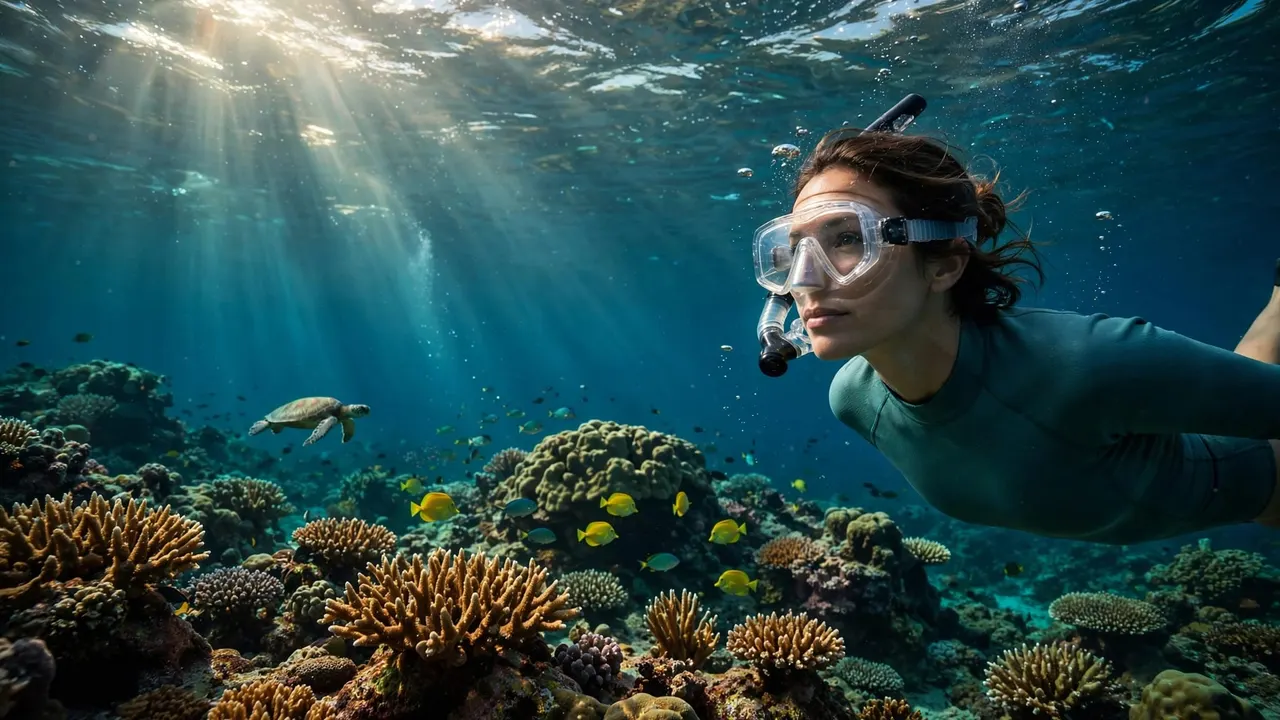
A leaking mask can turn a beautiful reef into a frustrating blur within minutes. Snorkeling in Honolulu should feel comfortable enough that you can watch tropical fish and look for turtles without blinking away saltwater.
Most eye discomfort starts with a small gear issue, not a lack of swimming skill. A calm entry, a proper mask seal, and early help from a guide can keep your attention on the water instead of your equipment.
Key Takeaways for Comfortable Snorkeling
Living Ocean Tours offers guided outings from Kewalo Basin Boat Harbor, minutes from Waikiki. The company is the only Oahu tour company with professional snorkel guides in the water with you, which gives you direct support if your mask leaks or you need a break.
- Test your mask on clean, dry skin before entering the water.
- Keep loose hair, sunscreen, and sand away from the silicone skirt.
- Start near the boat’s swim step, then stop and adjust a leak early.
- Use flotation support if it helps you relax and float horizontally.
- Never stand on coral while fixing your gear.
- If your eyes keep hurting or your vision changes, leave the water and seek medical advice.
Why Masks Leak During Snorkeling Honolulu
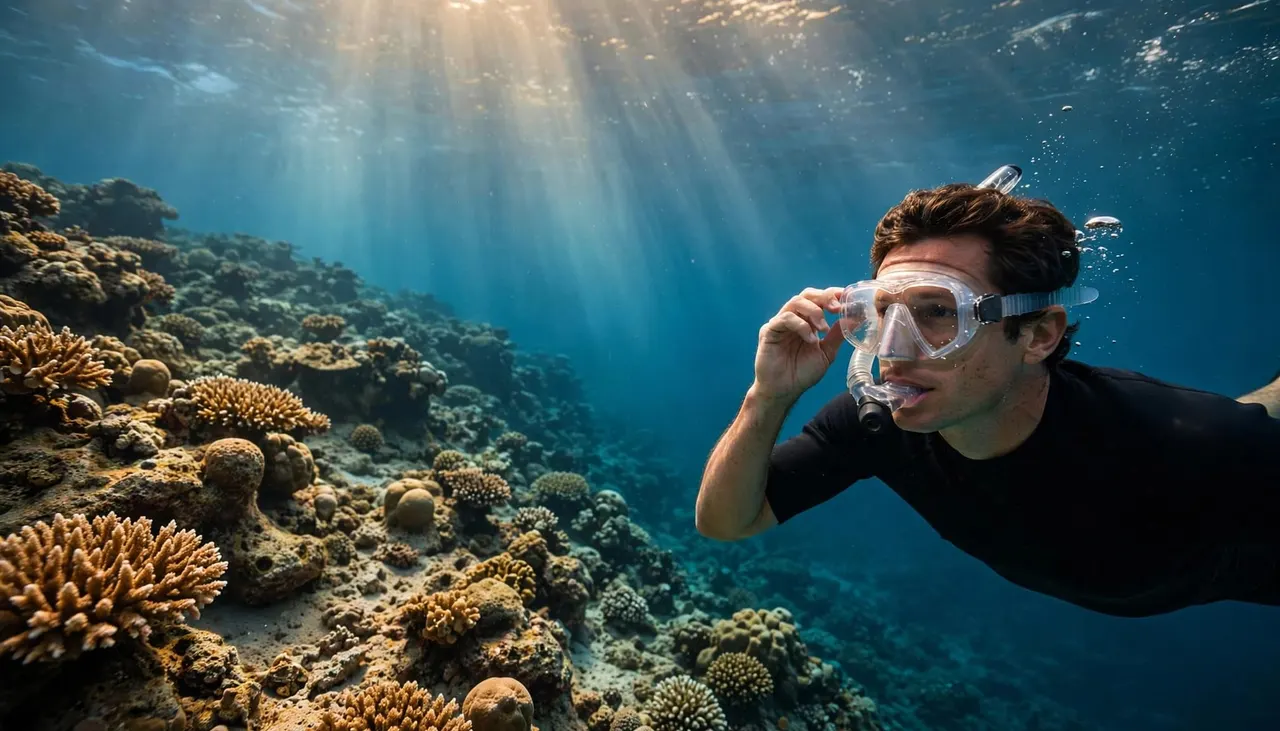
A snorkel mask works when its soft silicone skirt sits flat against your skin. Even a narrow gap near your temple or hairline can let in a steady trickle of water.
Saltwater may sting when it reaches your eyes, especially if you rub them. However, you can usually prevent the problem with a few simple fit checks before you swim away from the boat.
Hair, sunscreen, and skin folds break the seal
Move long hair completely away from the mask skirt. A single strand caught beneath the silicone can create a leak that feels much worse once you start kicking.
Apply sunscreen well before you put on your mask, then wipe excess product from the area where the skirt touches your face. Sand, facial hair, and a bunched mask skirt can also stop the seal from holding.
If a mask pinches your nose, presses hard beneath your eyes, or slips while you are standing still, ask for another size. Pulling the strap tighter rarely fixes a poor fit.
Head position can let water in
Keep your body flat and face down while you breathe through the snorkel. When you lift your head often or turn sharply to look around, the skirt can shift and let water enter.
Small waves may wash over your snorkel opening, too. Stay close to your guide or the boat until your breathing feels steady, then move at an unhurried pace over the reef.
Fit Your Gear Before You Enter
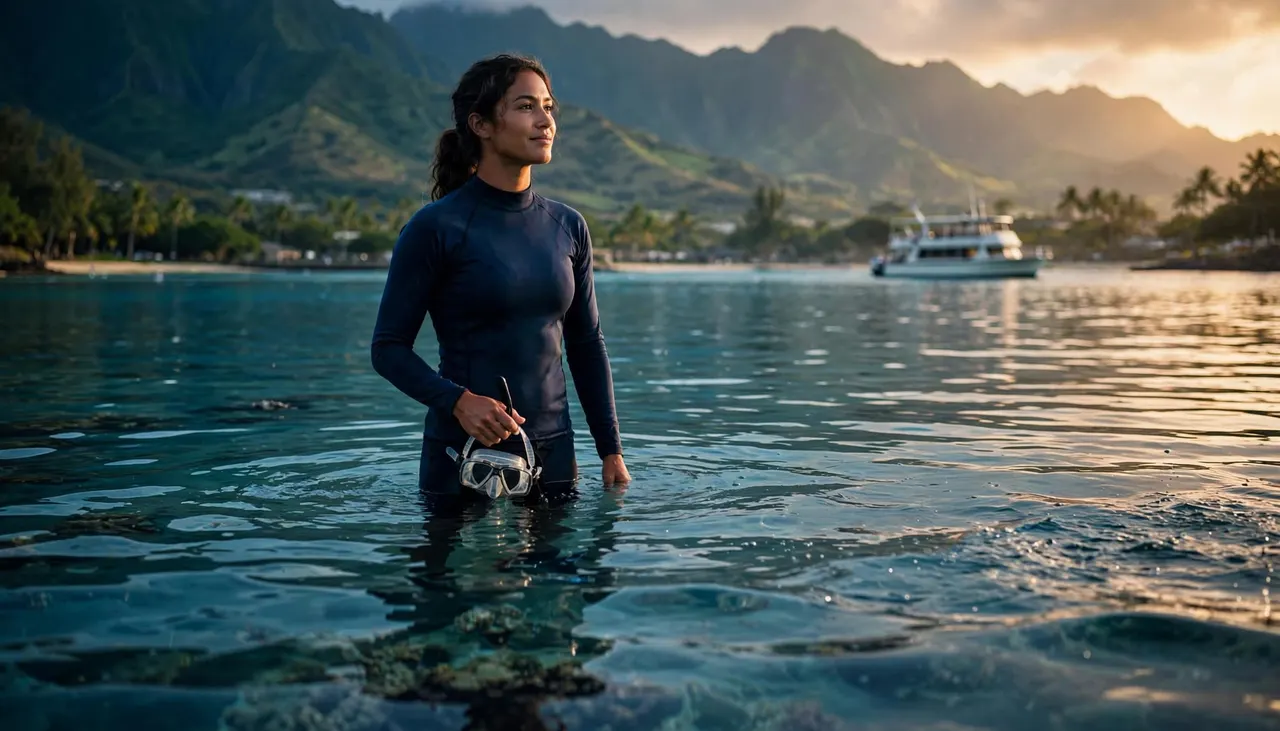
A two-minute gear check can save most of your snorkeling time. For snorkeling Honolulu, ask for help before you step down the ladder, particularly if you are new to ocean swimming or have had a leaking mask before.
Test the mask on dry skin
Hold the mask gently against your face without the strap. Breathe in lightly through your nose. A good fit should stay in place for a moment without painful suction.
Then set the strap high around the widest part of the back of your head. It should feel secure, not tight. Flatten the skirt with your fingertips, check for trapped hair, and take a few relaxed breaths through the snorkel.
Tell the crew if you have a small face, wear contacts, or need vision correction. Living Ocean Tours offers prescription-mask rentals for $10 on guided Waikiki snorkeling tours. You cannot wear regular glasses beneath a standard snorkel mask.
Choose a traditional mask and snorkel
Living Ocean Tours does not allow full-face masks on its tours. A traditional mask and snorkel let you practice breathing, clear a little water with your nose, and recognize discomfort without added equipment around your face.
Check that the mouthpiece rests comfortably between your teeth and does not pull at the corners of your mouth. Your jaw should stay loose. If you are biting down hard, reposition the snorkel keeper before you enter.
A mask should seal with gentle contact. If it only works when the strap is painfully tight, choose a different mask.
Use Your First Minute as a Gear Check
The first minute in the water is not a test of confidence. It is your chance to float, breathe, and notice exactly how your gear feels while support is close by.
Stay near the swim step
On a boat tour, remain near the swim step until you can float calmly and look down through your mask. Take slow breaths and notice whether water appears near your forehead, cheeks, or temples.
If it does, stop instead of trying to push through the irritation. Signal a guide, hold your flotation support if you are using one, and reset the mask near the boat.
This approach helps children, first-time snorkelers, and experienced swimmers returning after a long break. You do not need to swim far to see reef life.
Clear the mask without rushing
When a small amount of water enters, keep your face in the water if you feel calm enough. Press the top of the frame gently, look slightly upward, and exhale slowly through your nose to push the water toward the bottom of the mask.
Surface if you feel anxious, lose your breathing rhythm, or cannot clear the leak. A guide can check whether the skirt has folded or the strap has slipped. Trying to fix gear while frustrated often makes the leak worse.
Protect Your Eyes When Saltwater Gets In
Saltwater in your eyes can feel sharp and distracting, yet rubbing usually adds more irritation. Bring your face out of the water, steady yourself, and deal with the issue before you continue.
Rinse and rest after you exit
Once you are safely back on the boat or ashore, rinse your face and eyes with clean fresh water. Remove any sunscreen, sand, or salt from around your eyelids with clean hands.
Let your eyes rest before you decide whether to re-enter. Sunglasses can make the ride back more comfortable if your eyes feel sensitive to bright light.
Know when to stop for the day
End your snorkel session if discomfort persists after rinsing or if you develop significant redness, pain, light sensitivity, discharge, or a change in vision. Seek prompt medical evaluation if those symptoms continue.
You can still enjoy the coastline from shaded seating, take photos of Diamond Head, and watch for wildlife from the deck. Returning to the boat is a smart choice when your body says it is time.
Guided Snorkeling Honolulu Gives You More Support
Living Ocean Tours offers guided Waikiki snorkeling trips for couples, families, first-time snorkelers, and confident swimmers. Its Coast Guard-inspected double-decker boats include shaded seating, onboard restrooms, dry storage, and sturdy ladders for easier water entry.
Professional snorkel guides are in the water with you. They can help check a mask fit, adjust flotation equipment, and keep the group positioned respectfully around wildlife.
Turtle Canyons for wildlife-focused reef time
The Turtle Canyon Snorkel Excursion in Honolulu visits Waikiki’s natural turtle cleaning-station area. Living Ocean Tours reports a 95% turtle-sighting rate, although wild animals and ocean conditions never offer guarantees.
A guide can help you settle into the water before you focus on the reef. If you are ready for a guided turtle experience, CHECK AVAILABILITY.
A family-friendly cruise with space to practice
The Deluxe Waikiki Snorkeling and Wildlife Cruise provides snorkel gear, reef time, a waterslide, a water trampoline, and a floating lily pad. The boat also has a restroom, which helps families settle in before their water entry.
Use the first few minutes near the ladder to test your mask. Then you can relax into your snorkeling Honolulu experience instead of worrying about a leak.
Keep the Reef Safe While You Adjust
Your comfort matters, but so does the fragile habitat below you. Snorkeling Honolulu is more enjoyable when you float above coral rather than trying to stand or grab onto the reef.
Keep your body horizontal
Wear flotation support if it helps you stay relaxed. A horizontal position keeps your fins farther from coral and gives you more time to adjust your mask without touching the bottom.
If you need a break, move into clear water, hold your flotation device, or return to the boat. Never stand on coral, even for a quick gear adjustment.
Give turtles room to move
Stay at least 10 feet from Hawaiian green sea turtles. Do not touch, feed, chase, crowd, or block their path to open water.
If a turtle swims closer than expected, remain still and let it pass. The best wildlife encounters happen when you watch without changing the animal’s behavior.
FAQ About Snorkeling Honolulu
Do you need to be a strong swimmer?
You should have basic swimming ability and feel comfortable placing your face in the water. However, you do not need to be a fast swimmer to enjoy a guided snorkel.
Tell the crew your comfort level before departure. Flotation support, careful instruction, and professional guides can help you stay calm near the boat.
Can you wear contact lenses while snorkeling?
Many people snorkel in contacts, although disposable lenses can be a practical option if water gets inside your mask. Bring a spare pair and tell the crew if you need a prescription mask instead.
Regular glasses do not fit under a standard snorkel mask. Ask about available prescription-mask rentals before departure.
What if conditions feel rough or uncomfortable?
Wind, swell, visibility, rain, and current can change the water quickly. Stay close to the boat if the surface feels active, and tell a guide if you feel cold, tired, dizzy, nervous, or short of breath.
You can end your water time whenever you need to. Snorkeling Honolulu should never mean forcing yourself through discomfort.
A Clear Mask Makes the Reef More Memorable
A well-fitting mask, a relaxed first entry, and early adjustments keep saltwater from taking over your day. You will see more when you slow down, stay near support, and treat every small leak as a simple problem to solve.
The reef is better when you can focus on comfort, calm breathing, and respectful wildlife viewing.


