
Snorkeling Honolulu: What To Do If You See a Portuguese Man o’ War
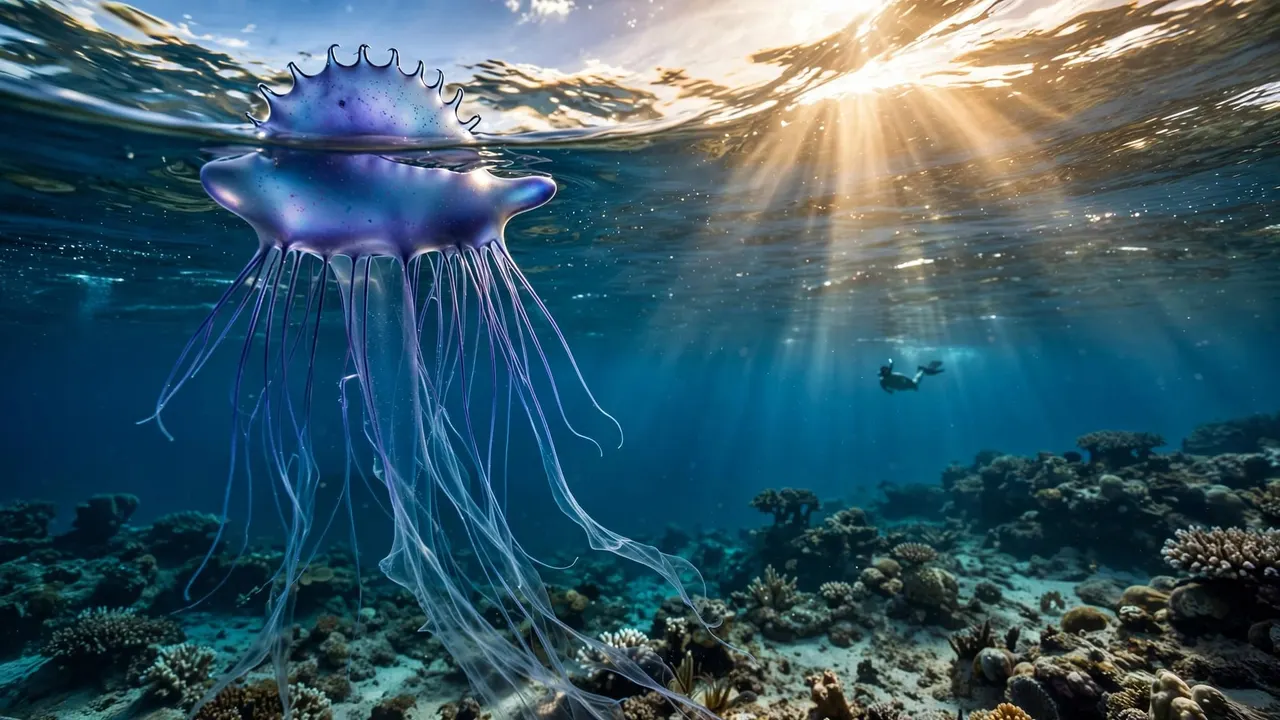
A blue-purple shape drifting on the surface can turn an easy reef swim into a stressful moment. During snorkeling Honolulu, your safest response is simple: keep your distance, alert your guide or lifeguard, and leave the water if asked.
Living Ocean Tours departs near Waikiki from Kewalo Basin and gives you in-water support from the only tour company with professional snorkel guides. You can enjoy the reef with more confidence when you know what to watch for and how to respond without panic.
Key Takeaways for a Safe Reef Day
- A Portuguese man o’ war has a blue or purple float above the water and stinging tentacles below it.
- Stay well away, since tentacles can be hard to see and a washed-up animal can still sting.
- If you spot one during snorkeling Honolulu, tell your guide immediately and follow the crew’s direction.
- If you are stung, get out of the water, avoid rubbing the area, and ask a lifeguard or medical professional for current first-aid guidance.
- Wind, swell, visibility, and posted warnings should shape your plans more than a sunny forecast.
A clear view of the reef does not mean conditions are risk-free. Watch the water, listen to the crew, and return to the boat before you feel tired or uncomfortable.
How to Identify a Portuguese Man o’ War
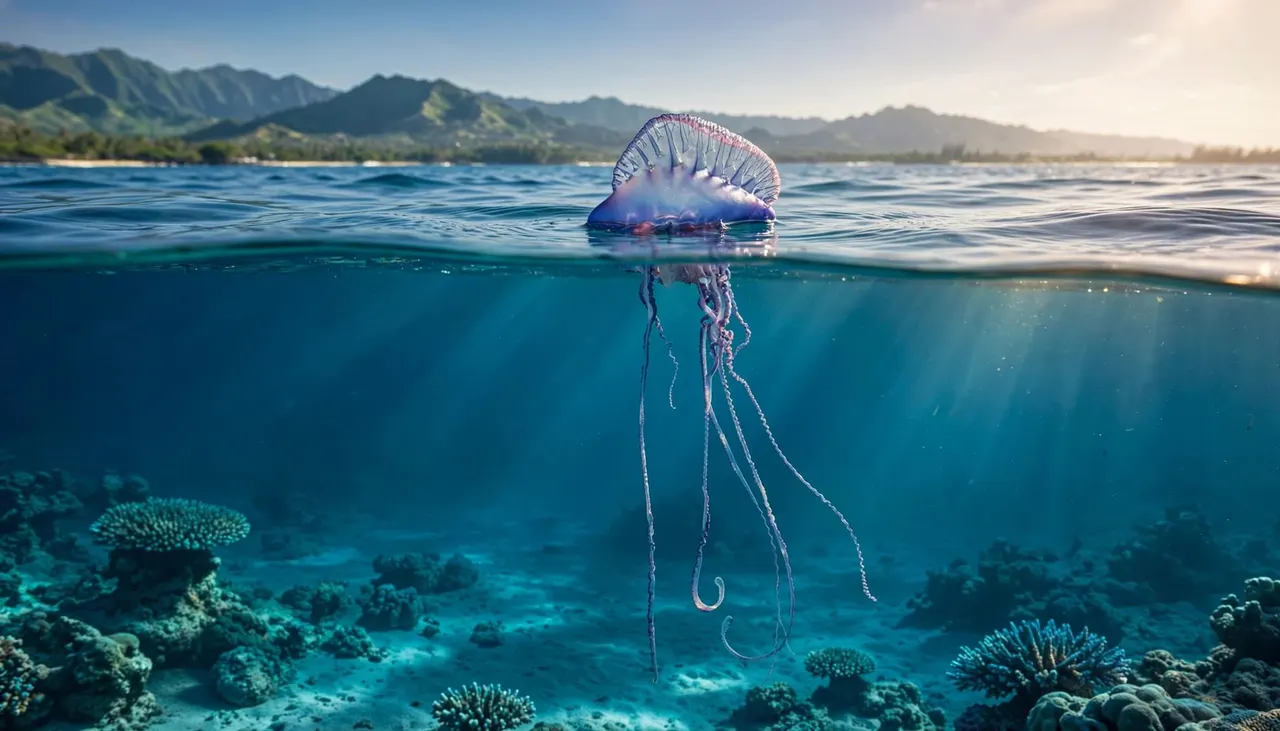
A Portuguese man o’ war, also called Physalia physalis, can look like a jellyfish at first glance. However, NOAA explains its siphonophore biology, which is different from a single jellyfish.
You don’t need to identify it perfectly in the moment. Treat any unfamiliar floating blue or purple organism as a reason to create space.
Look for a floating blue or purple sail
The visible float often sits at the surface like a small translucent sail or inflated bubble. Sunlight can make it look pale blue, pink, or purple.
Below that float, thin tentacles may trail through the water. They can extend farther than you expect, so don’t swim over, under, or beside the animal for a closer look.
Treat stranded animals as a hazard
A Portuguese man o’ war can wash onto sand or collect near the shoreline. It may no longer be moving, but its stinging cells can remain active.
Keep children well back, and never pick one up with a towel, stick, bare hand, or foot. Let lifeguards and beach personnel handle warnings or removal.
Snorkeling Honolulu: What to Do When You Spot One
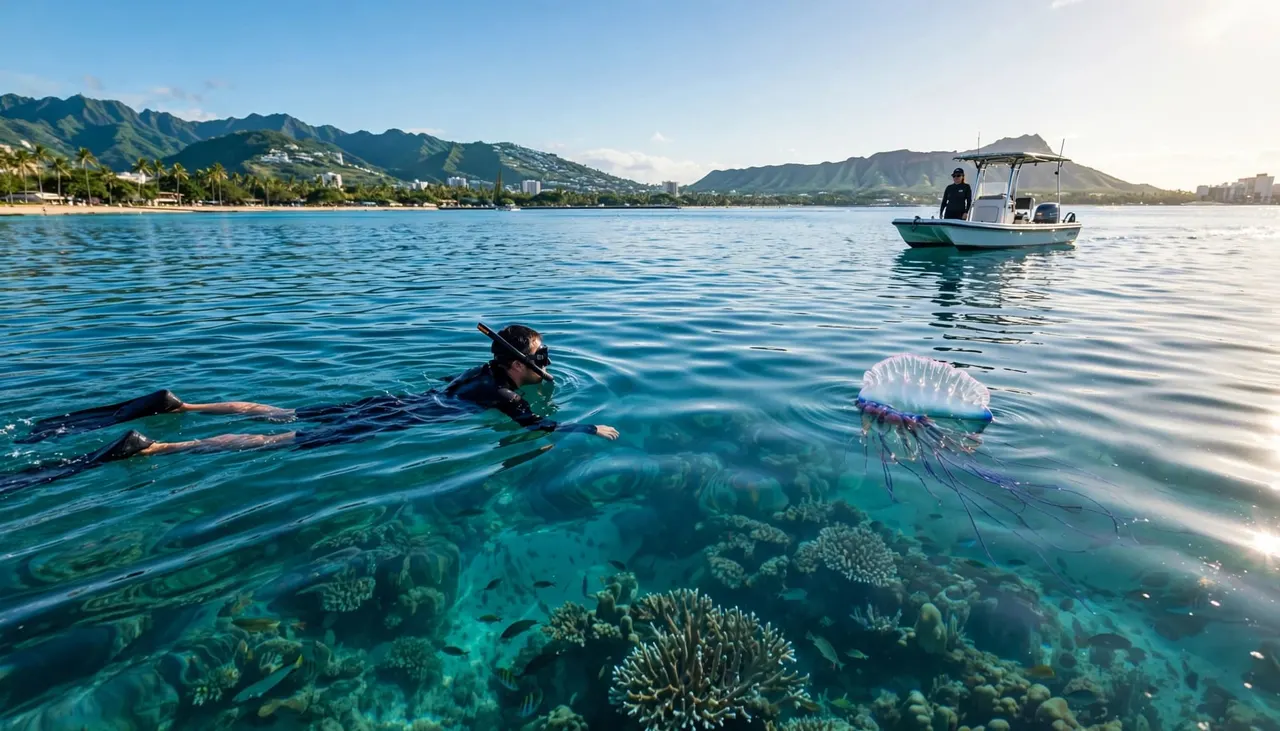
Your reaction affects everyone around you. Sudden splashing, fast kicking, or grabbing for a nearby swimmer can move you closer to tentacles or coral.
Instead, keep your face above water, control your breathing, and make a slow, deliberate move away.
Create distance without rushing
Turn your body away from the animal and use calm, steady fin kicks toward open water or the boat. Keep other swimmers in sight, but don’t crowd them.
If your guide is nearby, point from a safe distance. Avoid diving down to show the location. Tentacles can be difficult to see beneath surface glare, especially when chop breaks the water.
Tell a guide, captain, or lifeguard
On a boat trip, signal a professional snorkel guide or call out as soon as you are clear. The crew can direct swimmers away, assess the site, and decide whether the group should reboard.
At a beach, alert a lifeguard and follow posted instructions. The Honolulu Ocean Safety beach-sign guidance notes that Portuguese man o’ war often appear along bays and beaches during strong onshore winds.
Don’t re-enter because the animal has drifted out of your immediate view. A guide, captain, or lifeguard has a wider view of the water and can make the safer call.
If a Portuguese Man o’ War Stings You
Pain can be sudden and sharp. You may see red, raised lines or feel burning where tentacles contacted your skin.
Stay calm, because a panicked swimmer can inhale water or become separated from the group. Get help and get stable before focusing on the sting itself.
Leave the water and avoid rubbing
Tell your guide immediately, hold onto flotation if needed, and return to the boat or shore. Don’t rub the affected skin with your hand, towel, sand, or clothing.
Rubbing can spread stinging cells across a larger area. If tentacles are visible, let trained crew, lifeguards, or medical responders guide their removal.
The Divers Alert Network’s man o’ war guidance also advises against rubbing and recommends professional medical evaluation.
Follow the current local first-aid direction
First-aid recommendations can differ. Honolulu Ocean Safety guidance includes tentacle removal, rinsing, and ice for pain, while other Hawaii guidance and research discuss vinegar.
The University of Hawaii SOEST review of sting treatment found support for vinegar in removing residual stinging material. Still, you should follow the directions given by the lifeguard, guide, or medical team at your location rather than relying on a one-size-fits-all beach remedy.
Get urgent help for serious symptoms
Seek urgent medical attention for trouble breathing, an irregular heartbeat, fainting, severe weakness, widespread symptoms, or intense pain that does not settle. Children and anyone with a history of severe allergic reactions deserve extra caution.
Report any sting to the crew even if you think it is minor. They can monitor you, provide the next steps, and keep other guests away from the area.
Check Conditions Before You Enter the Water
A perfect-looking Waikiki morning can change quickly. Wind, currents, swell, rainfall, and boat traffic affect both comfort and visibility at a reef.
For snorkeling Honolulu, look at the ocean as well as the forecast. Whitewater over a reef, murky runoff, strong shorebreak, or persistent surface chop are good reasons to change plans.
Let conditions set the day’s plan
Trade winds can push floating marine life toward shore and make a calm-looking bay less predictable. Posted warnings and lifeguard advice always outrank an itinerary.
On a charter, the captain and crew assess the actual route, water movement, and entry conditions. Their decision may mean using a different site, shortening water time, or staying aboard.
Prepare for an easy exit
Test your mask seal on dry skin before you enter. Use a flotation device if it helps you relax, and tell the crew early if you feel cold, dizzy, nervous, or fatigued.
Keep your fins away from coral and don’t stand on the reef when water gets shallow. A comfortable return to the ladder is part of a good snorkel, not an interruption to it.
Choose Guided Snorkeling With Support Nearby
Living Ocean Tours offers Honolulu ocean outings for families, couples, first-time snorkelers, and confident swimmers. Its Coast Guard-inspected double-decker boats have shaded seating, restrooms, dry storage, and sturdy ladders for easier water entry.
Most importantly, you have professional snorkel guides in the water with you. That direct support helps you handle a leaking mask, surface chop, wildlife sighting, or change in conditions without guessing.
Visit Turtle Canyons with a wildlife-first mindset
The Turtle Canyon snorkeling tour brings you to Waikiki’s natural turtle cleaning station with gear and instruction included. Living Ocean Tours reports a 95% turtle-sighting rate, although wildlife sightings always depend on conditions and animal behavior.
Give Hawaiian green sea turtles room to swim, feed, surface, and rest. Observe, don’t touch, chase, feed, or block their path.
If conditions are cleared for the day and you want guided reef time, CHECK AVAILABILITY for a Turtle Canyons outing.
Pick a family-focused reef cruise
The Deluxe Waikiki Snorkeling and Wildlife Cruise visits a less-crowded reef and adds a boat-mounted waterslide, water trampoline, and floating lily pad.
The Lokahi also features a SeaKeeper stabilization system that helps reduce boat roll. That extra steadiness can make the ride more comfortable if you are prone to seasickness or traveling with young children.
For a longer family day on the water with professional snorkel guides nearby, CHECK AVAILABILITY.
Frequently Asked Questions
Can I keep snorkeling if the man o’ war is far away?
No. Tell your guide or lifeguard and let them decide whether you should exit or move to another area. Tentacles may be harder to see than the floating sail, and more organisms may be nearby.
Is snorkeling Honolulu canceled when man o’ war are reported?
Not always, because conditions vary by location and time. A report or warning can change the plan, though, so listen to the crew and don’t pressure them to continue an unsafe swim.
Can I touch one after it washes onto the beach?
No. Avoid all contact, even if it looks deflated or dry. Keep children and pets away, then notify a lifeguard or beach staff member.
Make Calm Choices Around Honolulu’s Reefs
A Portuguese man o’ war sighting does not have to ruin your day. It is a clear cue to create distance, report what you saw, and follow the people monitoring the water.
The best snorkeling Honolulu memories come from staying comfortable, respecting wildlife, and returning safely with a better appreciation for the reef.


