
Snorkeling Honolulu With Modest Swimwear: Questions to Ask
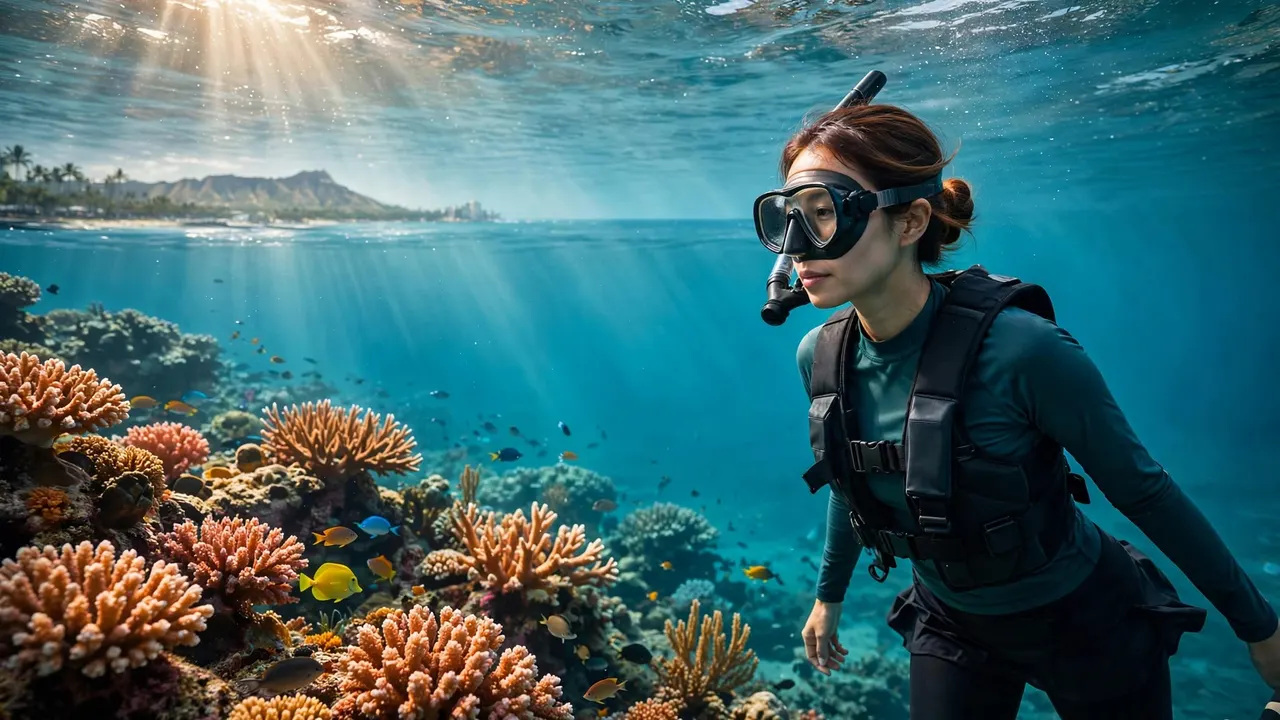
You should feel comfortable in the water before you ever step onto a boat. Snorkeling Honolulu can work well with rash guards, swim leggings, swim skirts, swim shirts, and other modest swimwear when you choose secure pieces and ask the right questions.
Living Ocean Tours departs from Kewalo Basin Boat Harbor near Waikiki and welcomes beginners, families, and confident swimmers. The company is the only Honolulu tour operator with professional snorkel guides, so you can get in-water support instead of trying to solve a mask or comfort problem alone.
A few direct questions will help you choose coverage that feels right, fits your gear, and lets you focus on the reef.
Key Takeaways
- Modest swimwear is practical for a Honolulu snorkel day when it stays secure in moving water and fits comfortably under a flotation vest.
- Ask about mask, fin, and vest sizing before booking, especially if you prefer fuller coverage or have specific fit needs.
- A rash guard and swim leggings can limit sun exposure while keeping you comfortable during the boat ride and in the water.
- Professional in-water guidance matters when you are new to snorkeling, traveling with children, or returning after a long break.
- Keep at least 10 feet from Hawaiian green sea turtles and never touch, feed, chase, or block marine wildlife.
- Conditions matter more than the forecast icon. Wind, swell, visibility, and boat traffic can change the plan offshore.
Questions About Snorkeling Honolulu Swimwear
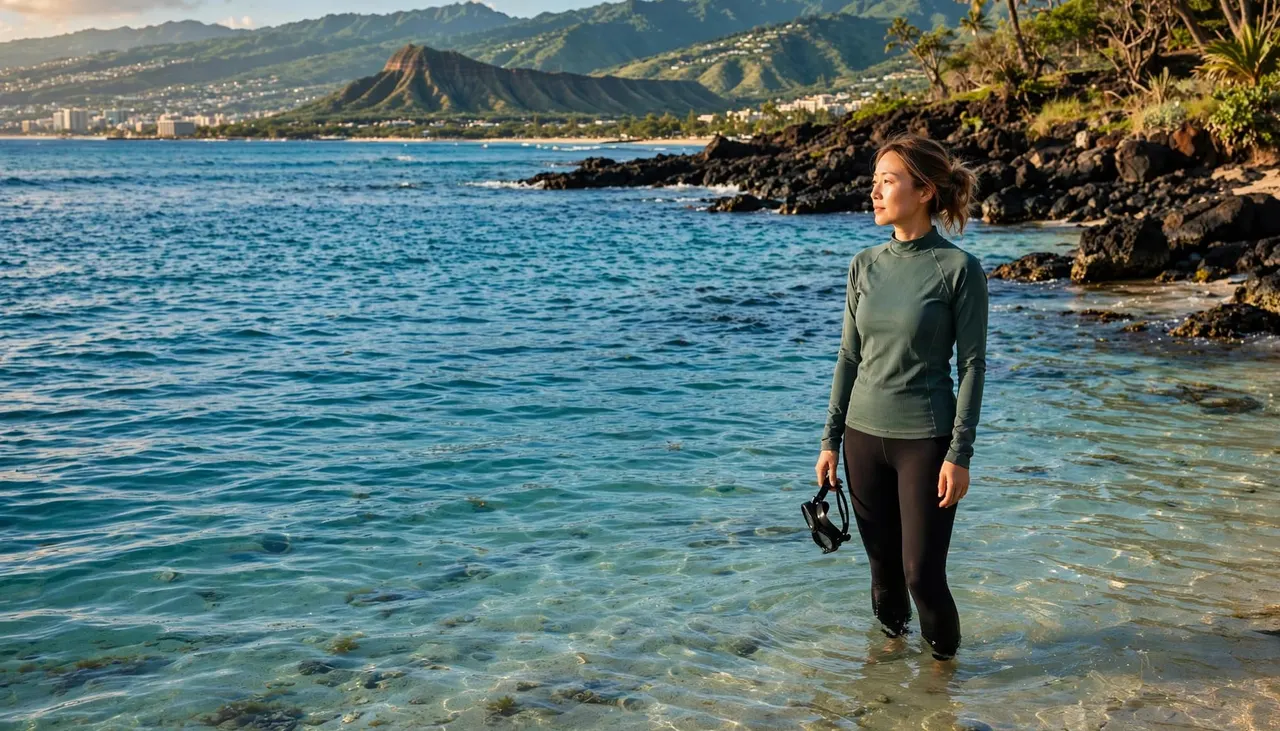
Your swimwear should let you float, kick, climb a ladder, and move around a boat deck without pulling, twisting, or becoming heavy. You do not need to wear a traditional bikini to enjoy the reef.
Will my suit stay comfortable in the ocean?
Ask yourself whether you can raise your arms, kick freely, and walk in your suit when it is wet. A long-sleeve swim top, fitted rash guard, swim leggings, or a modest one-piece often works well because it stays close to the body.
Avoid loose layers that may billow underwater or catch on a ladder. If you wear a swim skirt, choose one with attached shorts or leggings and test it in water before your trip.
For snorkeling Honolulu, a lightweight cover-up is also useful after your swim. Ocean breezes can feel cool after a sunny afternoon, particularly on the ride back to the harbor.
Can I wear a flotation vest over modest coverage?
Usually, modest swimwear and a flotation vest can work together well, but fit matters. Ask the operator what vest sizes are available and whether you can try one on before departure.
A vest should sit securely without rubbing your neck or riding up around your shoulders. Let the crew know early if the straps feel restrictive over a rash guard or swim top. Small adjustments are much easier on deck than in the water.
A comfortable flotation device is not a sign that you are inexperienced. It helps you conserve energy, stay horizontal, and enjoy the reef at your own pace.
Questions About Gear Fit and Boat Comfort
Will the supplied snorkel gear fit properly?
A well-fitting mask matters more than expensive equipment. Ask whether the crew can help you check the mask seal, adjust fins, and explain how to clear a little water from the snorkel.
Before entering the ocean, press the mask gently to dry skin without using the strap. If it seals briefly, it is more likely to stay comfortable in the water. Facial sunscreen, hair, and a poorly adjusted strap can cause leaks.
If you need larger fins, a particular shoe size, or extra room in a vest, share that information before booking. Do not assume every rental item has the same fit range.
What will the boat provide when I am out of the water?
Comfort is about more than what you wear in the ocean. Ask about shaded seating, restrooms, dry storage, and the boarding ladder. You should also know where to leave your fins before climbing back aboard.
Living Ocean Tours uses Coast Guard-inspected double-decker vessels with shaded seating, onboard restrooms, dry storage, and heavy-duty ladders. Those details help when you want time to adjust a cover-up, drink water, or warm up between swims.
Wear sandals or water shoes with grip for boarding, then follow crew instructions about footwear on deck. Secure loose hats, bags, and towels because a boat can shift quickly when wind or wake picks up.
Ask Who Will Guide You in the Water
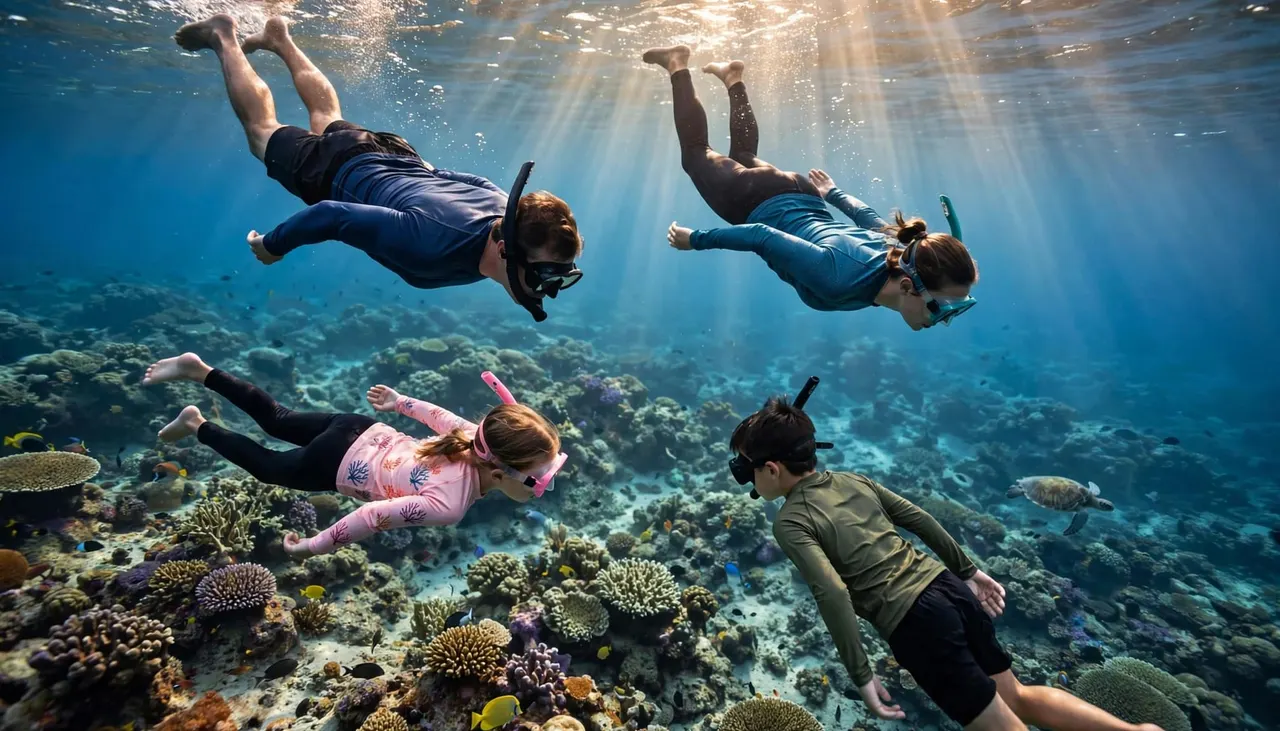
Guided trips can make modest swimwear snorkeling easier because you have someone nearby if a mask leaks, a fin rubs, or your confidence drops. Ask what the crew does before and during the water portion of the tour.
Will someone help first-time snorkelers?
Ask whether a guide gives a gear lesson before guests enter the water. You should know how to breathe through the snorkel, use a gentle flutter kick, float calmly, and signal that you need help.
Living Ocean Tours offers a guided Turtle Canyon snorkeling tour with gear and instruction included. Its professional snorkel guides provide in-water support for beginners and families, which can make the first few minutes far less stressful.
Tell a guide if you feel chilly, dizzy, nervous, tired, or uncomfortable. You do not need to stay in the water to prove anything. Returning to the boat early is a smart choice when your body tells you to stop.
Can I stay close to the boat?
This is an important question for cautious swimmers and parents. Ask whether you can remain at the surface, stay near the ladder, or use flotation support for the full swim.
Also ask about water depth, the expected time in the ocean, and how the crew watches the entry and exit area. You will enjoy snorkeling Honolulu more when you know you can take breaks without feeling rushed.
If Turtle Canyons is on your Waikiki wish list, you can also CHECK AVAILABILITY before your preferred day fills.
Questions About Turtles, Coral, and Wildlife
How close can I get to a sea turtle?
A memorable turtle encounter happens when the animal can swim, surface, and feed without changing its behavior. Hawaii’s Division of Boating and Ocean Recreation recommends keeping at least 10 feet from sea turtles, whether you are on shore or in the water, in its marine-species protection guidance.
Keep your arms to yourself, do not surround the turtle, and leave its path open. Hawaii DLNR also warns that touching, feeding, or approaching turtles too closely can cause stress and overexertion, as explained in its sea-turtle guidance.
How do I protect the reef while snorkeling?
Float horizontally and keep your fins clear of coral. Never stand on the reef, even when the water seems shallow. Coral can break under a foot or fin, and you can also cut yourself on its hard surface.
Choose close-fitting coverage that does not distract you underwater, then use sun protection thoughtfully on exposed skin. A rash guard reduces the amount of sunscreen you need. Leave shells, coral fragments, and marine life where you find them.
The same respect applies to larger animals. NOAA recommends keeping at least 50 yards from dolphins and small whales in Hawaii under its marine wildlife viewing guidelines.
Questions About Conditions and Your Comfort Level
What happens if the ocean conditions change?
Sunny weather in Waikiki does not guarantee calm water offshore. Before leaving, look at the ocean as well as the forecast. Whitewater over the reef, strong shorebreak, or murky runoff are reasons to stay out of the water.
Ask whether the captain can change locations, modify the snorkeling plan, delay departure, or cancel for unsafe conditions. On a charter, trust the crew’s decision because they are assessing swell, wind, visibility, boat traffic, and guest safety at the actual reef.
What if I get seasick or need to sit out?
Tell the crew before departure if you are prone to motion sickness. Ask about the best place to sit, whether you should bring your preferred medication, and what support is available if the ride becomes uncomfortable.
Bring drinking water, sunglasses, a hat, and a light layer. Keep medications, your room key, and a phone in a small dry pouch. If you decide not to enter the water, you can still enjoy the coast, sea air, and the chance to watch for wildlife from the boat.
Questions to Confirm Before You Book
What should I ask the day before?
Confirm the check-in time listed in your booking email and allow time for parking and boarding. Living Ocean Tours lists Kewalo Basin Boat Harbor at 1125 Ala Moana Boulevard, Slip B-01, Honolulu, HI 96814.
You should also ask about cancellation terms, expected duration, food and drink policies, restroom access, storage for valuables, and whether you may bring a water bottle. Direct answers will help you pack lighter and arrive relaxed.
What should I bring for a modest swimwear snorkel day?
Choose secure swimwear, a cover-up, and footwear with grip. Bring water, sun protection, sunglasses, a hat, and dry clothes for afterward.
Pack only what you can secure. Oversized bags and loose accessories can become frustrating on a moving deck. For snorkeling Honolulu, comfort comes from dependable basics, not a bag full of gear you will not use.
FAQ
Is modest swimwear allowed for snorkeling tours?
Most snorkel operators focus on safety and gear fit rather than a particular style of swimwear. Still, you should contact the operator before booking and describe any clothing that may affect vest fit, fin use, or comfortable movement.
A rash guard, swim shirt, leggings, and fitted swim skirt are practical options. Choose materials made for swimming, not regular cotton clothing that becomes heavy when wet.
Do I need to be a strong swimmer?
You should have basic swimming ability if you plan to enter open water. However, you do not need to be an expert swimmer to join a guided outing when you use flotation support and follow the crew’s instructions.
Ask whether you can practice near the boat first and return whenever you need a break. If you are unsure about your comfort level, speak with the operator before your snorkeling Honolulu trip.
Will I definitely see Hawaiian green sea turtles?
Wildlife sightings can never be guaranteed. Turtle Canyons is known as a natural turtle cleaning station, and Living Ocean Tours reports a 95% turtle-sighting rate, but conditions and animal behavior always affect the day.
Treat every sighting as a privilege, not a photo opportunity. The best view comes when you float calmly and give the turtle room.
A Comfortable Ocean Day Starts With Good Questions
Modest swimwear can give you sun coverage, confidence, and a more relaxed way to experience Honolulu’s reef. The right fit, a clear safety plan, and patient guidance matter far more than following someone else’s swimwear preferences.
When you prepare well, snorkeling Honolulu becomes less about managing gear and more about watching reef fish, clear water, and Hawaiian green sea turtles with care.


