
Snorkeling Honolulu: Duke Kahanamoku Lagoon Visitor Guide
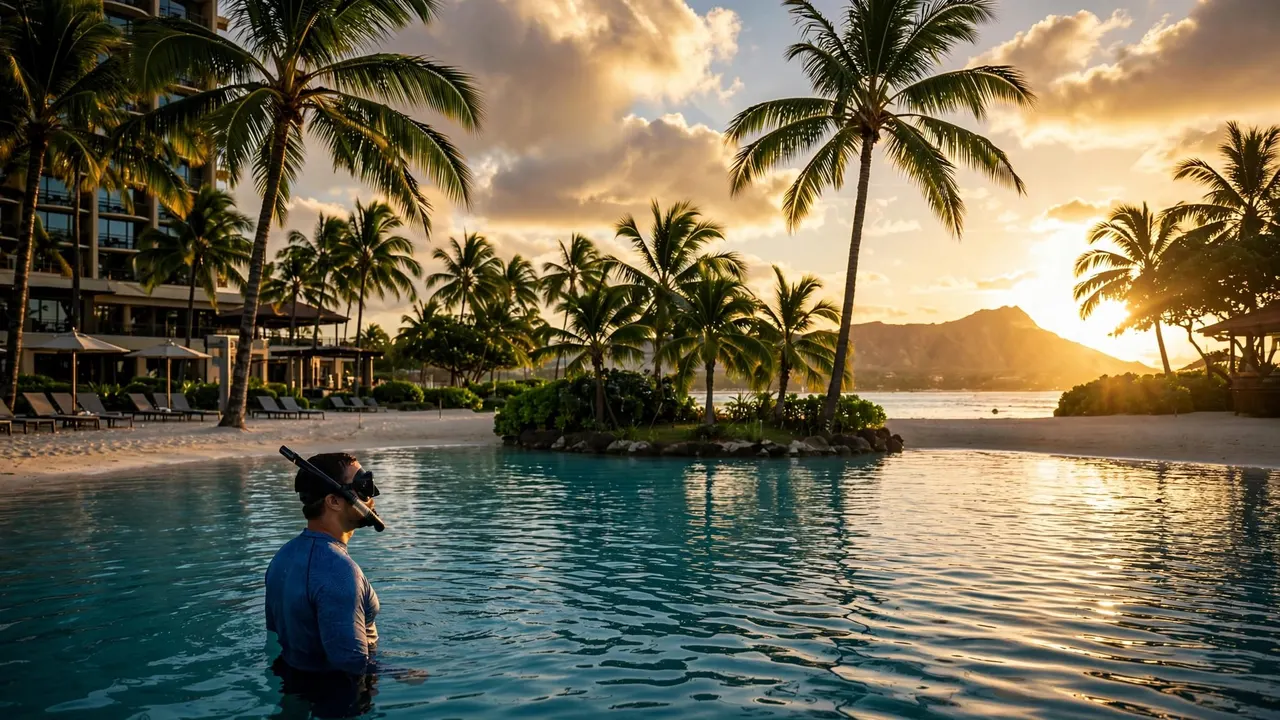
Duke Kahanamoku Lagoon gives you a gentler way to enjoy snorkeling Honolulu offers, especially when you want calm water close to Waikiki hotels. Its sheltered saltwater setting is ideal for a first mask-and-snorkel session, a low-key family swim, or a rest day between bigger ocean adventures.
Living Ocean Tours is a nearby option when you want to move beyond the lagoon and explore Waikiki’s offshore reefs with professional guidance. However, the lagoon itself is a worthwhile stop when you want easy water access, soft sand, and a relaxed beach atmosphere.
Use this guide to decide whether Duke Kahanamoku Lagoon fits your day, what to bring, and when a boat snorkel trip is the better choice.
Snorkeling Honolulu at Duke Kahanamoku Lagoon
Duke Kahanamoku Lagoon sits beside Hilton Hawaiian Village at the west end of Waikiki. It is a five-acre, man-made saltwater lagoon with a protected shape that blocks the rolling surf found on nearby beaches. Hilton’s beach and lagoon information lists the lagoon as part of its Waikiki water recreation area.
You can reach the lagoon from Kahanamoku Beach, which makes it easy to combine a swim with time on the sand. The surrounding shore is public, although parking in the area can be limited and expensive. If you’re staying farther east in Waikiki, plan for a walk, rideshare, or public transportation.
Why the lagoon feels different from Waikiki Beach
Open Waikiki beaches can have shore break, currents, and changing wave conditions. The lagoon has calmer water, so you can spend less energy staying balanced and more time getting comfortable with your mask.
That protected setting is especially helpful if you are traveling with young children, nervous swimmers, or someone who hasn’t snorkeled before. A family guide to Duke Kahanamoku Lagoon also highlights its shallow, sheltered water and rental options.
What you should expect underwater
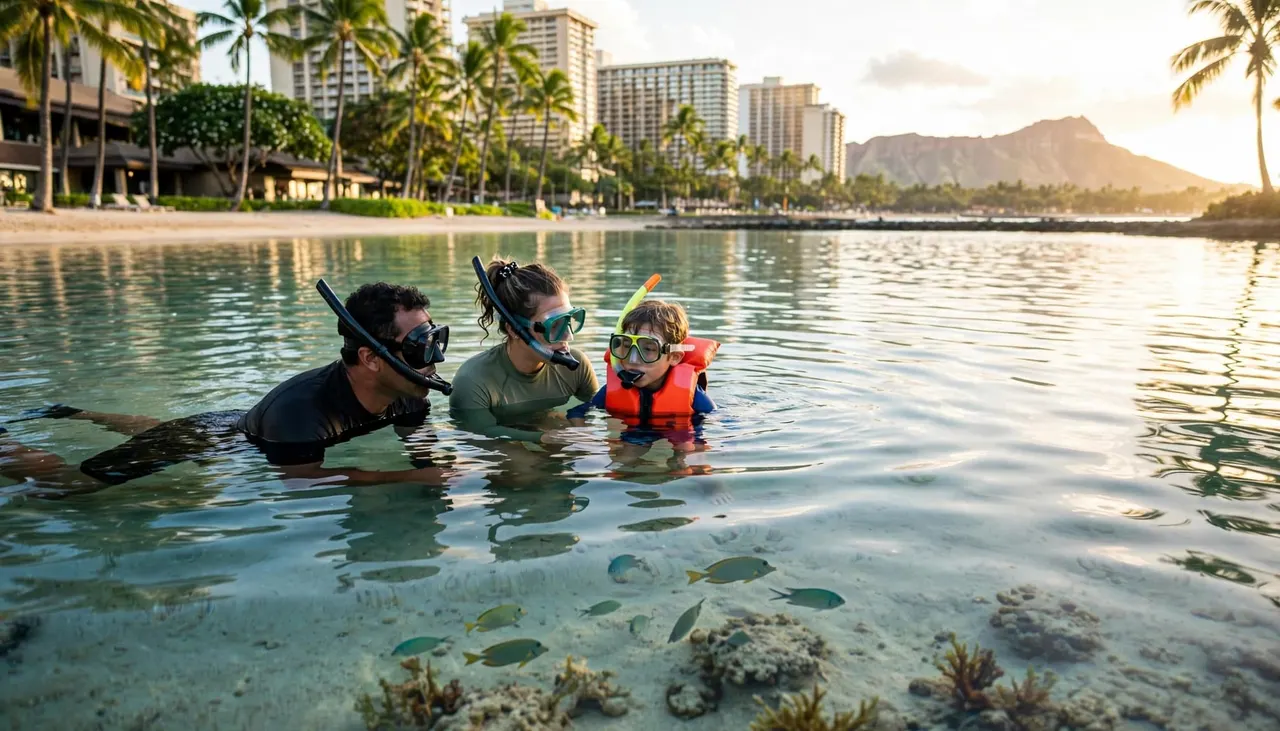
Set your expectations correctly before you put on a mask. The lagoon is built for swimming, floating, paddleboarding, and casual water play. It is not a natural coral reef.
You may spot small fish near edges and structures, but you should not expect large schools of reef fish, clear coral gardens, or Hawaiian green sea turtles on demand. For a beginner, that can still be useful. You can practice breathing through a snorkel, clearing your mask, and using fins without battling surf.
Calm water reduces wave exposure, but children and inexperienced swimmers still need close, active supervision.
What makes the lagoon good for beginners
A first snorkeling session can feel awkward. Your mask may fog, the mouthpiece can feel strange, and fins can make your legs work differently. The lagoon gives you room to sort out those details before you head into deeper water.
Start in water where you can stand comfortably. Put your face in for a few seconds, breathe slowly through the snorkel, then lift your head if you need a break. Once that feels natural, kick gently and keep your arms relaxed at your sides.
Practice without chasing marine life
You don’t need an exciting wildlife encounter to build confidence. Look down at the sand, notice how your body floats, and practice turning around without standing abruptly. These small skills make a meaningful difference during ocean snorkeling.
If your mask leaks, come back to shallow water and adjust the strap. A tighter strap rarely fixes the problem. Instead, move hair away from the silicone seal and reposition the mask evenly on your face.
Choose the right equipment
Rental desks near the lagoon offer water equipment, and rentals typically begin at 9:00 a.m. Bring your own gear if you prefer a familiar fit, but test it before walking into the water.
Your basic setup should include:
- A well-fitting mask that seals without painful pressure.
- A snorkel with a comfortable mouthpiece.
- Fins that fit snugly without rubbing your heels.
- A rash guard or sun shirt for longer time in the water.
- Reef-conscious sunscreen applied well before you swim.
A Waikiki Beach visitor guide recommends reef-safe sunscreen for time in the water. Covering up with a shirt and hat also means you can use less sunscreen during a long beach day.
Plan your lagoon visit around weather and crowds
Morning is often the easiest time to visit. The sun is lower, the sand is cooler, and you can claim space before the busiest beach hours. Water conditions also tend to look clearer before wind and afternoon activity stir up the surface.
Still, don’t treat the clock as a guarantee. Check the water when you arrive. If wind makes the lagoon choppy or visibility looks poor, switch to swimming or floating rather than forcing a snorkeling session.
Give yourself time to settle in
Arrive with swimsuits on, valuables secured, and a dry shirt ready for afterward. The area has restrooms and beach services nearby, but it feels more relaxed when you don’t need to keep returning to your bag.
If you are bringing kids, establish a simple boundary before they enter. Pick a visible point on shore and explain where they can swim. Stay in the water with non-swimmers, even when conditions look gentle.
Parking and transportation require patience
The lagoon is convenient for guests staying near Hilton Hawaiian Village. If you are driving from elsewhere on Oahu, parking may take longer than expected. Paid hotel parking and nearby lots can fill early.
Walking from central Waikiki is often simpler than moving a car. Pack light, wear sandals that can get wet, and bring only what you can comfortably carry back along the beach.
Lagoon safety rules that matter
The lagoon is calmer than the open Pacific, but it is still water. Stay aware of other swimmers, rental watercraft, and changing conditions. Keep your eyes up regularly instead of looking down through your mask the entire time.
Follow posted rules and lifeguard directions. Coverage and hours can change, so check the signs on the day you visit. If you don’t see a lifeguard, adjust your plans and stay even closer to shore.
Swim with a partner
A snorkeling buddy makes every outing safer. You can help each other with a loose fin, foggy mask, or a sudden cramp. More importantly, you can notice when the other person needs a break.
Children should remain within arm’s reach unless they are strong swimmers and you have agreed on clear boundaries. Inflatable toys can drift quickly, so don’t let them replace attentive supervision.
Protect the water and the people around you
Avoid standing on anything that looks like coral or marine growth. Don’t feed fish, chase wildlife, or touch animals that pass through the area. Hawaii’s marine life needs space, even when it comes close enough for a great photo.
Keep your snorkel gear organized on shore. Loose fins and masks become trip hazards on wet paths. Before you leave, check the sand around your spot for straps, wrappers, and small belongings.
When a guided snorkeling tour makes more sense
The lagoon is excellent for easing into the water. However, if your goal is colorful reef fish, deeper blue water, and the possibility of seeing turtles, a boat trip gives you access to places the shoreline cannot reach.
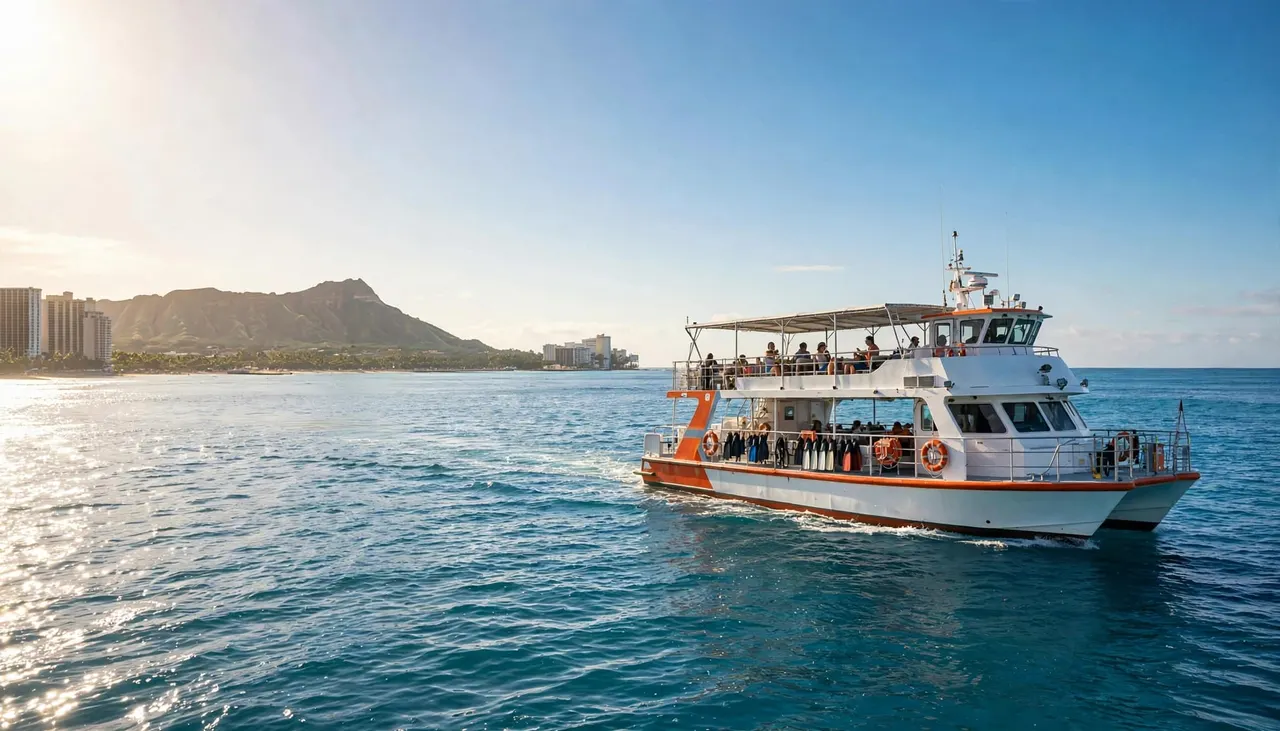
Living Ocean Tours departs from Kewalo Basin Boat Harbor, minutes from Waikiki. The company is the only tour company with professional snorkel guides. On board, crew members help fit masks and fins, keep wet pathways clear, and guide you through safe entry and exit on heavy-duty ladders.
See Waikiki’s Turtle Canyons with a guide
The Turtle Canyon Snorkel Excursion takes you to a natural cleaning station off Waikiki, where Hawaiian green sea turtles are frequently seen. Living Ocean Tours reports a 95% turtle-sighting success rate, although wildlife can never be promised.
Professional snorkel guides help beginners breathe comfortably, select properly fitted gear, and understand how to observe wildlife without touching it. Deckhands also manage the swim step, which makes returning to the boat less intimidating when your legs are tired.
You can use CHECK AVAILABILITY to view openings for the Turtle Canyon trip.
Build a relaxed Waikiki water day
Start at Duke Kahanamoku Lagoon if you want to test your equipment and get your bearings. Have breakfast nearby, then spend time in the shallow water before the beach becomes busy. You can follow it with lunch, a walk through Waikiki, or a quiet stretch on Kahanamoku Beach.
For a more active ocean day, book a morning turtle snorkel trip and use the lagoon later as a calm place to float or let children play. This order works well because you can enjoy the offshore reef while your energy is high.
Choose the experience that matches your group
The lagoon is the better fit when your group wants free-form beach time, simple swimming, and little planning. It also works well if someone in your party prefers to stay close to shore.
A guided boat experience suits you when wildlife is the priority or your group wants gear, instruction, and crew support included. Browse Waikiki snorkeling and cruise experiences if you want an outing built around the reef rather than the lagoon.
Make Duke Kahanamoku Lagoon Part of Your Honolulu Trip
Duke Kahanamoku Lagoon gives you a comfortable starting point for snorkeling Honolulu visitors can enjoy without confronting open-ocean waves. Bring realistic expectations, take time to fit your gear, and treat the lagoon as a place to build water confidence.
For reef scenery and turtle encounters, pair that easy beach time with a professionally guided outing offshore. Respectful wildlife viewing makes every swim better for you and for Hawaii’s ocean.


