
Snorkeling Fins for Oahu: Open-Heel or Full-Foot?
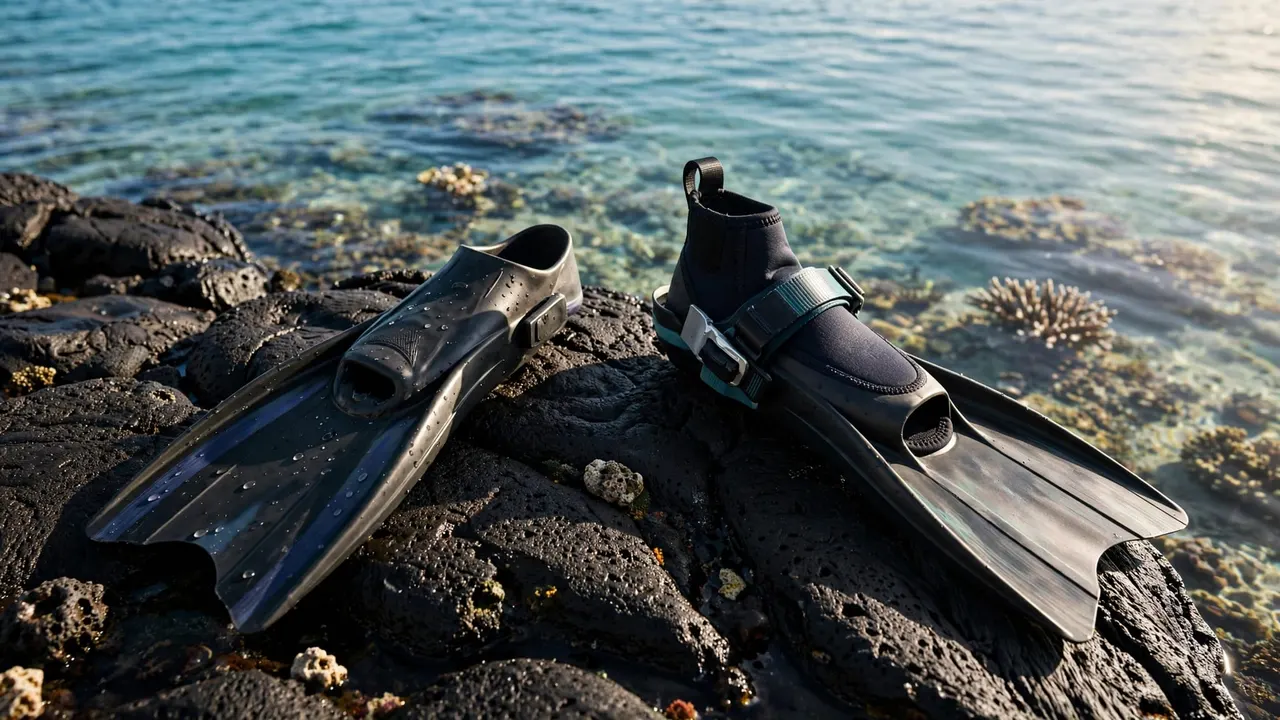
A fin that slips with every kick can steal your attention from the reef beneath you. For most warm-water outings, full-foot snorkeling fins are a practical starting point, while open-heel fins offer more adjustment when your footwear or foot shape calls for it.
Living Ocean Tours welcomes families, couples, and first-time snorkelers near Waikiki, where getting comfortable with your gear starts before water entry. Your best choice depends on fit, the footwear you plan to wear, and how you’ll enter the ocean.
Start by comparing what each fin style gives you.
Open-Heel vs. Full-Foot Snorkeling Fins at a Glance
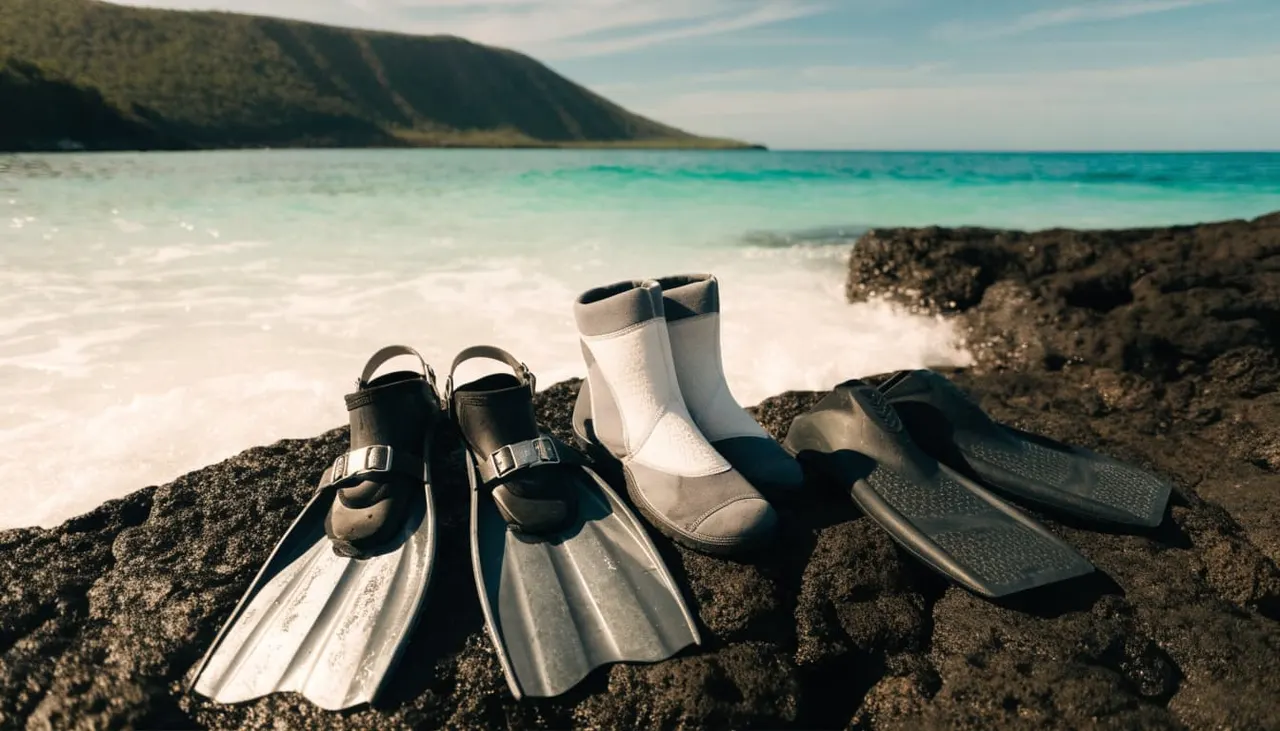
Full-foot fins have an enclosed heel pocket. You slip your foot inside, usually without separate footwear. Open-heel fins leave the back open and secure your foot with a strap.
That distinction affects packing, adjustment, and comfort. However, the heel design alone doesn’t tell you how comfortable or demanding a fin will feel.
Use these differences to narrow your options.
| Consideration | Full-foot fins | Open-heel fins |
|---|---|---|
| Heel closure | Enclosed pocket | Adjustable or elastic strap |
| Footwear | Commonly worn barefoot | Often paired with compatible booties |
| Fit adjustment | Mainly through pocket size and shape | Pocket fit plus strap adjustment |
| Packing | Often travel-friendly | Booties can add luggage bulk |
| Main fit concern | Pressure or slipping within the pocket | Pocket mismatch or uncomfortable strap tension |
Neither column wins every situation. A comfortable full-foot pair can suit your reef swim better than an adjustable pair that rubs.
Also, some open-heel snorkeling designs work barefoot. Check the manufacturer’s intended footwear rather than assuming every strap-style fin needs dive boots.
When Full-Foot Fins Make Sense for Oahu
Keep your travel setup simple
If you want fewer pieces to pack, full-foot fins deserve a look. You don’t need separate booties when the model is designed for bare feet and fits comfortably.
PADI’s guide to choosing fins describes full-foot designs as travel-friendly and suitable for warmer water. That makes them a reasonable option to consider for your Hawaii vacation.
Still, compare the actual blade and pocket, not just the category. A full-foot fin can be bulky, and a compact open-heel model may fit your luggage better.
For an occasional snorkeler, rental gear can also save suitcase space. Ask what’s provided before buying equipment for one outing.
Let your foot shape make the decision
A full-foot pocket should feel comfortable around your forefoot, arch, and heel. Your shoe size gives you a starting point, but brands shape their pockets differently.
If you have wide feet, sizing up may create unwanted space around your heel. Trying another pocket shape can solve the width problem without sacrificing stability.
Pay attention to rubbing around the opening, too. A pair that feels acceptable while sitting can become irritating during repeated kicks.
Thin fin socks may help reduce friction, but they also occupy space. Try the complete setup together, and change fins if the added layer creates pressure.
When Open-Heel Fins Are Worth Considering
Match the pocket to your footwear
Open-heel fins can make sense when you want compatible booties for your entry and exit. However, buy or rent the fins and footwear as a coordinated setup.
Try the fins with the exact booties you intend to wear. A pocket that accommodates one boot shape may feel tight or loose with another.
Scuba Diving’s explanation of open-heel and full-foot fin differences highlights the larger, stiffer pockets and sizing flexibility found in many open-heel designs.
Remember that this describes scuba equipment broadly. Lightweight snorkeling fins can differ, so check the model’s instructions before choosing footwear.
Booties protect your feet during some entries. They don’t make sharp terrain, slippery rocks, or difficult surf suitable for entry.
Use the strap without forcing the fit
The heel strap gives you another adjustment point. That can help when you need a more secure fit, but it can’t correct every pocket mismatch.
Set the strap so it rests comfortably behind your heel. If the pocket squeezes your forefoot, pulling the strap tighter won’t create more room.
Likewise, a loose pocket may still allow movement even with a tight strap. Try another size or design rather than relying on tension alone.
A heel strap can adjust how a fin stays on, but it can’t change the pocket’s width or shape.
Before entering, ask how the buckle or release works. Familiarity matters when you need to remove your fins at the ladder.
Check Your Fin Fit Before Leaving the Entry Point
Whether you rent snorkeling fins or bring your own, test them before swimming away. Your toes should stay relaxed, and ordinary movement shouldn’t produce rubbing or repeated heel slipping.
Start with clean feet and clean pockets. Sand creates friction, while folded socks can concentrate pressure against your skin.
Use this short sequence before your reef session:
- Put on the complete setup, including any socks or booties, and check for pressure across your toes and forefoot.
- Adjust the heel strap if your fins have one, then move your ankles gently while seated.
- Follow the entry instructions and make a few slow kicks close to support before continuing.
Don’t walk around a wet boat deck in fins to test them. Their blades can catch underfoot, and your crew may have a particular entry procedure.
If your feet begin burning, stinging, or cramping, stop and ask for help. Changing equipment early is easier than managing discomfort offshore.
Also, don’t buy a stiffer blade because it looks more capable. Blade stiffness and length affect kicking effort independently of heel style.
Choose equipment you can move comfortably with controlled kicks. Your goal is steady movement without clenching your toes or fighting the gear.
Match Your Fins to the Entry, Not a Beach Photo
Let conditions overrule your equipment choice
No fin style makes every Oahu snorkeling site appropriate for your group. Wind, swell, current, and visibility can change what an entry requires.
For a shore outing, identify your return route before entering. Go with a buddy, and ask a lifeguard about conditions where one is available.
On a boat, follow the crew’s instructions about putting fins on, entering, and returning to the ladder. Ask whether you should remove them before climbing aboard.
If the water exceeds your swimming comfort, postpone the swim. Longer blades and firmer straps aren’t substitutes for suitable conditions or basic swimming ability.
Guidance and flotation can help, but neither removes ocean hazards.
Keep your blades clear of the reef
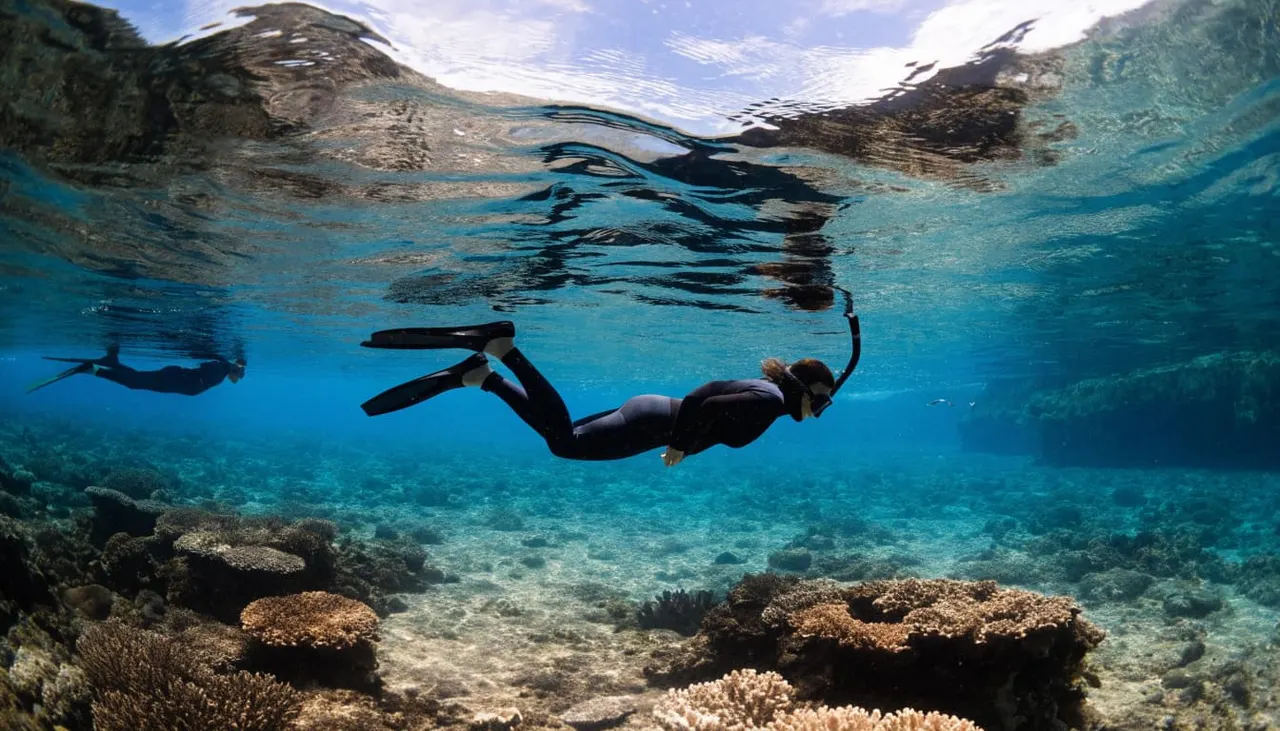
Comfortable fins help you concentrate on where your feet are moving. Use controlled kicks and leave room between your blades and coral.
If you need to adjust equipment, float with suitable support or return to the boat. Never stand on coral or use it for balance.
NOAA’s Hawaii marine wildlife viewing guidelines advise against touching, chasing, or feeding wildlife. Let turtles choose their direction and leave their route to the surface open.
Fin choice doesn’t change that responsibility. A short blade can still strike coral, while a long blade requires extra awareness of the space behind you.
Get Gear Support With Living Ocean Tours
Ask for help while you’re still aboard
Living Ocean Tours departs from Kewalo Basin Boat Harbor near Waikiki. You can compare its guided Oahu snorkeling options when you want supplied gear, instruction, and an organized water-entry plan.
The company describes itself as Oahu’s only tour company with professional snorkel guides in the water with guests. That support gives you someone to ask when your fins rub, your mask leaks, or you want help with flotation.
Tell the crew about wide feet, swimming nerves, or a child who needs extra reassurance. Also, ask about available fin sizes and styles rather than assuming a particular design will be aboard.
Choose support that suits your group
The company’s double-decker boats, Coral Kai and Lokahi, have shaded seating, restrooms, dry storage, and sturdy boarding ladders. Those amenities give your group somewhere to regroup between water time and the ride.
For mixed-experience families, discuss participation requirements before booking. A guided outing still requires an honest assessment of each swimmer’s comfort.
Once aboard, test your equipment near the designated entry area and speak up early. You can return for a break instead of continuing with painful fins.
Reserve your ocean outing when you’re ready to make guided reef time part of your Waikiki stay.
Key Takeaways for Choosing Your Oahu Fins
Your final choice should reflect how the equipment feels on your feet, not which style sounds more advanced.
- Consider full-foot fins when you want a simple bare-foot setup and a comfortable enclosed pocket.
- Choose open-heel fins when their adjustment and compatible footwear suit your needs.
- Test your entire setup before swimming away, and change gear if pressure or slipping persists.
- Follow entry instructions, respect your swimming limits, and keep every kick clear of coral and wildlife.
Before packing your own pair, ask your operator what equipment is included. You may save luggage space while getting help with fit.
Choose the Fins You Can Stop Thinking About
The right snorkeling fins for Oahu stay comfortable while you watch the reef. Full-foot designs offer simplicity, while open-heel designs provide another way to adjust your setup.
Make comfortable fit your deciding factor, then match your equipment to the entry and your swimming ability. A few careful checks before entering can keep a slipping fin from becoming the focus of your ocean day.


